Laura Pierangeli-Galicnik’s Wedding
Galicnik’s Wedding
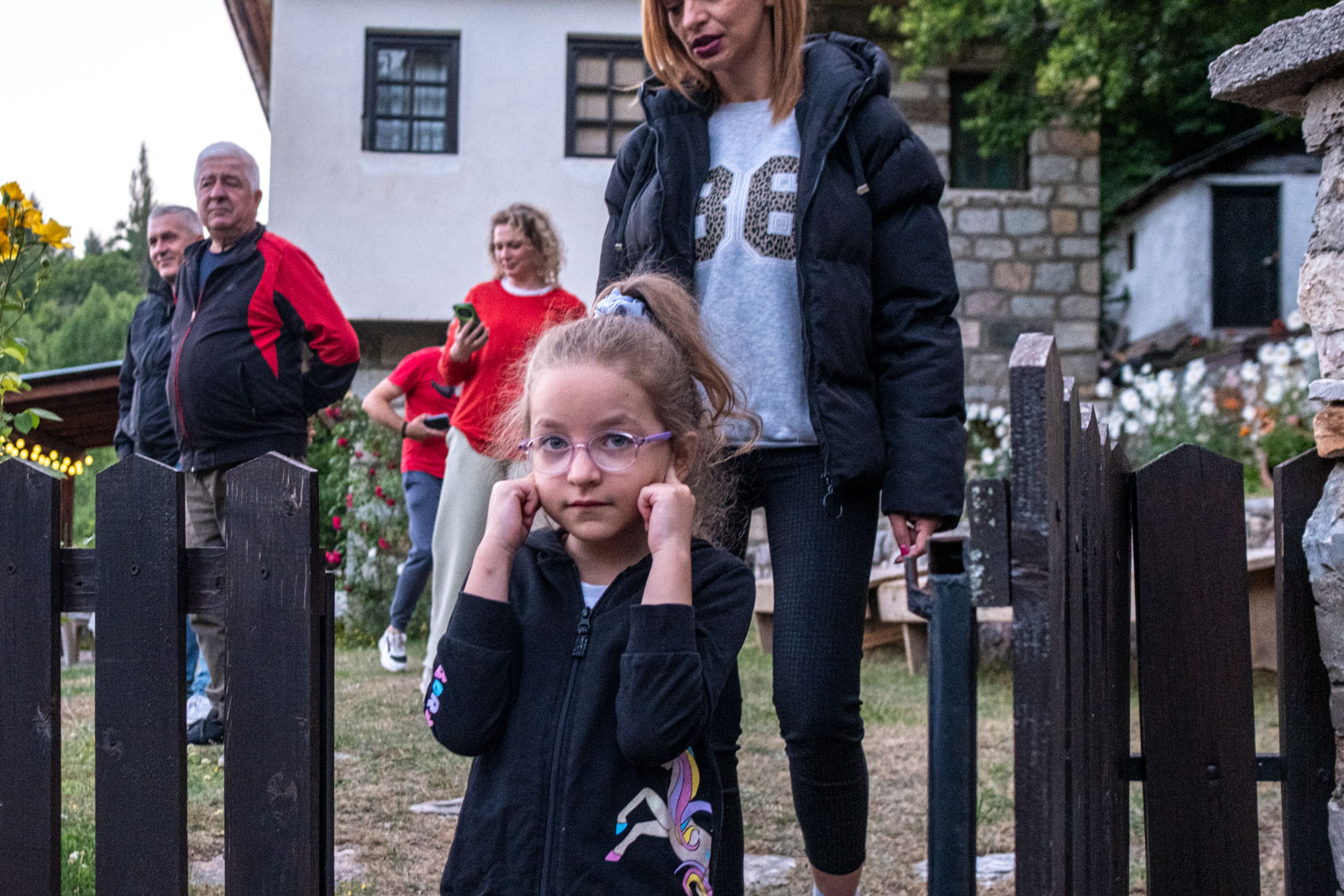
I was lucky enough to attend the wedding in Galičnik, a village with stone houses in the heart of North Macedonia. They are celebrated only two days a year, in July, but what happens in those hours remains engraved inside. It is much more than a wedding: it is a journey through time, a collective ritual that unites the living and the dead, past and present, the sacred and the profane.
The rite begins with the groom going to the cemetery where he asks forgiveness from the deceased so that he can no longer invite them to the wedding, meanwhile in the center of the village everything is ready for the ritual of shaving: an ancient, strong gesture that marks the transition to adulthood.
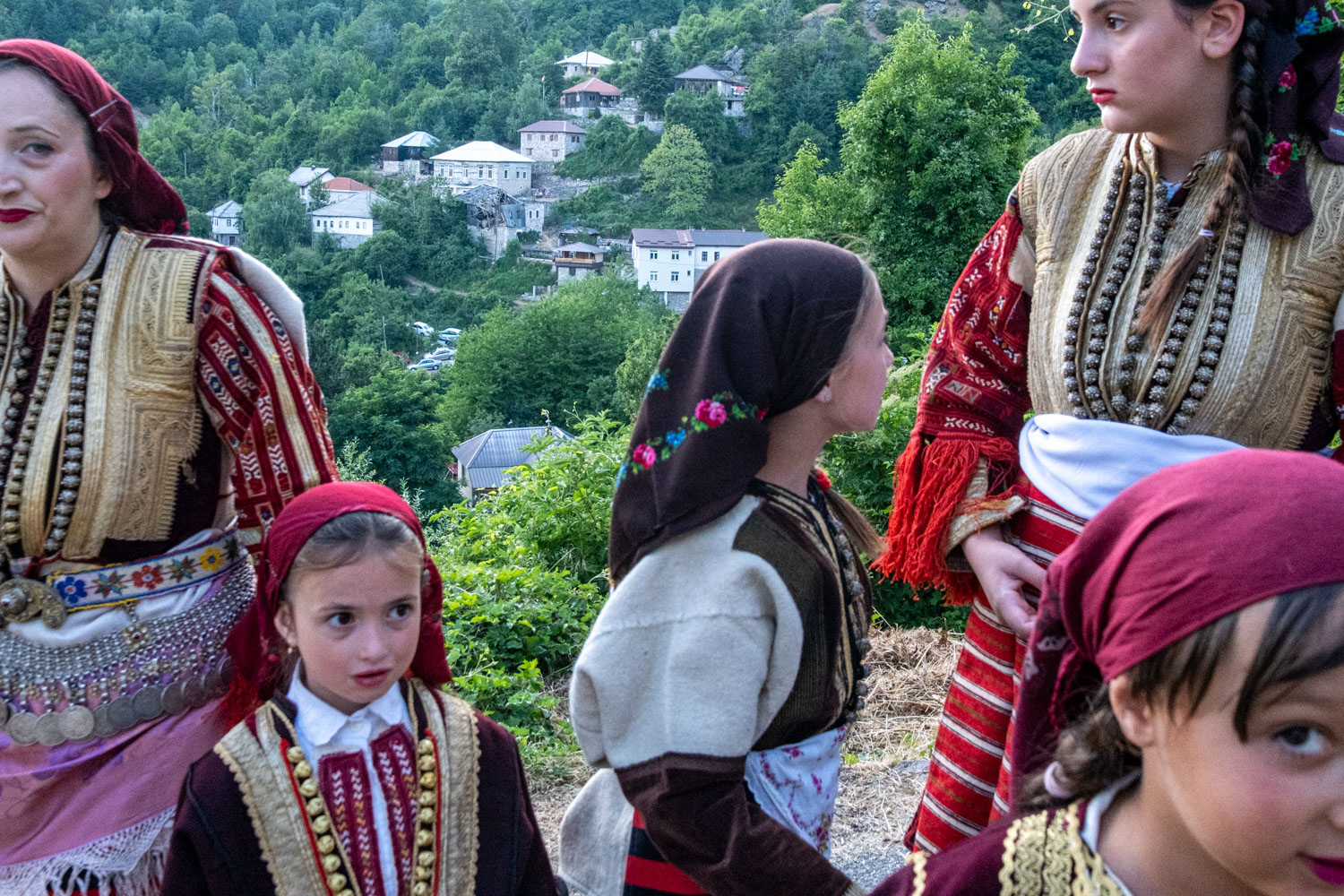
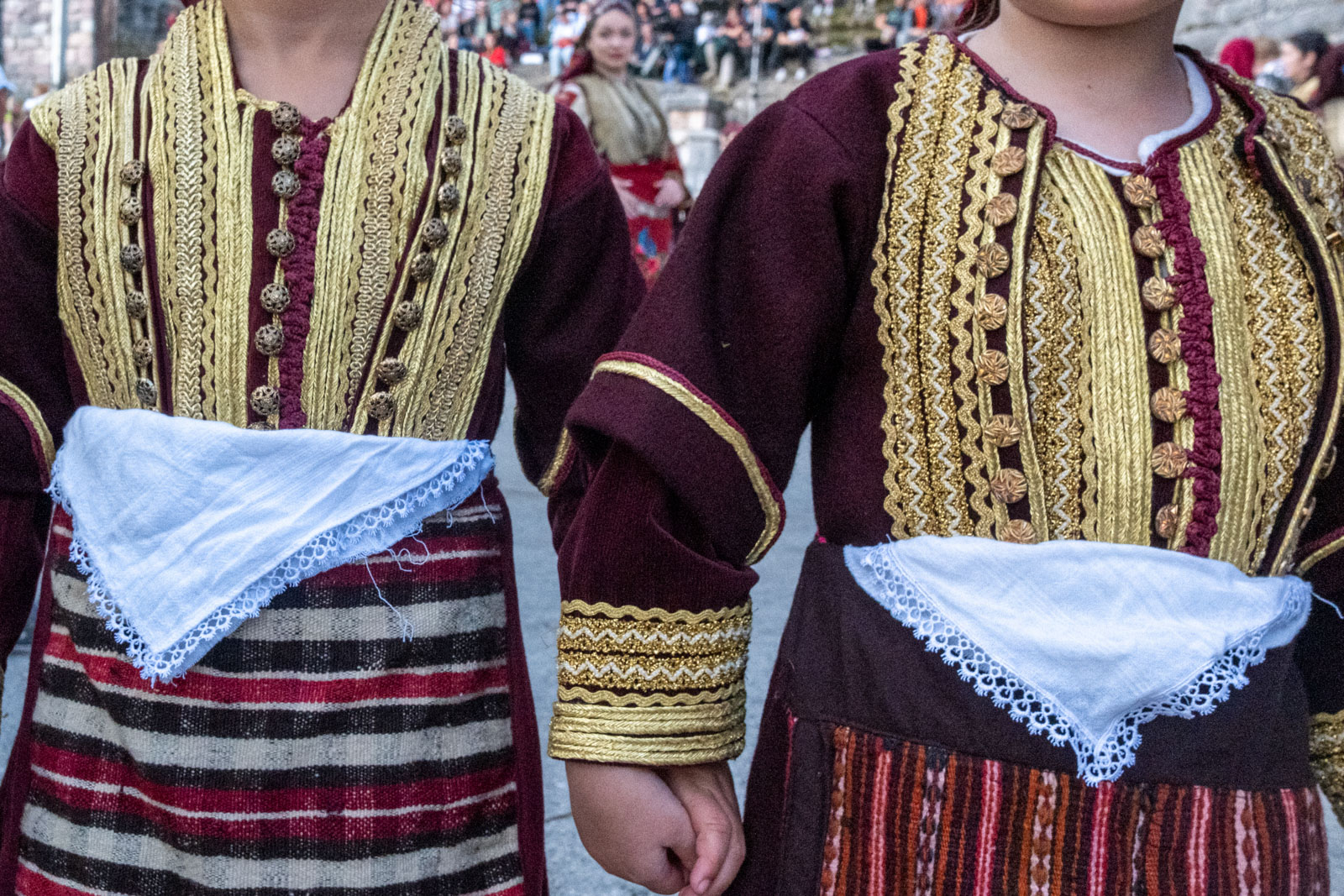
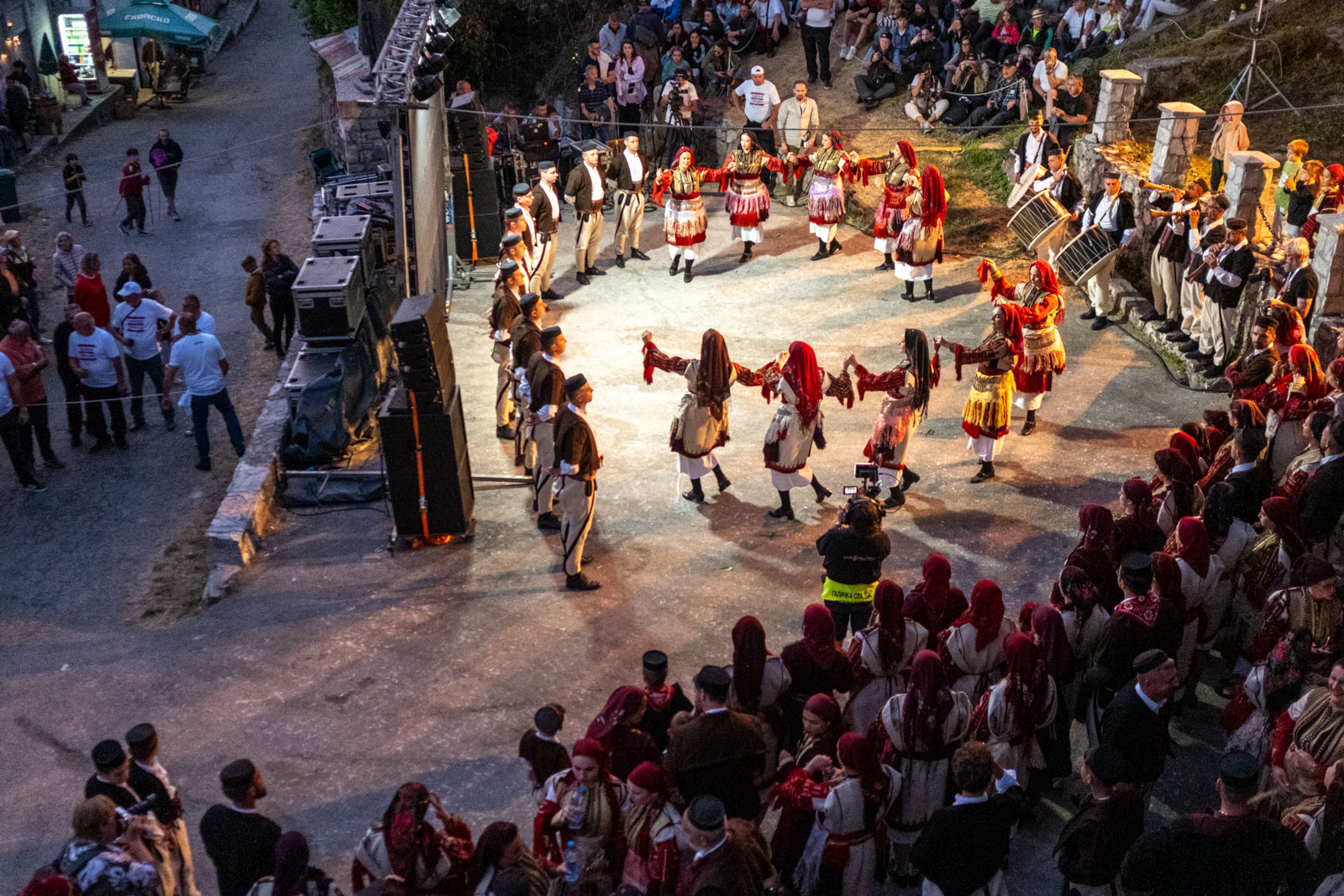
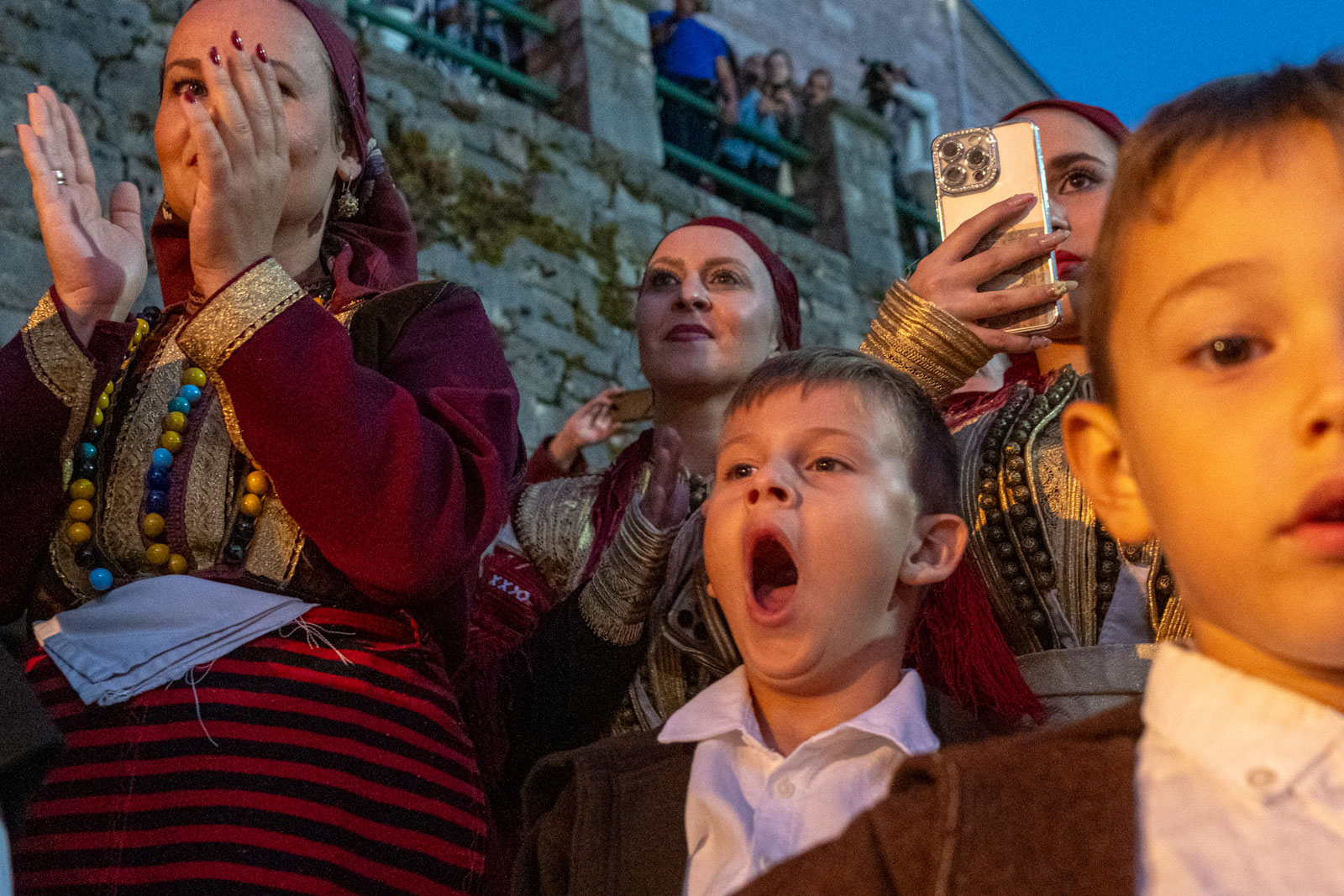
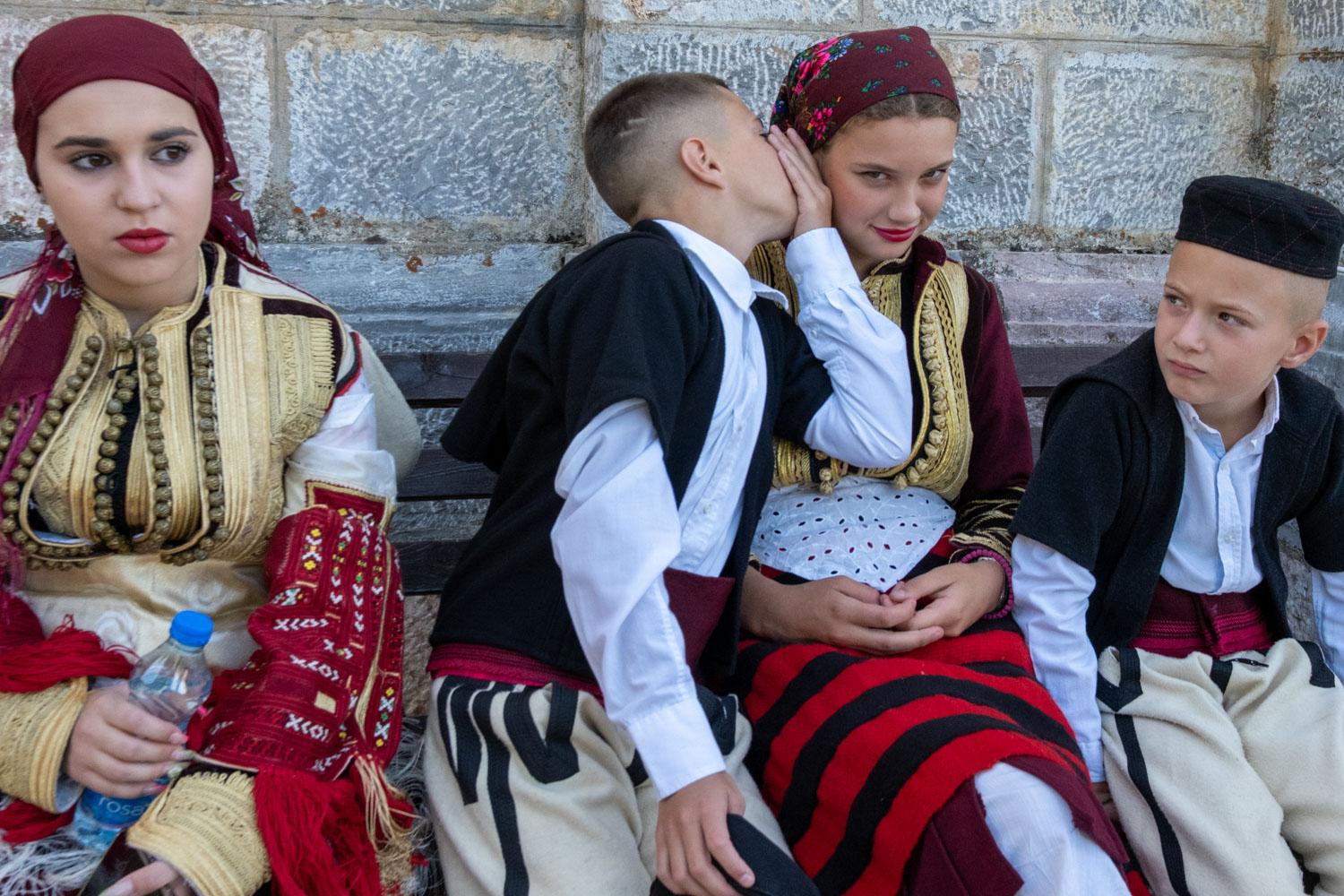
All together we are overwhelmed by the dances, the colors, the scents and the lightheartedness of the people. Each guest is dressed in traditional clothes sewn by the local tailor and this gives even more the dimension of the importance of the moment, the glance is hypnotic.
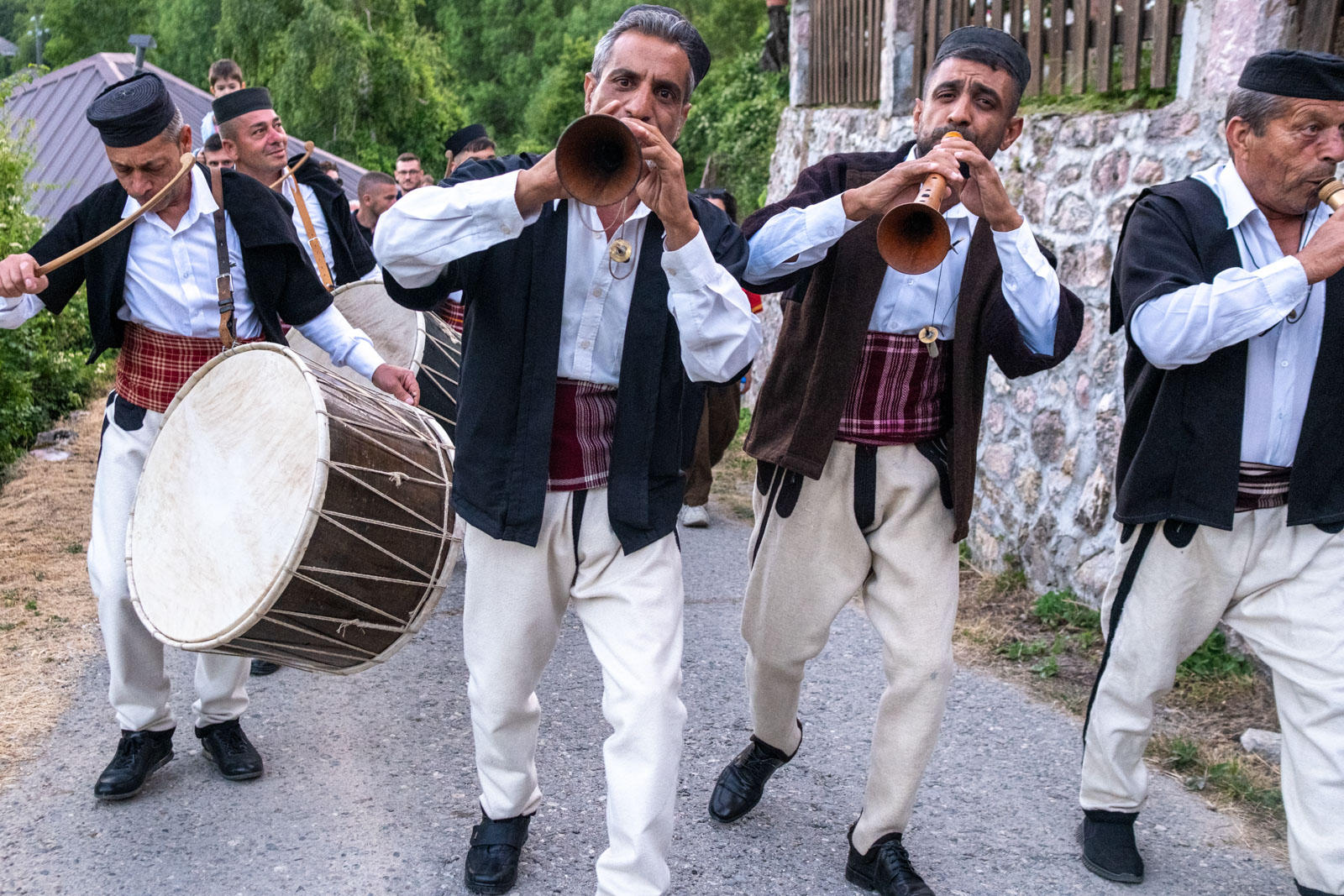
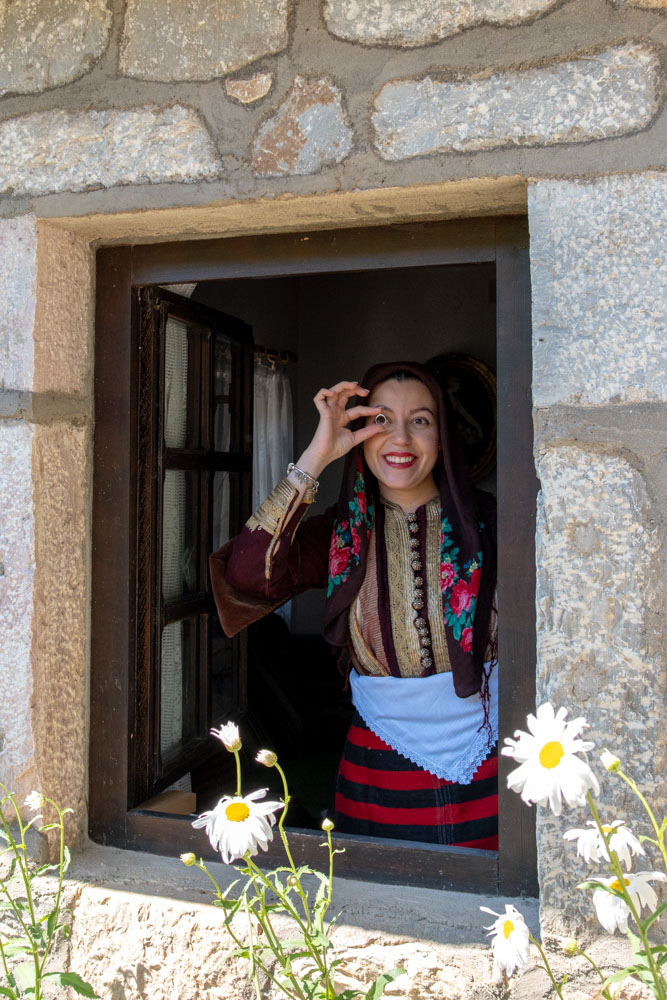
The music never stops, drums and songs accompany the procession towards the bride’s house. She looks out the window, looks through her wedding ring and says, “I see you through a ring, to enter your heart.” Every gesture vibrates like an echo of something that remains beyond time.
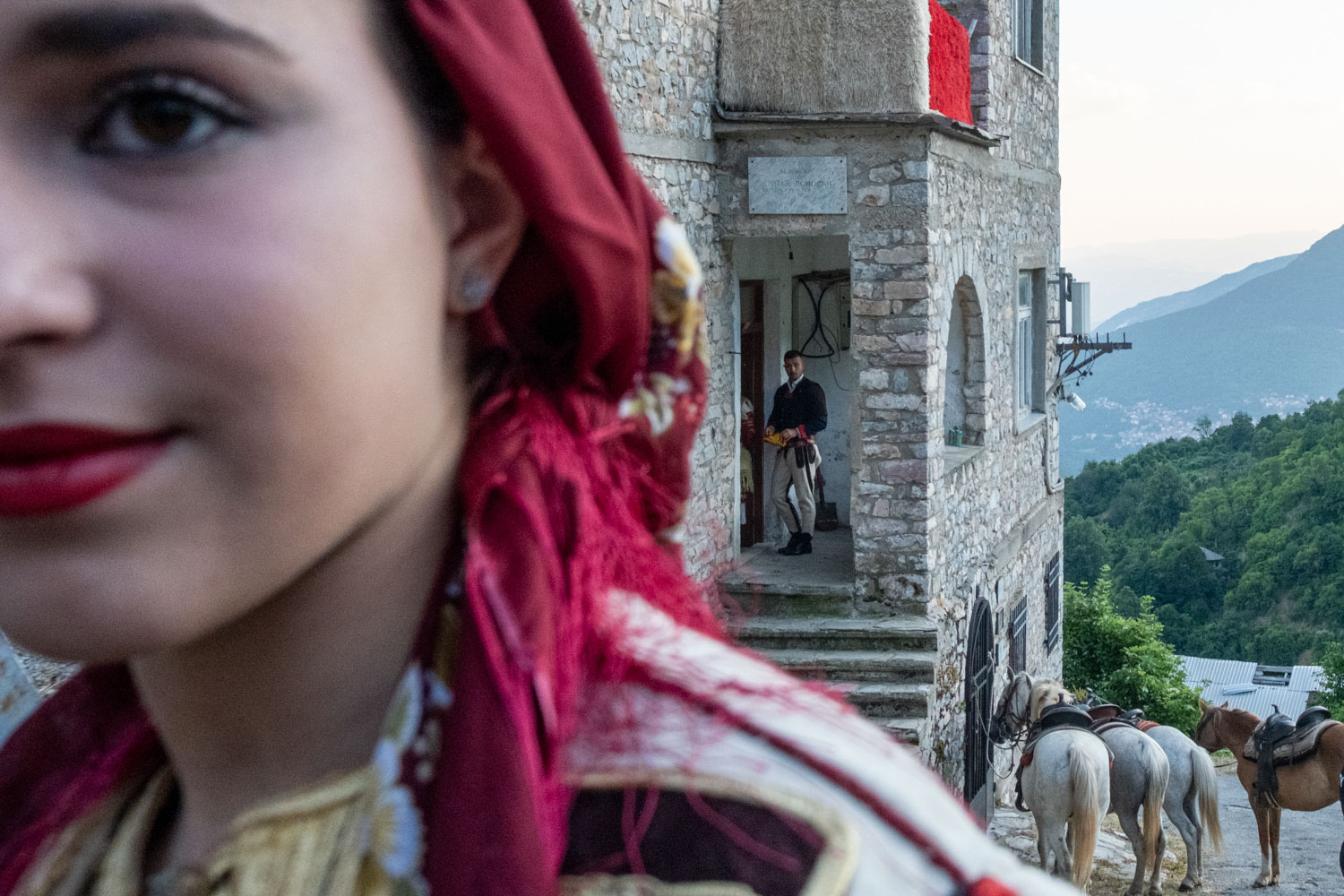
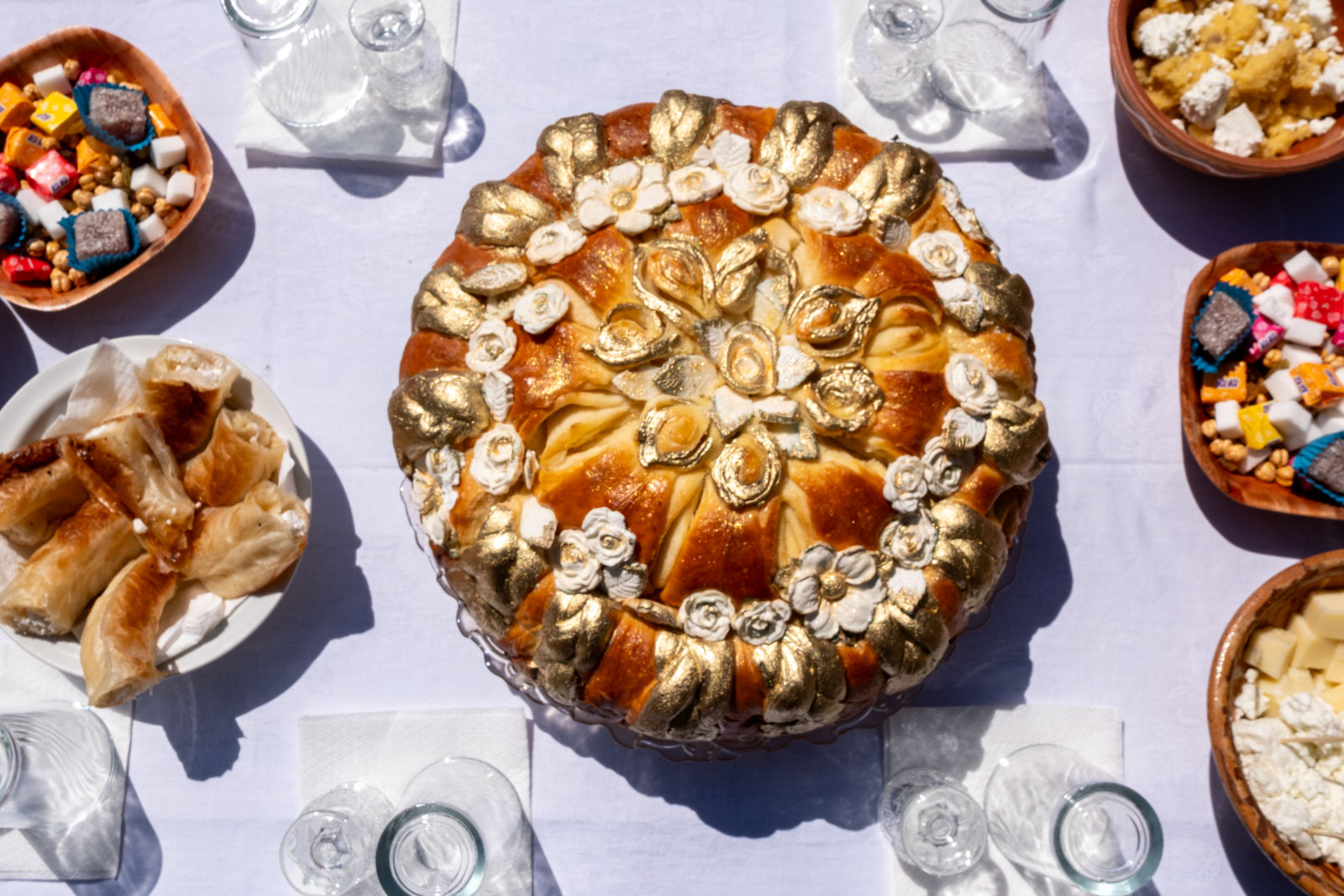
The bride gets on her horse with her face veiled, arrives accompanied by the wedding procession at the groom’s house where the mother welcomes her with a sieve and a cake and asks her to be obedient. These are gestures that speak more than words.
Finally, the wedding is celebrated according to the Orthodox rite in the church of Saints Peter and Paul, and I, a participating spectator, take home a sense of enchantment that I will never forget.
ITALIANO
Le nozze di Galicnik
Ho avuto la fortuna di assistere alle nozze di Galičnik, un villaggio con le case costruite in pietra nel cuore della Macedonia del Nord. Si celebrano solo due giorni all’anno, a luglio, ma ciò che succede in quelle ore resta scolpito dentro. È molto più di un matrimonio: è un viaggio nel tempo, un rito collettivo che unisce vivi e morti, passato e presente, sacro e profano.
Il rito inizia con lo sposo che si reca al cimitero dove chiede perdono ai defunti per non poterli più invitare alle nozze, intanto al centro del villaggio è tutto pronto per il rito della rasatura: un gesto antico, forte, che segna il passaggio all’età adulta.
Tutti insieme siamo travolti dai balli, dai colori, dai profumi e dalla spensieratezza della gente. Ogni invitato è vestito con gli abiti tradizionali cuciti dal sarto del posto e questo dà ancora di più la dimensione dell’importanza del momento, il colpo d’occhio è ipnotico.
La musica non si ferma mai, tamburi e canti accompagnano il corteo verso la casa della sposa. Lei si affaccia alla finestra, guarda attraverso la fede nuziale e recita: “Ti vedo attraverso un anello, per entrare nel tuo cuore”. Ogni gesto vibra come un eco di qualcosa che resta al di là del tempo.
La sposa sale a cavallo con il volto velato, arriva accompagnata dal corteo nuziale alla casa dello sposo dove la madre l’accoglie con un setaccio e una torta e le chiede di essere obbediente. Sono gesti che parlano più delle parole.
Infine, il matrimonio si celebra secondo il rito ortodosso nella chiesa dei Santi Pietro e Paolo, ed io, spettatrice partecipe, mi porto a casa un senso di incanto che non scorderò più.