Sergio Volani-Galicnik’s Wedding
Galichnik’s Wedding
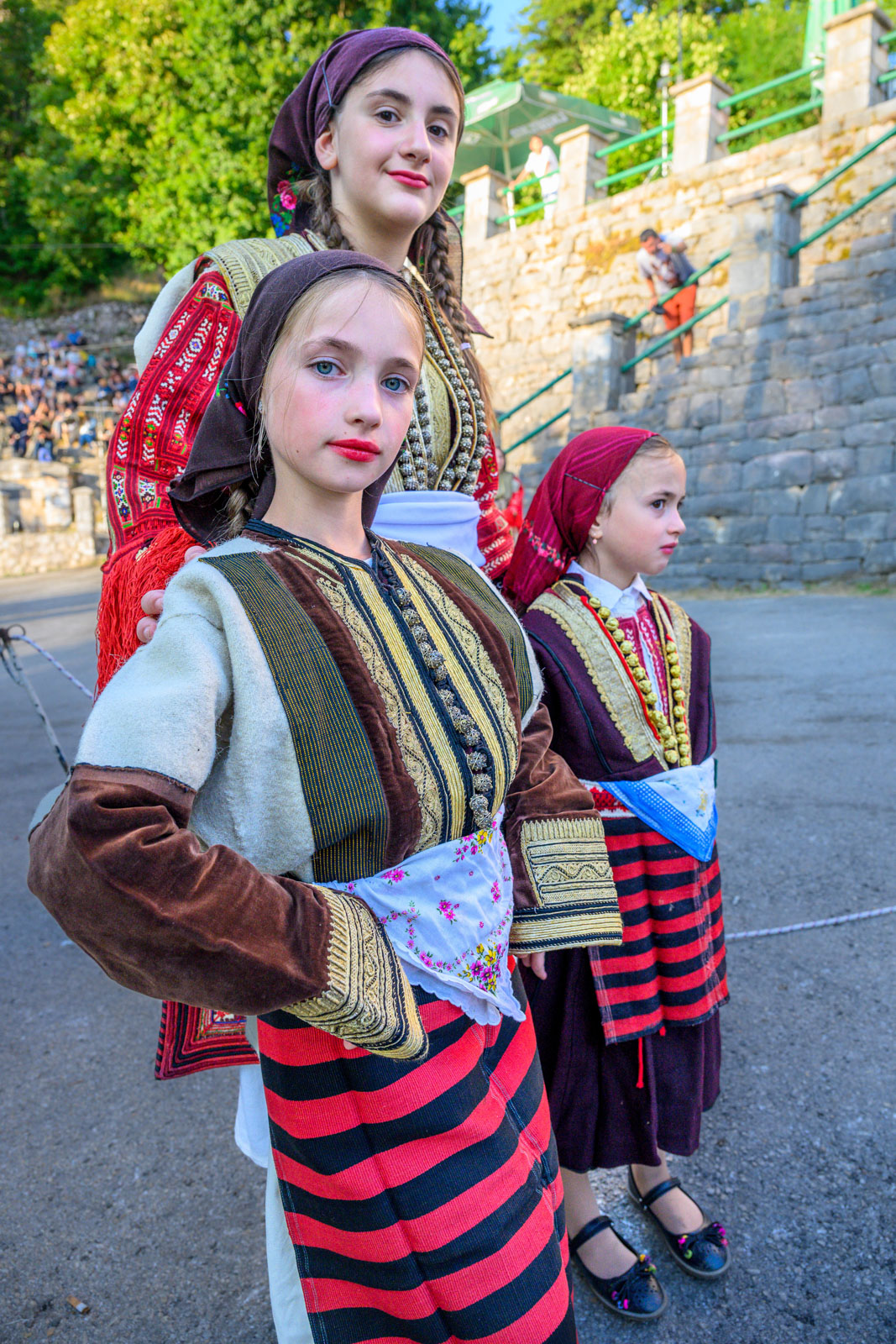
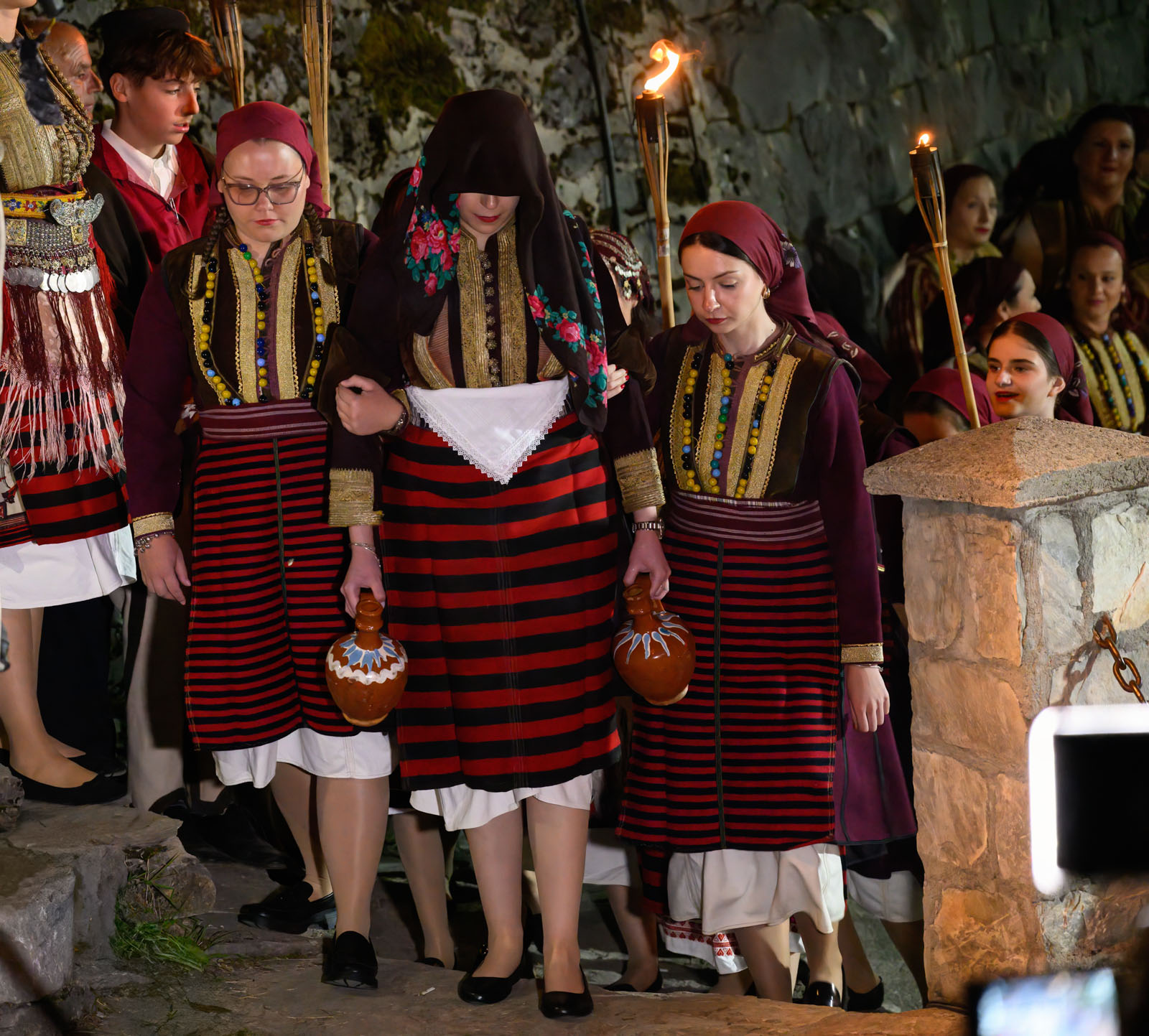
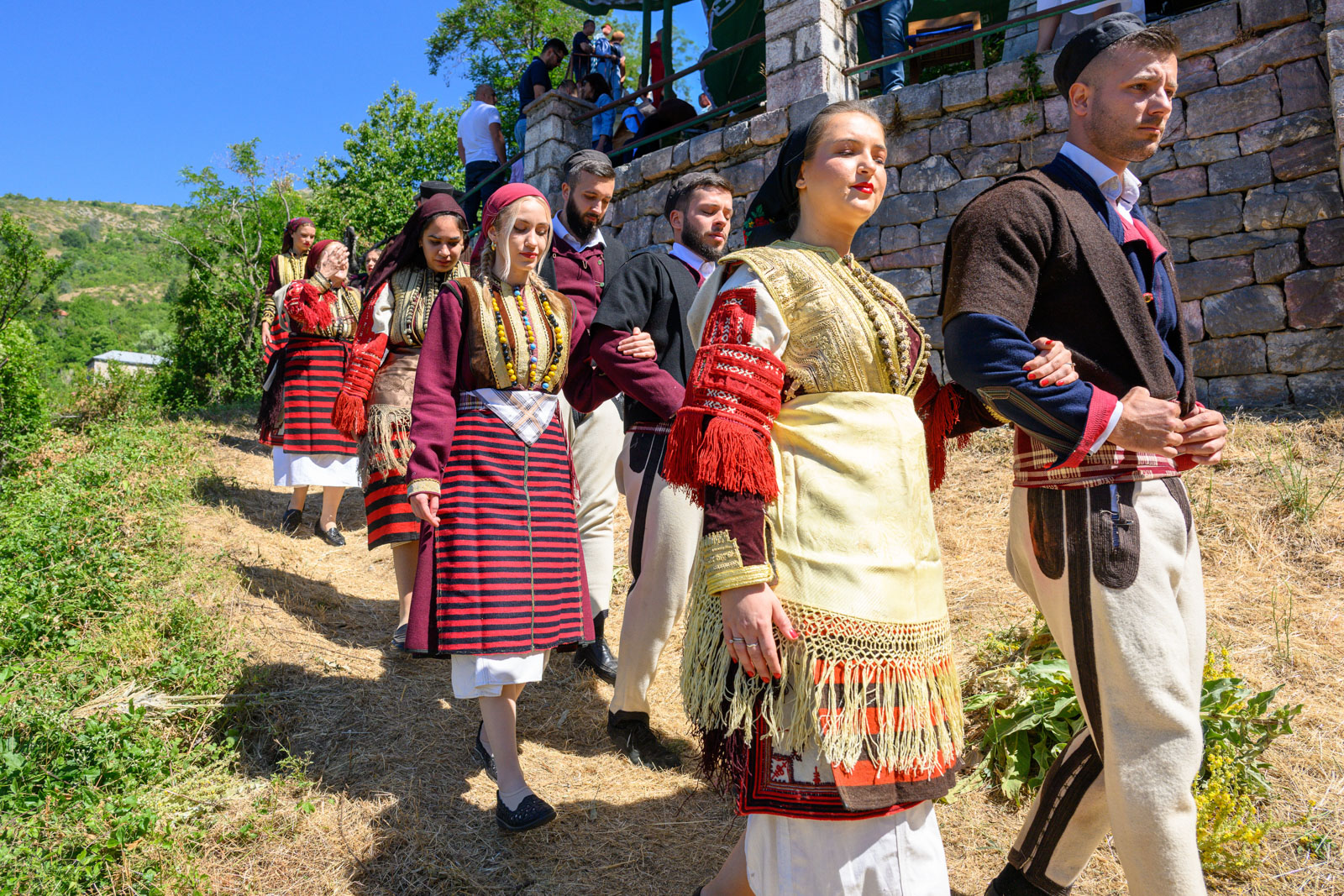
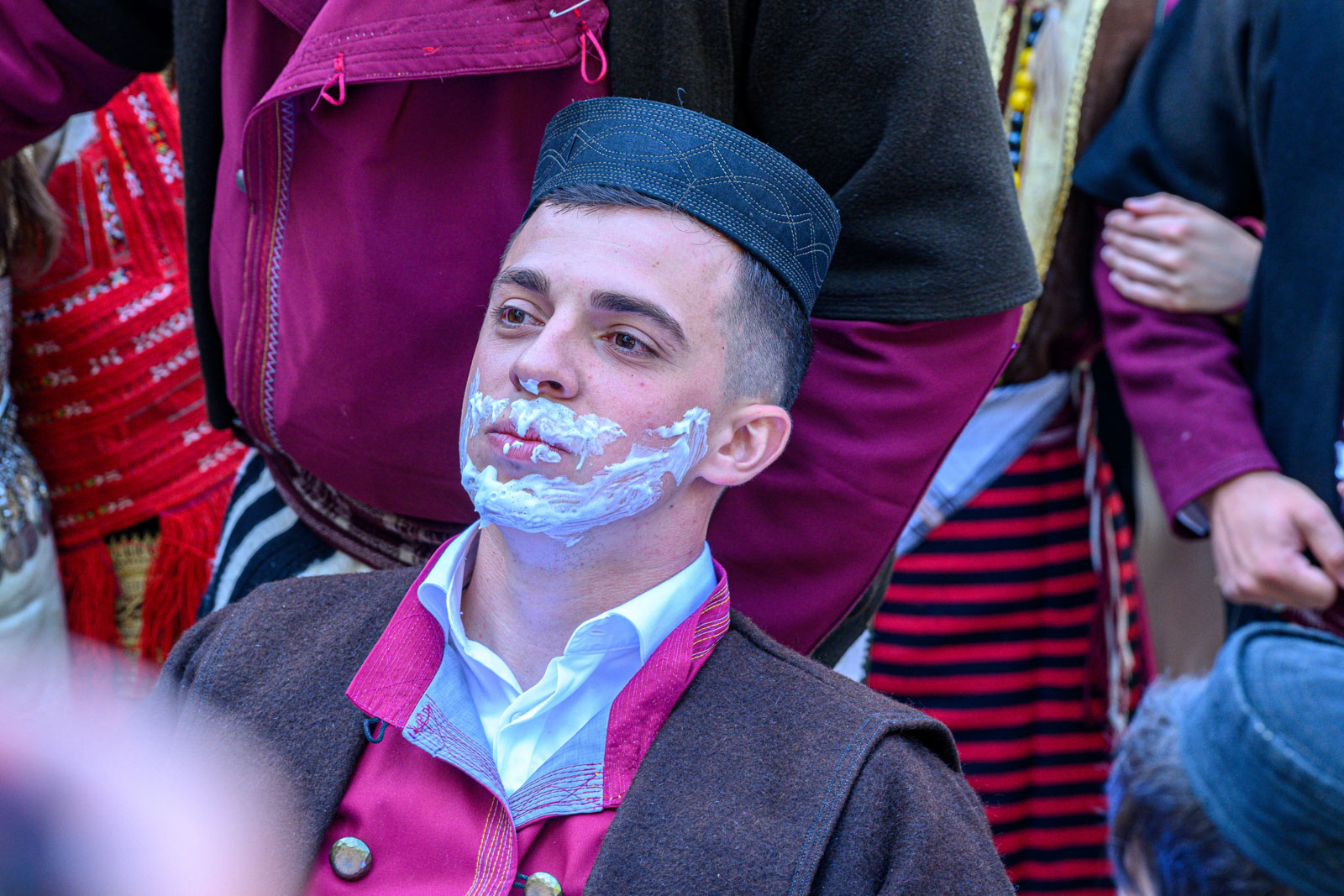
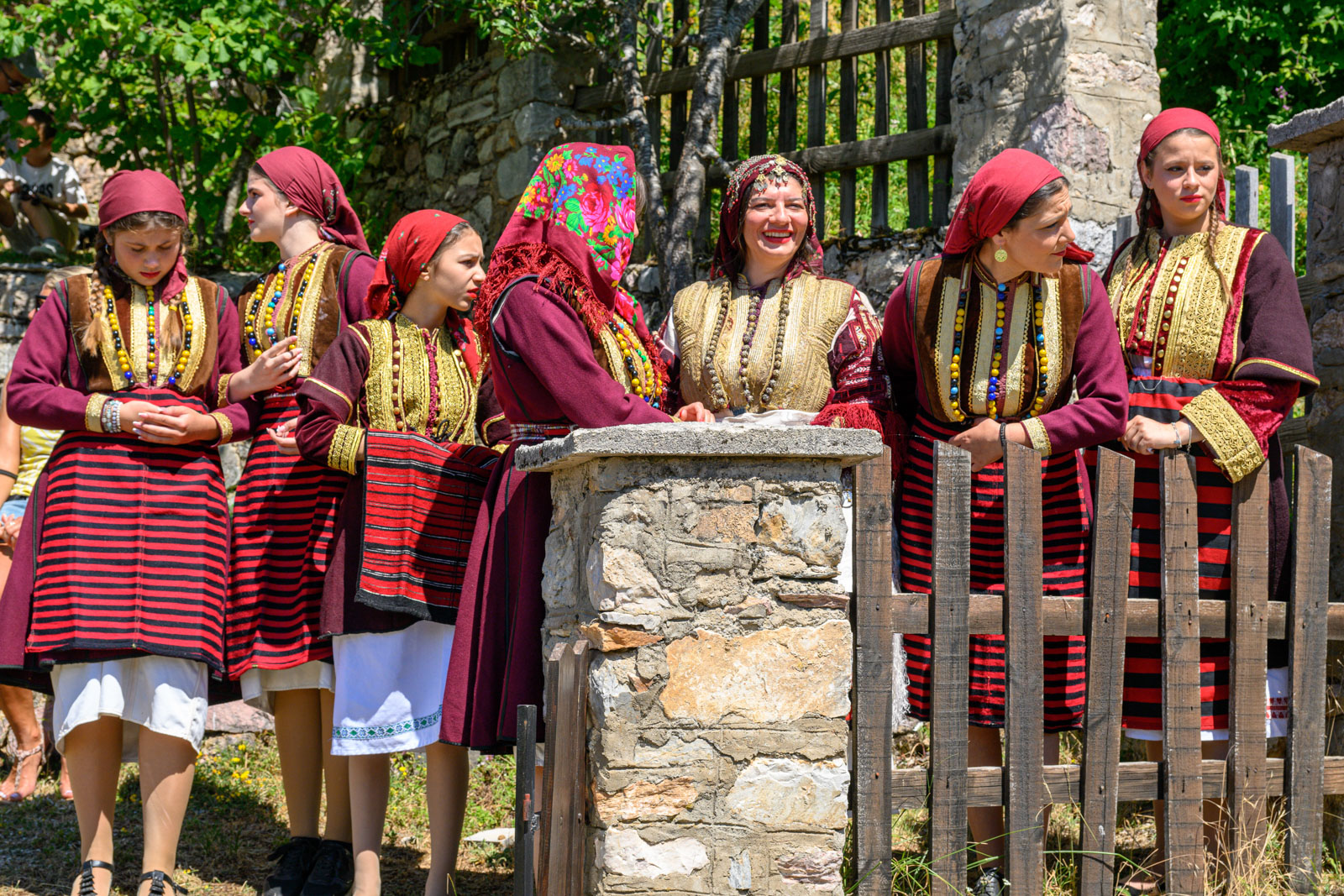
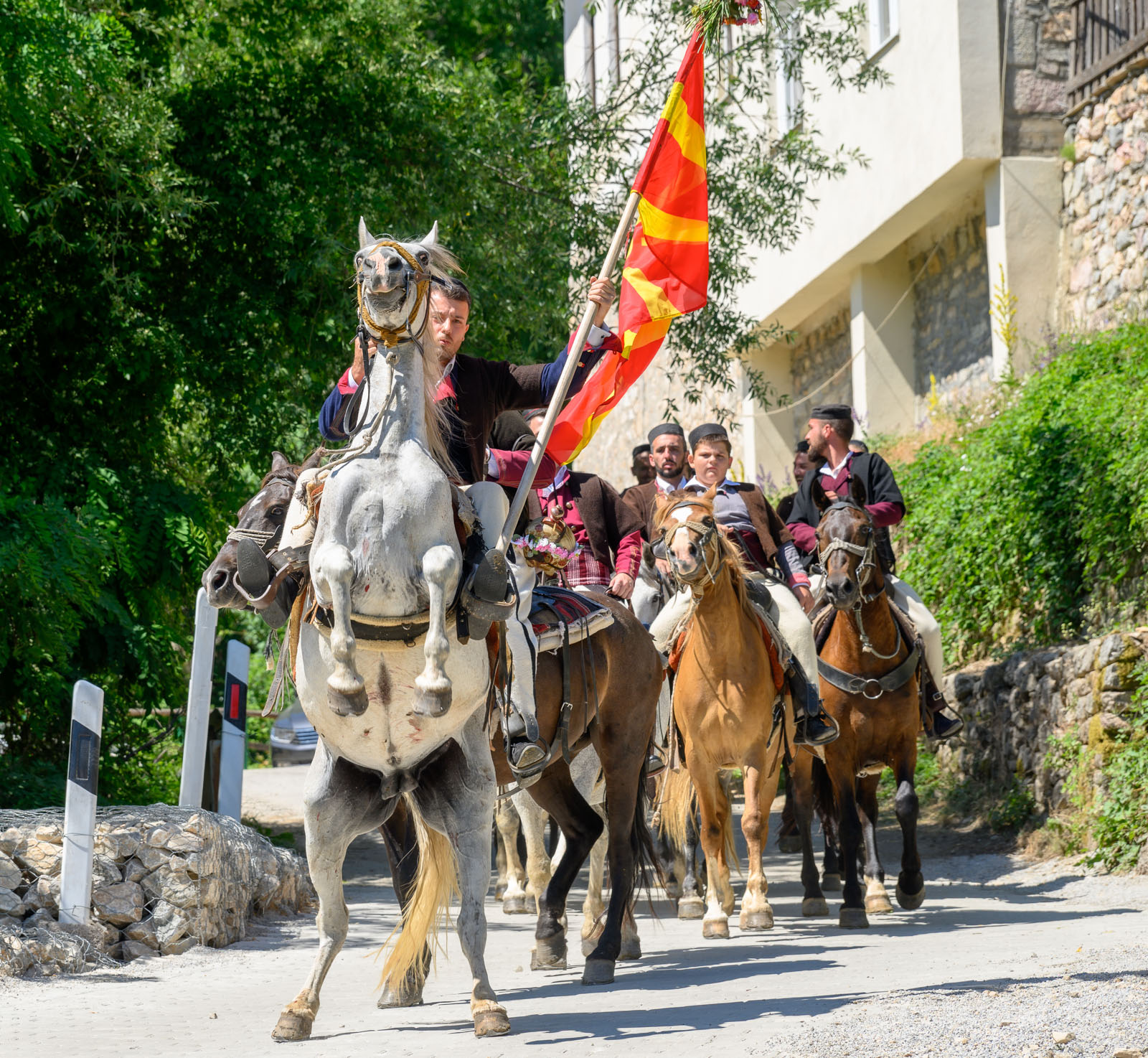
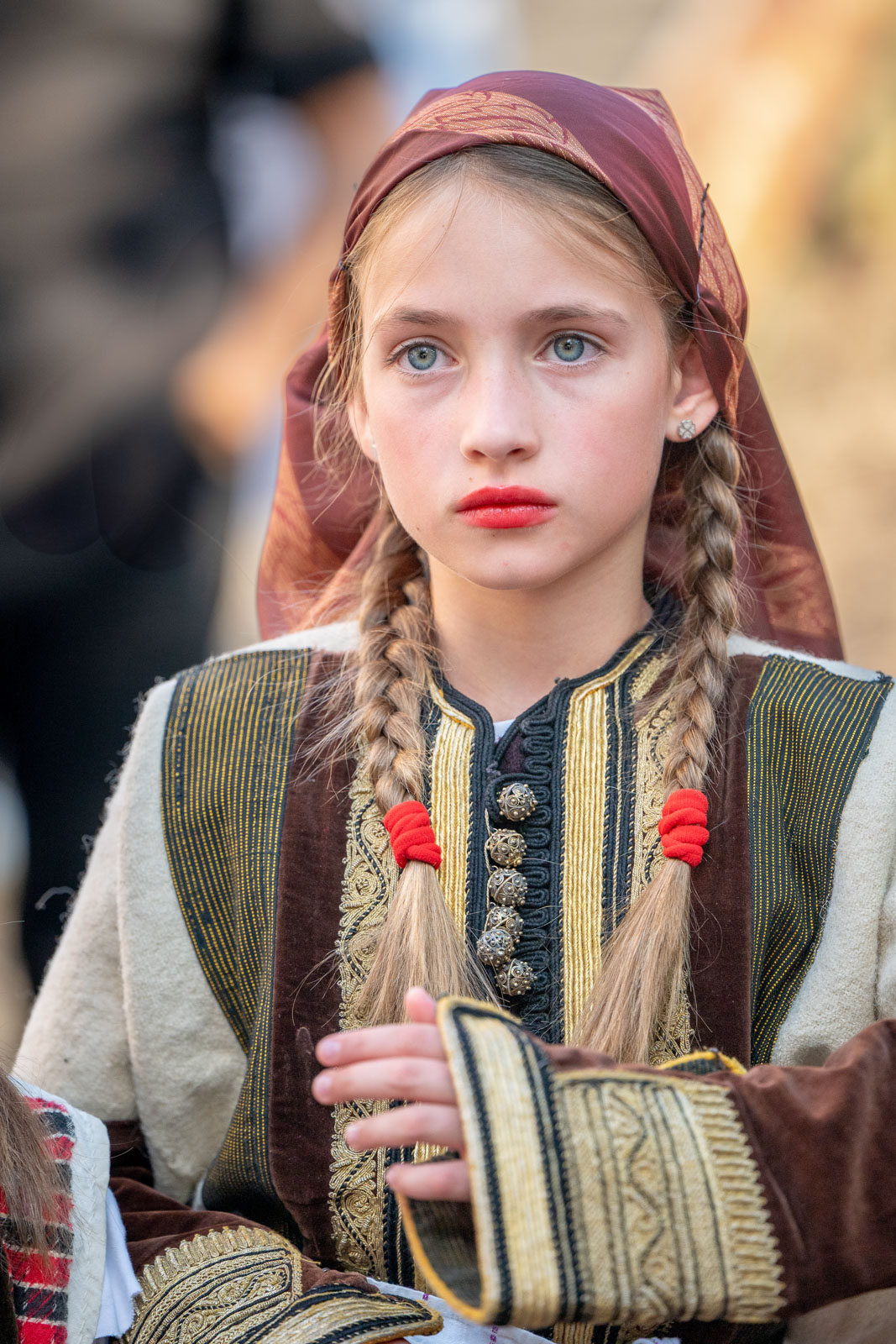
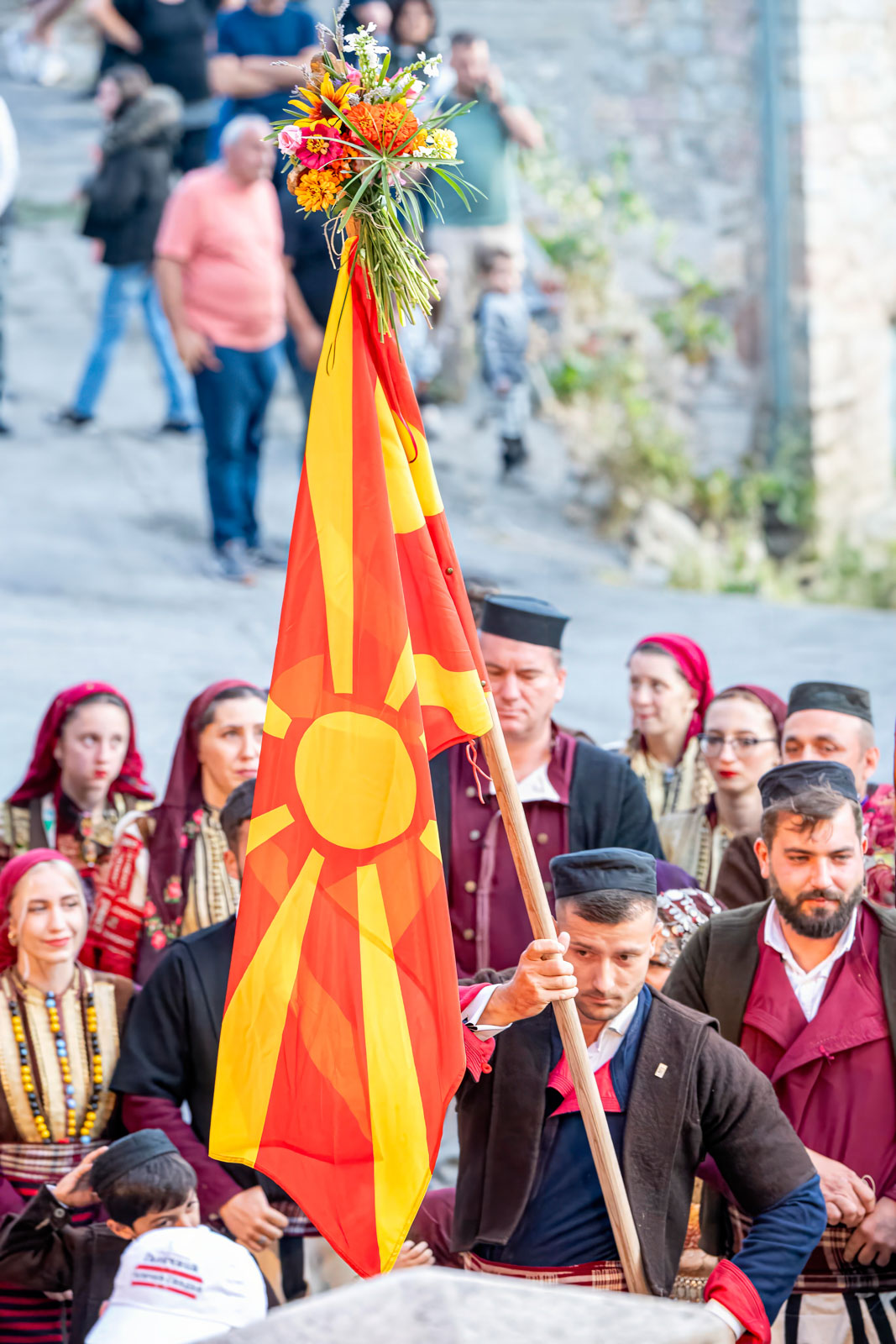
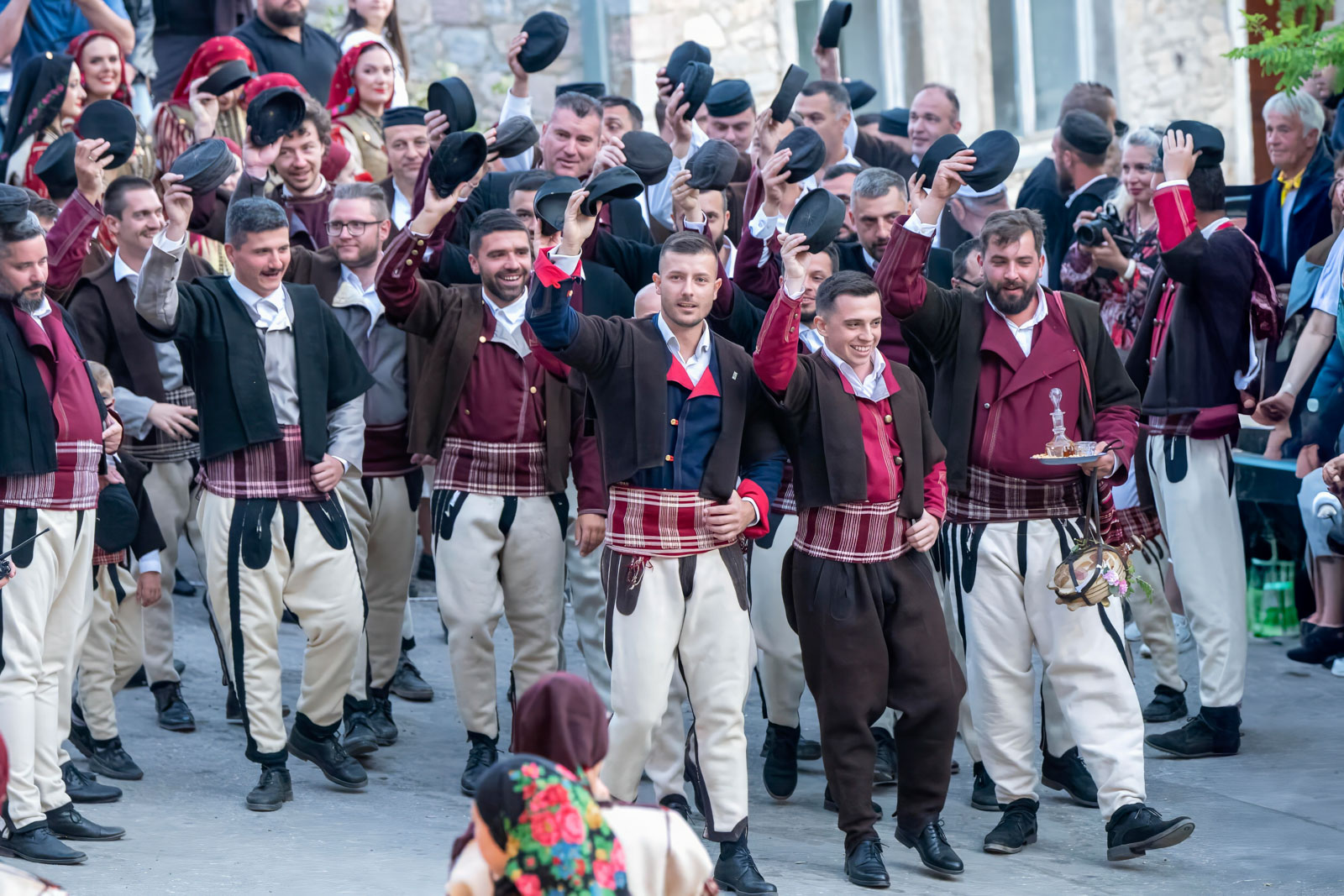
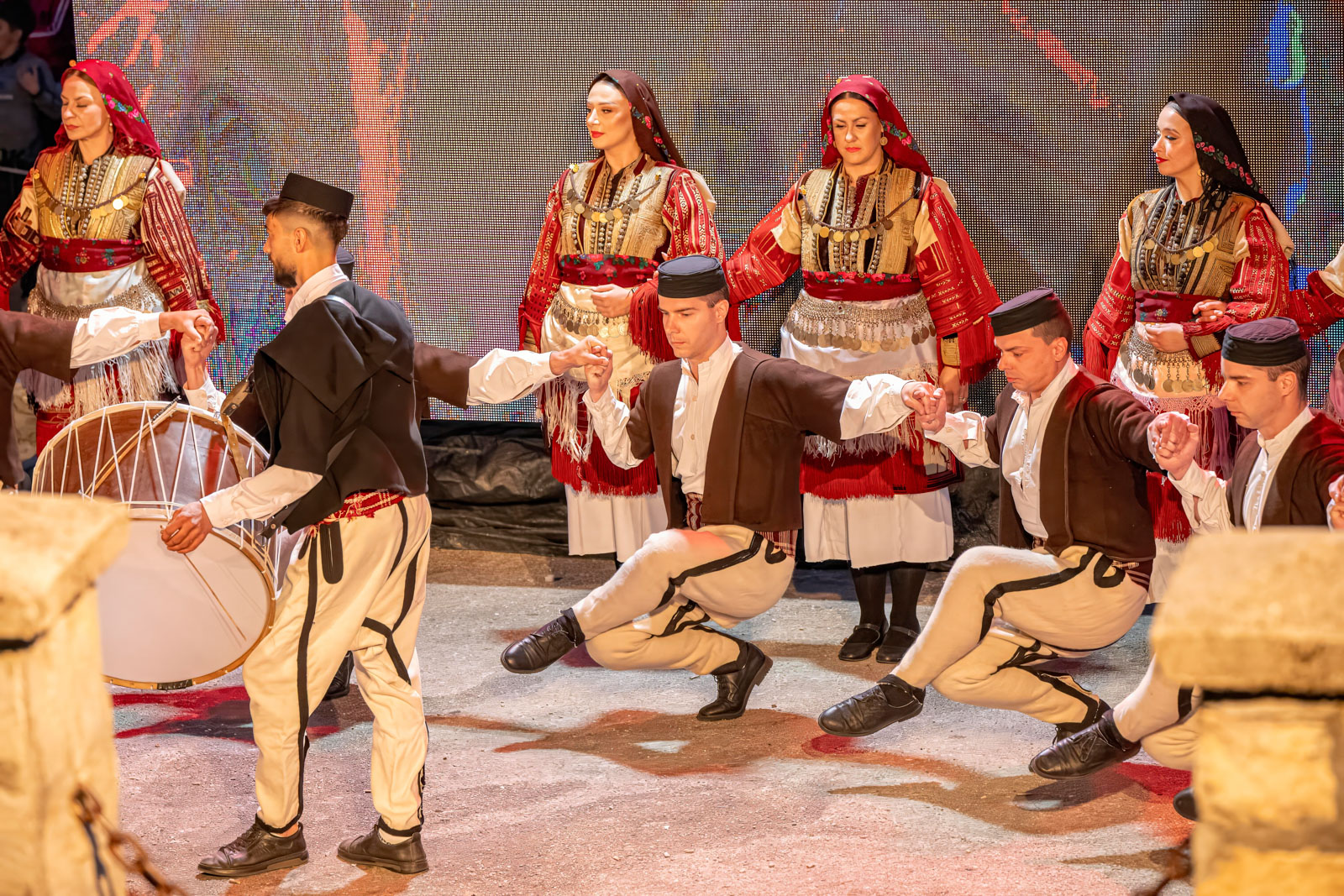
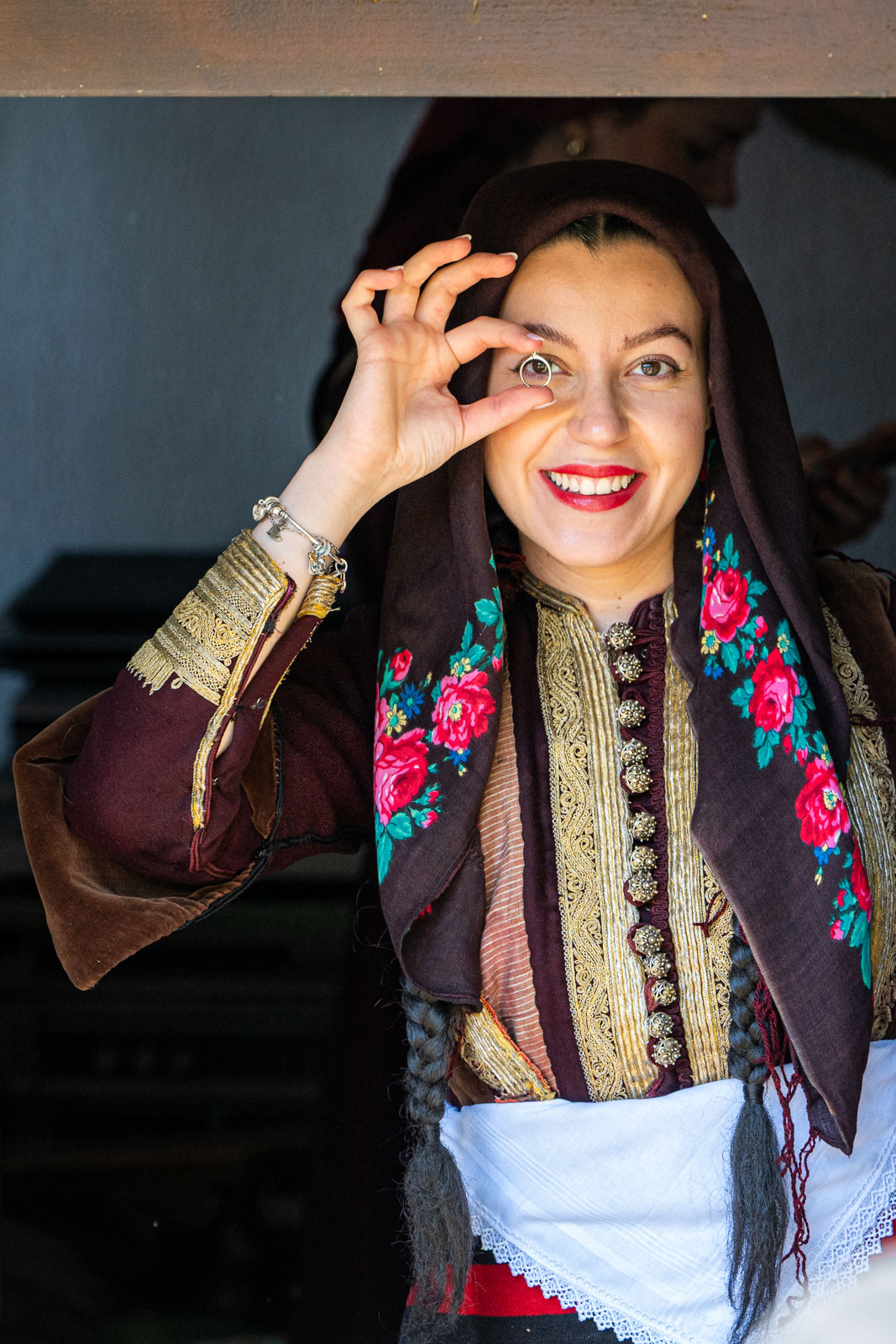
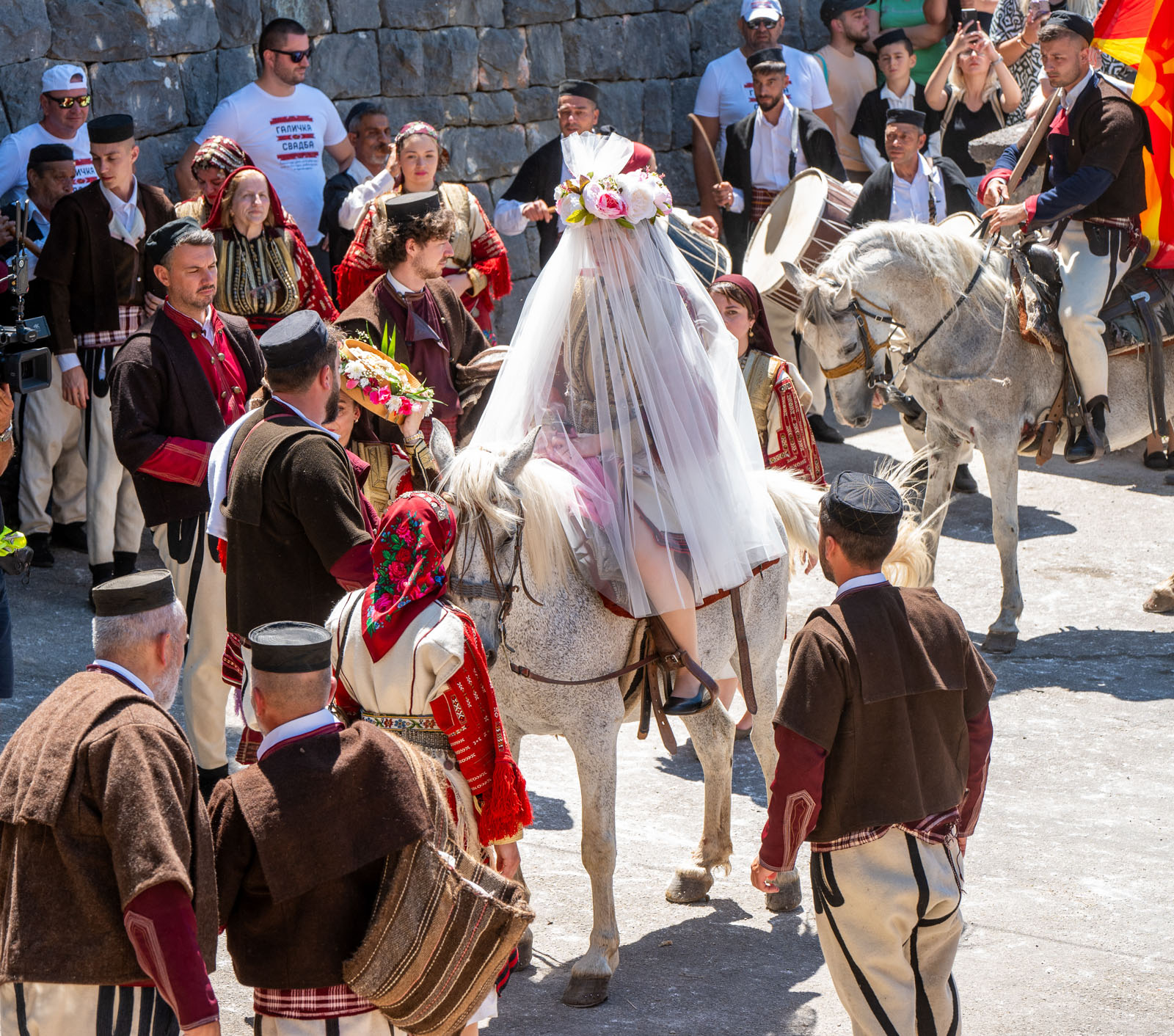
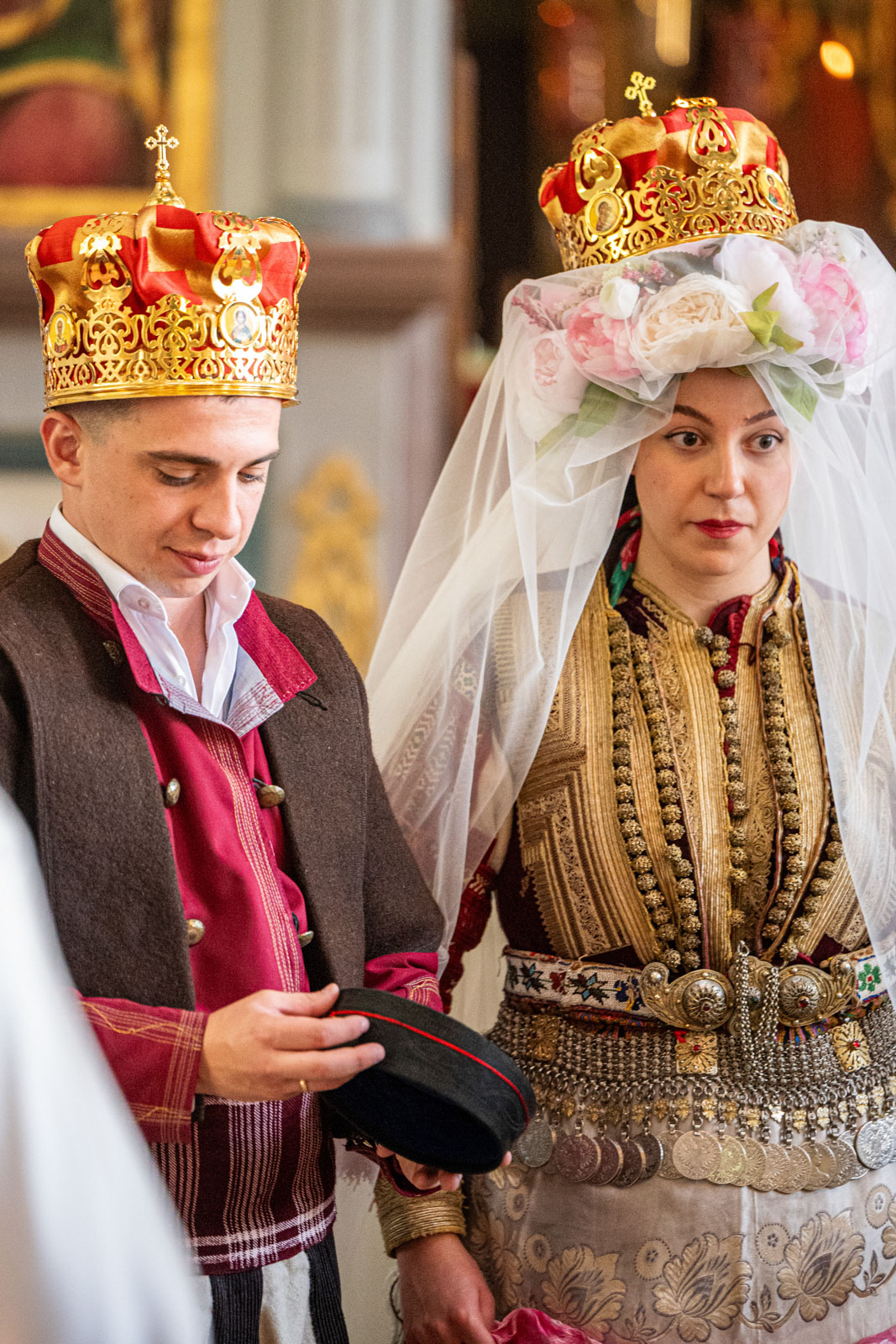
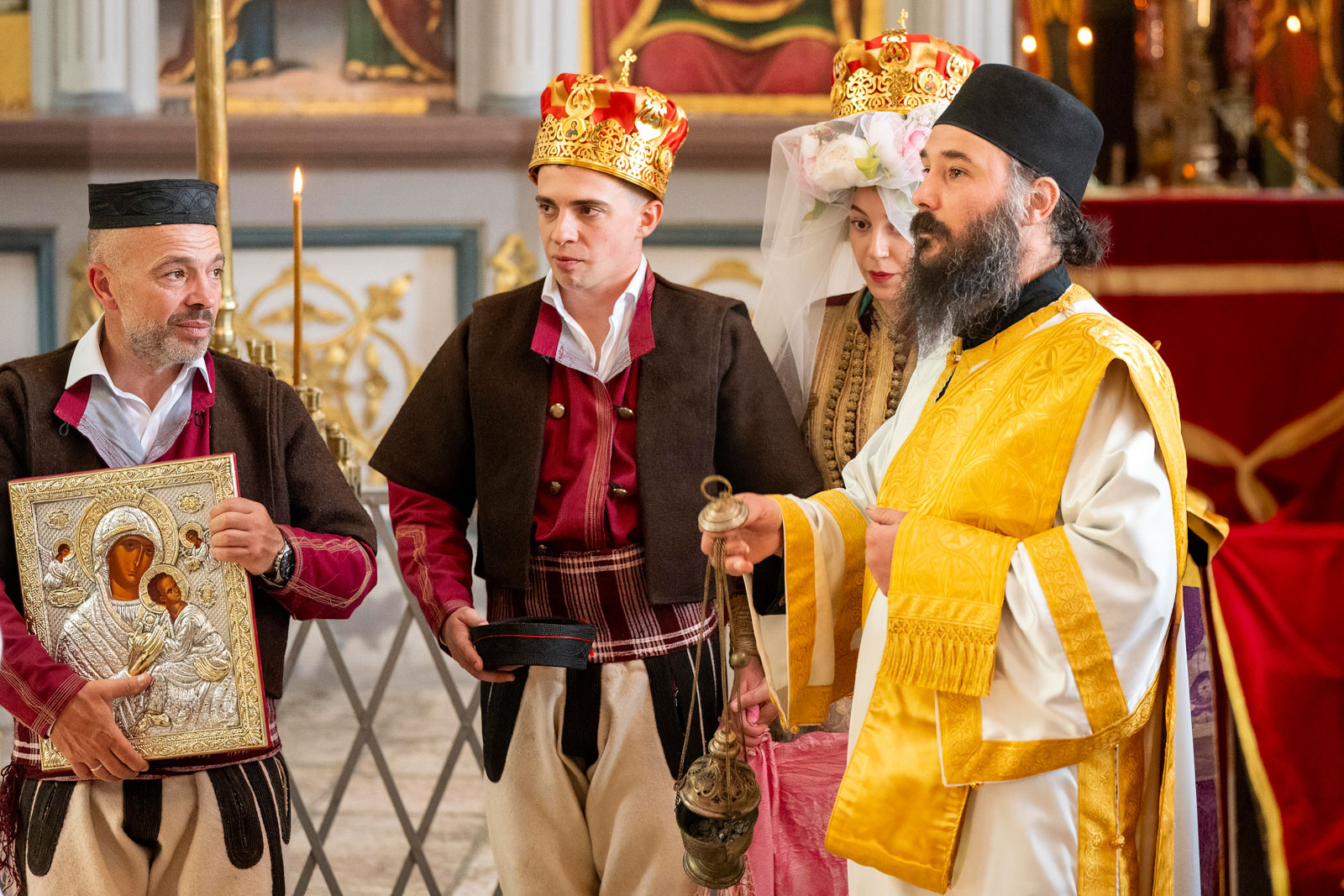
The “Wedding of Galichnik”, is a traditional Macedonian wedding feast that takes place in the small village of Galichnik, located in the mountains of Macedonia. In this tiny village it was traditional to celebrate weddings only once a year, on July 12, St. Peter’s Day according to the Julian calendar. Every year a couple of betrothed originally from the area is chosen, who interpret this tradition. Women wear red, white, and black dresses, while men wear shepherd’s wool pants, waistband, jacket, and headdress. The festival begins on Saturday with the decoration of the flag, placing a cross and a bouquet of flowers on the pole of the same. Then follow two traditional dances, the Nevestinskoto and the Teshkoto, the latter exclusively male dance that owes its name (difficult) both to its meaning, the overcoming of life’s adversities, and to the difficulty of the dance itself, which sees the participants move faster and faster, staying on one leg for most of the time. By now it is dark and a procession of marriage brokers, with torches, heads to the bride’s house to accompany her then, with a veil on her head so as not to be seen by the groom, towards the three fountains of the village to collect water in the jugs. This is a custom that has the meaning of wishing happiness to the family. On Sunday morning, when the groom returns from visiting his deceased relatives, in the square, a relative proceeds to shave the groom, which symbolizes the detachment from the family of origin and the union with the future bride. The groom with all his retinue, on horseback, heads towards the bride’s house bringing gifts to ask her to marry. She looks at the groom through his ring: “I look at you through a ring to enter your heart” She is then dressed in the traditional dress (which can weigh up to 10 kgs) and on horseback she heads towards the church where the religious ceremony will take place. The festival then ends with songs and dances always in the square, and the departure of the drummer and flute players marks the symbolic closure of the wedding ceremony.
ITALIANO
Le nozze di Galichnik
Le “Nozze di Galichnik”, sono una tradizionale festa nunziale macedone che si svolge nel piccolo villaggio di Galichnik, situato nelle montagne della Macedonia. In questo minuscolo villaggio era tradizione celebrare i matrimoni una sola volta l’anno, il 12 luglio, giorno di San Pietro secondo il calendario giuliano.
Ogni anno viene scelta una coppia di promessi sposi originari della zona, che interpretano questa tradizione. Le donne indossano abiti rossi, bianchi e neri , mentre gli uomini vestono pantaloni di lana da pastore, fascia in vita, giacca e copricapo.
La festa inizia il sabato con la decorazione della bandiera, apponendo sull’asta della stessa una croce ed un mazzo di fiori. Si susseguono poi due danze tradizionali, il Nevestinskoto e il Teshkoto, quest’ultima danza esclusivamente maschile che deve il suo nome (difficile ) sia al suo significato , il superamento delle avversità della vita, sia alla difficoltà della danza stessa, che vede i partecipanti muoversi sempre più velocemente, stando per gran parte del tempo su una sola gamba.
Ormai è buio e un corteo di mediatori matrimoniali , con torce, si dirige alla casa della sposa per accompagnarla poi, con un velo in testa per non farsi vedere dallo sposo, verso le tre fontane del paese per raccogliere acqua nelle brocche. Questa è una usanza che ha il significato di augurare felicità alla famiglia.
La domenica mattina, al ritorno dello sposo dalla visita ai parenti defunti, nella piazzetta, un parente procede alla rasatura dello sposo, che sta a simboleggiare il distacco dalla famiglia d’origine e l’unione con la futura sposa.
Lo sposo con tutto il suo seguito, a cavallo, si dirige verso la casa della sposa portando doni per chiederla in sposa. Lei guarda lo sposo attraverso il suo anello : “ti guardo attraverso un anello per entrare nel tuo cuore “
Viene poi vestita con l’abito tradizionale (che arriva a pesare anche 10 kgs) e a cavallo si dirige verso la chiesa dove avverrà la cerimonia religiosa.
La festa si conclude poi con canti e danze sempre nella piazza, e la partenza dei suonatori dei tamburi e flauti segna la chiusura simbolica della cerimonia nunziale.