Maura Bartoli – The Park at the End of the World
When I thought of Patagonia, I imagined a vast country, with large inhospitable areas beaten by constant icy winds. From the diaries of Bruce Chatwin and Charles Darwin a unique territory emerges: the infinite and unspoiled landscapes, the extensive glaciers, the peaks of the Andean Chain with rocky profiles, and the great lakes with turquoise or cobalt blue waters.
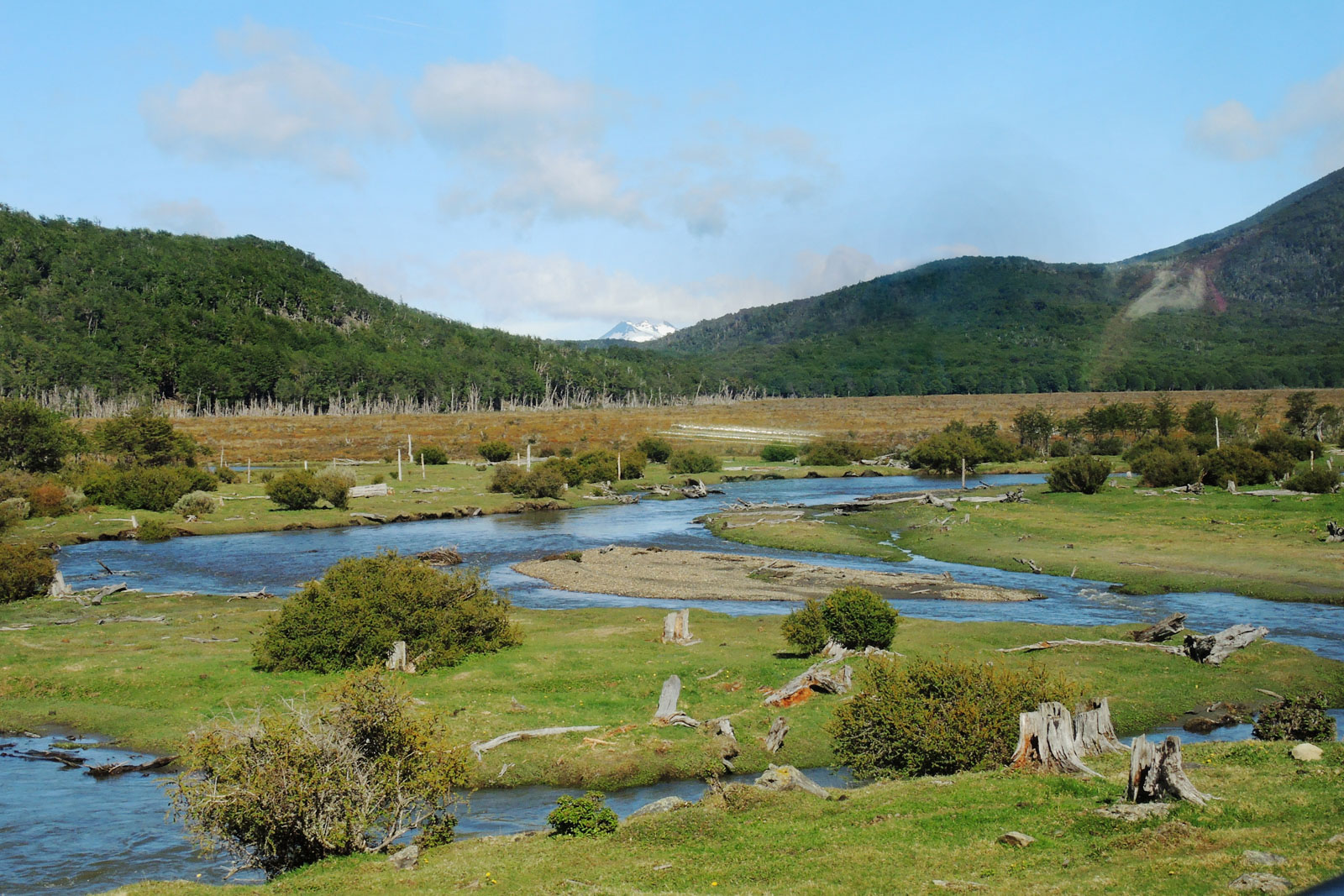
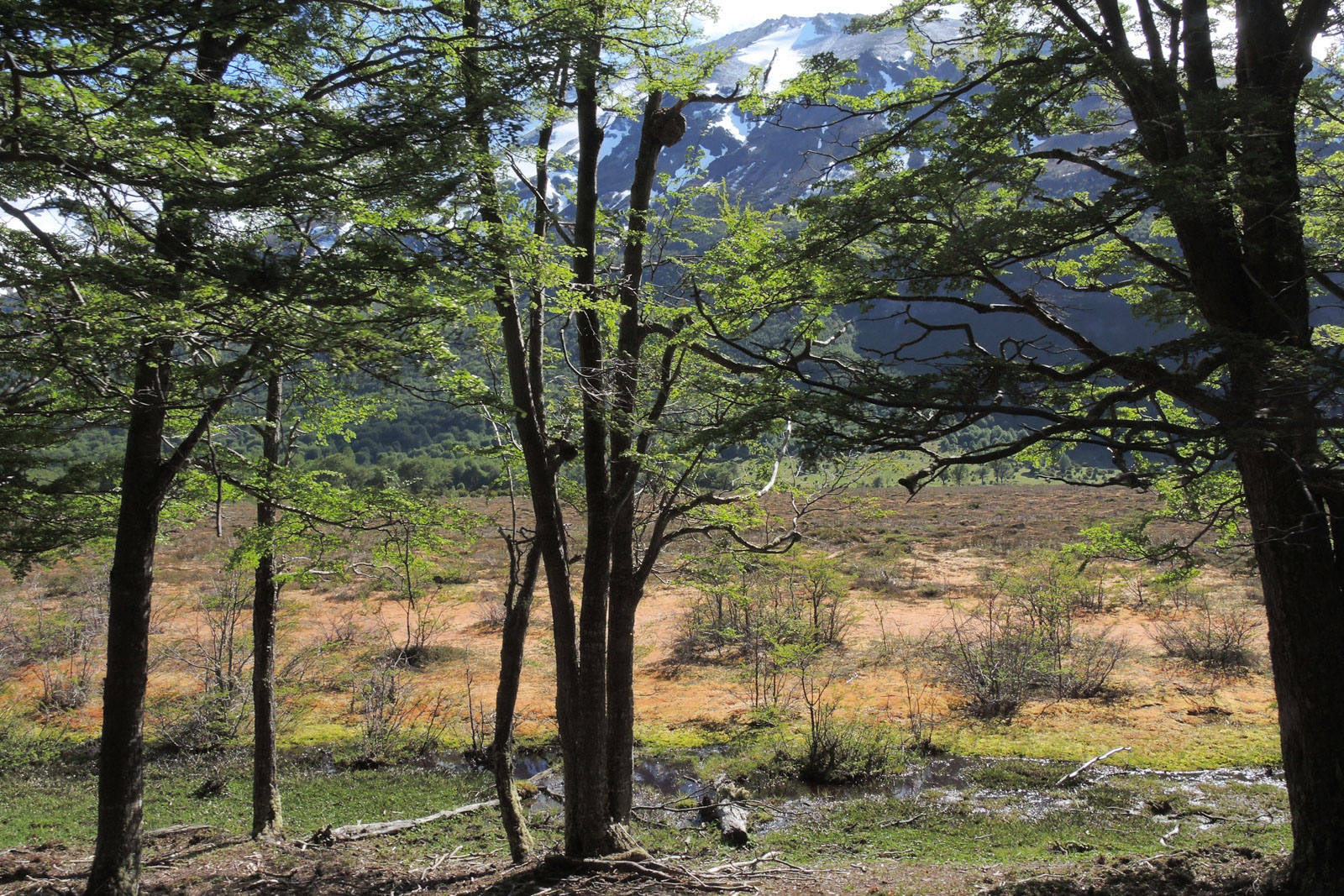
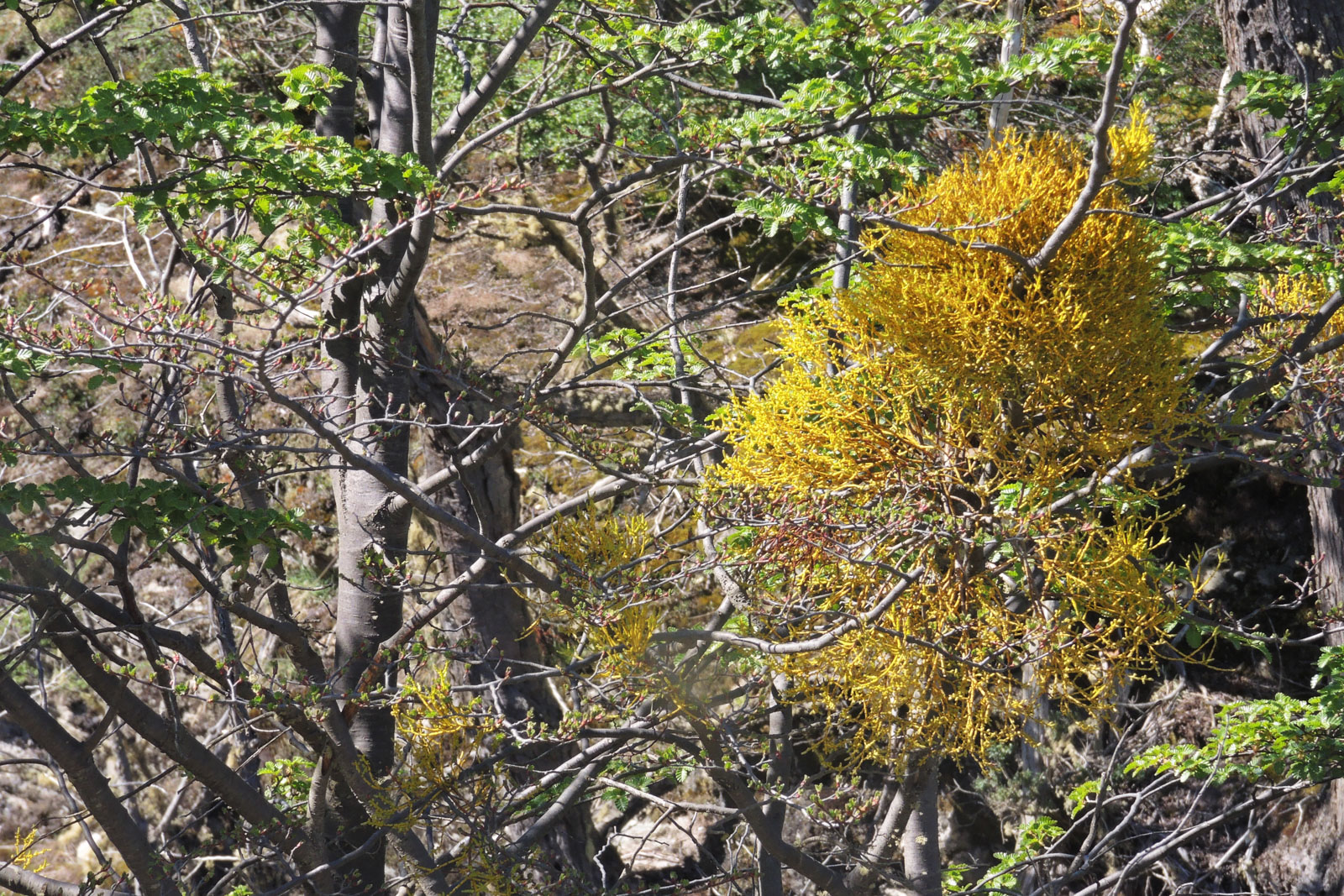
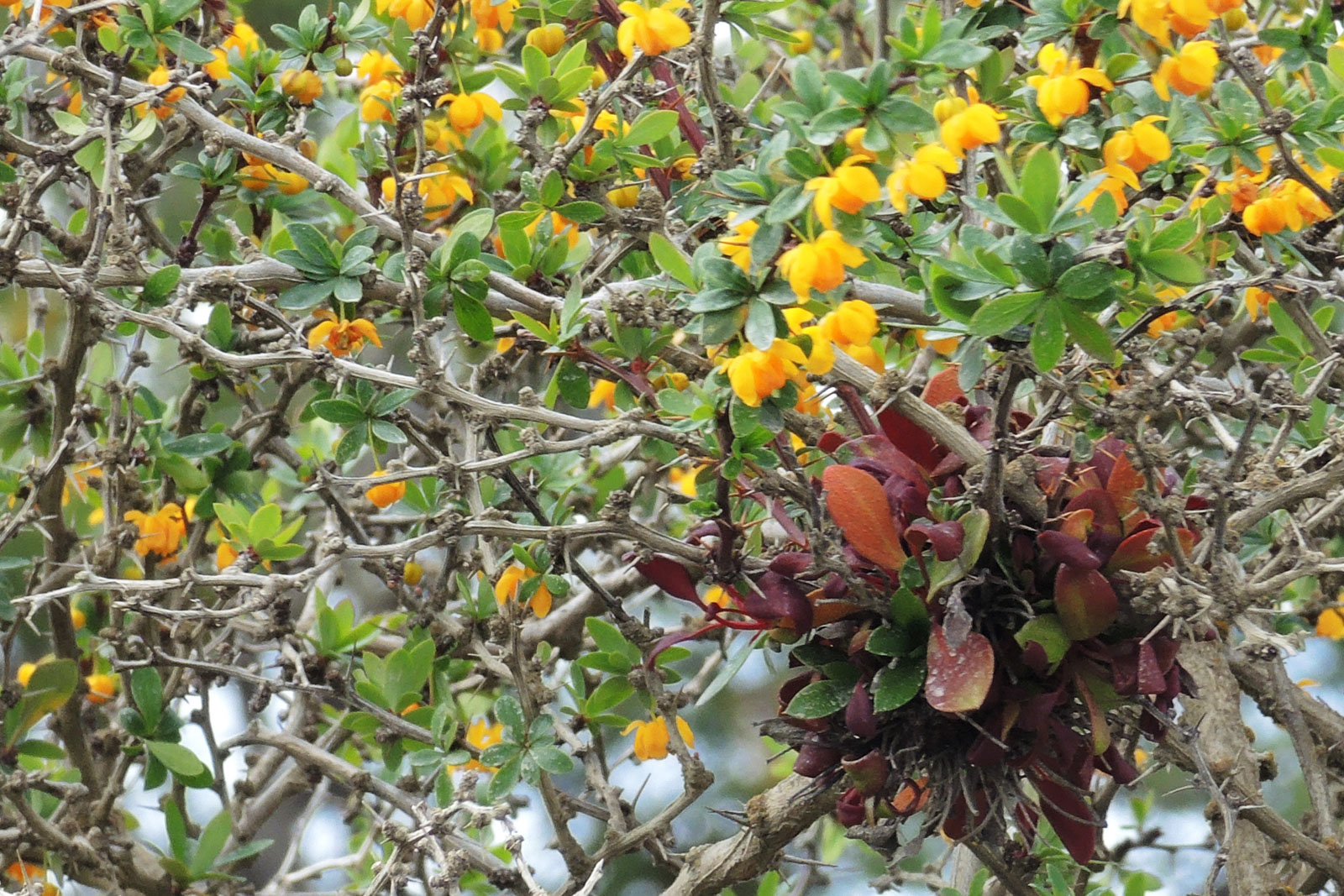
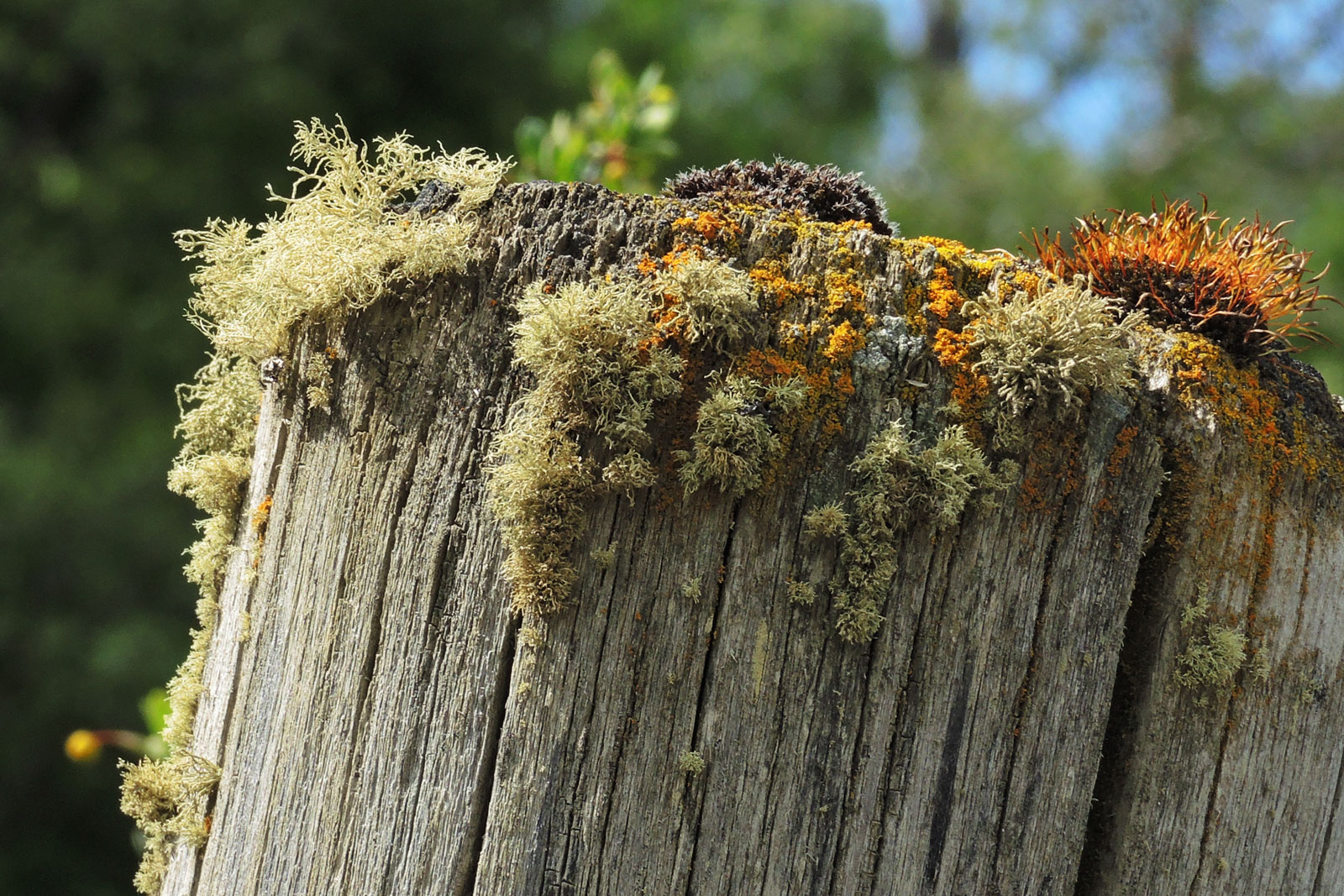
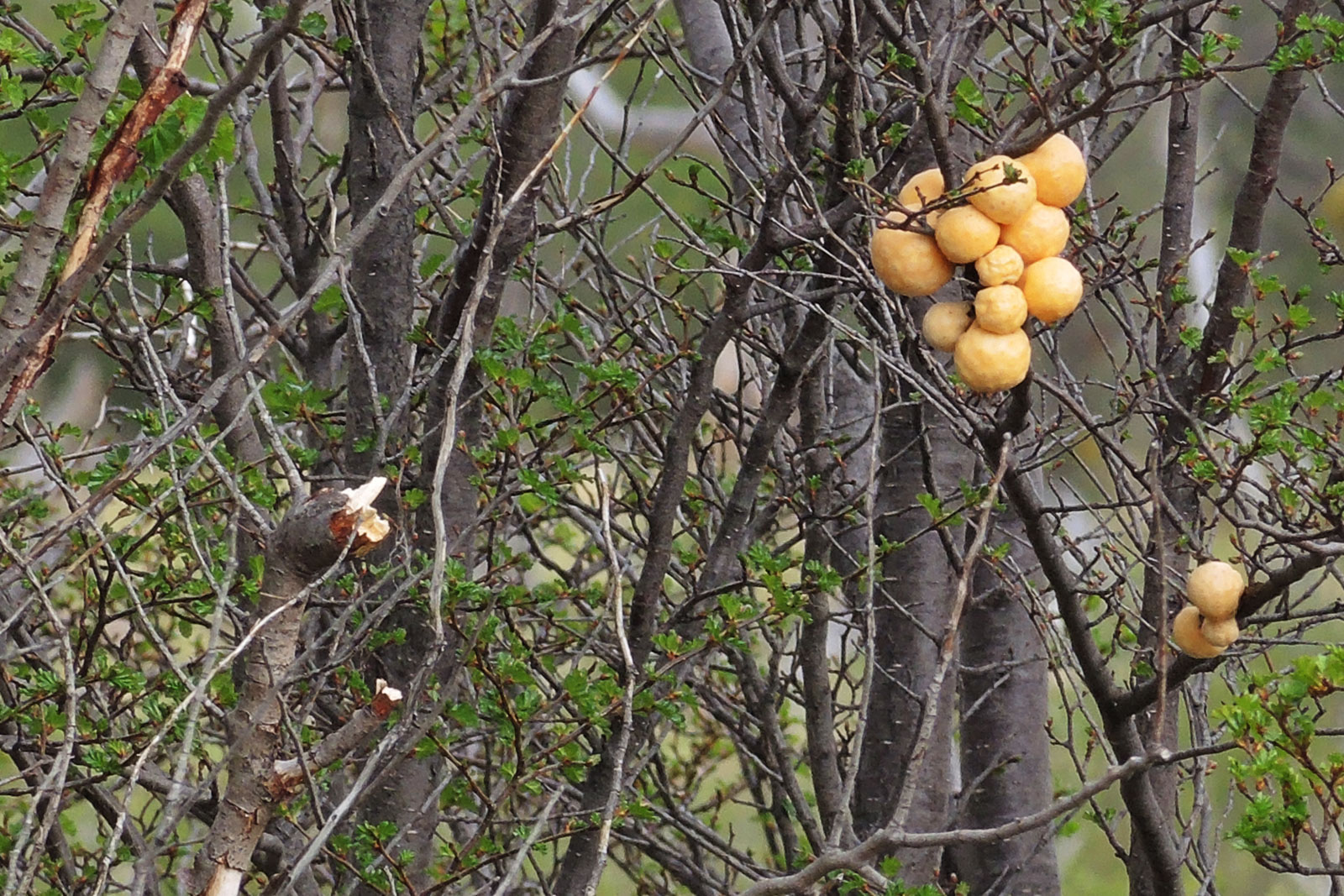
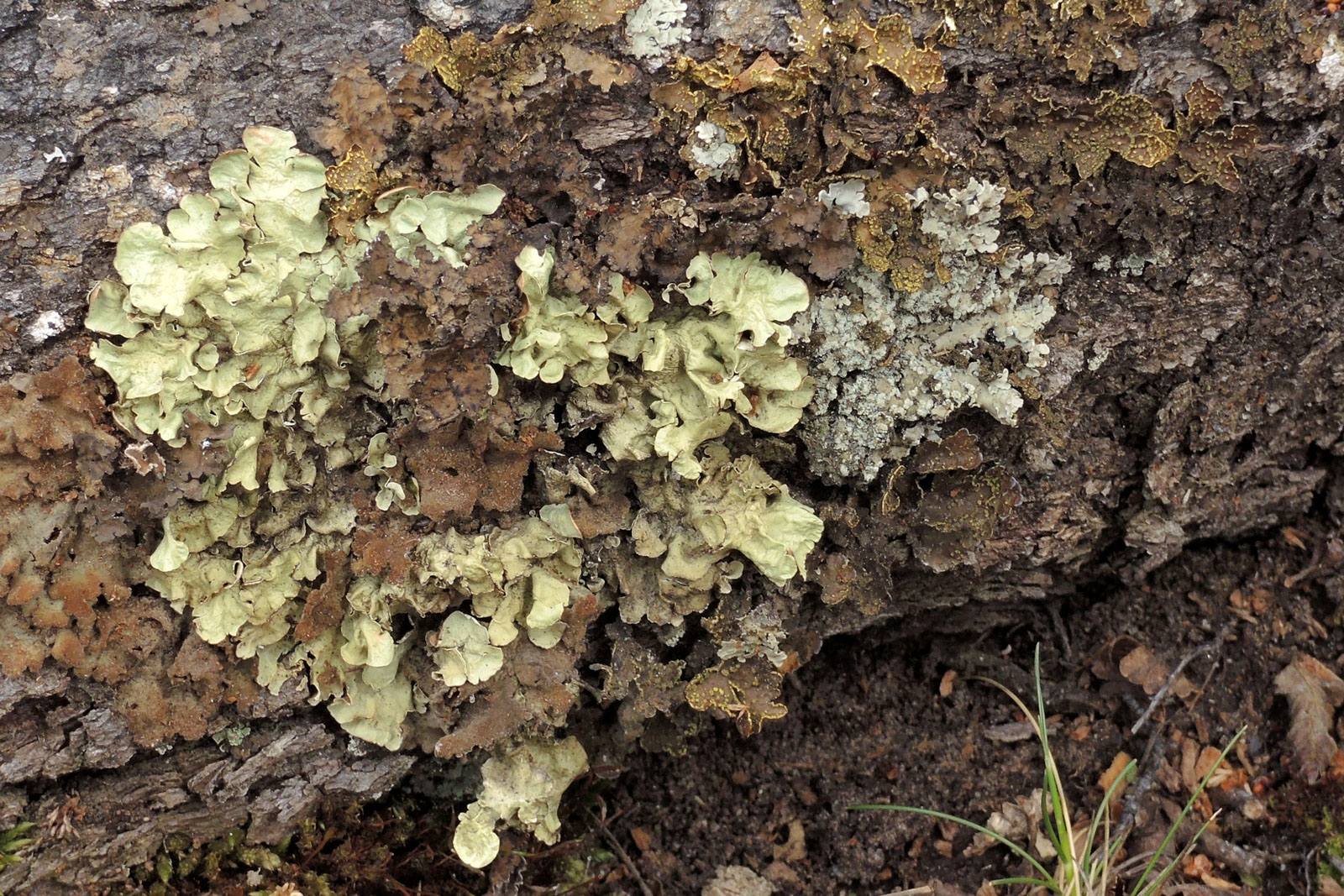
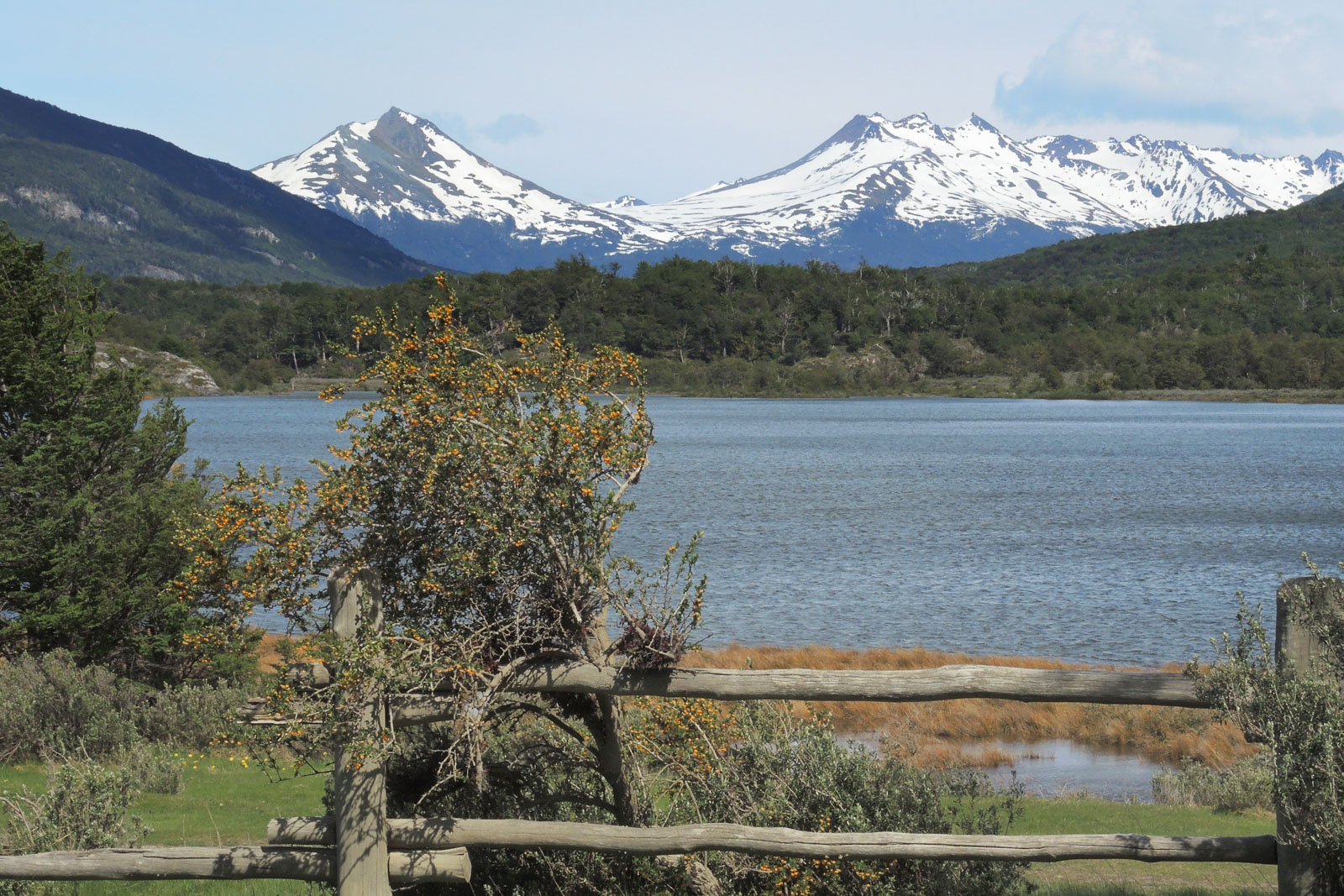
The “Park of the End of the World”, which I visited on a clear November day, can be traveled with an old train that ventures through marshy lagoons, peat bogs and “lenga” trees (Nothofagus Pumilio) whose bare trunks are reflected in shallow waters, barely rippled by the light and icy wind that comes from the snow-capped peaks not far away. Patches of bright green young meadows contrast with the dark green of the forest canopies that grow at the foot of the mountains, and deep blue pools reflect the often cloudless sky. The sunlight that penetrates through the leaves of the trees, illuminates the undergrowth and brings out the jagged lace of the lichens, draws dense mosses whose peduncles look like miniature forests and caresses the long “old man’s beards”. I was excited and intrigued by the discovery of the flora of Southern Patagonia which, despite experiencing a short season during which the flowers are dressed in intense colors, the bushy plants with long thorns protect inflorescences of many shapes and the trees with small bright and waxy leaves host mosses and lichens of different sizes and shades, it presented so much variety making these places unique.
Il Parco alla Fine del Mondo
Quando pensavo alla Patagonia immaginavo un paese vasto, con ampie zone inospitali e battute da costanti venti gelidi. Dai diari di Bruce Chatwin e Charles Darwin emerge un territorio unico: i paesaggi infiniti e incontaminati, gli estesi ghiacciai, le cime della Catena Andina dai profili rocciosi, e i grandi laghi dalle acque turchesi o blu cobalto.
Il “Parco della Fine del Mondo”, che ho visitato in una chiara giornata di novembre, si percorre con un vecchio trenino che si avventura tra lagune paludose, torbiere e alberi “lenga” ( Nothofagus Pumilio) i cui tronchi spogli si specchiano in acque poco profonde, appena increspate dal vento leggero e gelido che giunge dalle cime innevate poco lontane. Chiazze di prati giovani dal verde luminoso contrastano con il verde cupo delle chiome dei boschi che crescono ai piedi delle montagne e pozze blu intenso riflettono il cielo spesso senza nuvole. La luce del sole che penetra tra le foglie degli alberi, illumina il sottobosco e fa emergere il merletto frastagliato dei licheni, disegna fitti muschi i cui peduncoli sembrano foreste in miniatura e accarezza le lunghe “barbe di vecchio”. Mi ha emozionato e incuriosito la scoperta della flora del Sud della Patagonia che, pur vivendo una breve stagione durante la quale i fiori si vestono di colori intensi, le piante cespugliose dalle lunghe spine proteggono infiorescenze dalle molte forme e gli alberi dalle piccole foglie brillanti e cerose ospitano muschi e licheni dalle diverse dimensioni e sfumature, presentava tanta varietà rendendo questi luoghi unici.