Maurizio Trifilidis-The Lost Childhood of Mundari Children
The Lost Childhood of Mundari Children
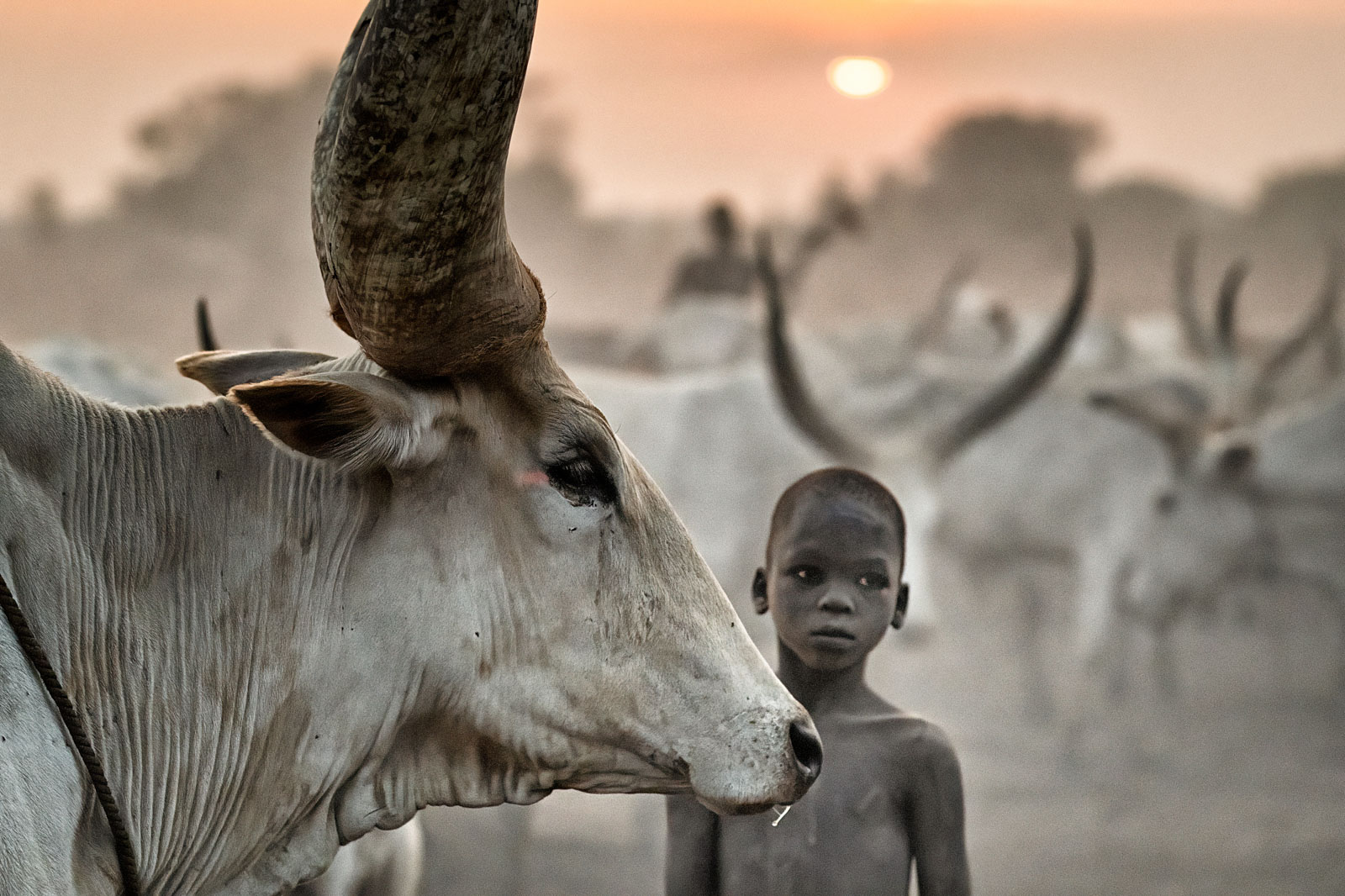
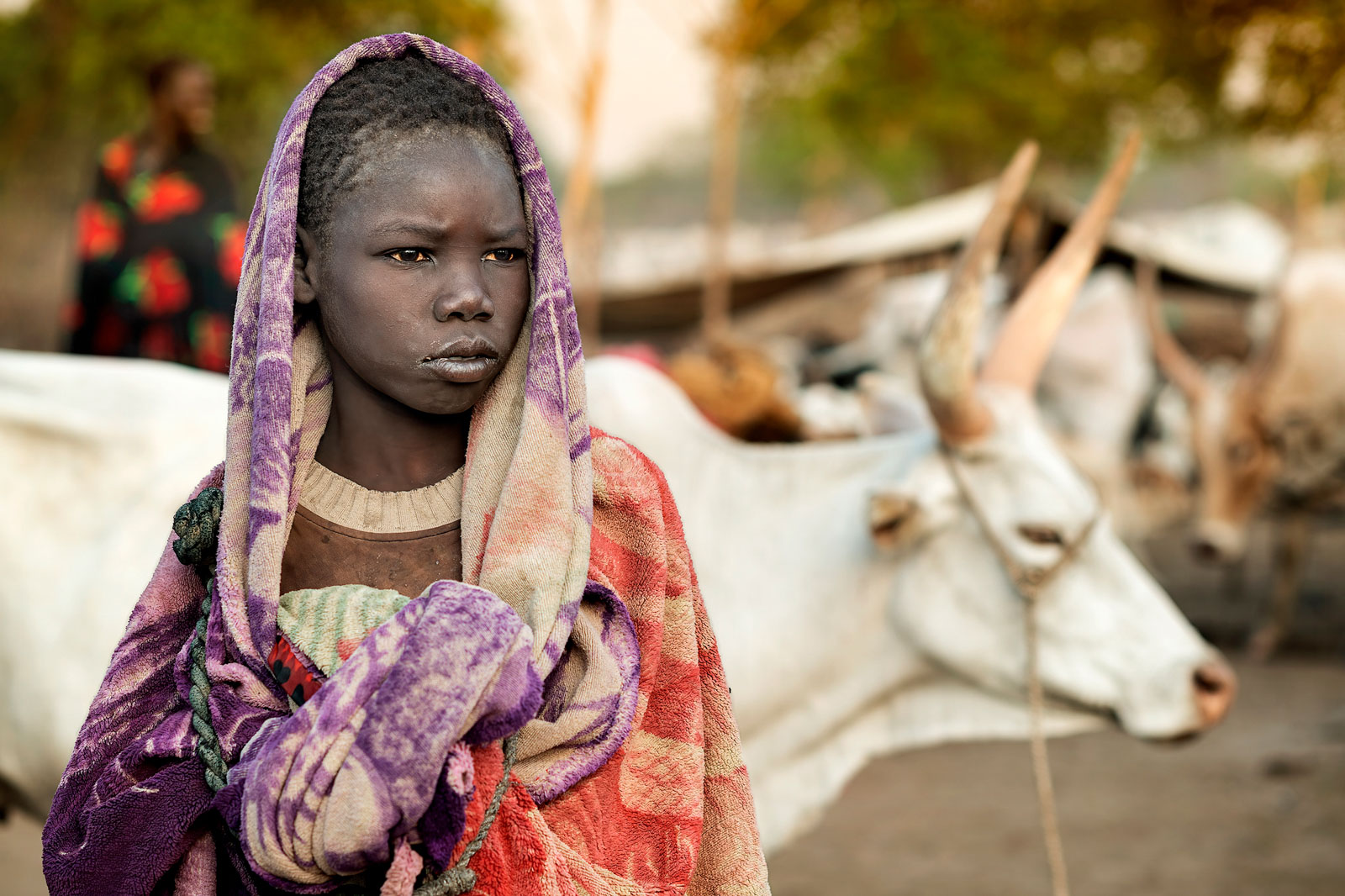
The liveliness and joyfulness of children, despite the diversity of peoples and geographical location, is always very similar whatever they do and for them the school process is a generalized fact. On the other hand, the Mundari children – a semi-nomadic ethnic group closely linked to traditional pastoral activities – face daily tasks, jobs and challenges from an early age with an early assumption of responsibility and their education is limited to the family environment.
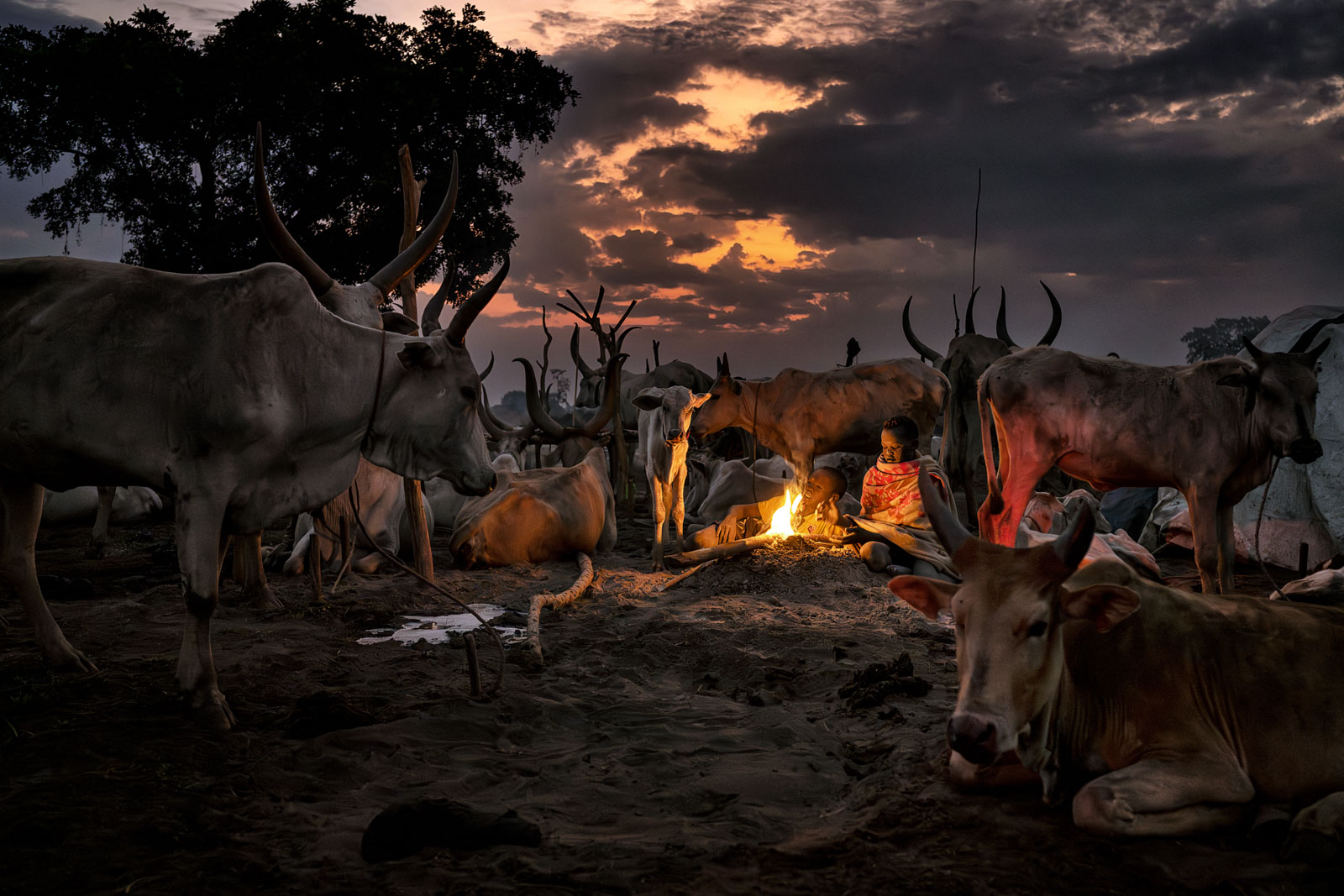
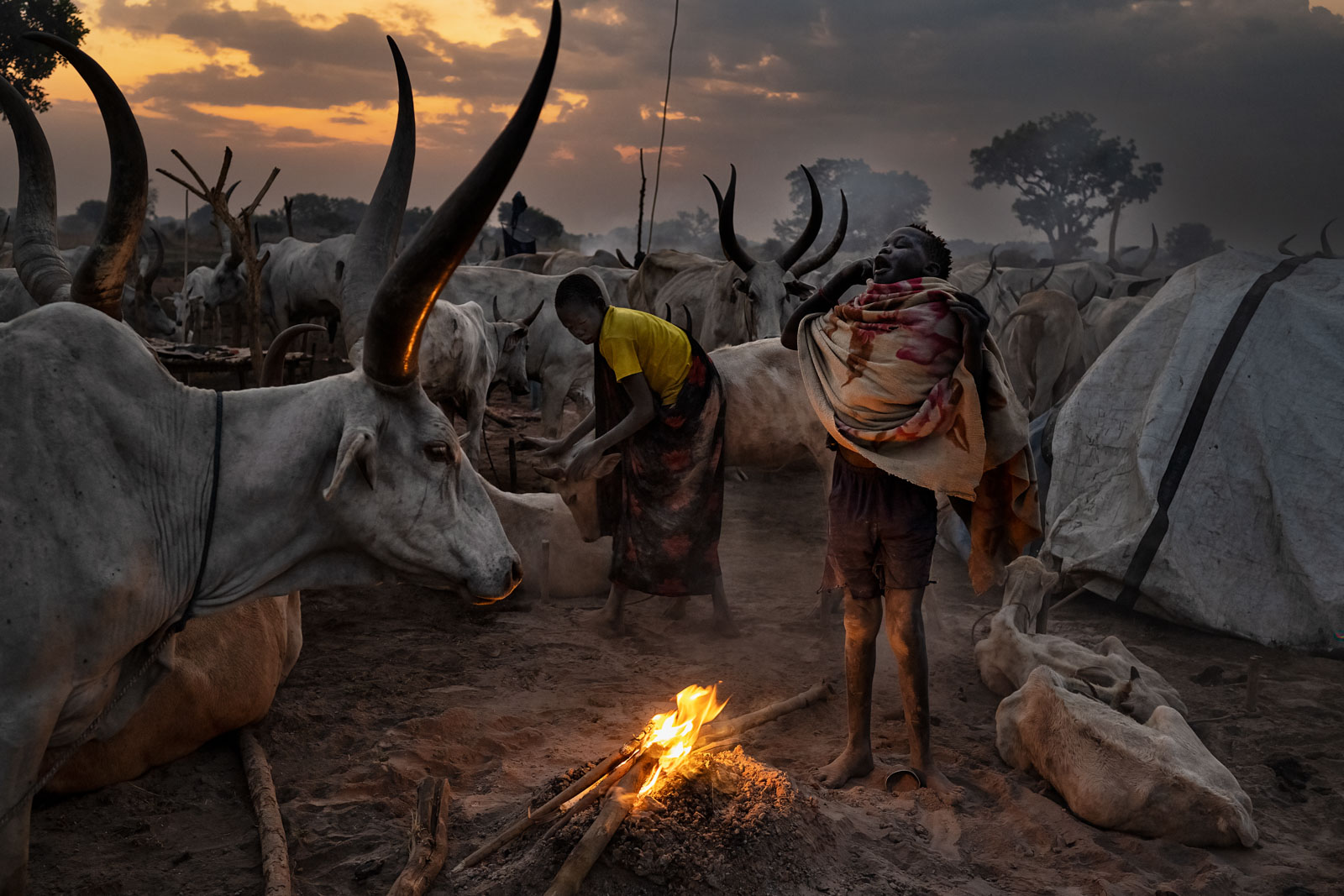
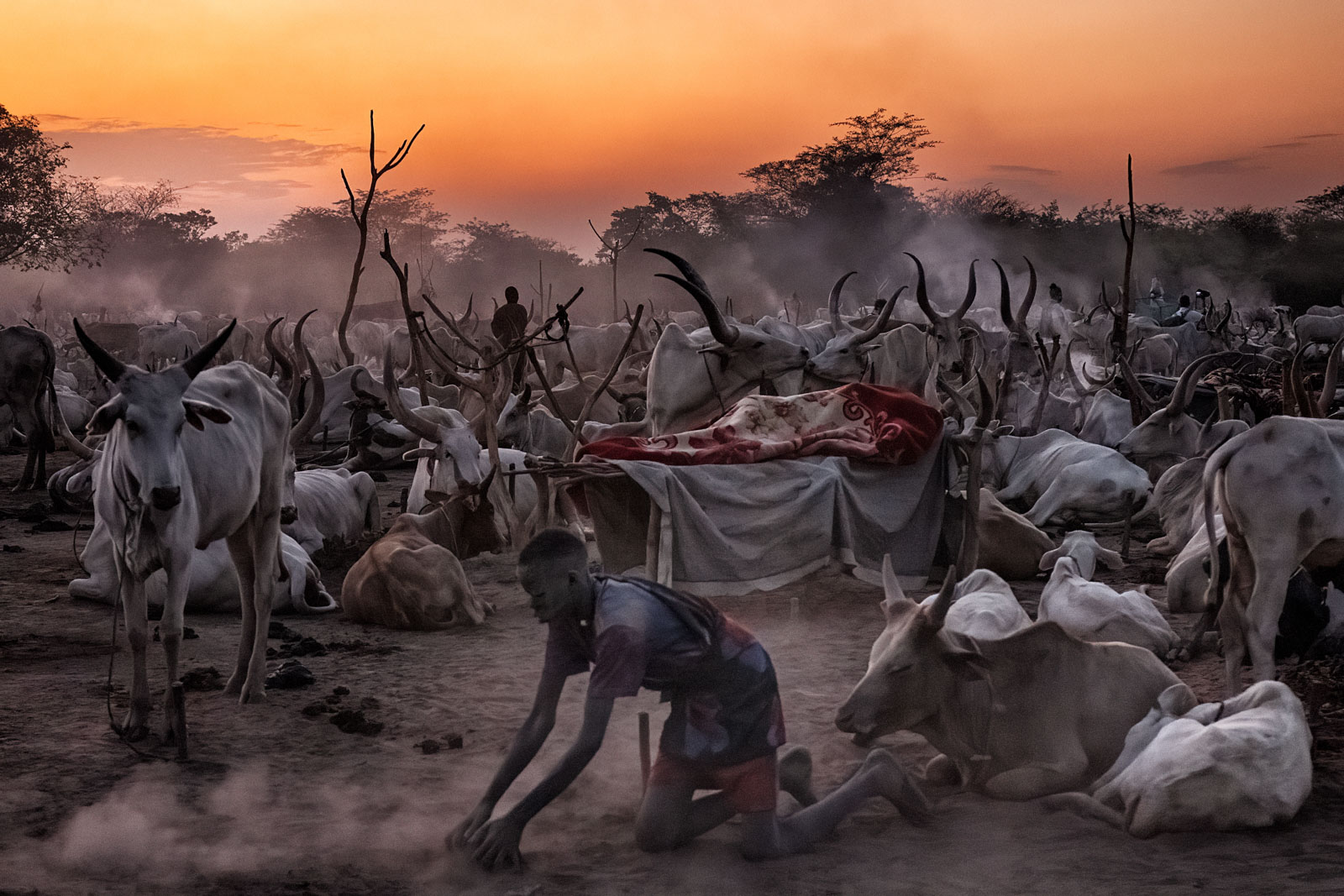
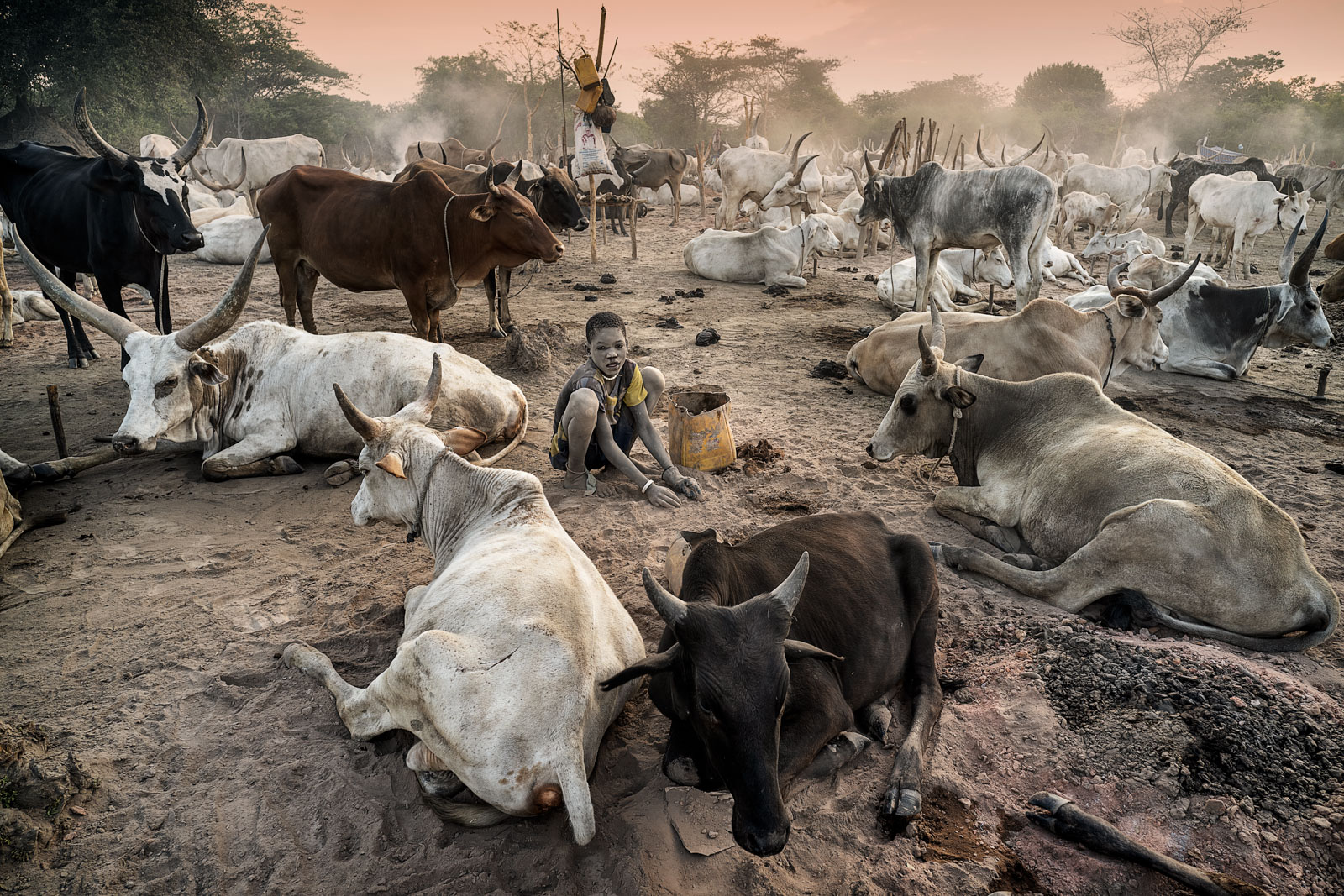
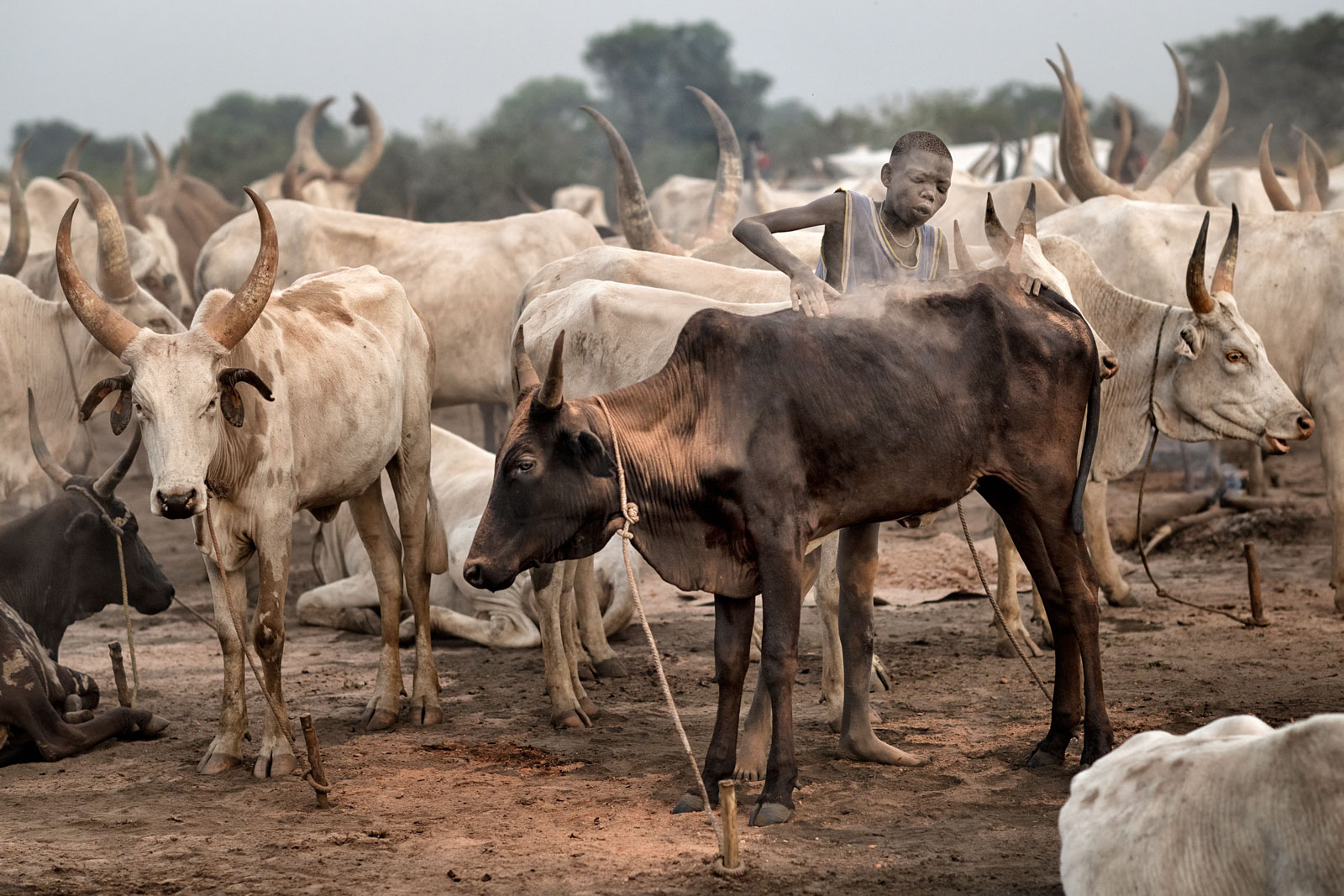
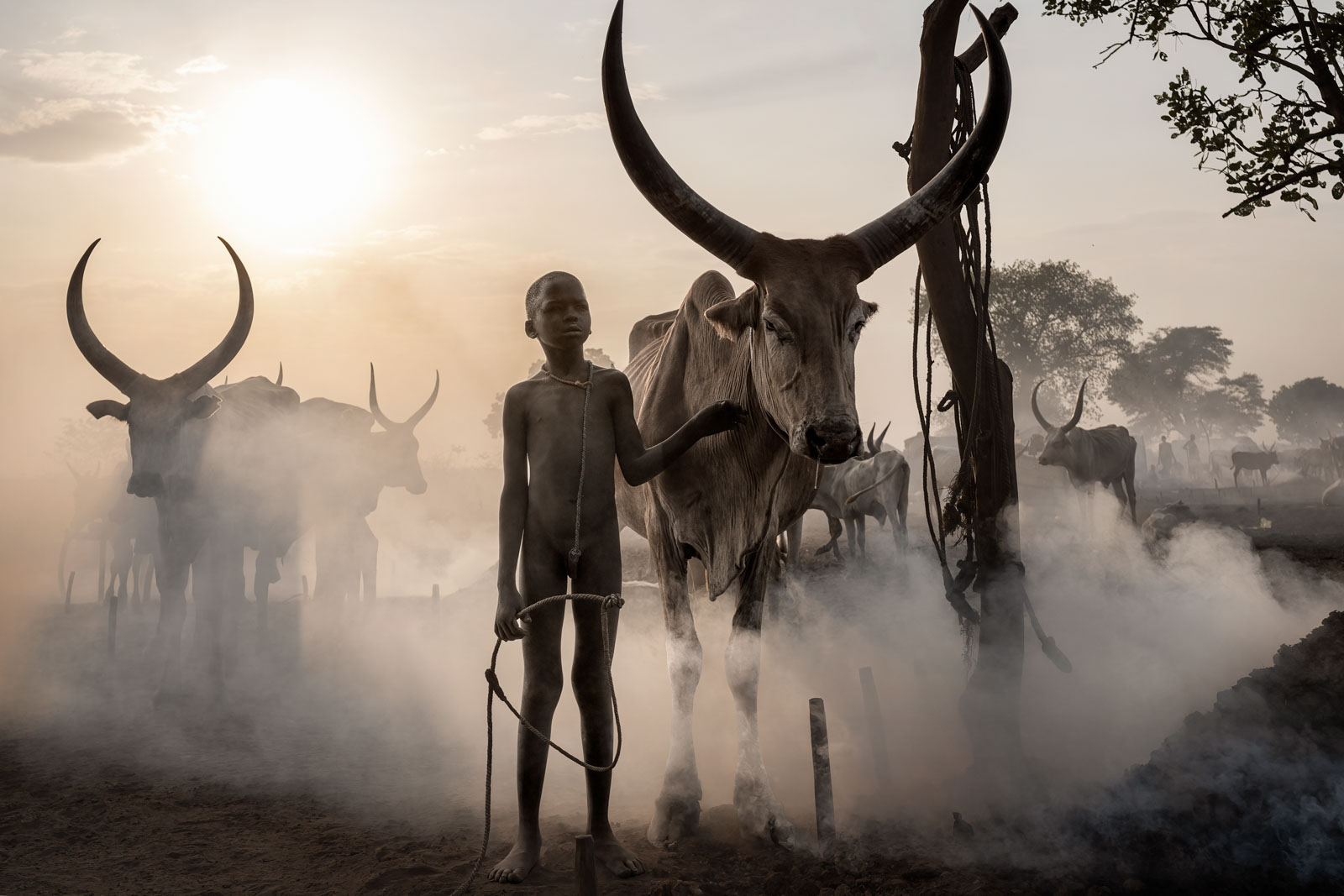
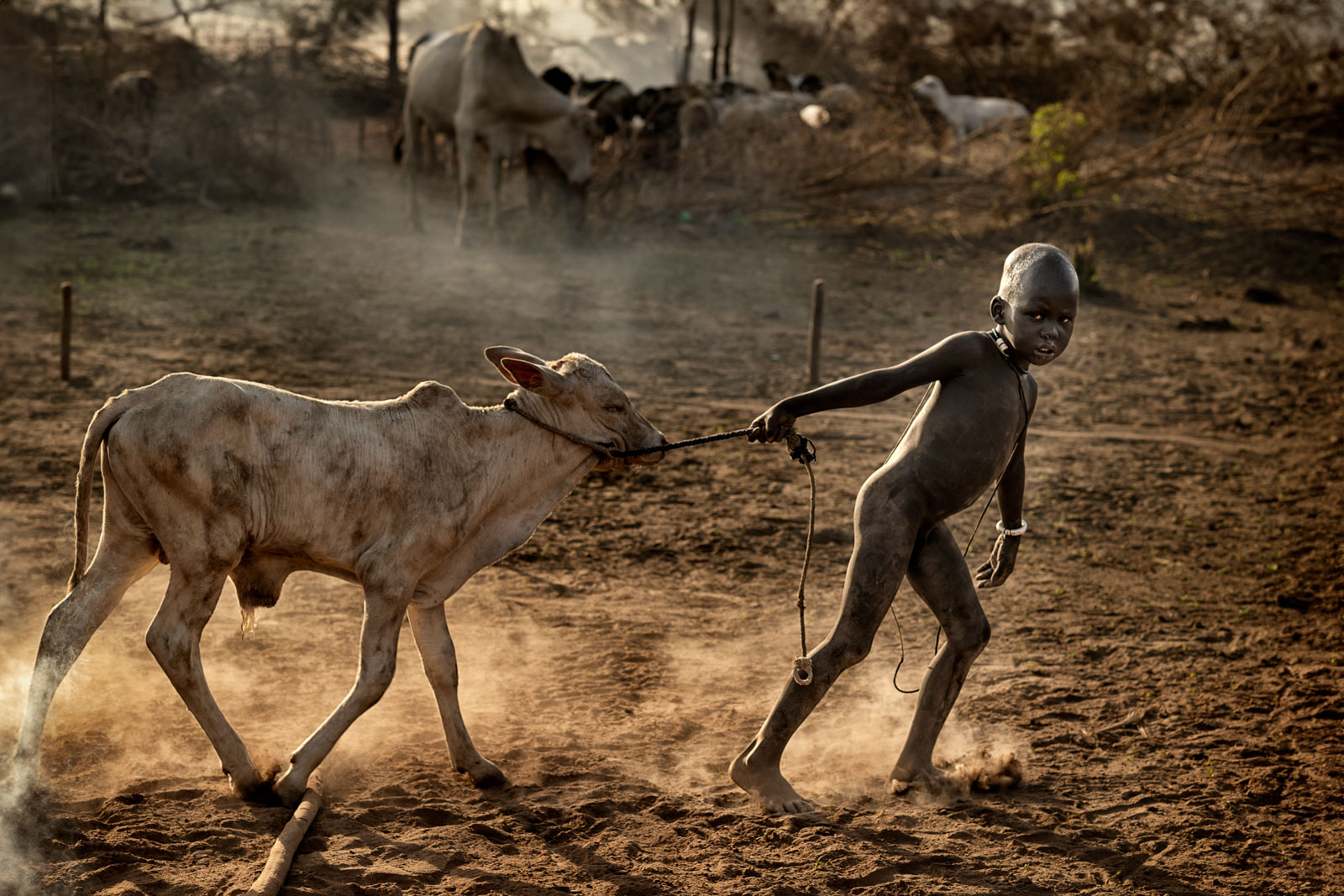
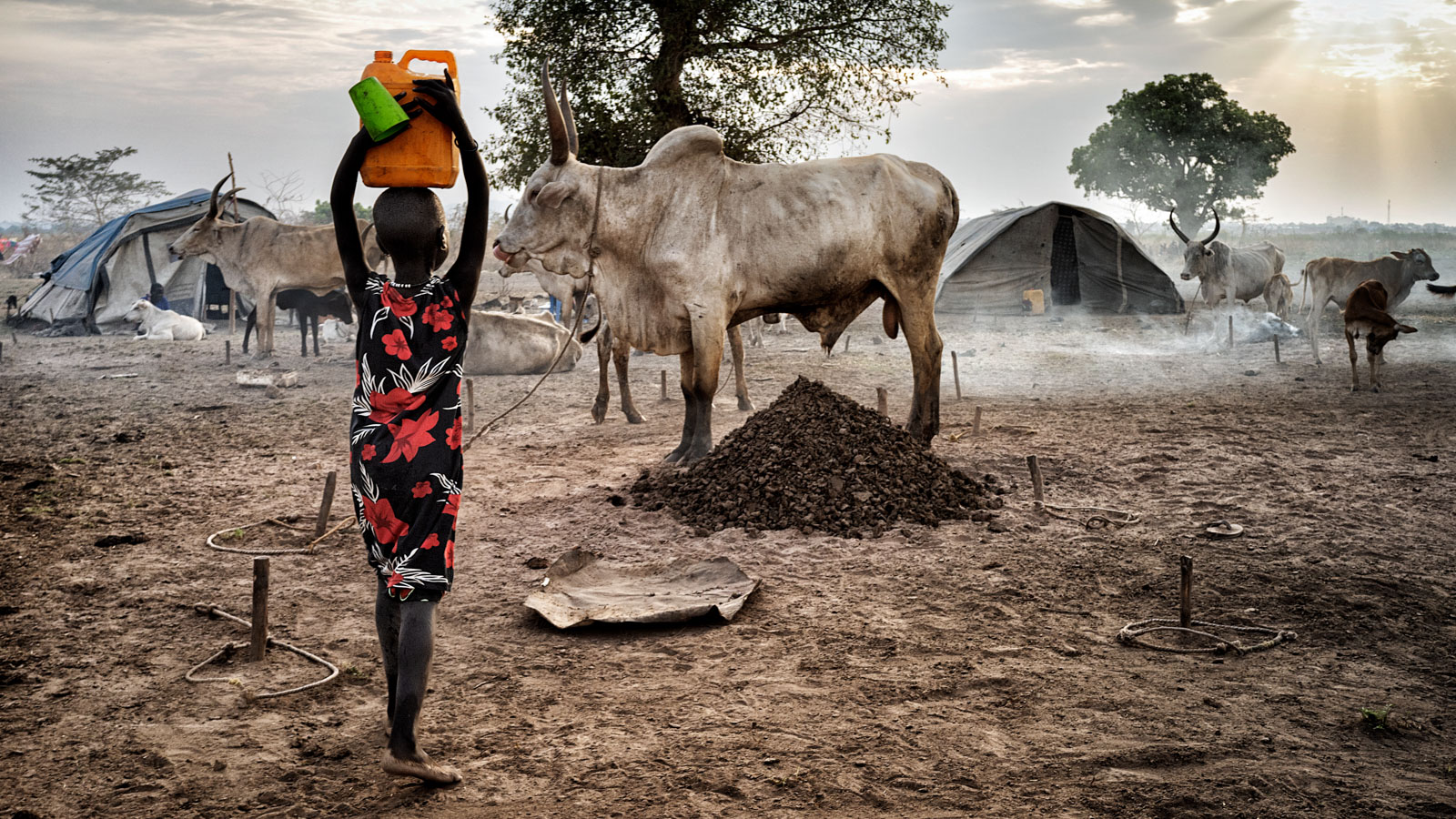
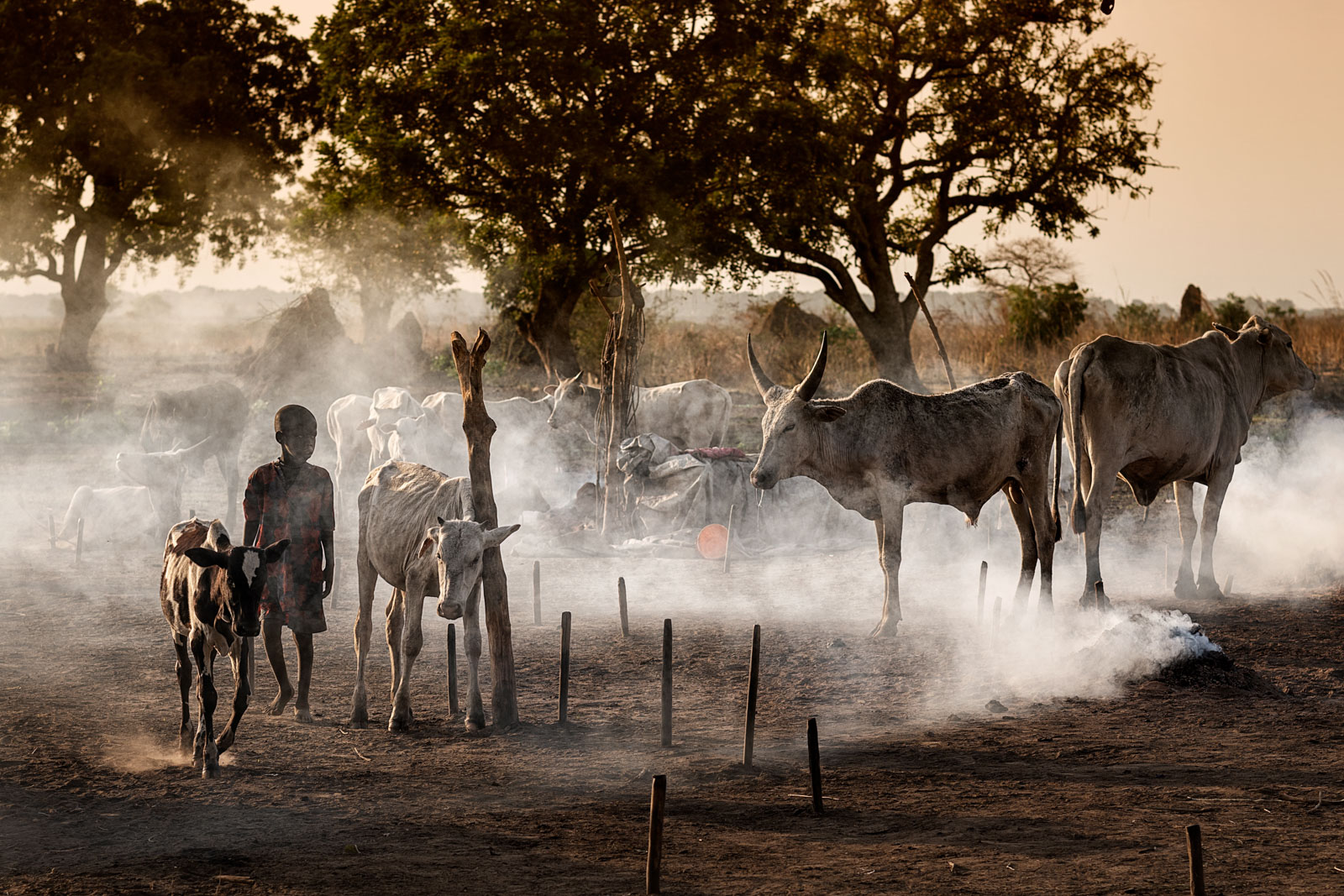
They get used to waking up at dawn before adults, with the task of lighting the typical fires of the Cattle Camp Mundari and then collecting the dung of the animals, a task entrusted exclusively to them and the women. The dung, once dried in the sun, is used to fuel fires and to generate a thick smoke that keeps mosquitoes away; The ash produced by combustion is then sprinkled on the bodies of men, women, children and even the animals themselves: this, in the absence of water, is their main form of hygienic protection. Their diet is poor, sometimes limited to sharing milk directly from the udders of the cows together with the calves. Children are also entrusted with the care of smaller or younger animals (goats and calves). The girls were given the transport of the little water available. They carry out the assigned tasks carefully but without joy; Growing up in this way, they develop, like their fathers, a symbiotic relationship with livestock and perpetuate the tribal traditions of their community. Play is almost absent from their lives, except for a few wrestling exercises, at the end of the day, when all daily activities are completed.
ITALIANO
L’infanzia perduta dei bambini Mundari
La vivacità e la gioiosità dei bambini, pur nella diversità dei popoli e della localizzazione geografica, è sempre molto simile qualunque cosa facciano e per loro il processo scolastico è un fatto generalizzato. Diversamente, i bambini Mundari – un’ etnia seminomade strettamente legata alle attività pastorali tradizionali – affrontano fin dalla più tenera età compiti, lavori e sfide quotidiane con una precoce assunzione di responsabilità e la loro educazione è limitata all’ambito famigliare.
Si abituano a svegliarsi all’alba prima degli adulti, con il compito di accendere i fuochi tipici dei Cattle Camp Mundari e poi di raccogliere lo sterco degli animali, un compito affidato esclusivamente a loro e alle donne. Lo sterco, una volta essiccato al sole, viene utilizzato per alimentare i fuochi e per generare un fumo denso che tiene lontane le zanzare; la cenere prodotta dalla combustione viene poi cosparsa sul corpo di uomini, donne, bambini e anche degli stessi animali: questa, in mancanza di acqua, è la loro principale forma di protezione igienica. La loro alimentazione è povera, talvolta limitata alla condivisione del latte direttamente dalle mammelle delle mucche insieme ai vitelli. Ai bambini viene anche affidata la cura degli animali più piccoli o più giovani (capre e vitelli). Alle bambine il trasporto della poca acqua disponibile.Svolgono i compiti assegnati con attenzione ma senza allegria; crescendo in questo modo sviluppano, come i loro padri, un rapporto simbiotico con il bestiame e perpetuano le tradizioni tribali della loro comunità. Il gioco è quasi assente dalla loro vita, salvo qualche esercizio di lotta, sul finire della giornata, quando tutte le attività quotidiane sono completate.