Roberto Manfredi-Galichnik’s Wedding
Galichnik’s Wedding
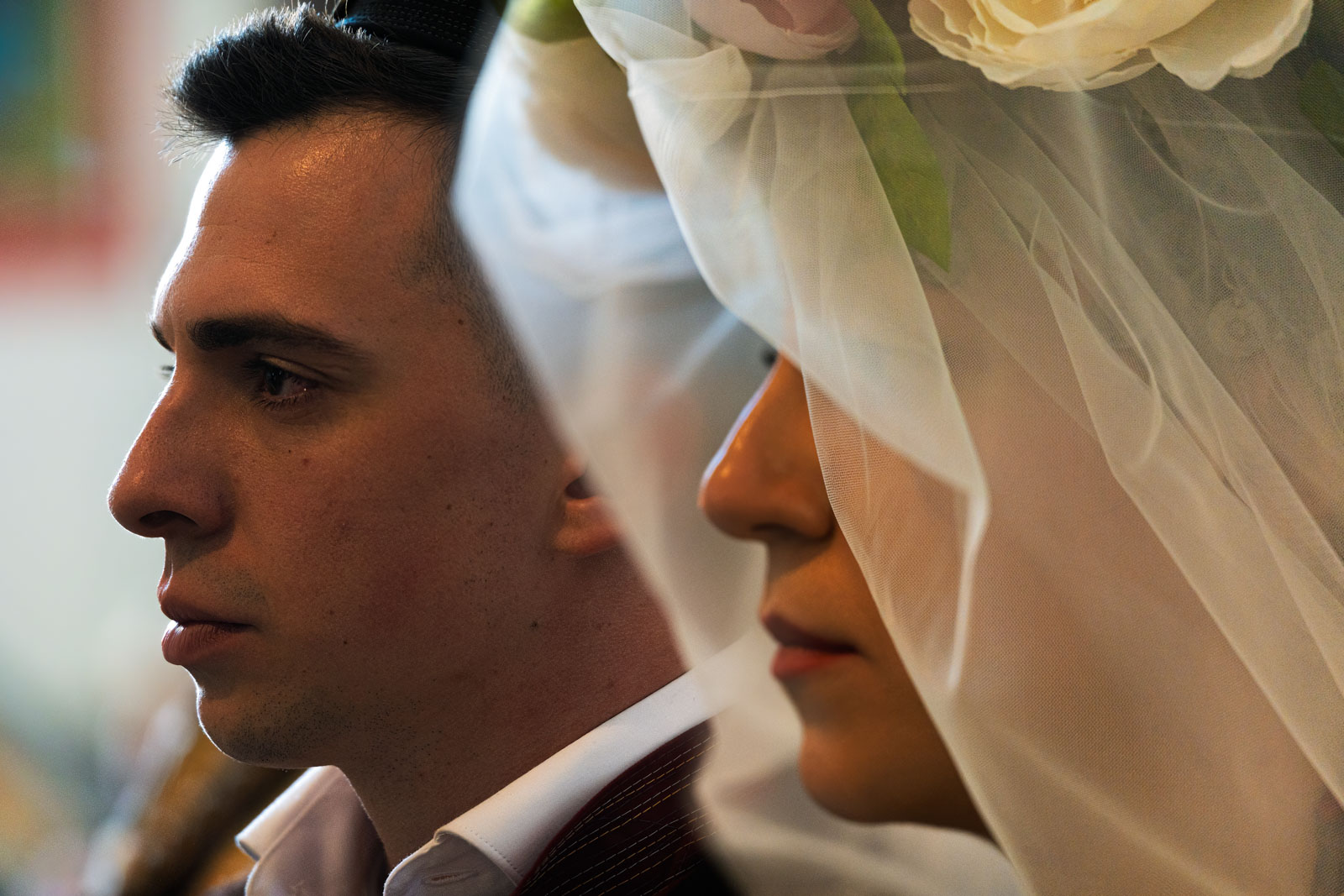
In the heart of the Balkans, nestled among the peaks of Macedonia, lies Galičnik — a small mountain village where time seems to have stood still. Every year, on the weekend closest to the feast of Saint Peter (July 12), the Galička Svadba is celebrated. This is no ordinary wedding: it is an ancient ritual, recognized as national cultural heritage, a majestic reenactment during which a selected couple is united in marriage, following the strict customs of traditional Macedonian ceremony.
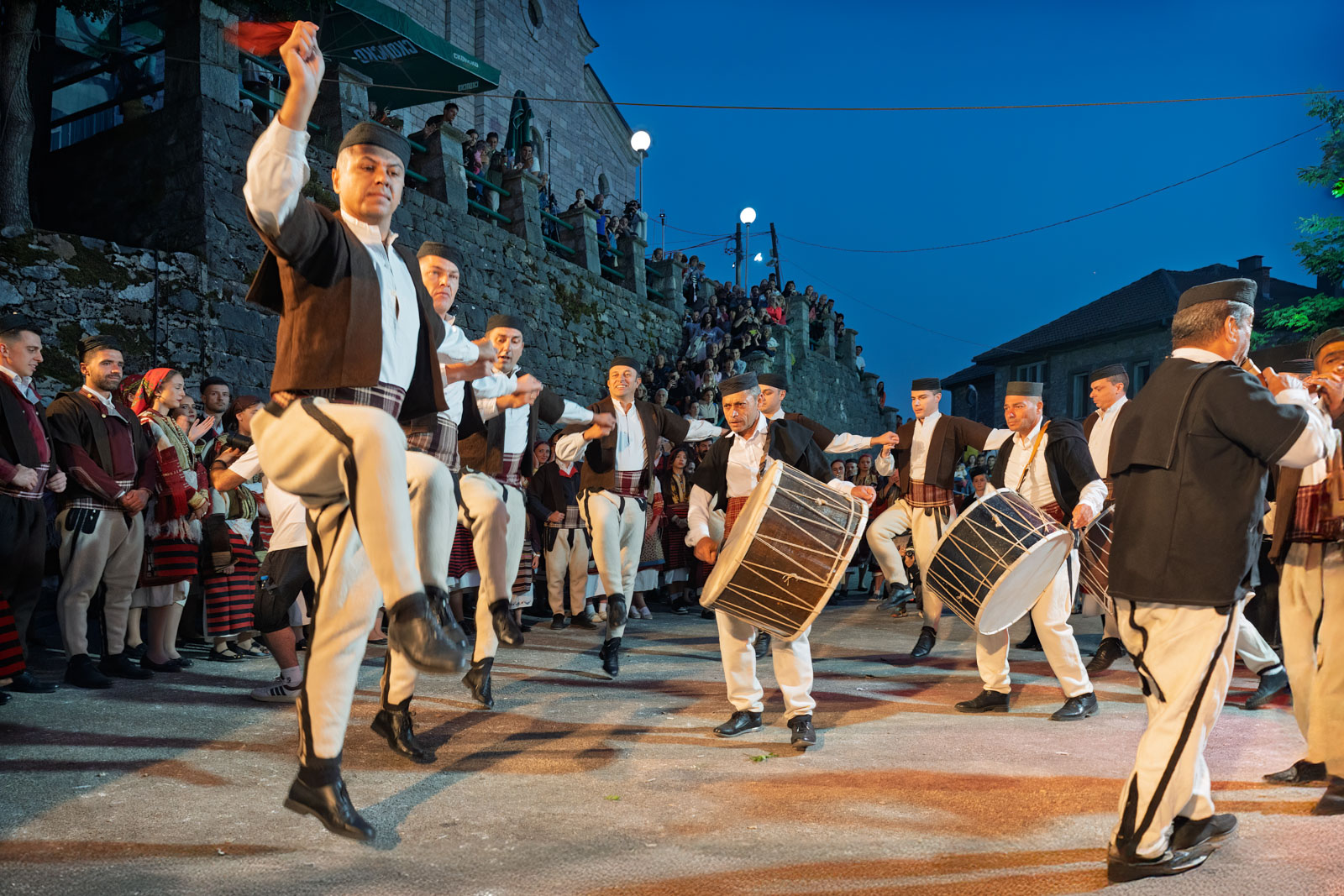
Galičnik is a tiny village whose stone houses line a single winding street that climbs gently to the Church of Saints Peter and Paul, set at 1,500 meters — the highest point in the village. Just across from the church stands Villa Dosta, an elegant two-story house that serves as the “groom’s home.” Further downhill lies a small square with a fountain, which becomes the stage for the traditional dances. Still lower down, another picturesque villa takes on the role of the “bride’s home.” It is important to note that this wedding is real: each year, a couple is chosen to experience and embody the entire ritual according to ancient traditions.
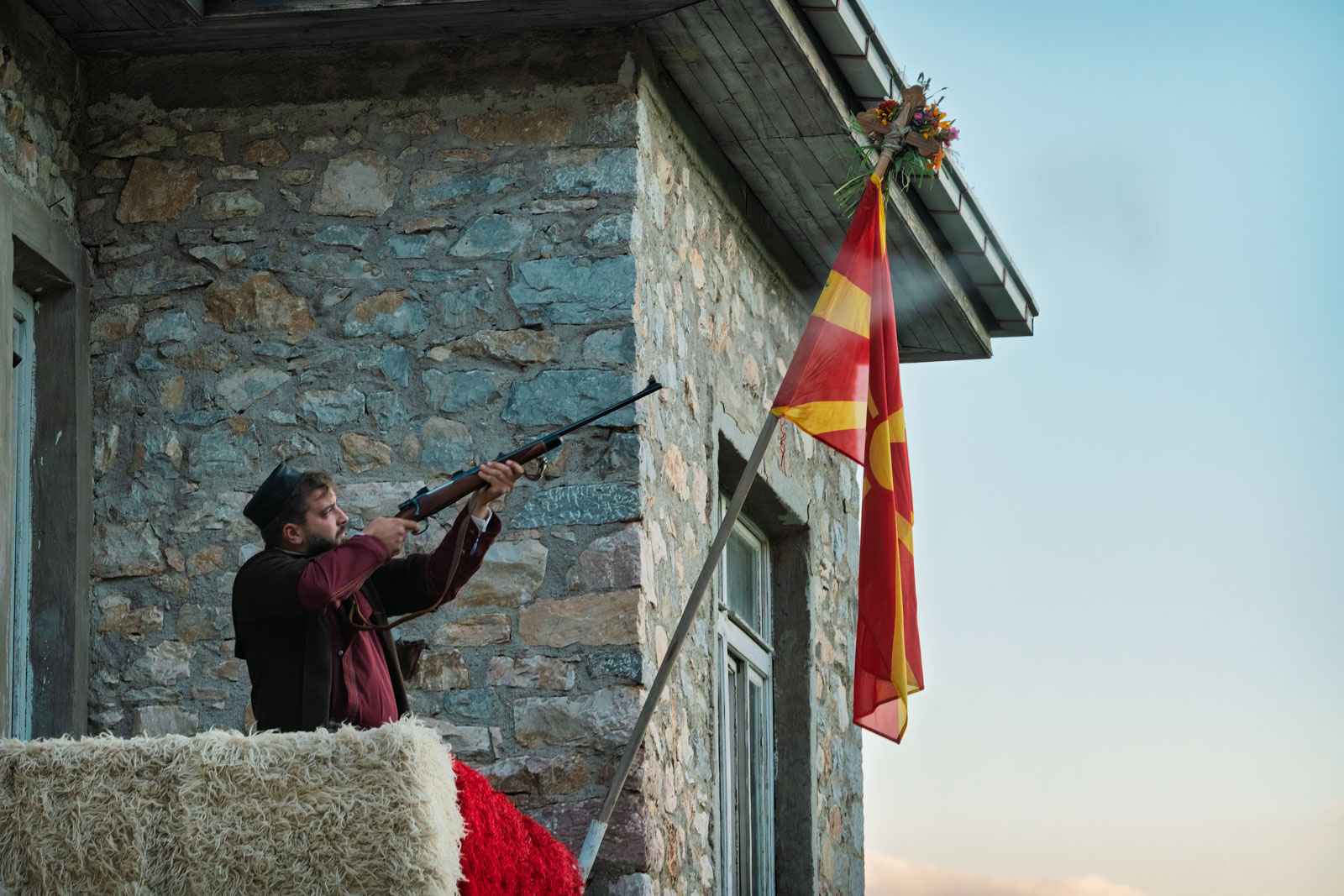
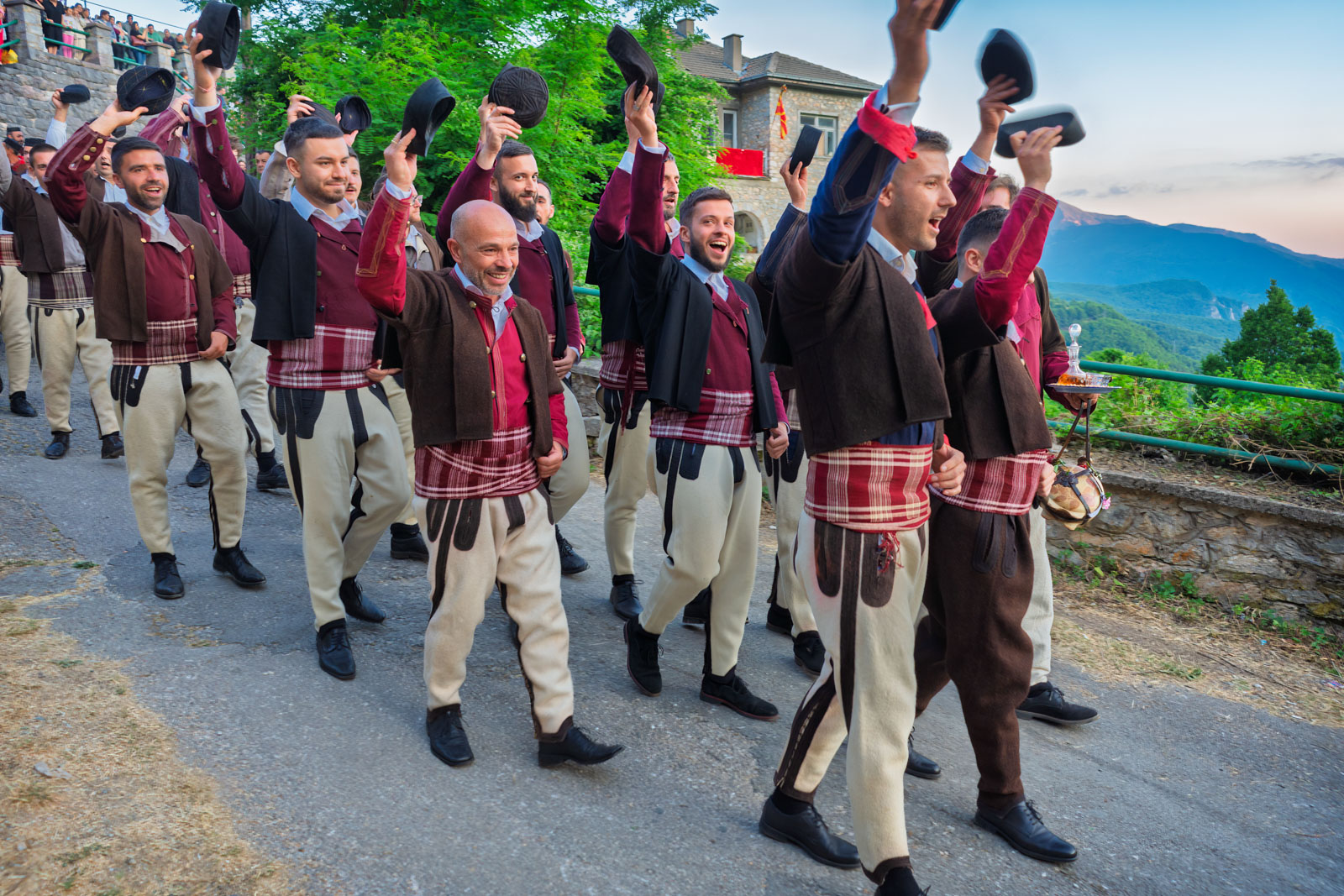
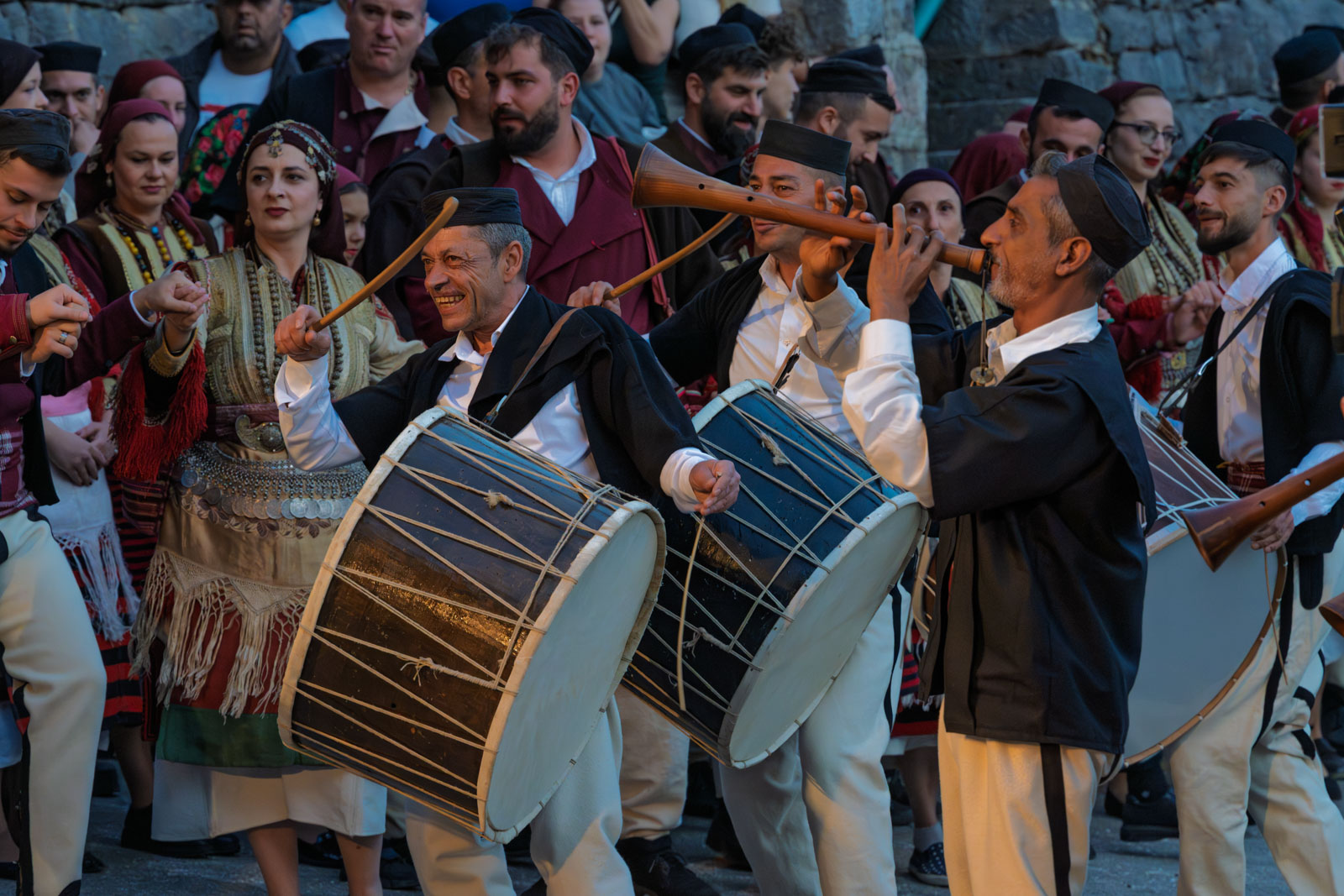
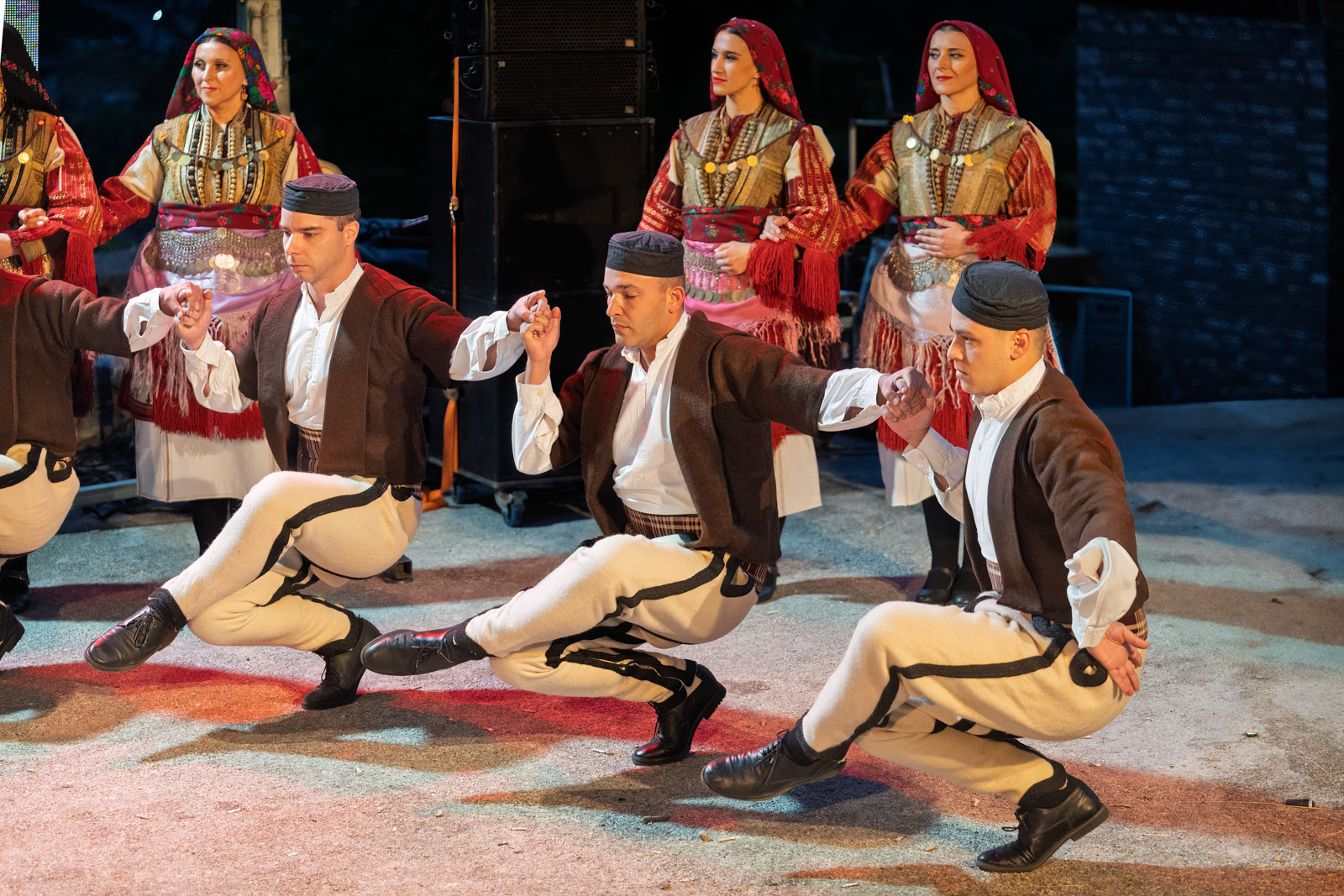
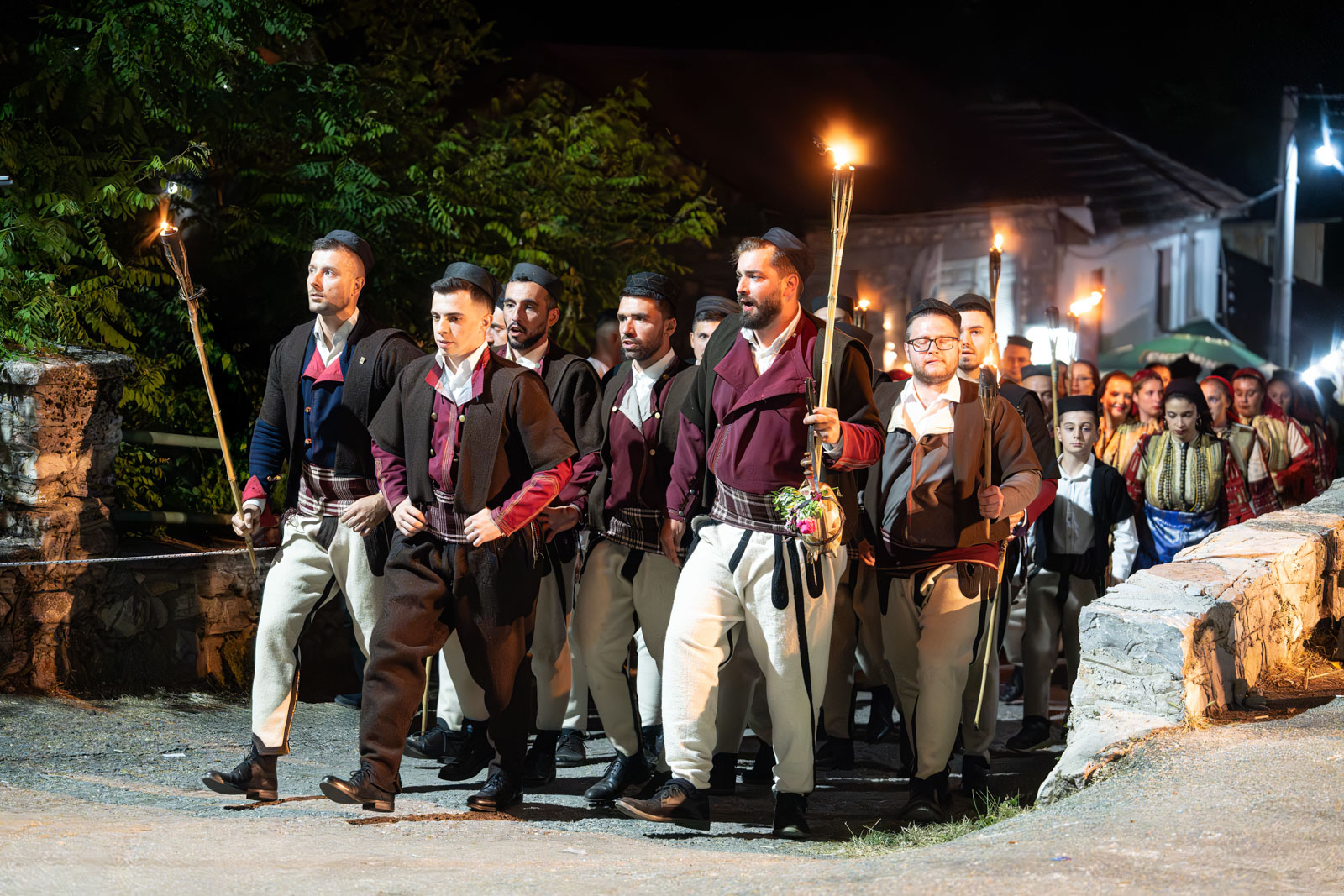
The festivities begin on Saturday evening, when three gunshots are fired from the groom’s balcony. Then the groom, his brother, and friends descend in procession to meet the musicians, who are already playing as they climb up from Hotel Neda. The two groups meet midway and ascend together toward the square, where music accompanies traditional dances. A procession of marriage mediators then proceeds to the bride’s home, escorting her to visit three fountains where she fills a jug with water — a symbolic act of purity and fertility.
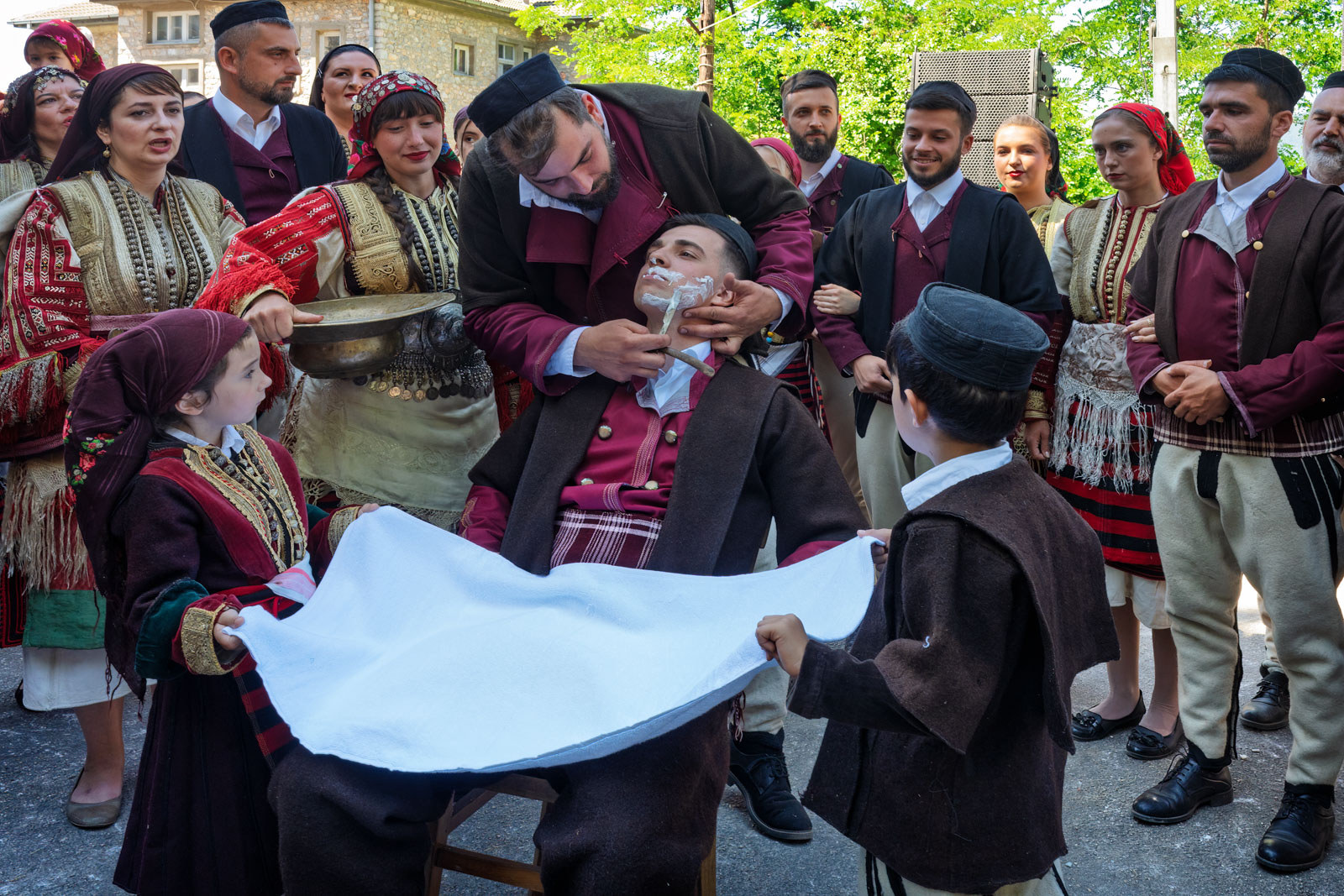
On Sunday morning, the groom and close family members visit the local cemetery, symbolically inviting the spirits of departed relatives to the wedding. Upon returning, the groom and his kin visit the kum (best man), and together they go to the square, where a ritual shaving of the groom takes place in front of the fountain.
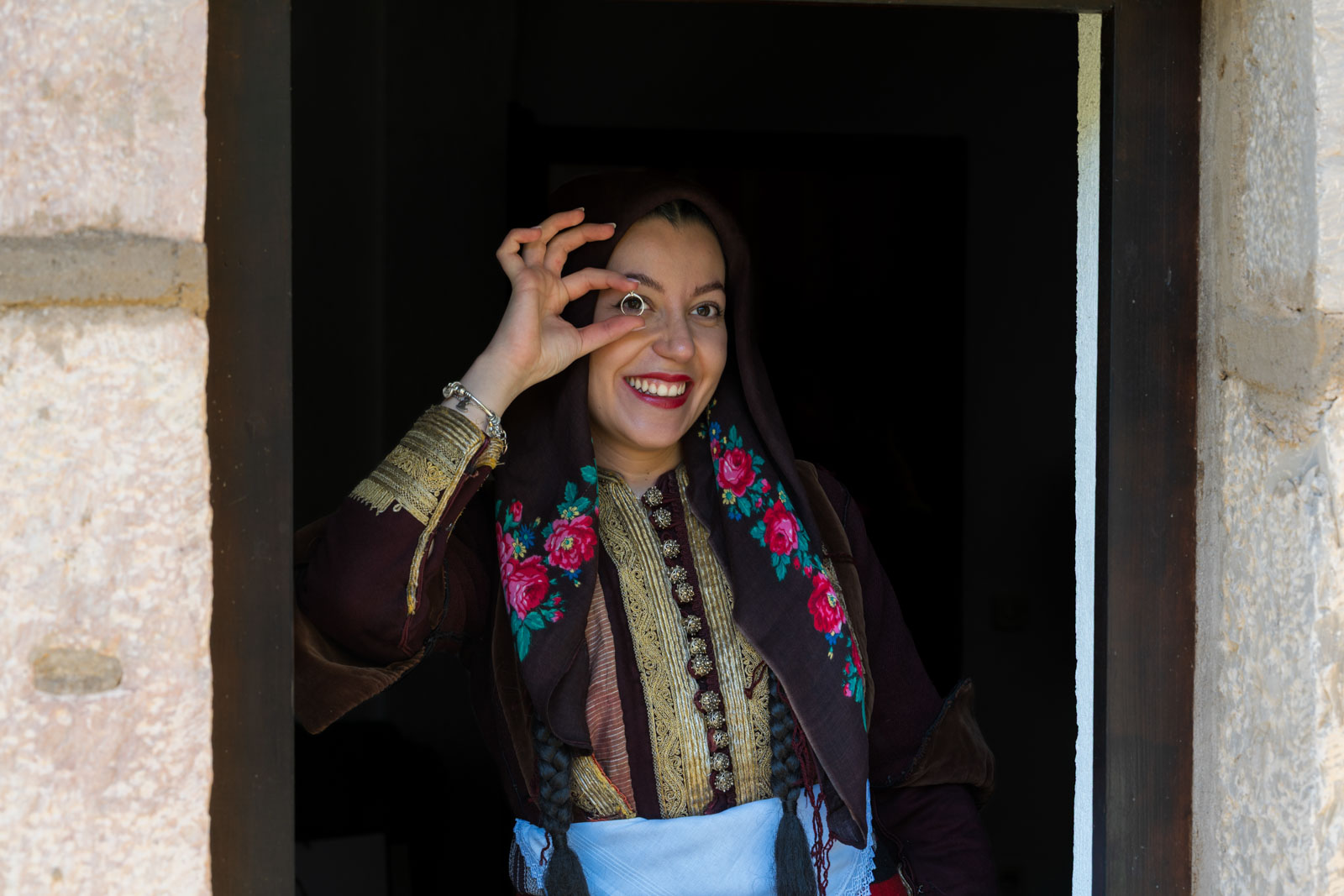
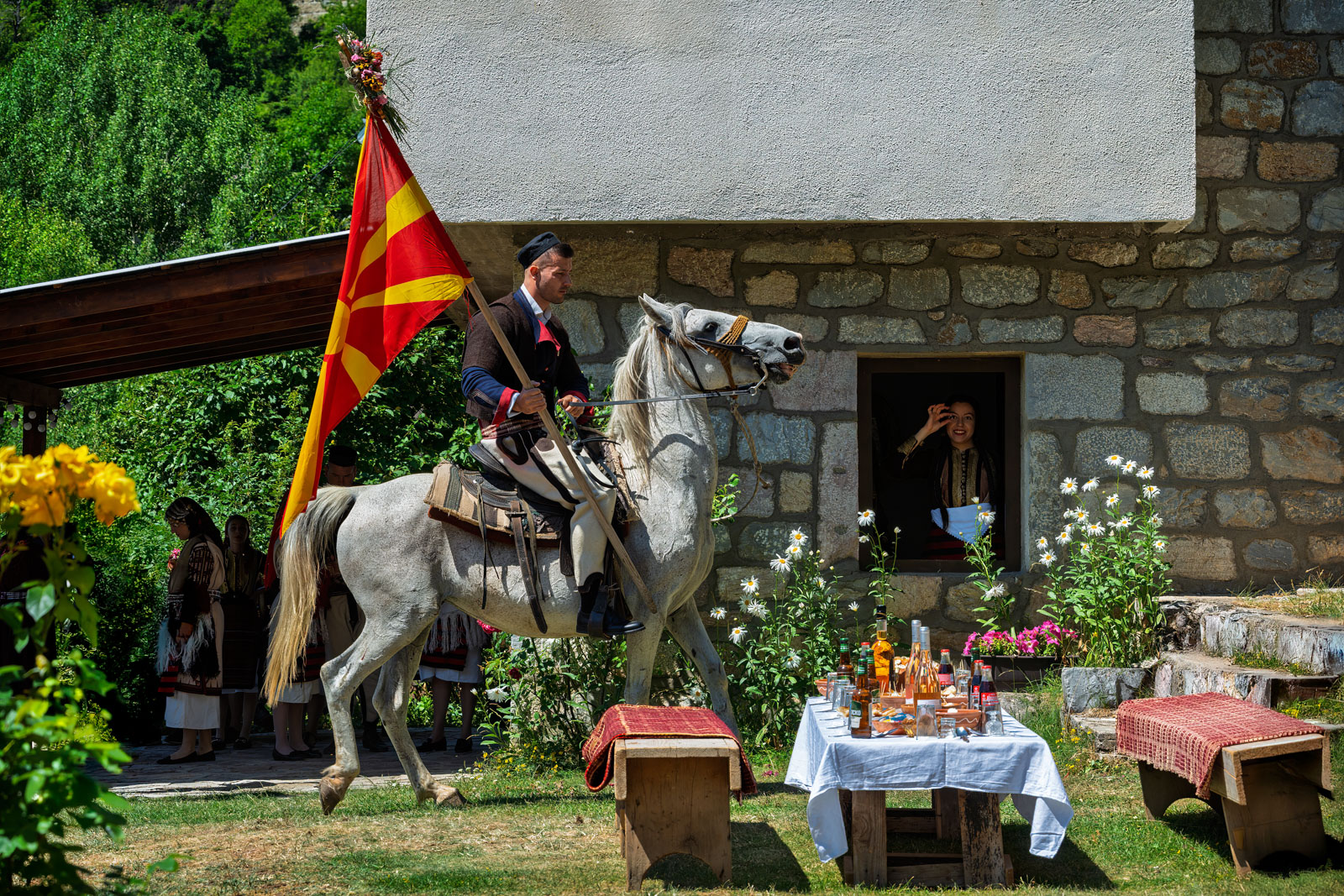
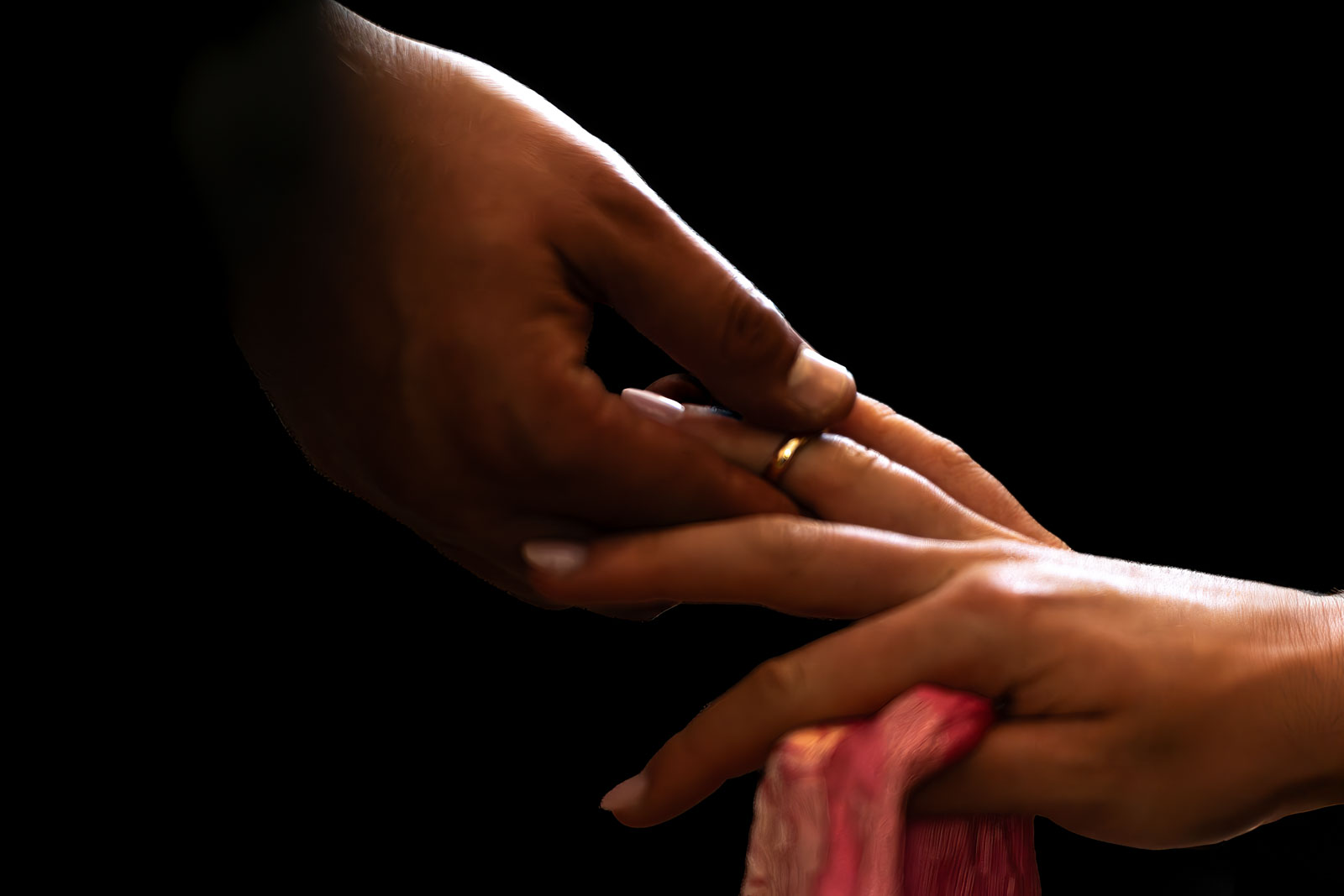
Later, a group of matchmakers on horseback departs from the groom’s house to the bride’s home. As the groom approaches, the bride appears at the window and gazes at him through a wedding ring
— a symbolic act of recognition. Meanwhile, in the garden outside her home, a feast is laid out for the groom’s relatives.
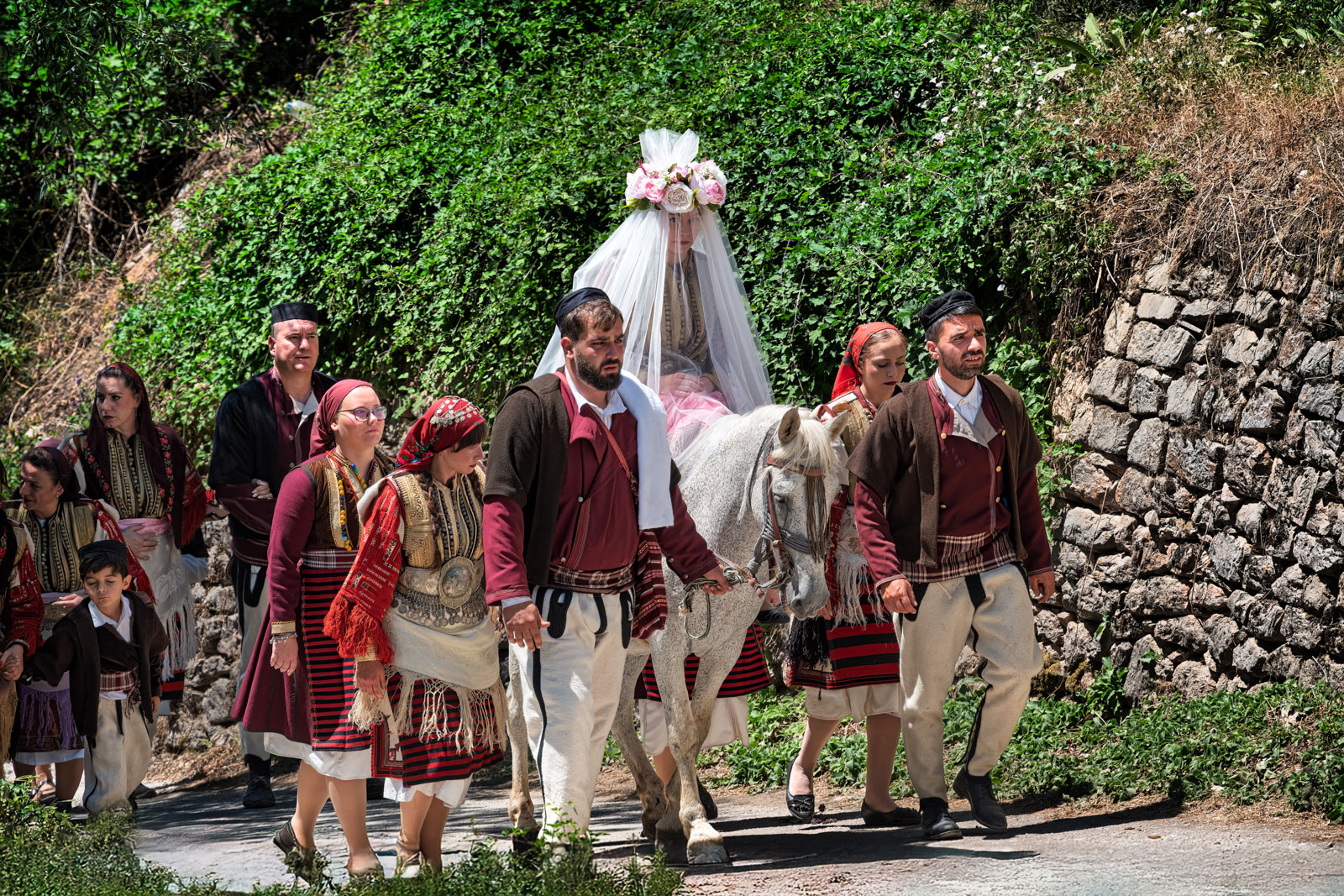
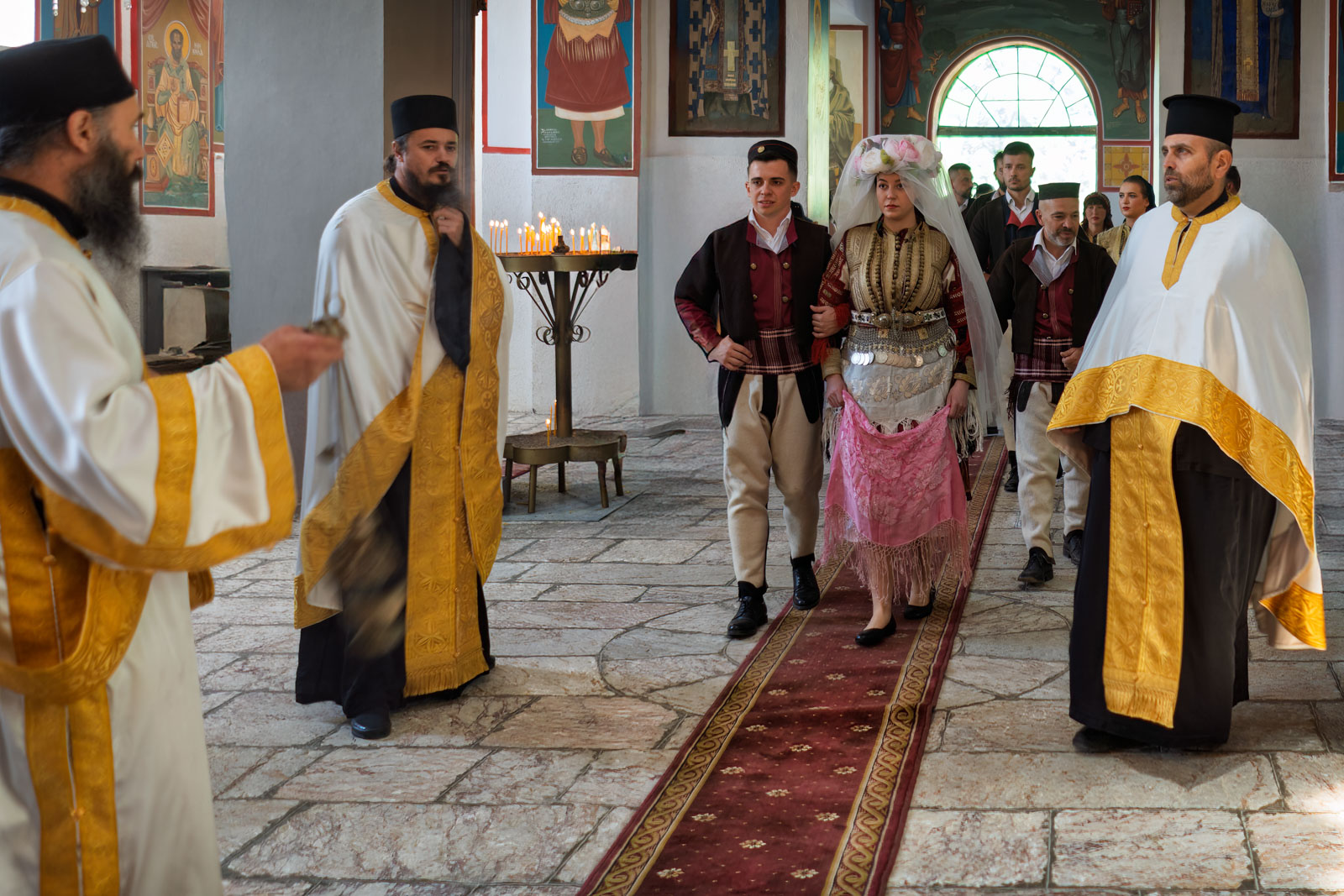
At last, the bride, dressed in rich traditional garments, mounts a horse. At the center of a procession led by a flag-bearer on horseback, she is taken to the groom’s house, where she is formally welcomed. From there, the couple proceeds to the church for the religious ceremony, followed by music and dancing.
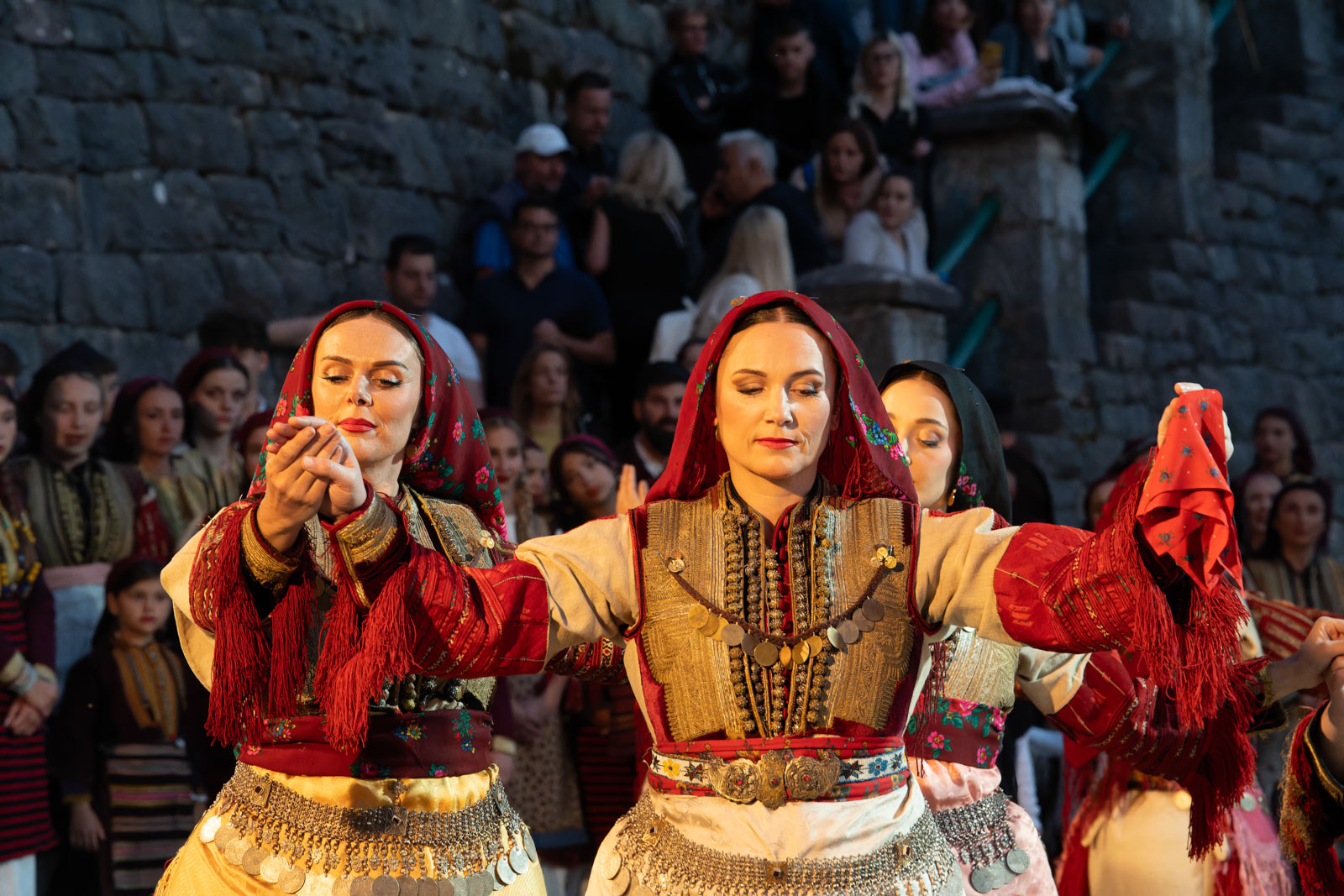
All participants wear elaborate traditional costumes, many adorned with floral crowns. The Wedding of Galičnik is an immersive experience where the visible world merges with the energy of ritual. It tells the story of a community that proudly celebrates its identity — a people who, through dance and tradition, reaffirm their deep, unbreakable bond with the land and their roots. It is a celebration where the sacred meets the worldly, where the joy of union intertwines with the poignant continuity of a living heritage, in all its magnificent authenticity.
ITALIANO
Le nozze di Galichnik
Nel cuore dei Balcani, tra le vette della Macedonia, sorge Galičnik, un piccolo villaggio dove il tempo sembra essersi fermato. Qui ogni anno, nel fine settimana più vicino a San Pietro (12 luglio), si celebra la Galička svadba. Non è un semplice matrimonio, ma un antico rituale riconosciuto come patrimonio culturale nazionale, una maestosa rievocazione durante la quale una coppia selezionata si unisce in matrimonio seguendo scrupolosamente i canoni della tradizione macedone.
Galičnik è un piccolo borgo montano le cui case si snodano lungo un’unica strada principale che sale dolcemente fino alla Chiesa dei Santi Pietro e Paolo, posta a 1500 metri, il punto più elevato del villaggio. Di fronte a questa si erge Villa Dosta, un elegante edificio a due piani destinato a rivestire il ruolo di “casa dello sposo”. Più a valle, una piccola piazza con la sua fontana diventa il palcoscenico per le danze. Ancora più in basso, un’altra suggestiva villetta si trasforma, per l’occasione, nella “casa della sposa”. Questo matrimonio, è bene sottolinearlo, è autentico: ogni anno, una coppia ha l’onore di vivere e interpretare l’intero rituale secondo le antiche consuetudini.
Tutto inizia il sabato sera, con tre colpi di fucile sparati da un balcone della casa dello sposo. Da lì lo sposo, il fratello e gli amici scendono in corteo per accogliere i musicisti, già intenti a suonare, che risalgono dall’Hotel Neda. Incontratisi a metà strada insieme risalgono verso la piazza dove la musica accompagna le danze tradizionali. Poi un corteo con i mediatori nuziali si reca alla casa della sposa e la porta a visitare tre fontane dove lei riempie una brocca d’acqua.
La domenica mattina lo sposo e alcuni familiari si recano al cimitero, visitando le tombe di alcuni parenti che vengono invitati simbolicamente al matrimonio. Al ritorno sposo e parenti si recano a invitare il compare d’anello con il quale raggiungono la piazza dove, davanti alla fontana, avviene la rituale rasatura dello sposo.
Poi un corteo di sensali a cavallo parte dalla casa dello sposo per raggiungere la casa della sposa, la quale affacciandosi alla finestra guarda lo sposo attraverso l’anello. Nel frattempo nel giardino davanti alla casa della sposa è stato imbandito un banchetto per i parenti dello sposo.
Infine la sposa, vestita con gli abiti tradizionali, monta a cavallo. Al centro di una processione guidata dal portabandiera si reca alla casa dello sposo, dove viene accolta. Da qui la coppia si reca alla chiesa dove si svolge la cerimonia religiosa, seguita infine da musica e balli.
Tutti i partecipanti sono vestiti con ricchi costumi tradizionali, molti adornati con corone floreali. Le nozze di Galičnik sono un’esperienza immersiva, dove il visibile si fonde con l’energia del rito. Raccontano una comunità che celebra la propria identità con orgoglio, un popolo che, attraverso la danza e la tradizione, riafferma il proprio legame indissolubile con la terra e le proprie radici. È una festa dove il sacro e il profano si incontrano, dove la gioia di un’unione si intreccia con la commozione per un patrimonio che continua a vivere, in tutta la sua magnifica autenticità.