Lorenzo Savoini-Tokaido
Tōkaidō
Tōkaidō (literally: eastern coastal road), in the strict sense was the road that connected Edo (today Tokyo, then capital of the Tokugawa Shoguns) to the imperial capital Kyoto, along the Pacific Ocean.
It was part of the Gokishichidō, the system of roads that connected the most remote parts of Japan with the capital.
“Fifty-three Stations of the Tōkaidō” is a celebrated collection of woodcuts by Utagawa Hiroshige, belonging to the genre called ukiyo-e (“the floating world”), characteristic of the Edo period, which goes from 1603 (the facts, if you will, narrated by the well-known television series “Shogun” and which led to the complete closure of the Empire to Western culture) until 1853, when the “black ships” by Commodore Perry broke the isolation of Japan forever with cannonballs.
Ukiyo-e reflects Japanese life and culture at the time, offering a cross-section of society and customs, while highlighting their impermanence, seen, in an exquisite Buddhist perspective, as the source of suffering and the continuous cycle of death and rebirth to which human beings are condemned.
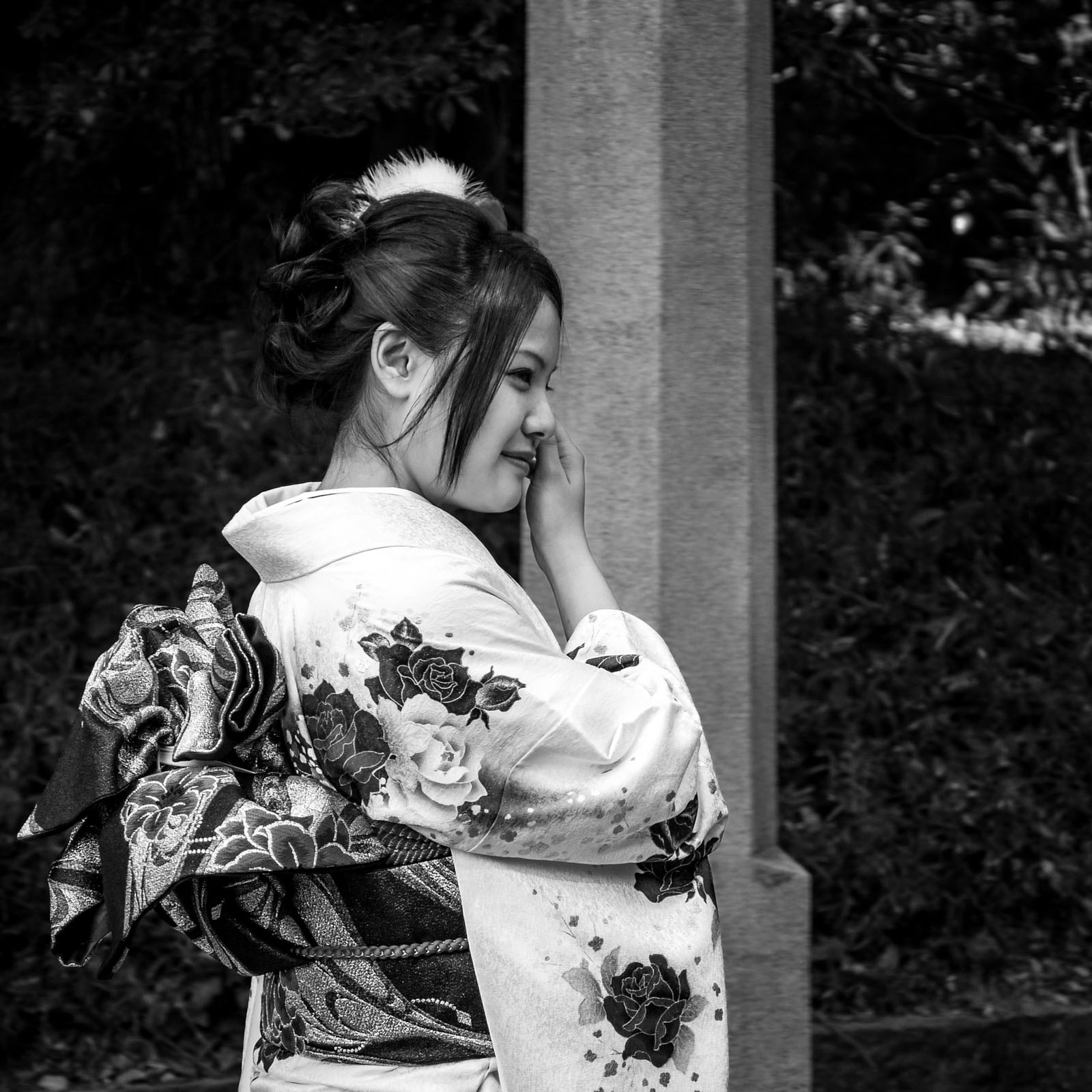
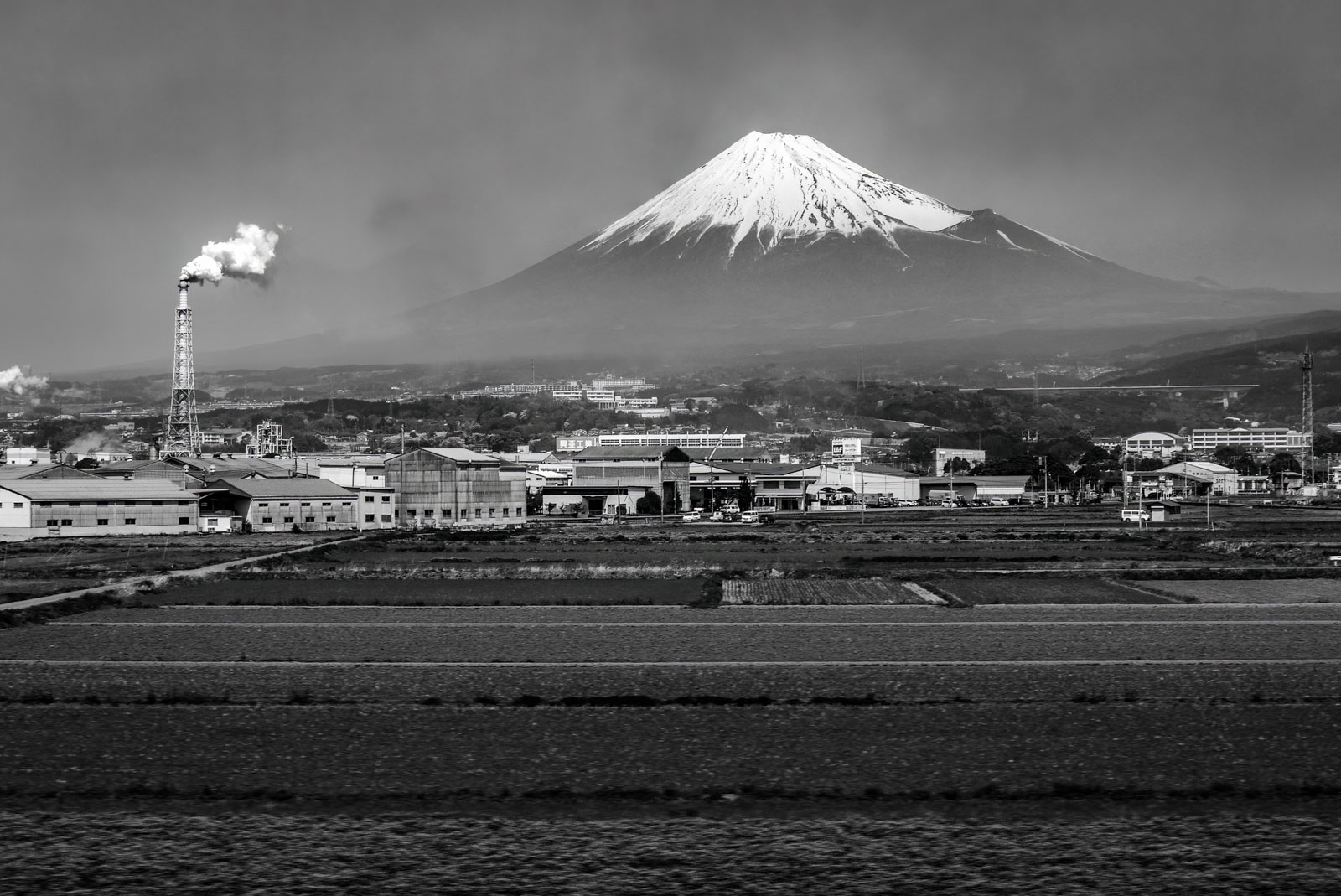
This photographic project is inspired by the work of Hiroshige, telling in 53 images the life and culture of today’s Japan, particularly iconic for the new generations. Starting from the remote Osore-zan (The “Mount of Terror“, the gateway to the afterlife for Japanese mythology), along a path through cities, mountains, countryside and sacred places, it ends in Hiroshima, in its own way in a representation of Samsara.
For this portfolio I have chosen images from the following 15 locations:
1 Osore-zan
9 Kamakura
12 Chuo Dori
20 Meiji Jingu
21 Shinjuku
23 Akihabara
26 Kaze no tani
27 Hakone
29 Fuji
30 Kōya-san Daimon
31 Kōya-san
34 Nara
36 Kurama-dera
39 Ohara
40 Yasaka
42 Gion
51 Miyajima
Of course, these give a disconnected and incomplete representation of the project, however I was in turn surprised by how they nevertheless remain faithful to the emotions that the shots wanted, from the first moment, to collect.
ITALIANO
Tōkaidō (letteralmente: via costiera orientale), in senso stretto era la strada che univa Edo (oggi Tokyo, allora capitale degli Shogun Tokugawa) alla capitale imperiale Kyoto, costeggiando l’Oceano Pacifico.
Faceva parte del Gokishichidō, il sistema di strade che univa le parti più remote del Giappone con la Capitale.
“Cinquantatré stazioni del Tōkaidō” è una celebrata raccolta di xilografie di Utagawa Hiroshige, appartenenti al genere detto ukiyo-e (“il mondo fluttuante”), caratteristico del periodo Edo, che va dal 1603 (i fatti, se vogliamo, narrati dalla nota serie televisiva “Shogun” e che portarono alla completa chiusura dell’Impero alla cultura occidentale) fino al 1853, quando le “navi nere” del Commodoro Perry ruppero per sempre a cannonate l’isolamento del Giappone.
L’ukiyo-e riflette la vita e la cultura giapponese dell’epoca, offrendo uno spaccato della società e dei costumi, mettendone in evidenza al tempo stesso l’impermanenza, vista, in squisita ottica buddista, quale fonte della sofferenza e del continuo ciclo di morte e rinascita cui gli esseri umani sono condannati.
Il presente progetto fotografico si ispira all’opera di Hiroshige, raccontando in 53 immagini la vita e la cultura del Giappone d’oggi, particolarmente iconico per le nuove generazioni. Partendo dal remoto Osore-zan (Il “monte terrore”, la porta dell’aldilà per la mitologia nipponica), lungo un cammino per città, montagne, campagne e luoghi sacri, termina ad Hiroshima, a suo modo in una rappresentazione del Samsara.
Per il presente portfolio ho scelto le immagini delle seguenti 15 location:
1 Osore-zan
9 Kamakura
12 Chuo Dori
20 Meiji Jingu
21 Shinjuku
23 Akihabara
26 Kaze no tani
27 Hakone
29 Fuji
30 Kōya-san Daimon
31 Kōya-san
34 Nara
36 Kurama-dera
39 Ohara
40 Yasaka
42 Gion
51 Miyajima
S’intende, queste danno del progetto una rappresentazione slegata ed incompleta, tuttavia sono rimasto a mia volta sorpreso di come restino nondimeno fedeli alle emozioni che gli scatti vollero, sin dal primo momento, raccogliere.