Luciana Trappolino-The Art of Patachytra
The Art of Patachytra
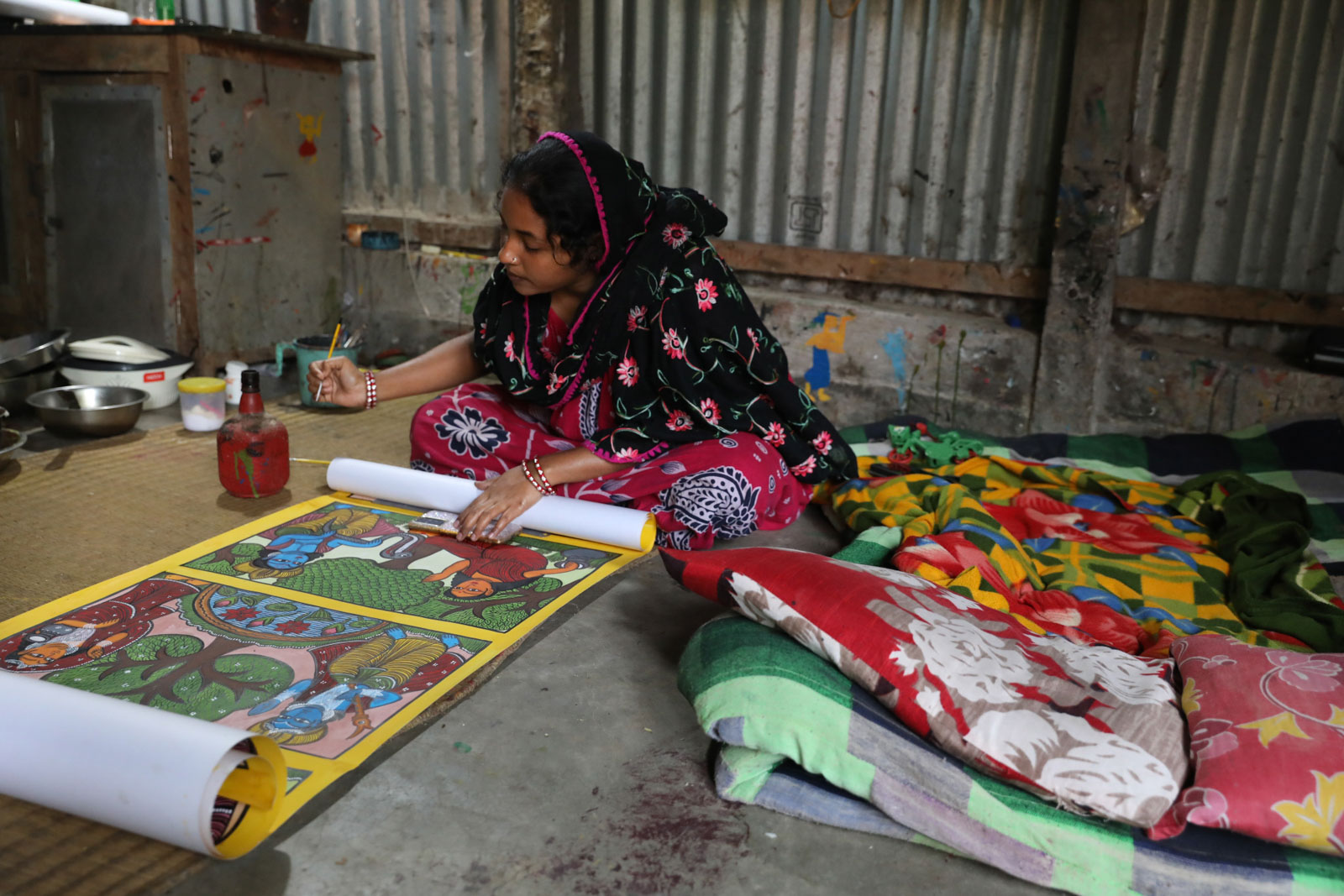
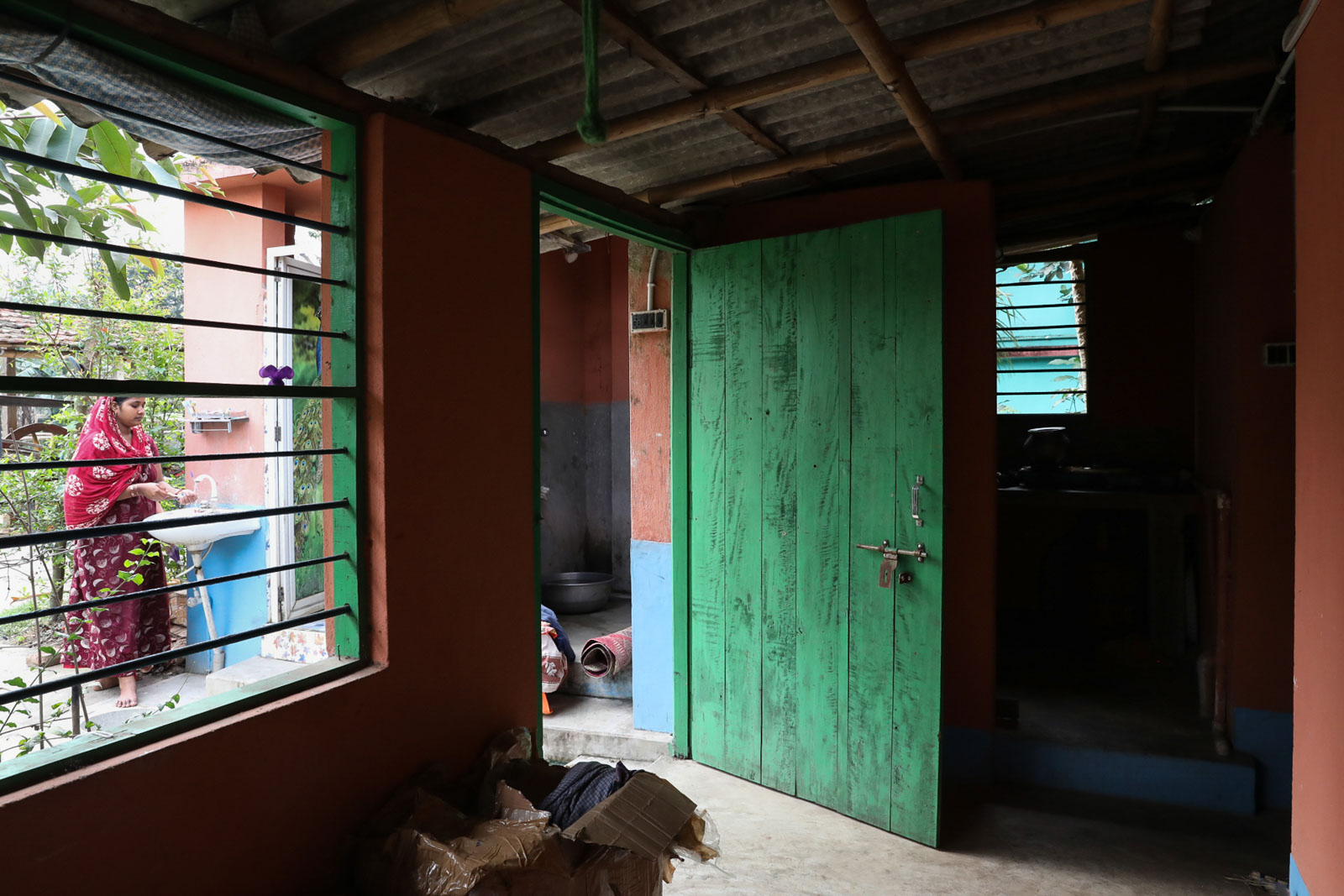
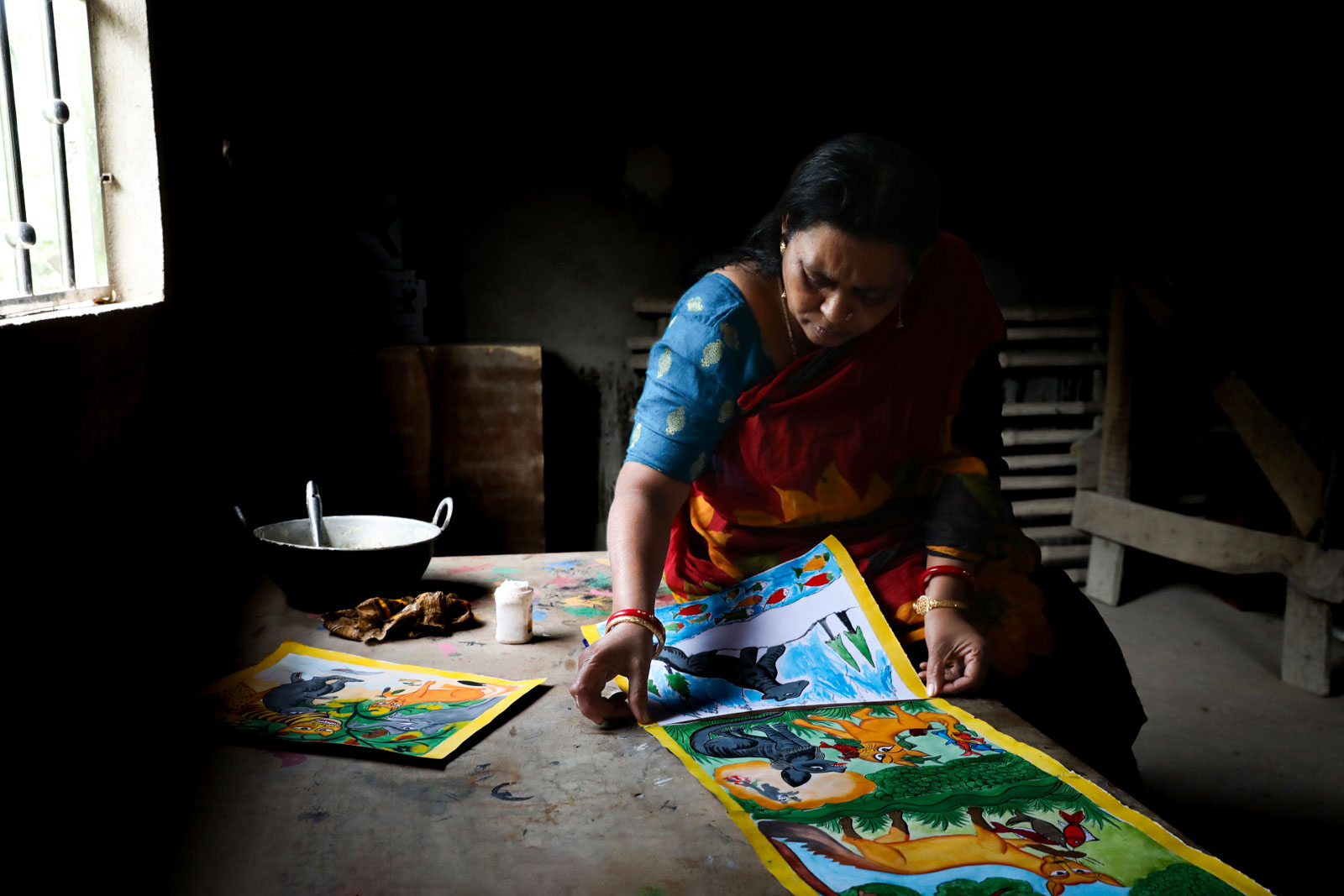
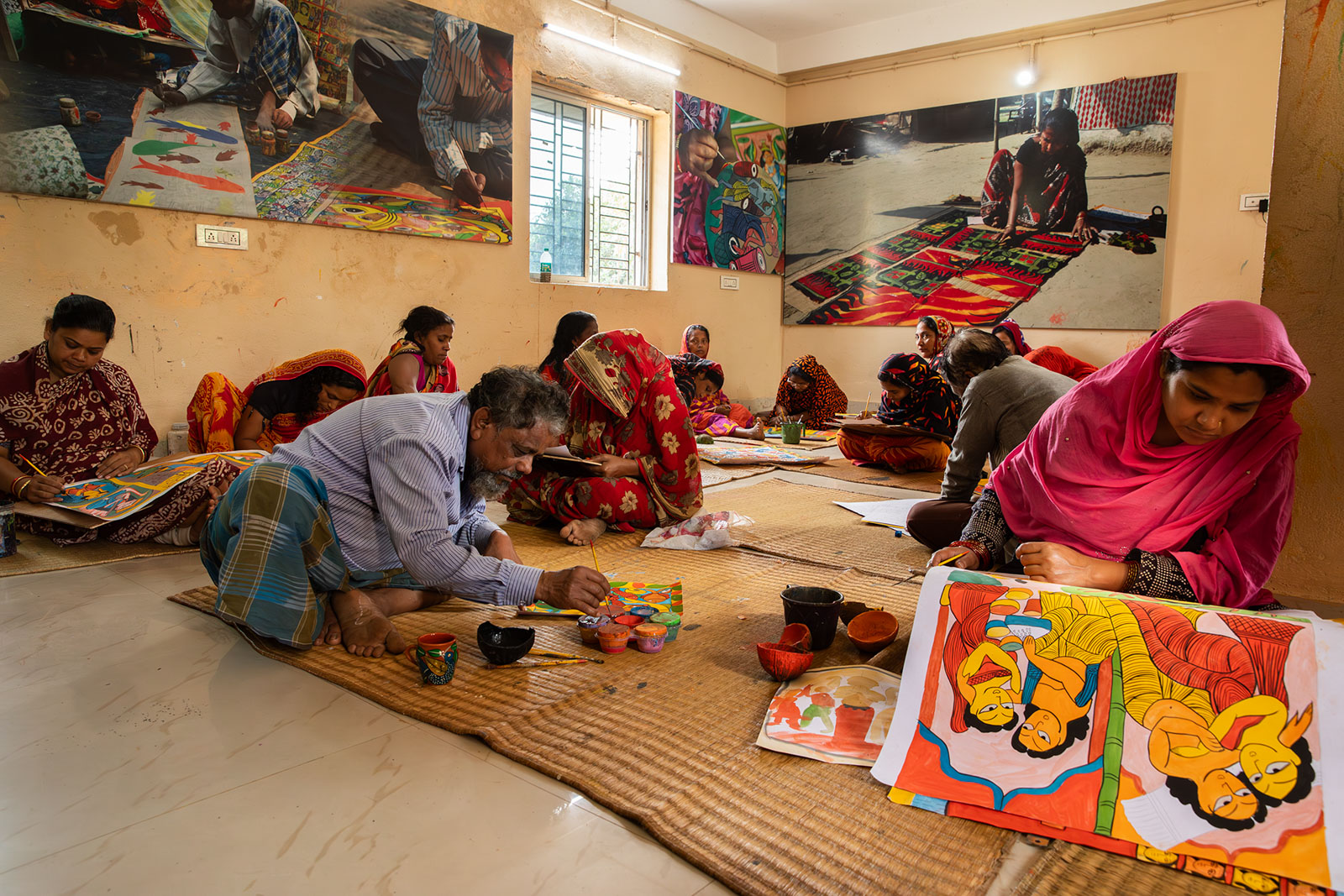
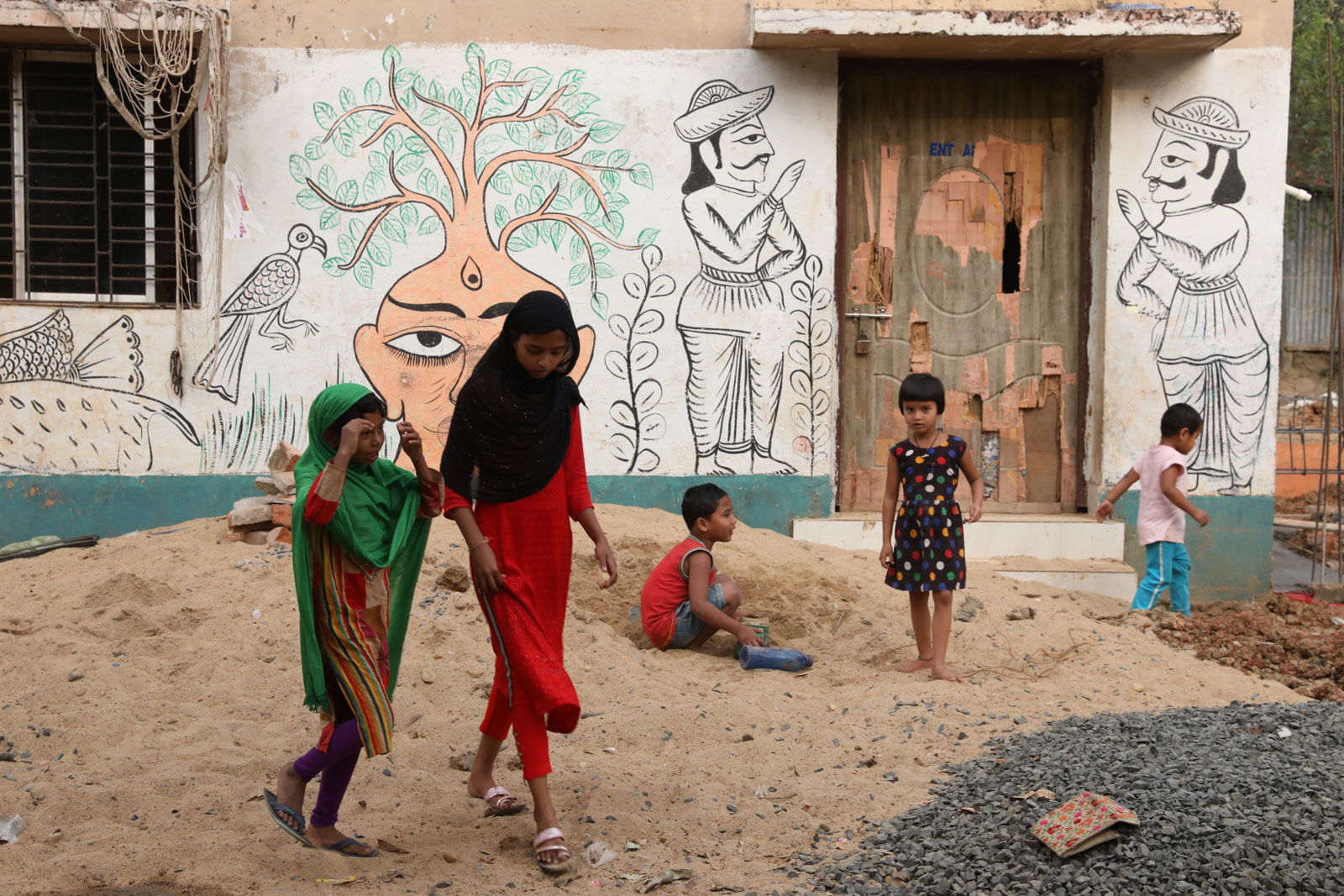
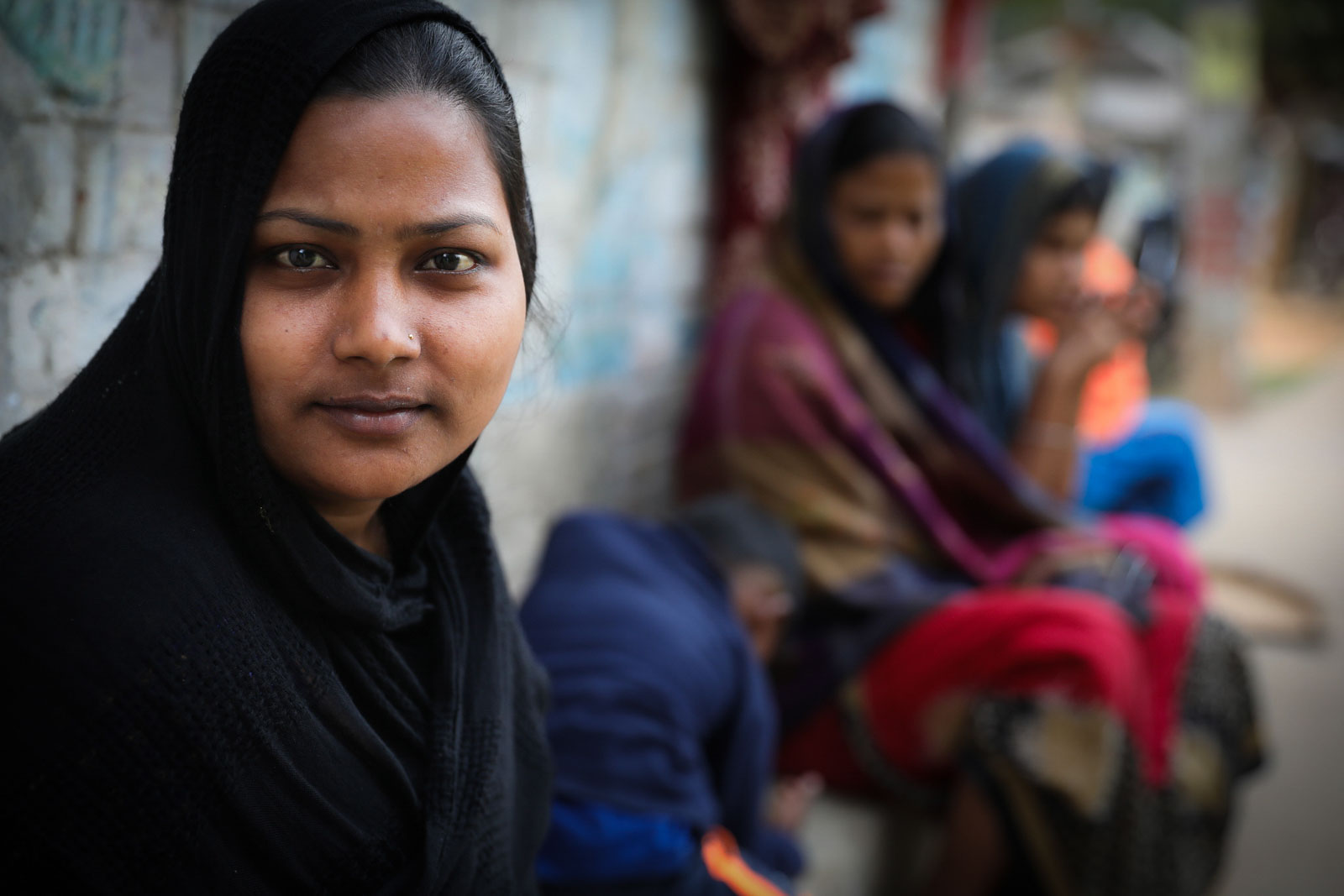
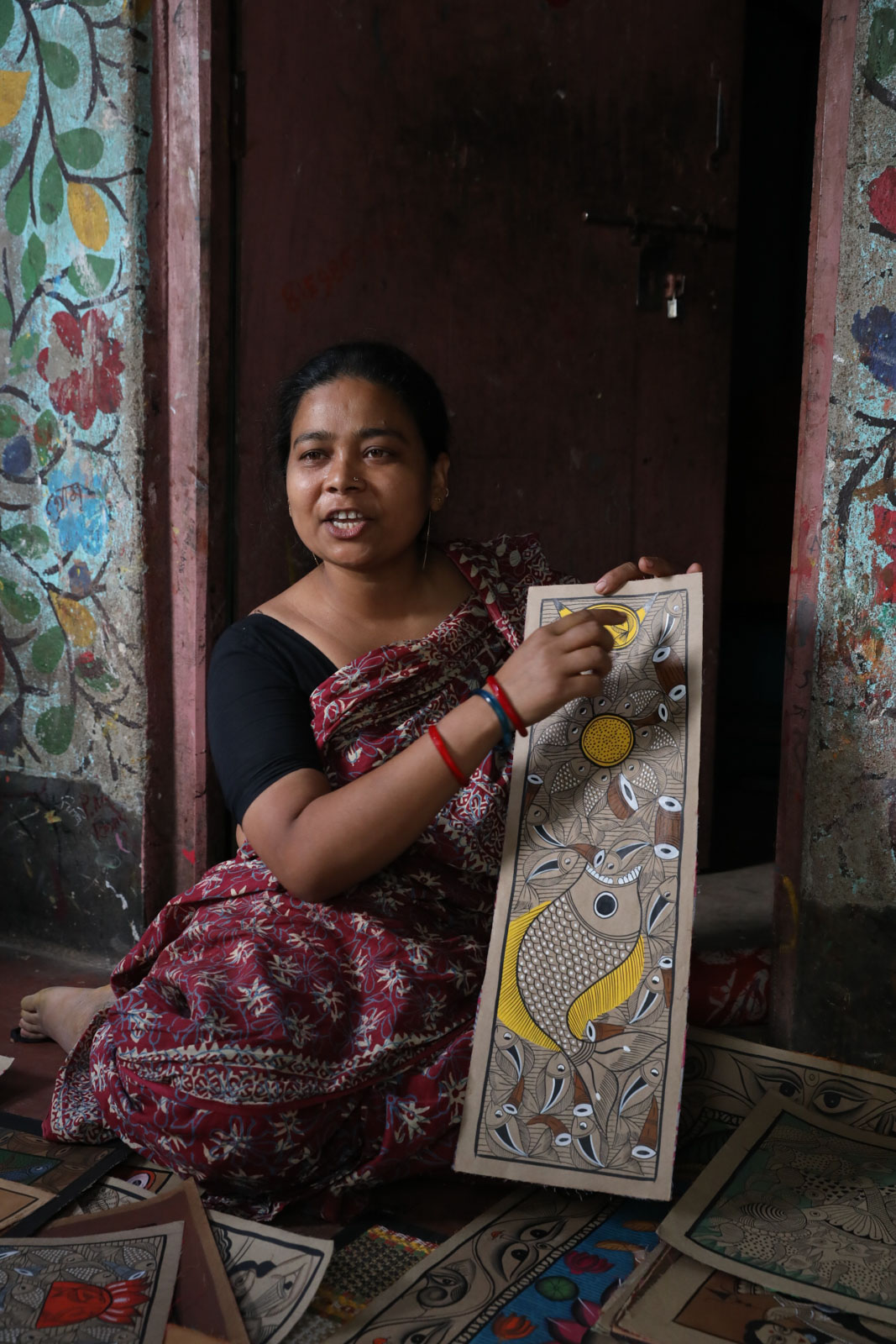
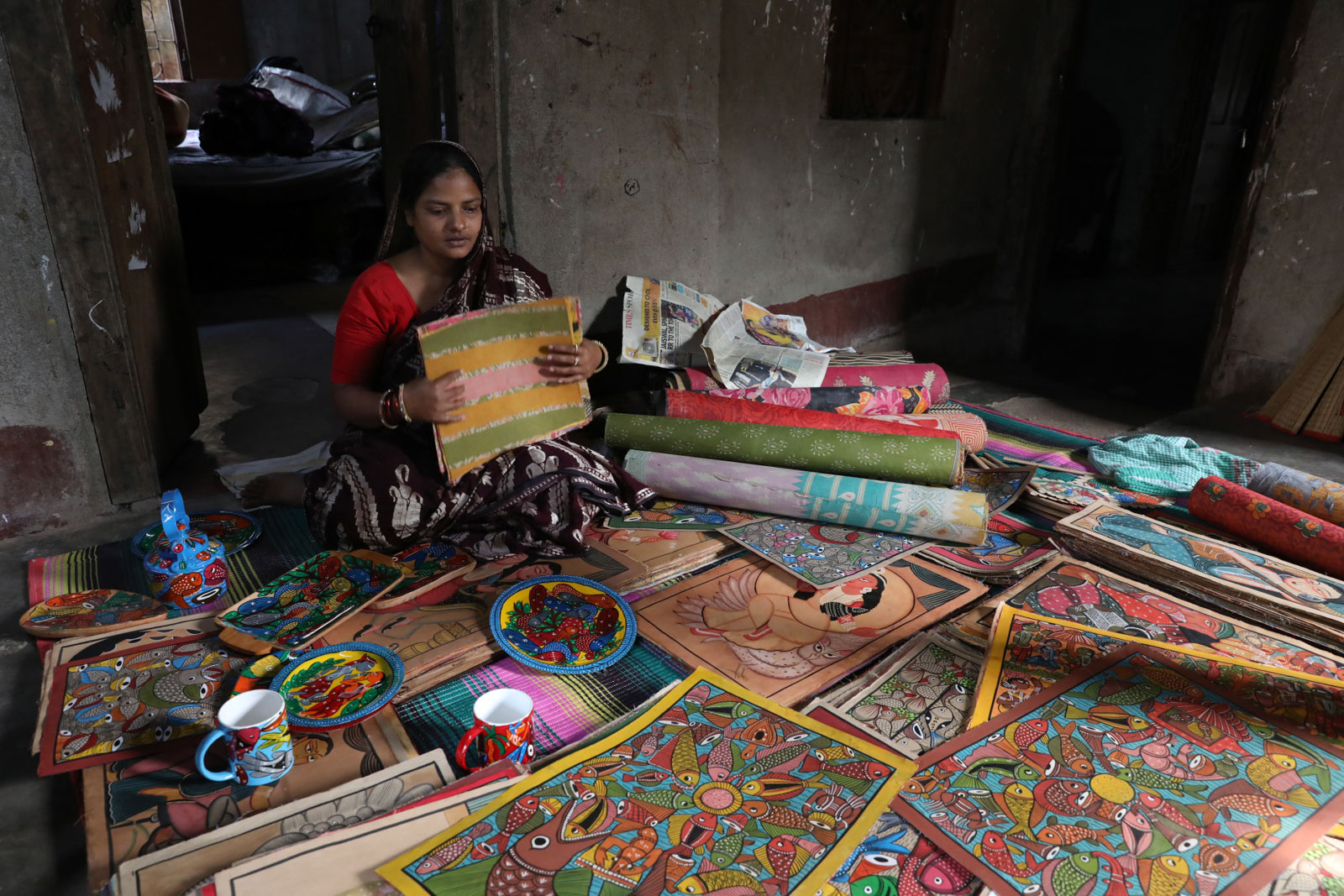
In West Bengal there is a village where women, called Chitrakar, are the bearers of a tradition dating back over 2500 years, that of sung paintings, called Patachitra or even Scrolls.
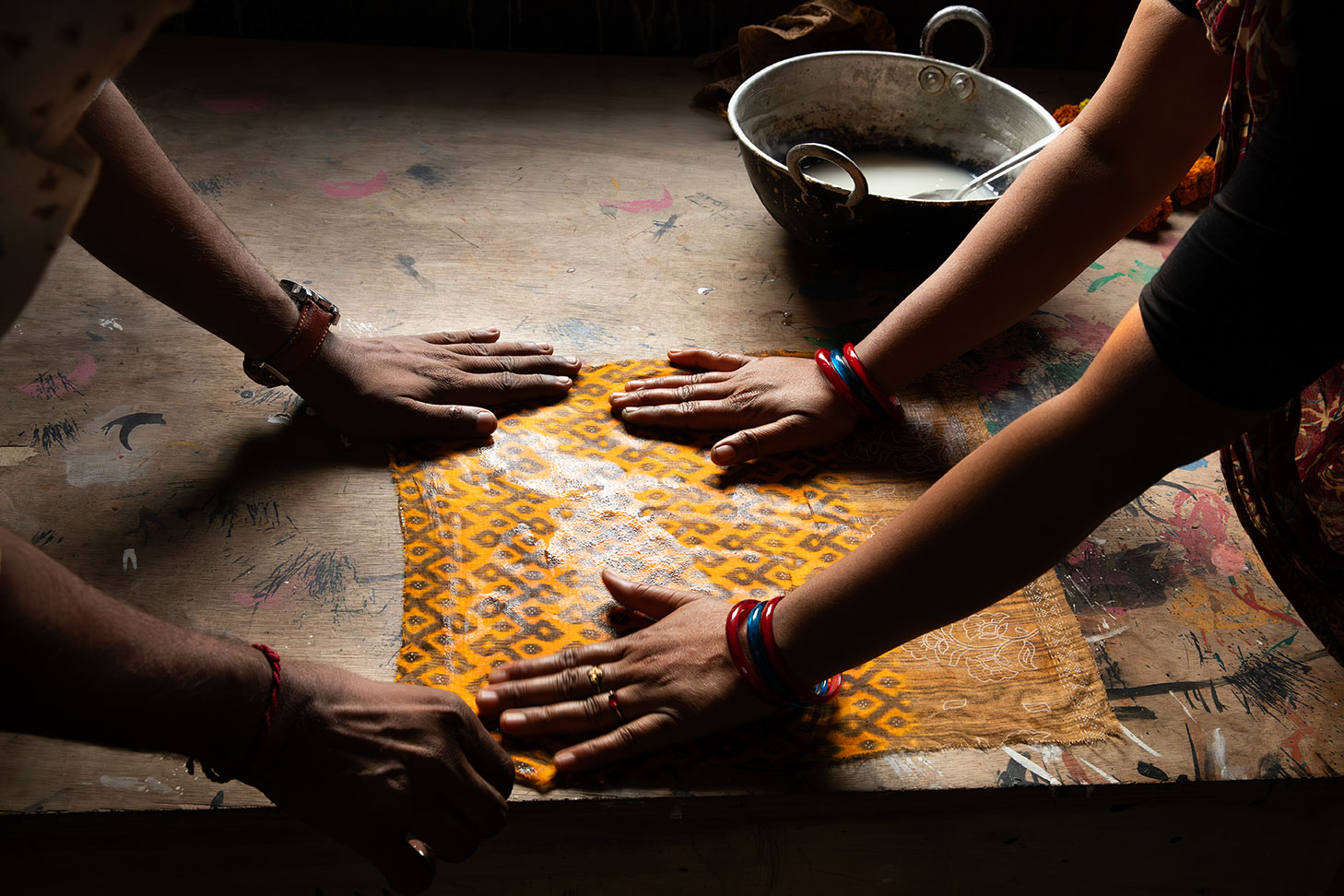
The term comes from the union, in Sanskrit, of the words Patta, which means piece of cloth, and Chitra which means image, hence “images on cloth”.
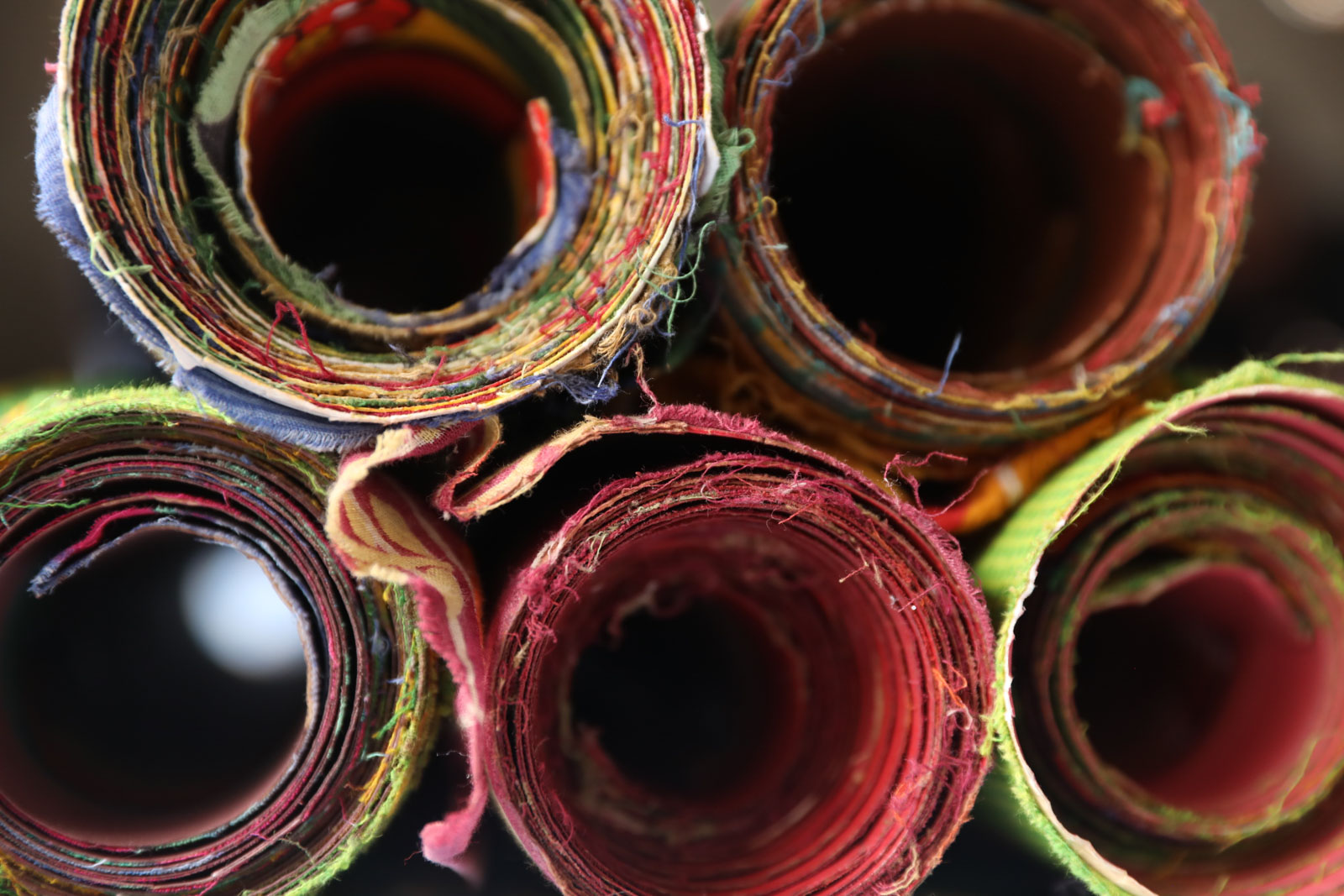
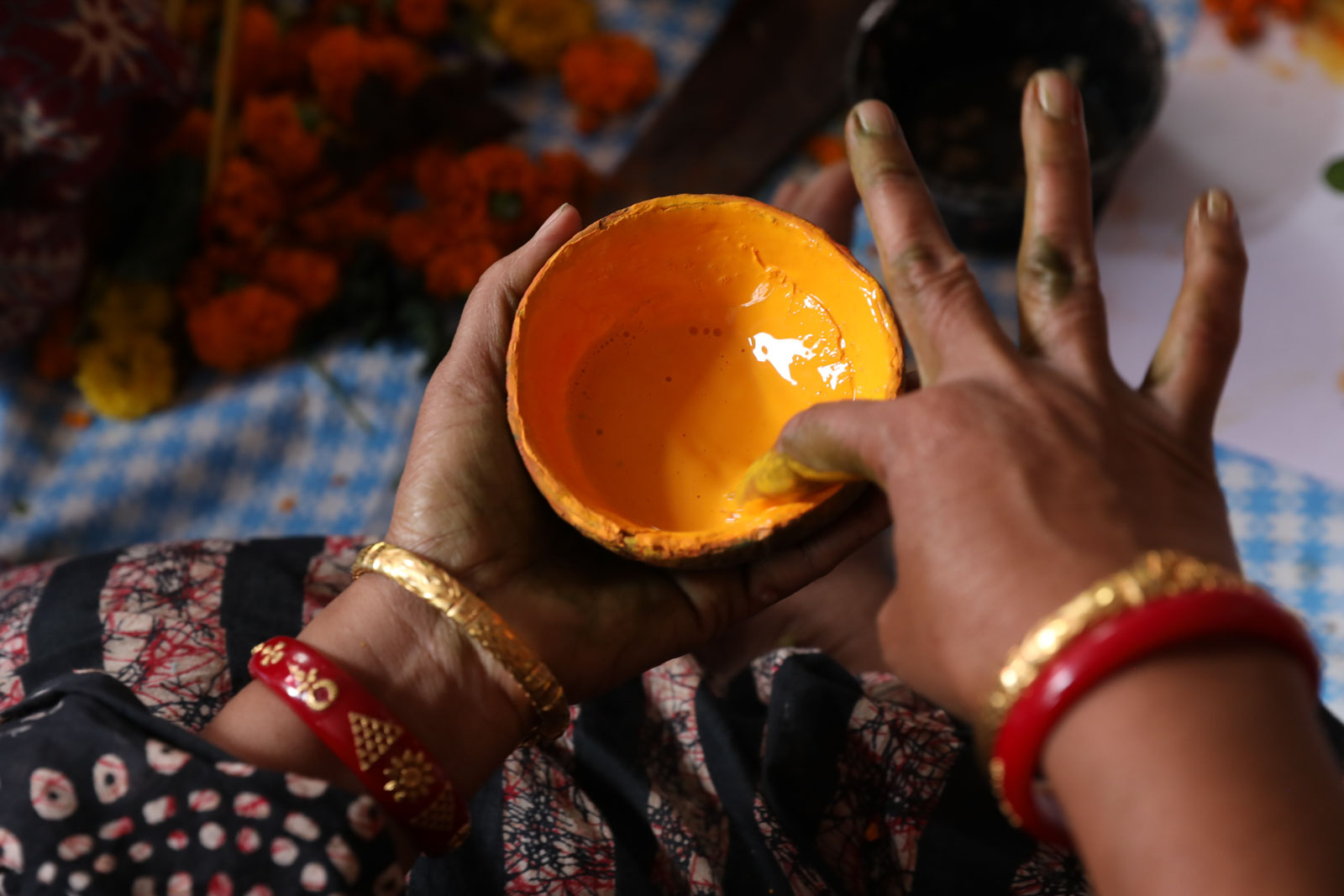
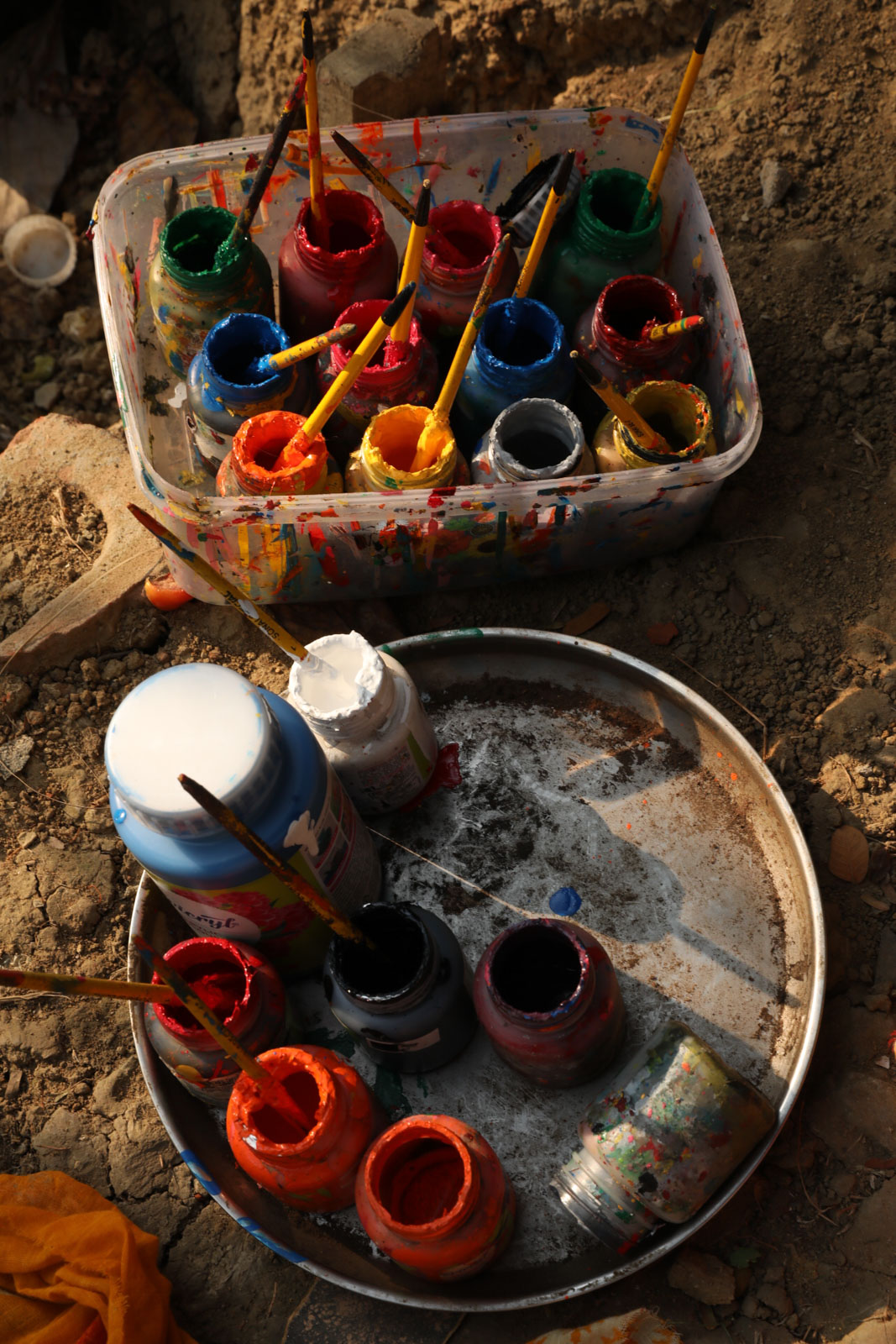
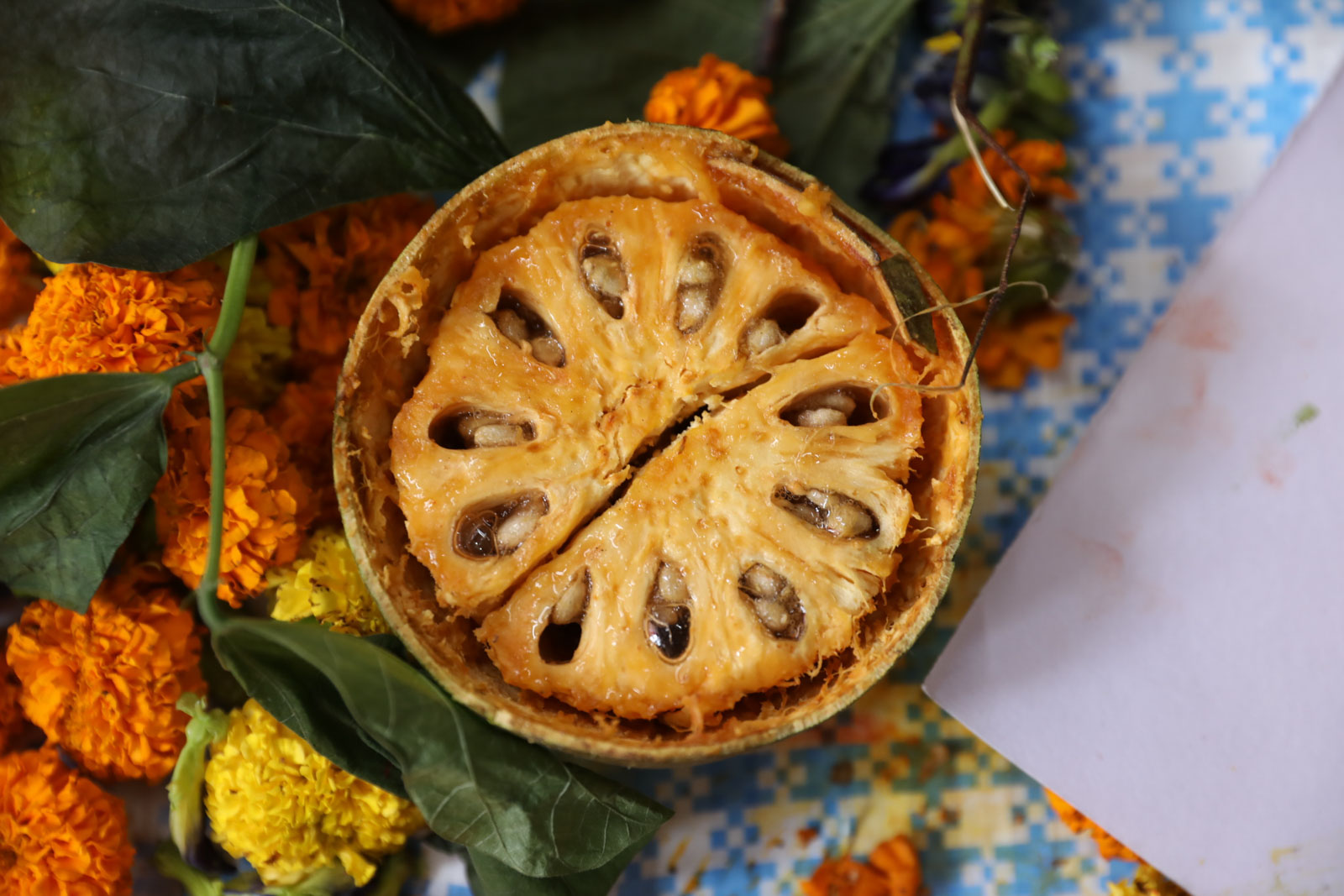
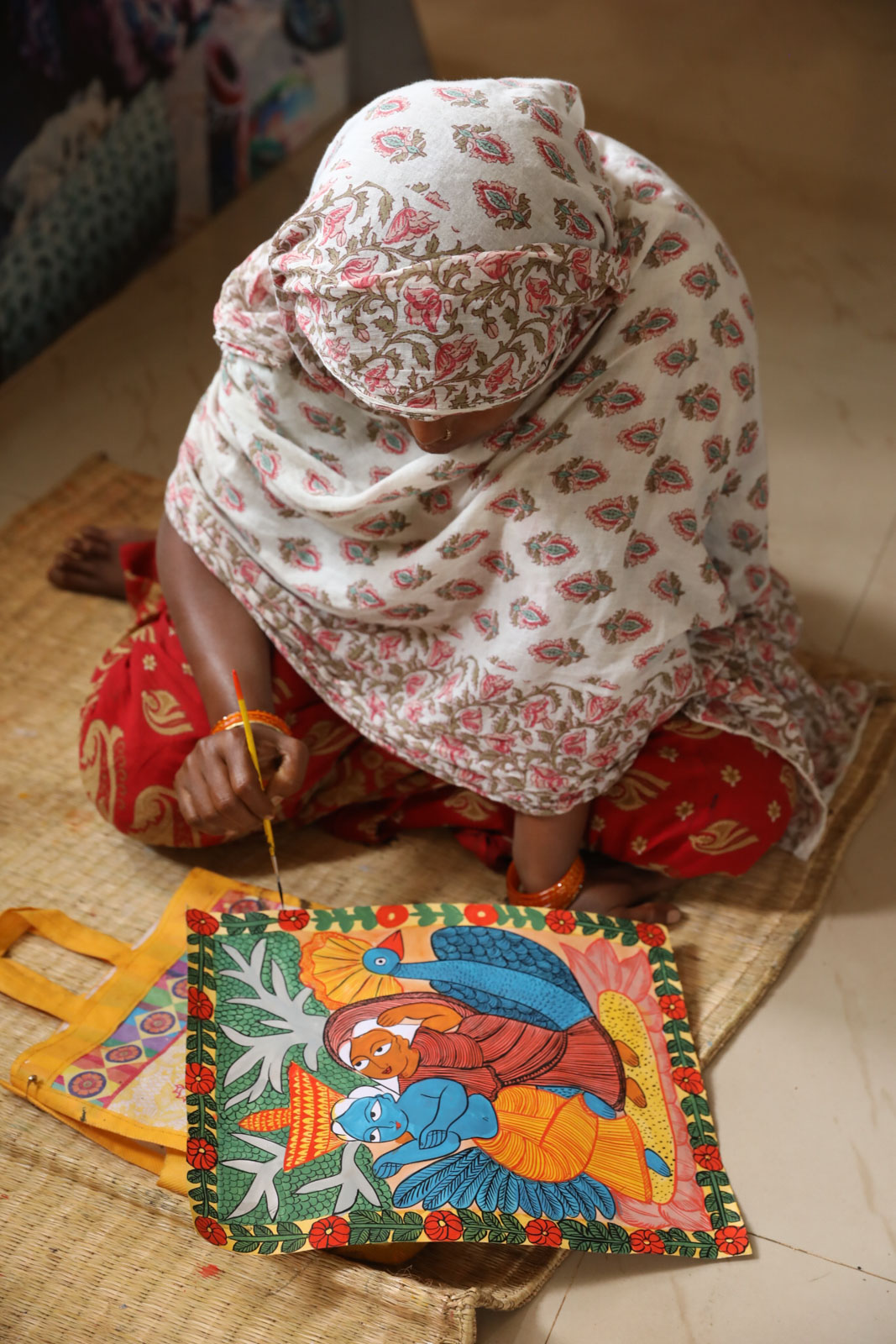
These are colorful strips of paper and fabric, of various sizes, painted mainly with natural colors obtained from local flowers and plants, respecting a thousand-year-old technique, whose main function is to tell stories.
The Chitrakar women accompany the slow unrolling of these panels with songs that describe their contents.
With them, the stories told have also evolved: alongside the classic themes that tell the myths of Hindu gods or aspects of nature, we find scrolls that deal with political, news and current affairs issues, such as the attack on the World Trade Center on September 11, the sinking of the Titanic, the tsunami tragedy, the problem of Covid as it is experienced and seen in the female community and also topics related to violence against womentag.
They show their works by moving to the various villages and states of India.
We can say that Patachitra, in addition to having a high artistic value, also have a high social and cultural value: through their diffusion, they are able to raise awareness of the various problems even those less well-off classes who hardly have access to information, thus reaching even illiterate people.
For Chitrakar women, the art of Patachitra represents a great form of economic emancipation and self-determination that wants to become the voice of the struggle of Indian women towards the conquest of equality.
ITALIANO
L’Arte dei Patachitra
Nel West Bengala c’è un villaggio in cui le donne, dette Chitrakar, sono portatrici di una tradizione risalente ad oltre 2500 anni fa, quella dei dipinti cantati, detti Patachitra o anche Scrolls.
Il termine proviene dall’unione, in sanscrito, delle parole Patta, che significa pezzo di stoffa, e Chitra che significa immagine, da cui “immagini su stoffa”.
Si tratta di coloratissime strisce di carta e tessuto, di varia misura, dipinte prevalentemente con colori naturali ottenuti da fiori e piante locali, nel rispetto di una tecnica millenaria, la cui funzione principale è quella di raccontare storie.
Le donne Chitrakar accompagnano il lento srotolare di questi pannelli con dei canti che ne descrivono i contenuti.
Con loro anche le storie raccontate si sono evolute: accanto ai temi classici che raccontano i miti delle divinità induiste o aspetti della natura, troviamo scrolls che affrontano temi politici, di cronaca e di attualità, quali l’attentato alle World Trade Center dell’11 settembre, l’affondamento del Titanic, la tragedia dello tsunami, il problema del Covid com’è vissuto e visto nella comunità femminile ed anche gli argomenti legati alla violenza sulle donne.
Mostrano le loro opere spostandosi nei vari villaggi e nei diversi Stati dell’India.
Possiamo dire che i Patachitra oltre ad avere un’alta valenza artistica, hanno anche un’alta valenza sociale e culturale: attraverso la loro diffusione, riescono a sensibilizzare sulle varie problematiche anche quei ceti meno abbienti che difficilmente hanno accesso alle informazioni, raggiungendo così anche le persone analfabete.
Per le donne Chitrakar l’arte dei Patachitra rappresenta una grande forma di emancipazione economica e di autodeterminazione che vuole farsi voce della lotta delle donne indiane verso la conquista della parità.