Stefano Minardi-Sardinian Carnival
Sardinian Carnival
This project is inspired by my travels through Sardinia over the past few years. The Sardinian Carnival does not reflect the theme of joy and color, as we mainlanders are used to, but rather highlights the strong and deep connection with the agro-pastoral world and its rites, which have ancient and mostly mysterious origins.
Each Sardinian community expresses these themes through masks that evoke the cycles of nature and animals. I found myself immersed in the Barbagia region, within the Supramonte mountains.
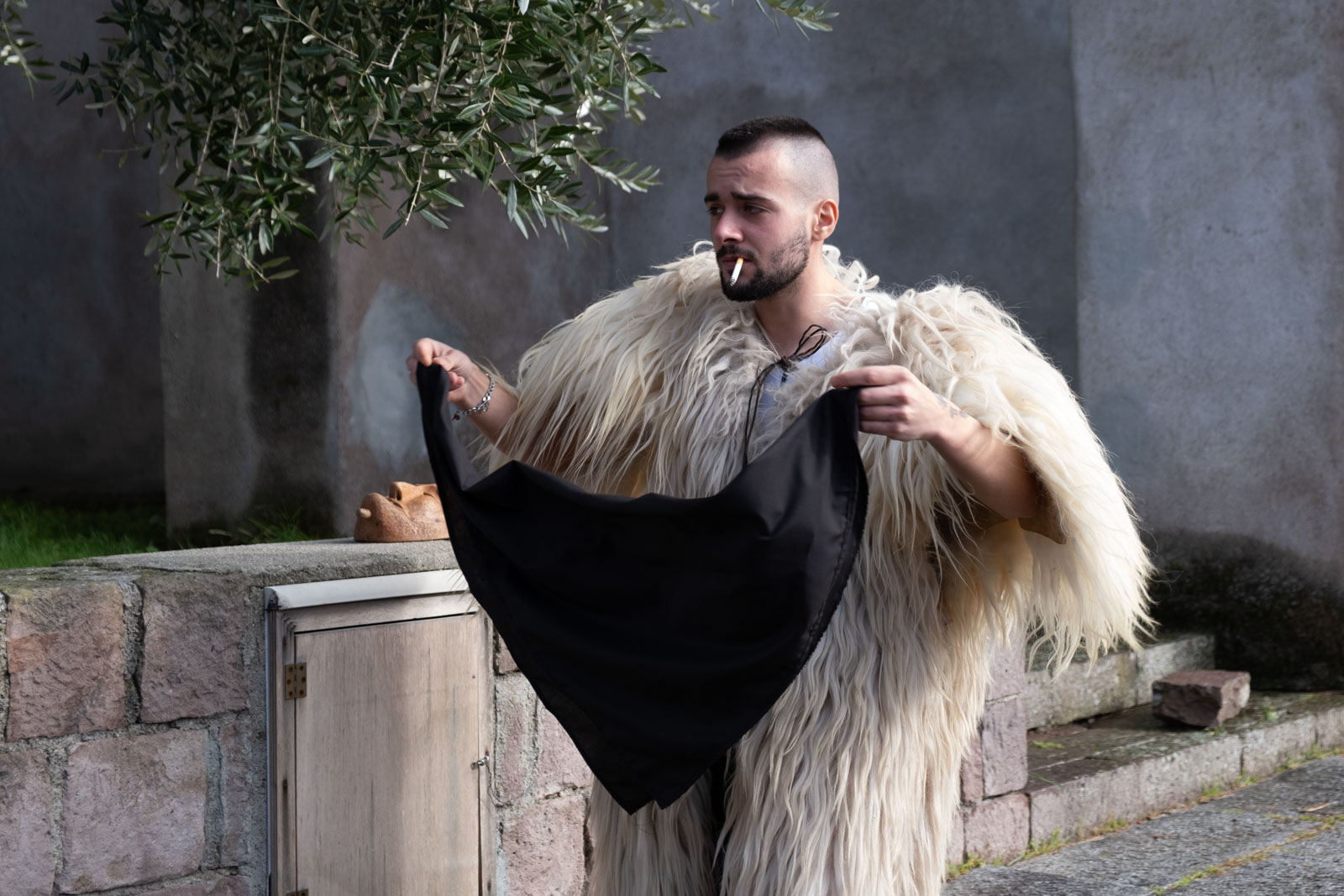
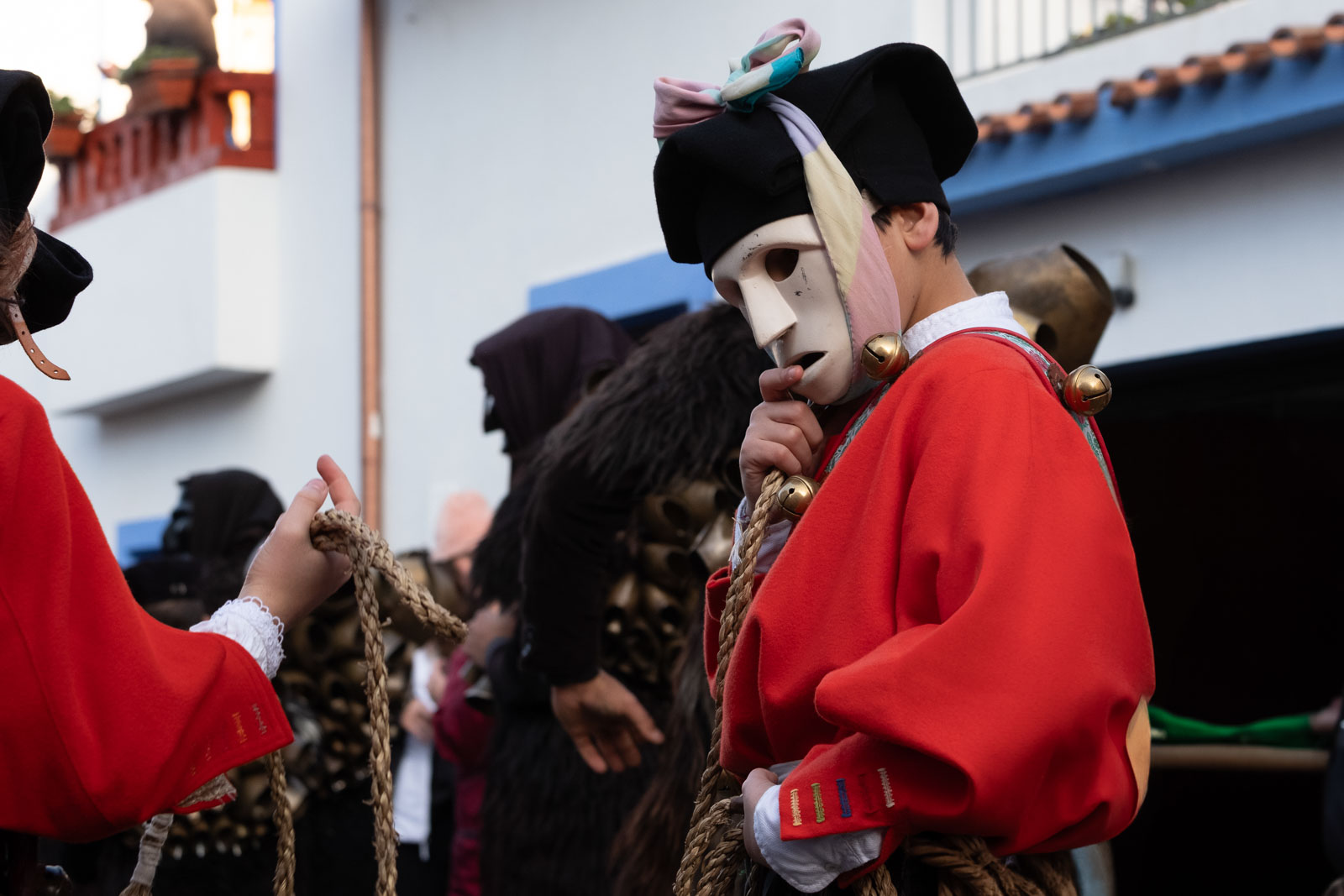
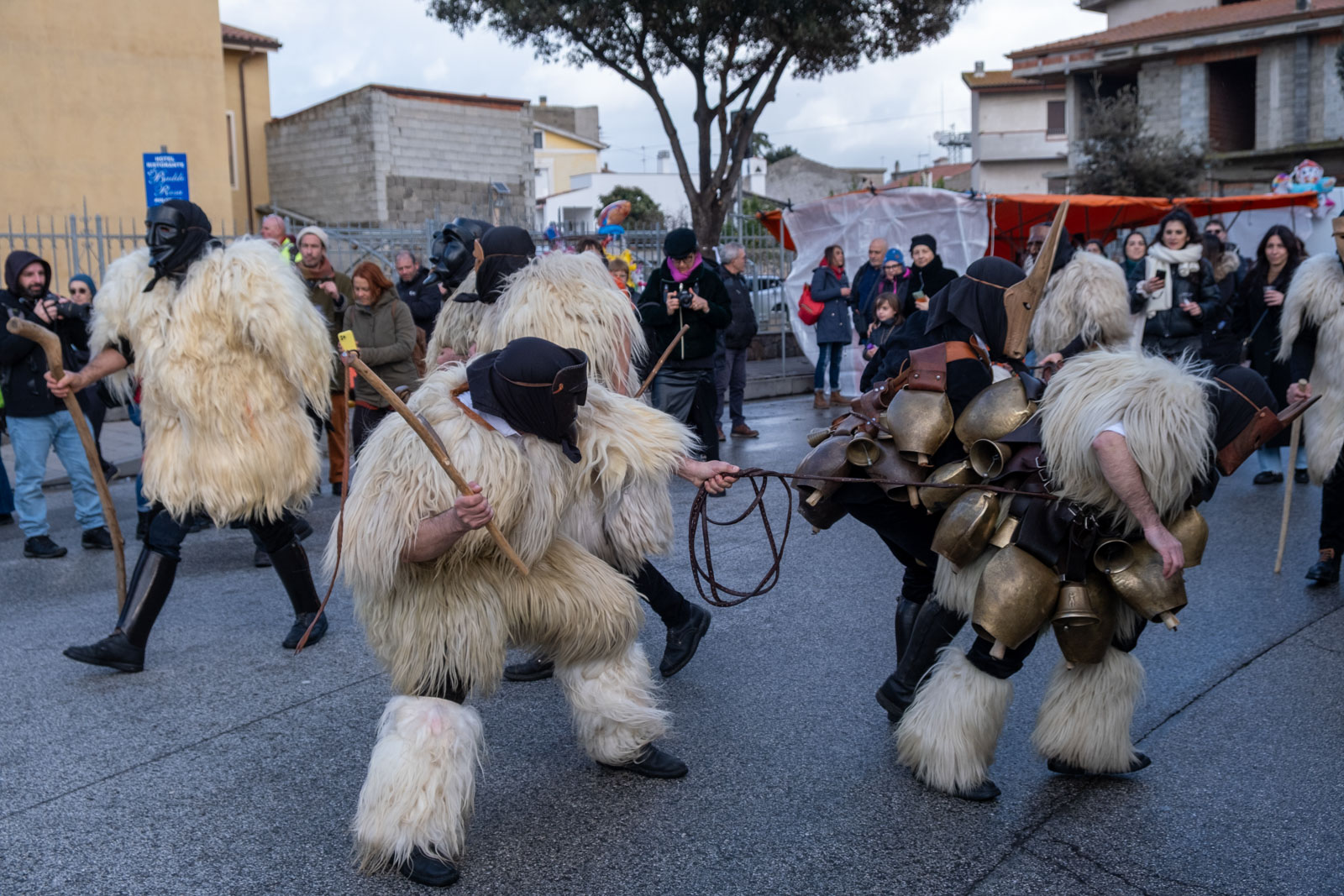
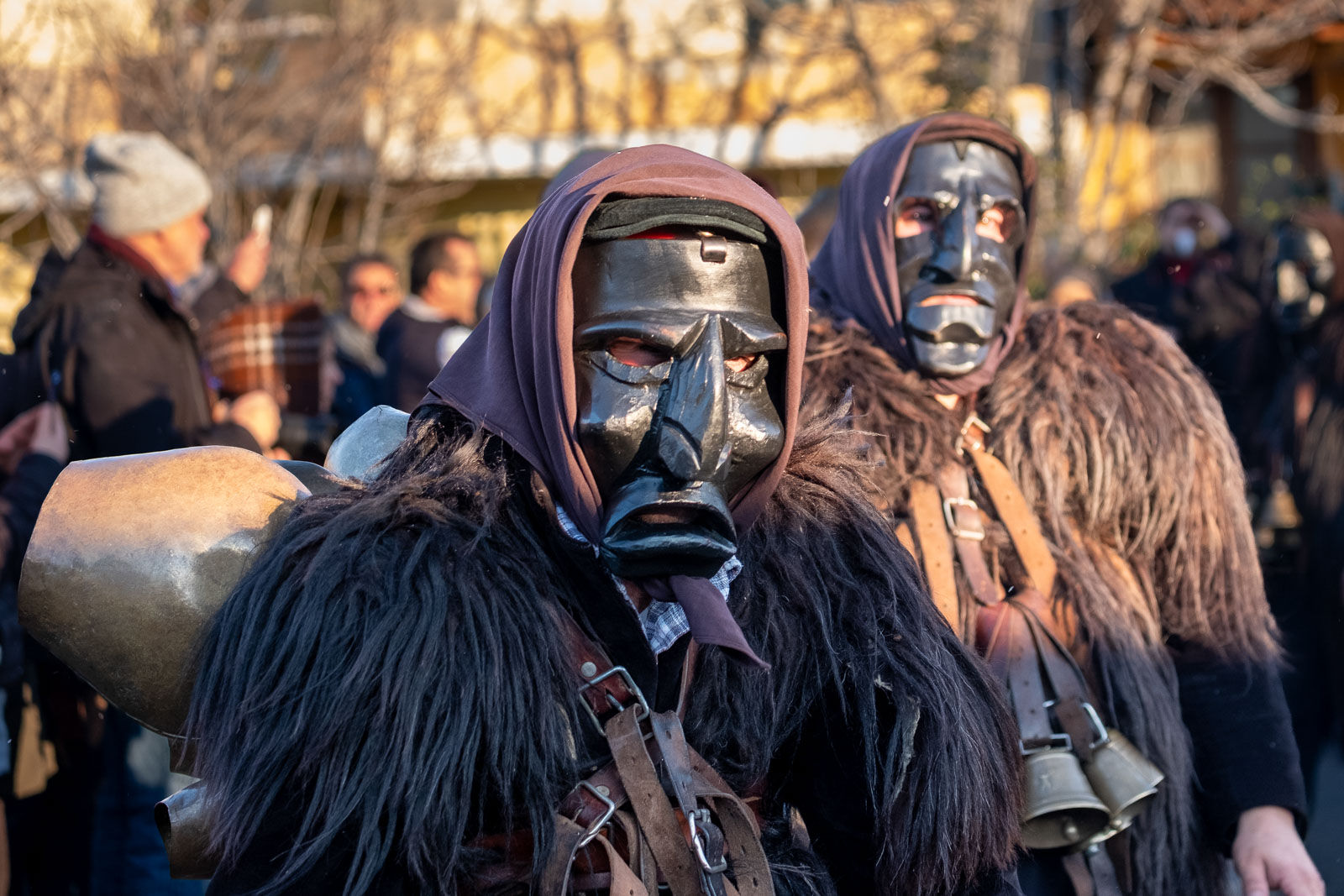
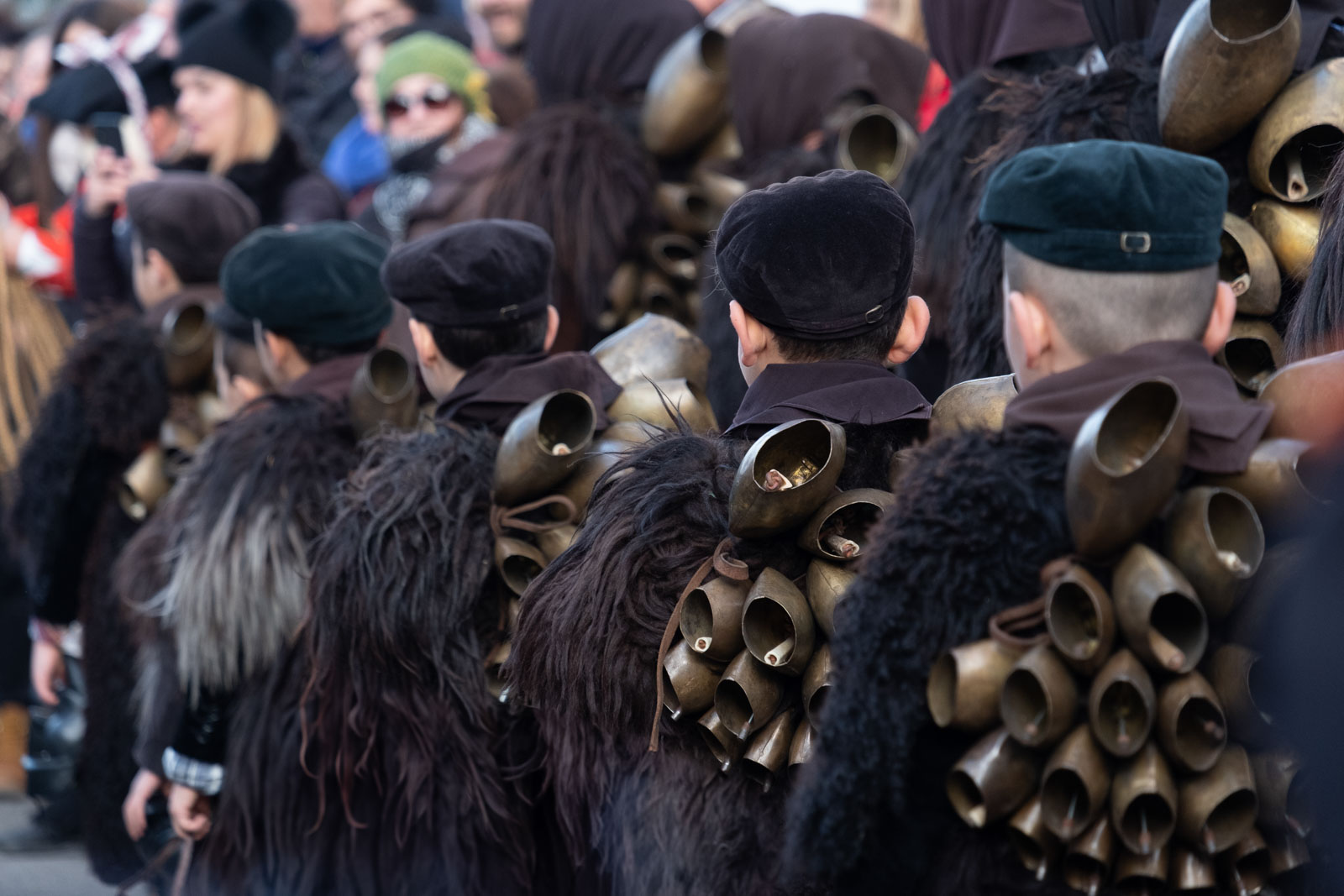
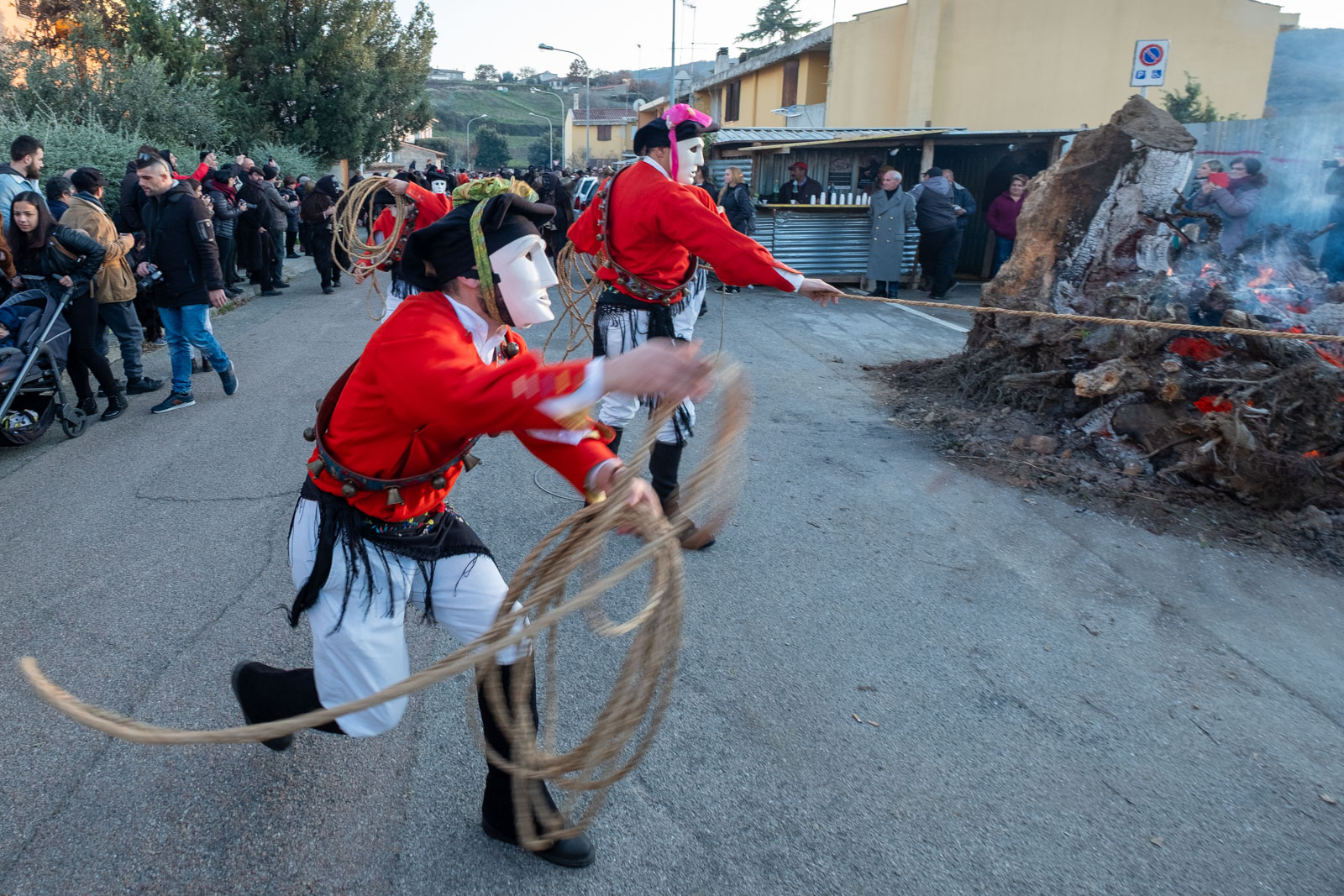
I was drawn to the famous Mamuthones and Issohadores masks of Mamoiada. It is believed that these two types of masks represent the duality between chaos and order. The Mamuthones, with their powerful presence and dark furs, symbolize chaos, while the Issohadores, with their colorful costumes and the rope they use to catch passersby, represent order.
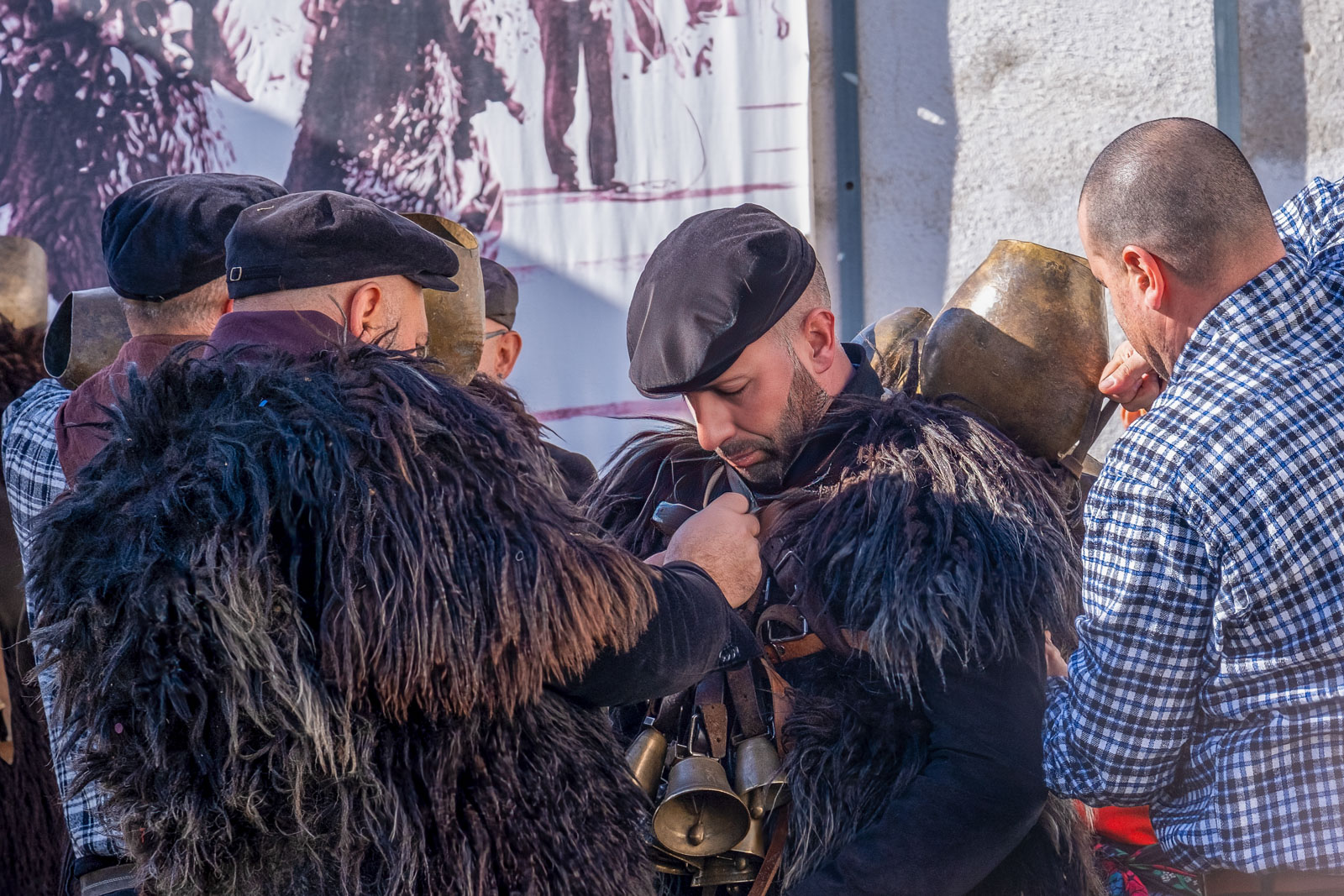
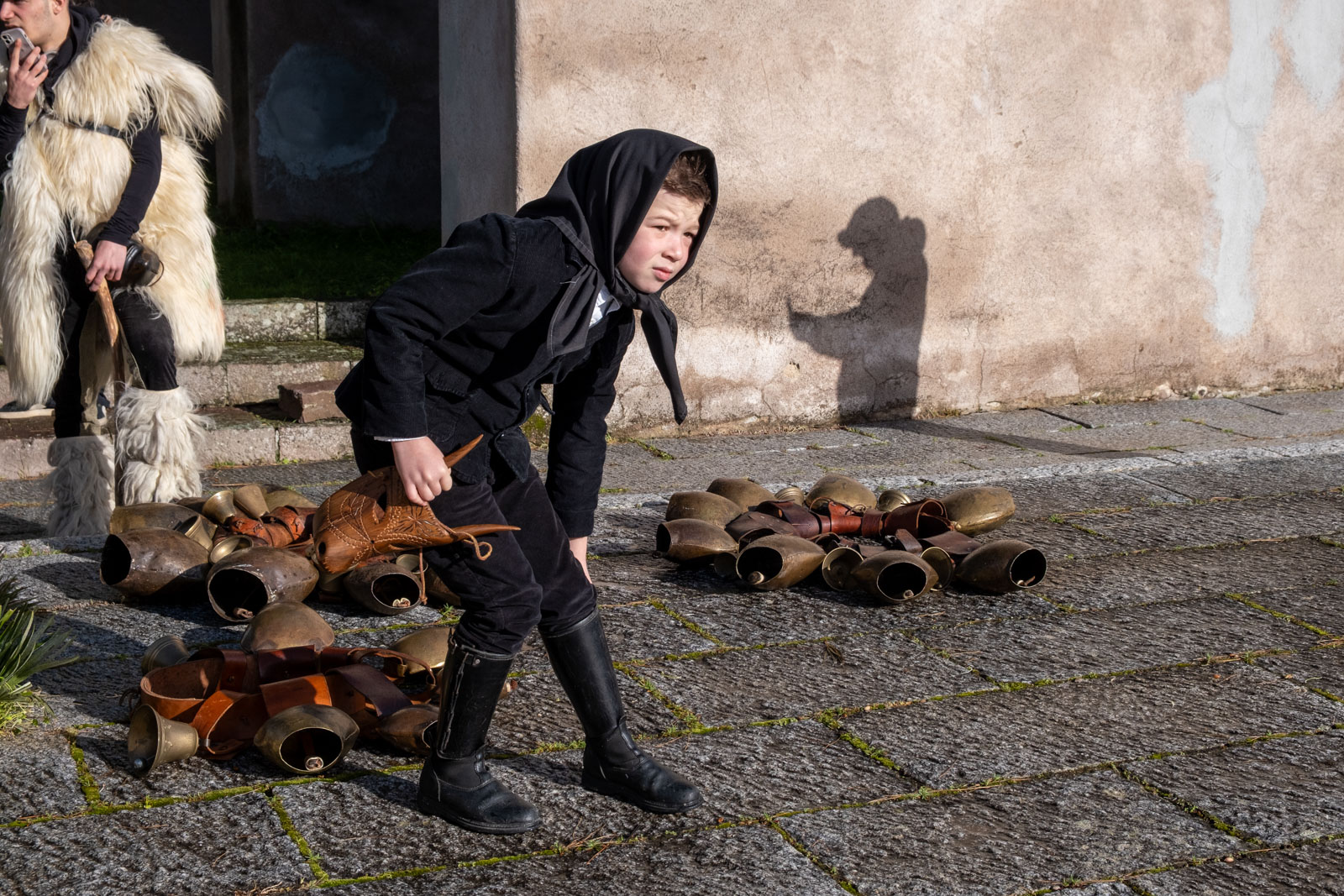
It is also thought that these masks take part in a propitiatory ritual to ensure the fertility of the land. The cowbells on their shoulders, weighing up to 35 kg, are used in a rhythmic march to awaken nature after the winter. Their slow, heavy steps symbolize human suffering and toil.
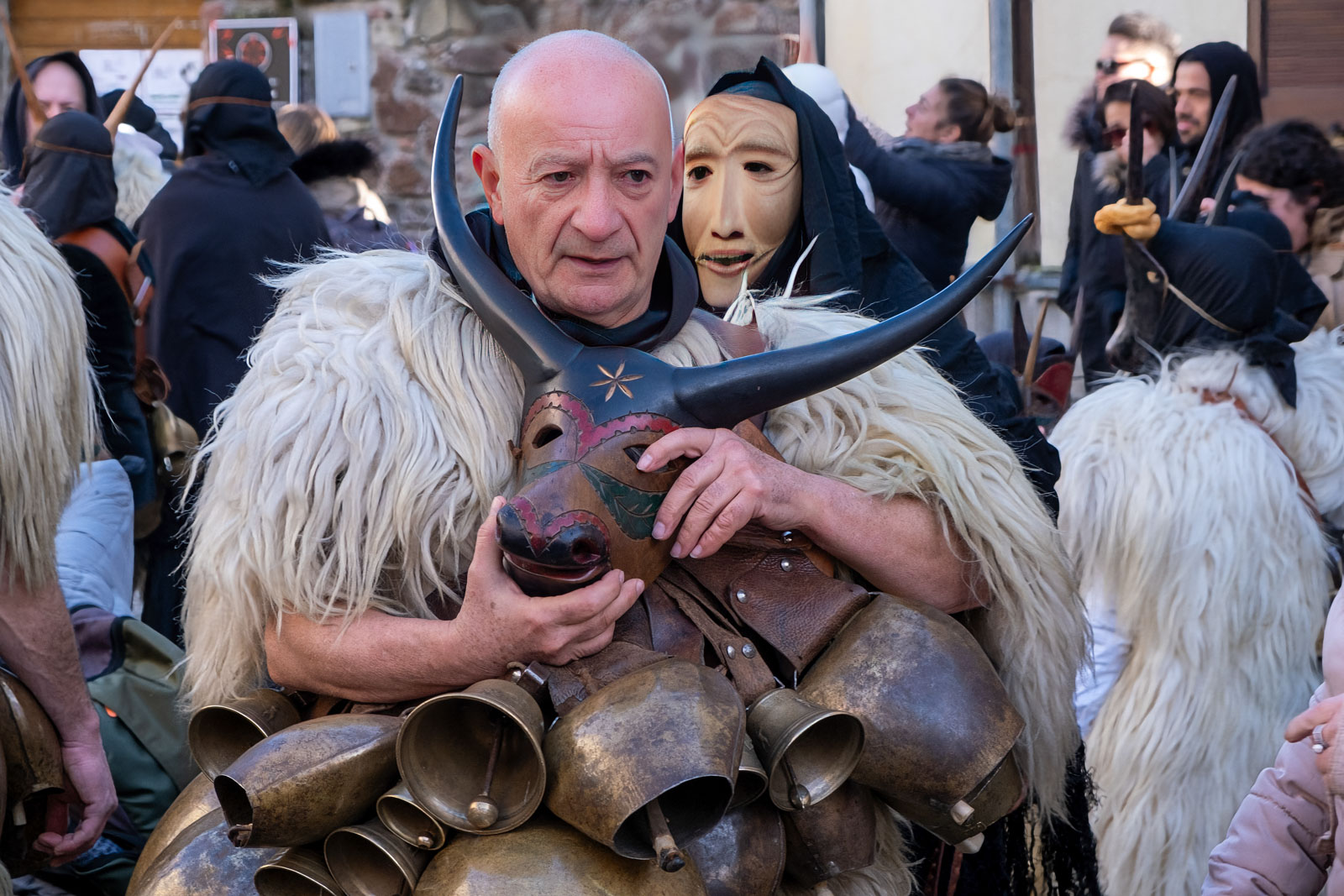
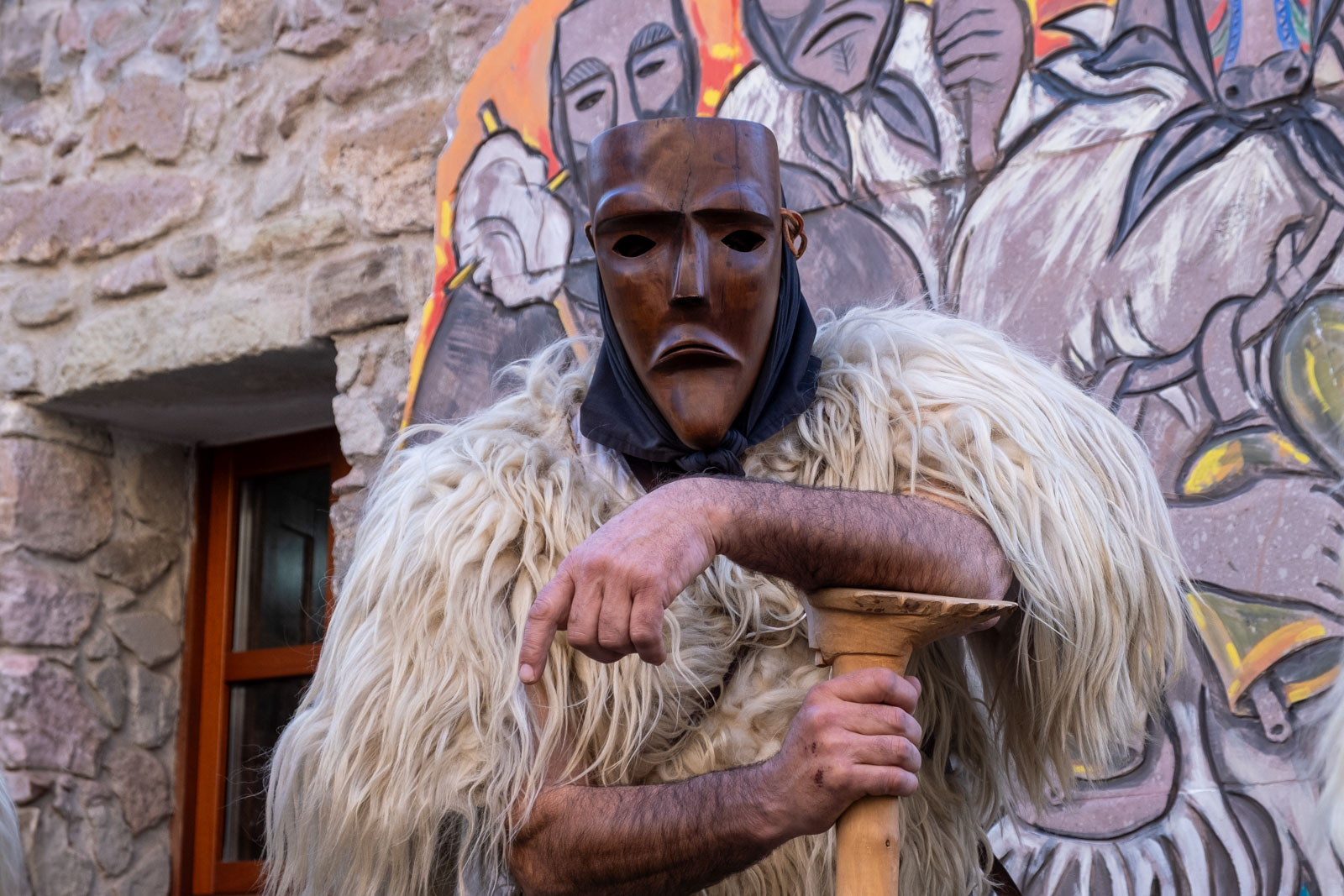
Nearby lies Ottana, where the masks are the Boes and Merdules. The wooden Boes masks represent ox heads, and their movements evoke the wildness of nature. The Merdules wear grotesque, anthropomorphic and frightening masks and are tasked with taming the Boes.
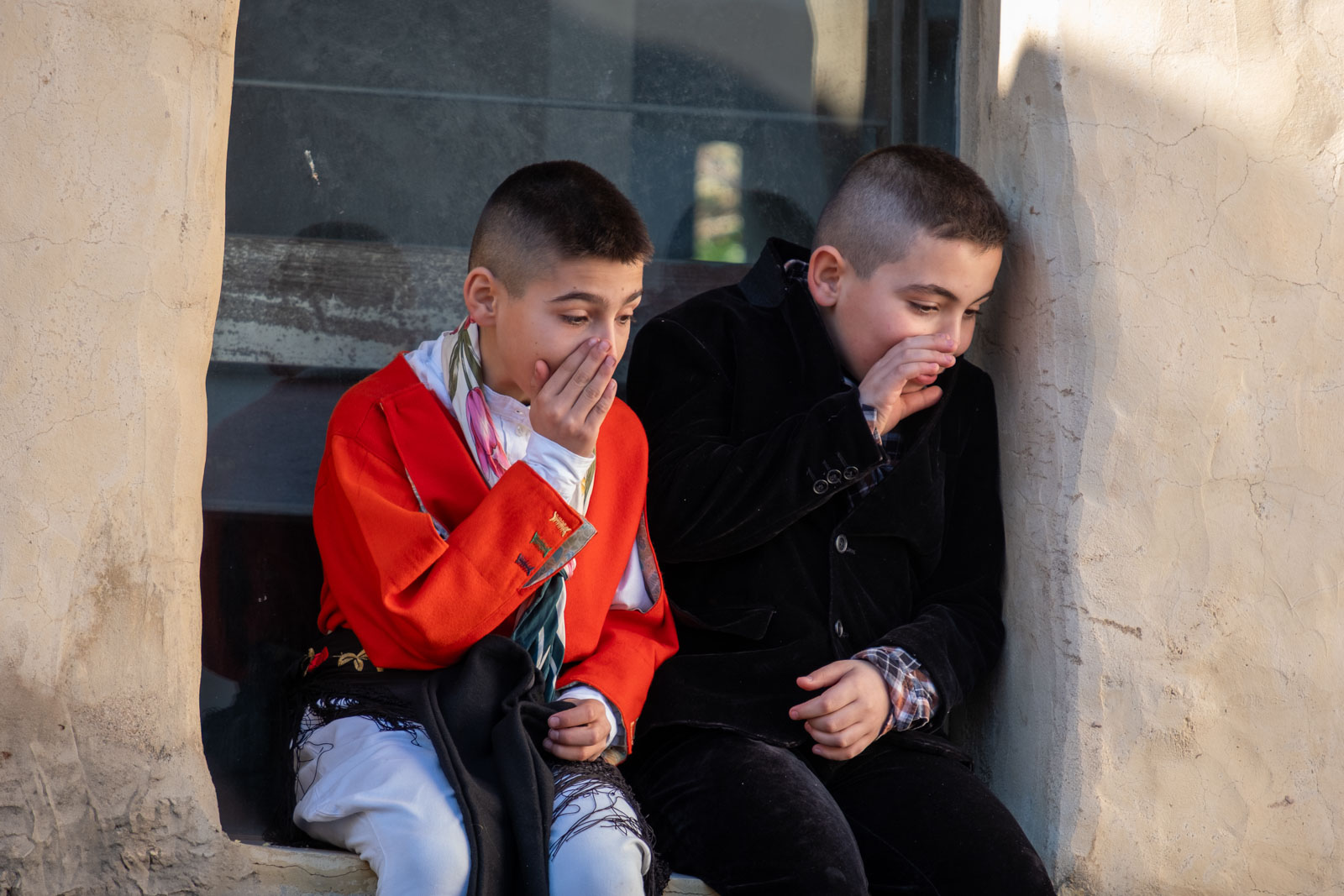
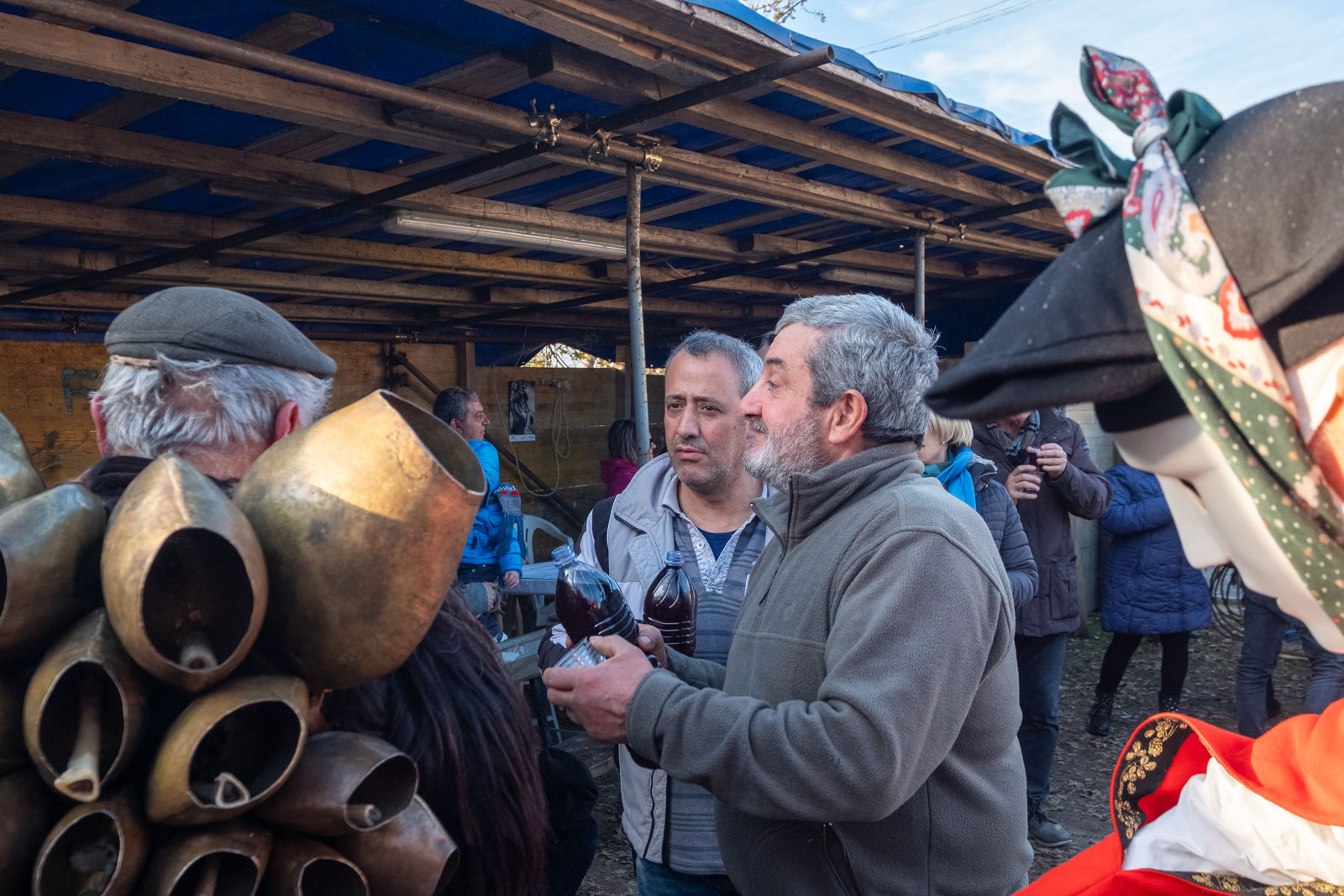
In both Mamoiada and Ottana, I was able to capture different moments of the carnival ritual, the preparation, which is as emotional as the parade itself, the pauses with wine and local sweets, and the close bond between adults and young people, from which one can sense the tradition and pride of the participants.
This is not merely a carnival; it is a timeless rite of passage that seeks to break into our often overly rational world.
ITALIANO
Carnevale sardo
Questo progetto trae spunto dai miei viaggi in terra sarda durante gli ultimi anni. Il Carnevale sardo non rispecchia il tema dell’allegria e del colore, come siamo abituati noi continentali, bensì esalta il legame forte e profondo con il mondo agro-pastorale ed i suoi riti che hanno origini lontane nel tempo per lo più misteriose. Ogni comunità sarda rappresenta queste tematiche attraverso maschere che richiamano i cicli della natura e degli animali. Mi sono perduto nei territori della Barbagia nel Supramonte.
Sono stato attirato dalle famose maschere dei Mamuthones e degli Issohadores a Mamoiada. Si pensa che le due maschere rappresentino il dualismo tra caos e ordine. I Mamuthones con la loro potenza e le pellicce scure rappresentano il caos, gli Issohadores con i loro vestiti colorati e la fune che cerca di catturare chi gli passa vicino, rappresentano l’ordine. Si ipotizza inoltre che queste maschere marcino evocando un rito propiziatorio per la fertilità della terra. I campanacci sulle spalle, che pesano fino a 35 kg, attraverso la marcia cadenzata, avrebbero lo scopo di risvegliare la natura dopo l’inverno. Il loro passo lento raffigurerebbe la sofferenza e la fatica umana.
Vicino si trova Ottana, dove le maschere sono i Boes ed i Merdules. Le maschere lignee dei Boes rappresentano teste di bue ed i loro movimenti richiamano la natura selvaggia. I Merdules indossano maschere antropomorfe grottesche e spaventose ed hanno il compito di domare i Boes.
Sia a Mamoiada sia ad Ottana sono riuscito a cogliere i momenti diversi del rito carnevalesco. La preparazione, emozionante quanto la sfilata vera e propria, le pause con il vino ed i dolci locali, lo stretto rapporto tra gli adulti ed i ragazzi dal quale si evince la tradizione e l’orgoglio che i protagonisti manifestano.
Non è solo un carnevale, è rito di passaggio sempre uguale nei secoli che cerca di contaminare il nostro mondo a volte troppo razionale.