Luigi Vigliotti – SAFE
SAFE (Stones As Fading Echoes)
THE SOUND OF NOTHINGNESS AMONG THE RUINS OF MOSUL
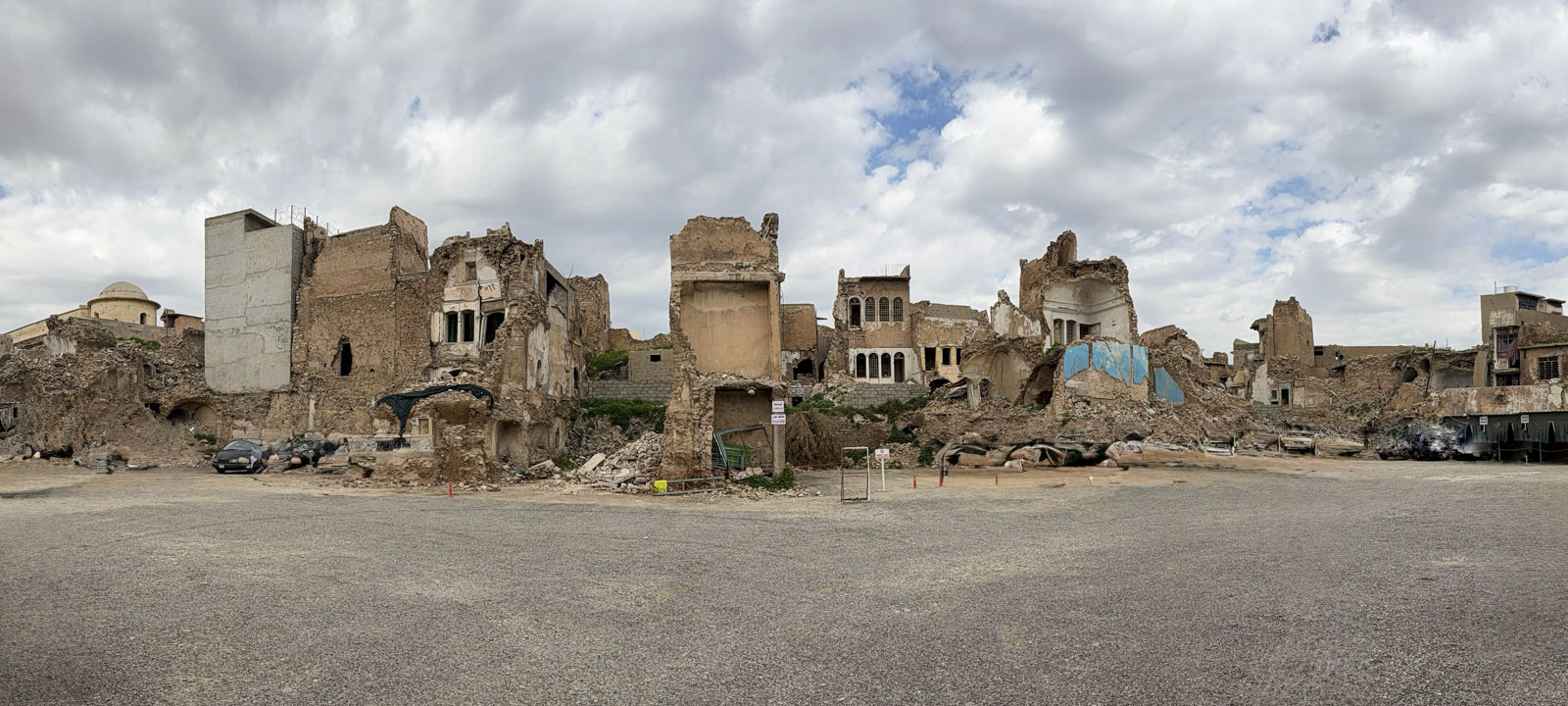
Ten years ago, Mosul was the scene of the largest urban battle fought since the Second World War. For months the old city became a fortress. The guerrillas of the self-proclaimed Islamic State (ISIS), barricaded in the alleys of the historic center, resisted the siege of Kurdish forces, the Iraqi army and the international coalition. When defeat became inevitable, they destroyed what they considered symbols to be erased: churches, mosques, mausoleums, houses and entire blocks were mined or blown up, turning the city into a trap.
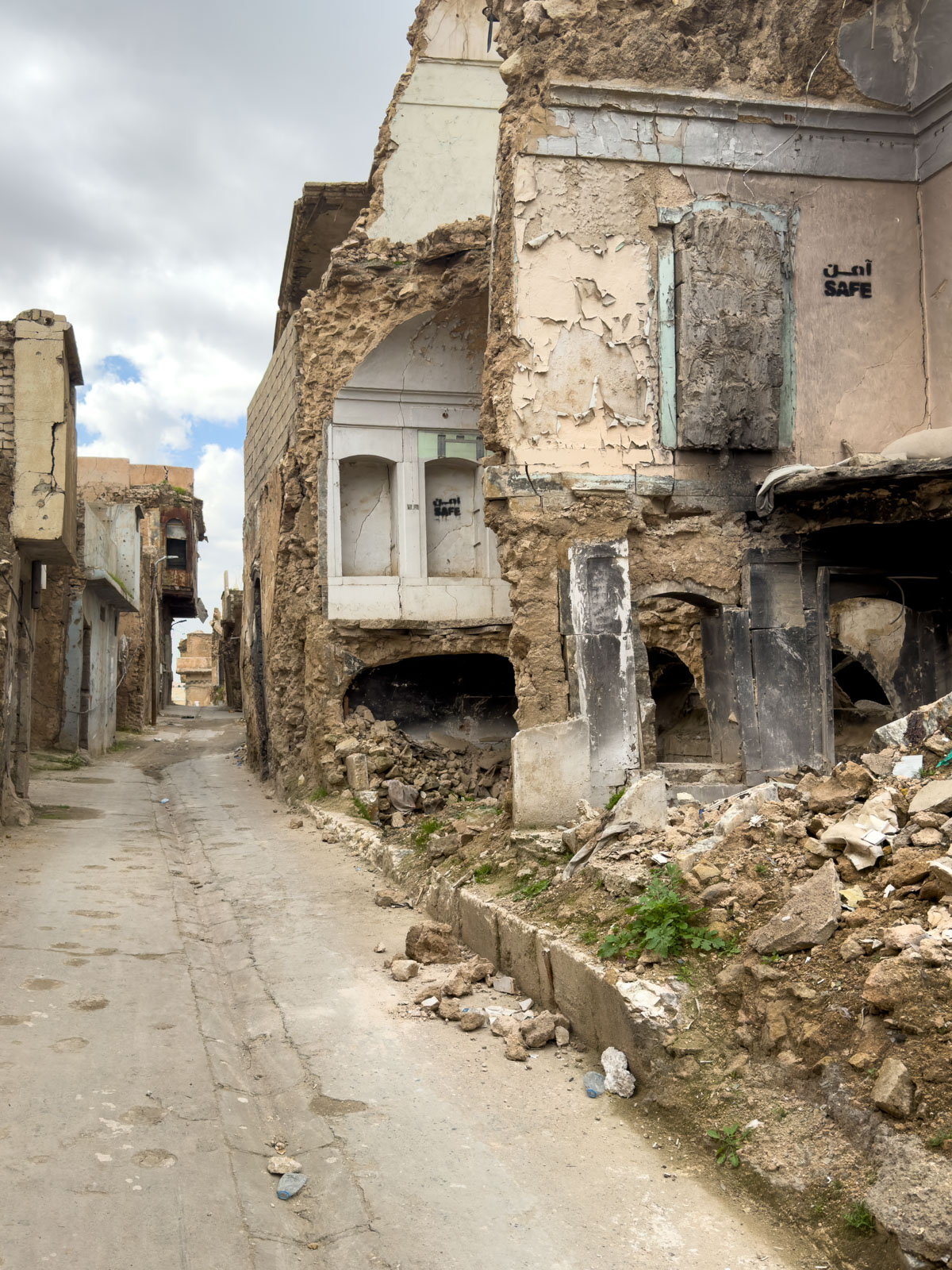
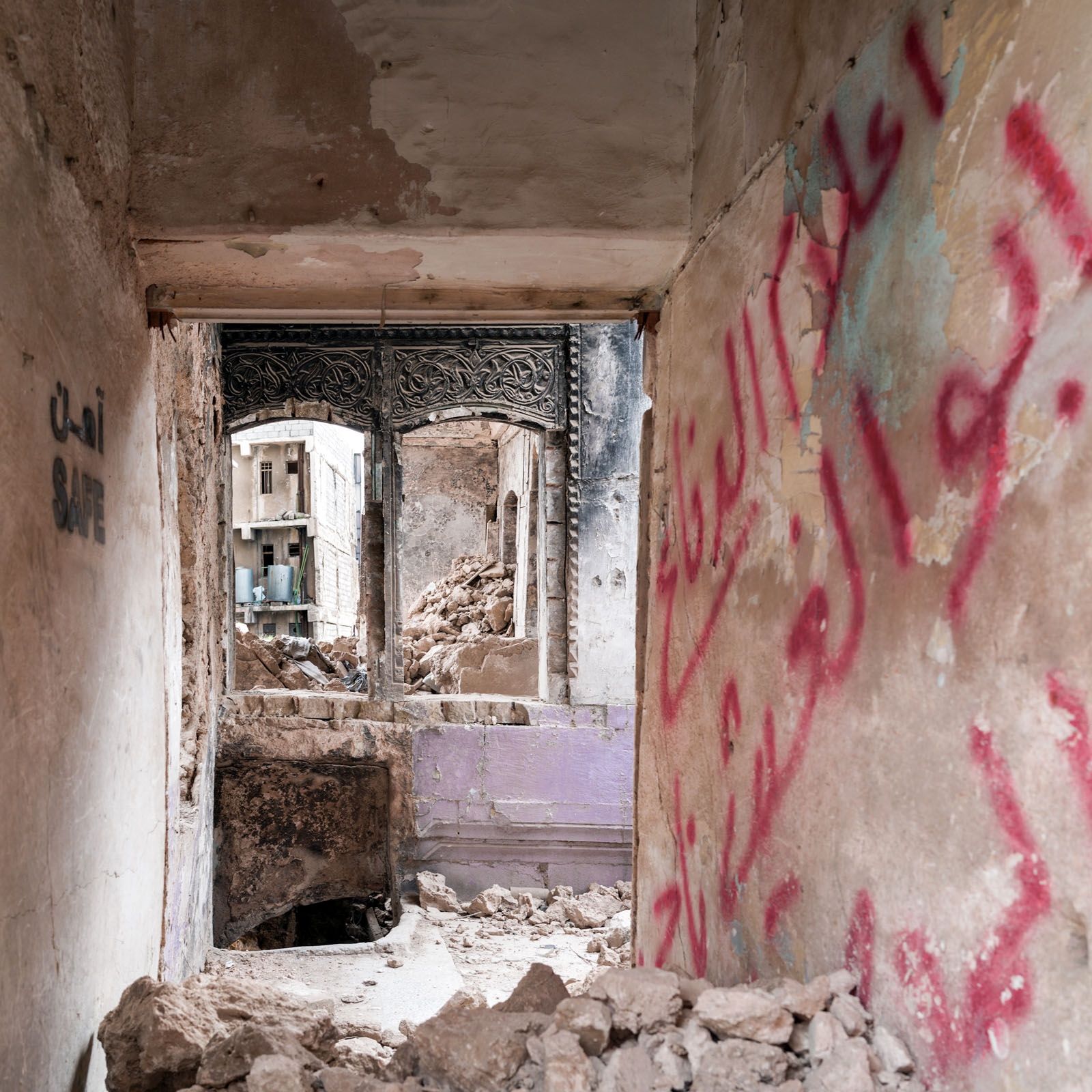
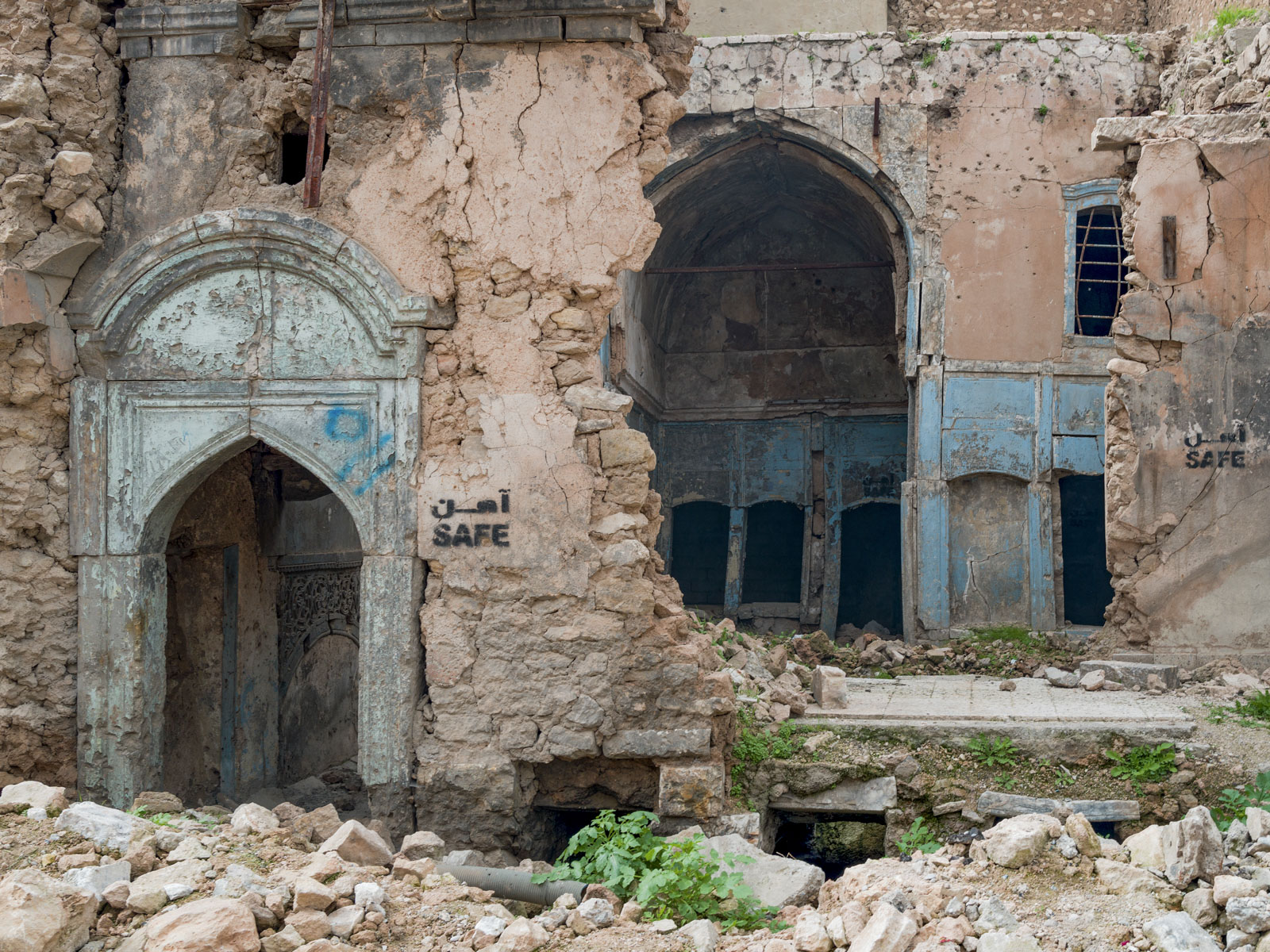
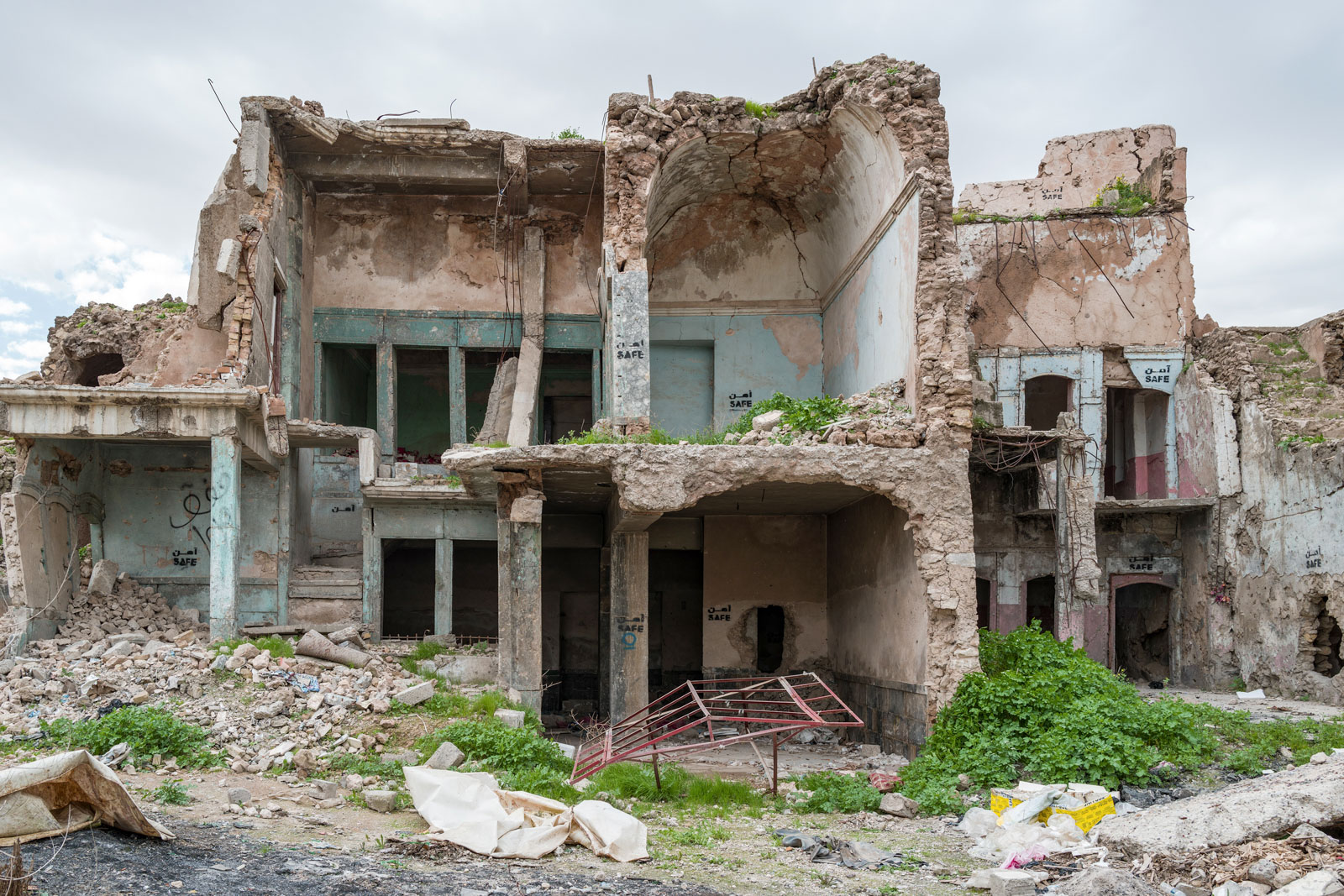
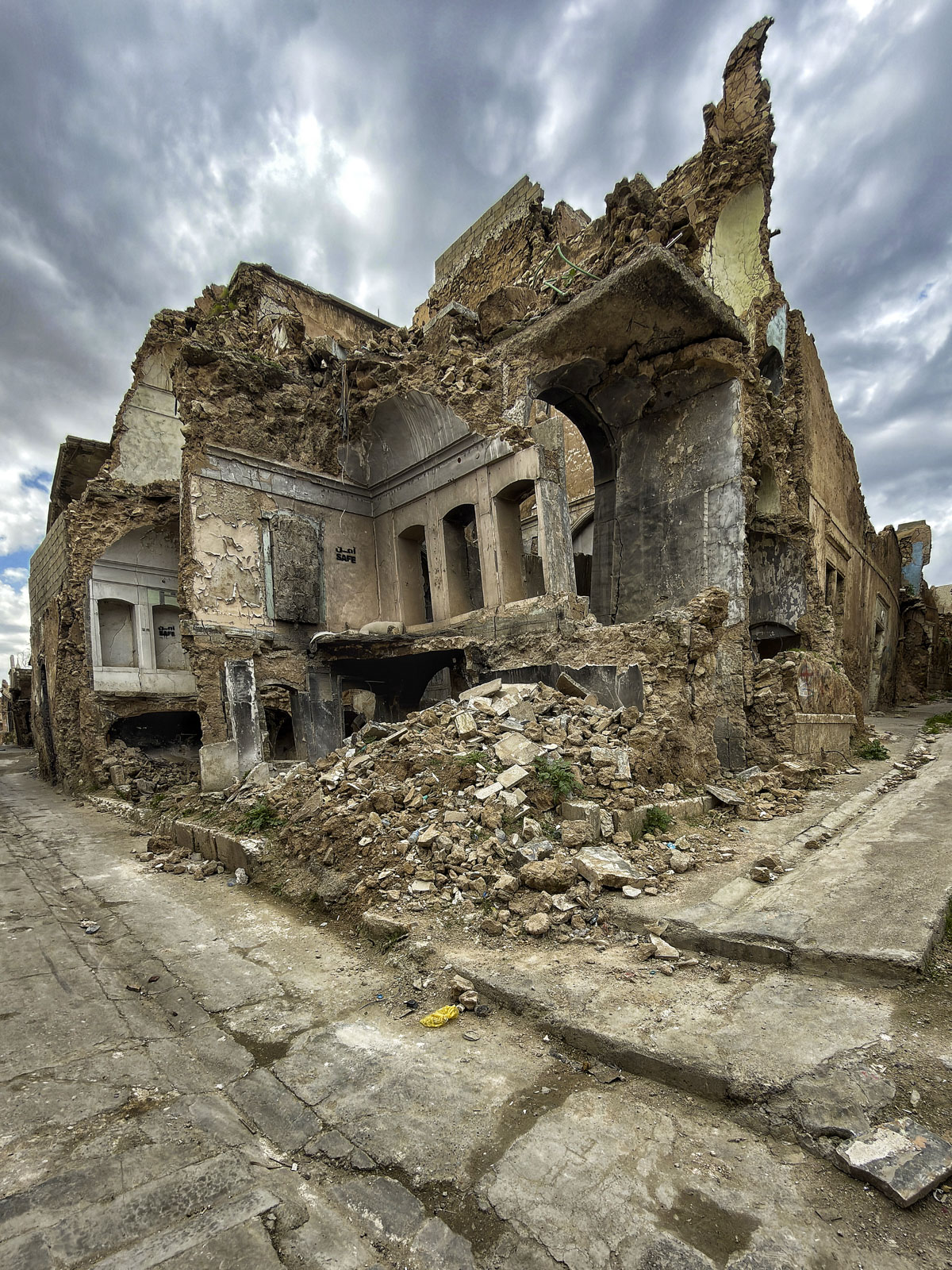
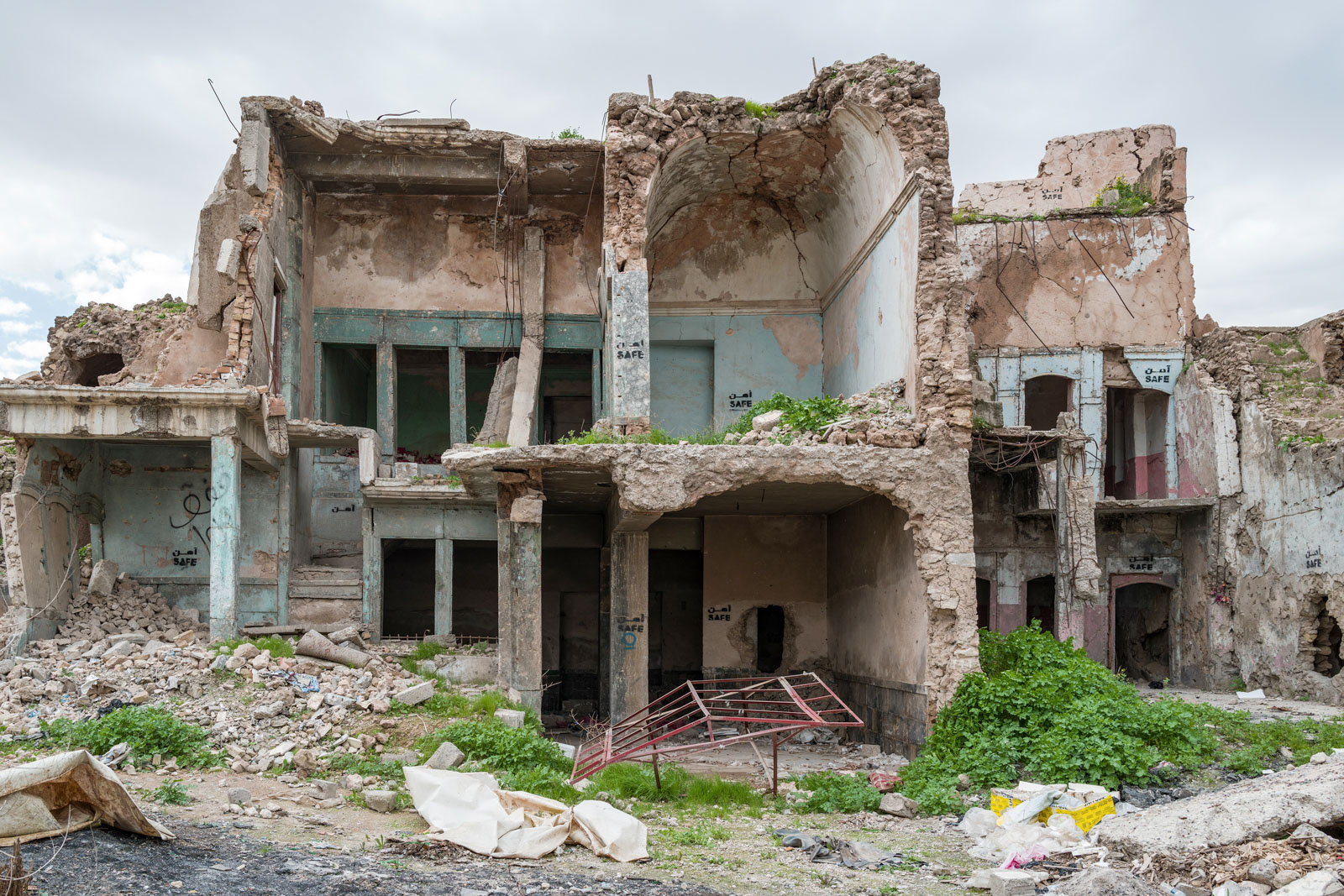
The liberation of Mosul required nine months of fighting. The clearance of the ordnance and mines scattered in the old city lasted another three years. At the end of the operations, the bomb squad left a simple writing on the walls traced with spray paint: SAFE.
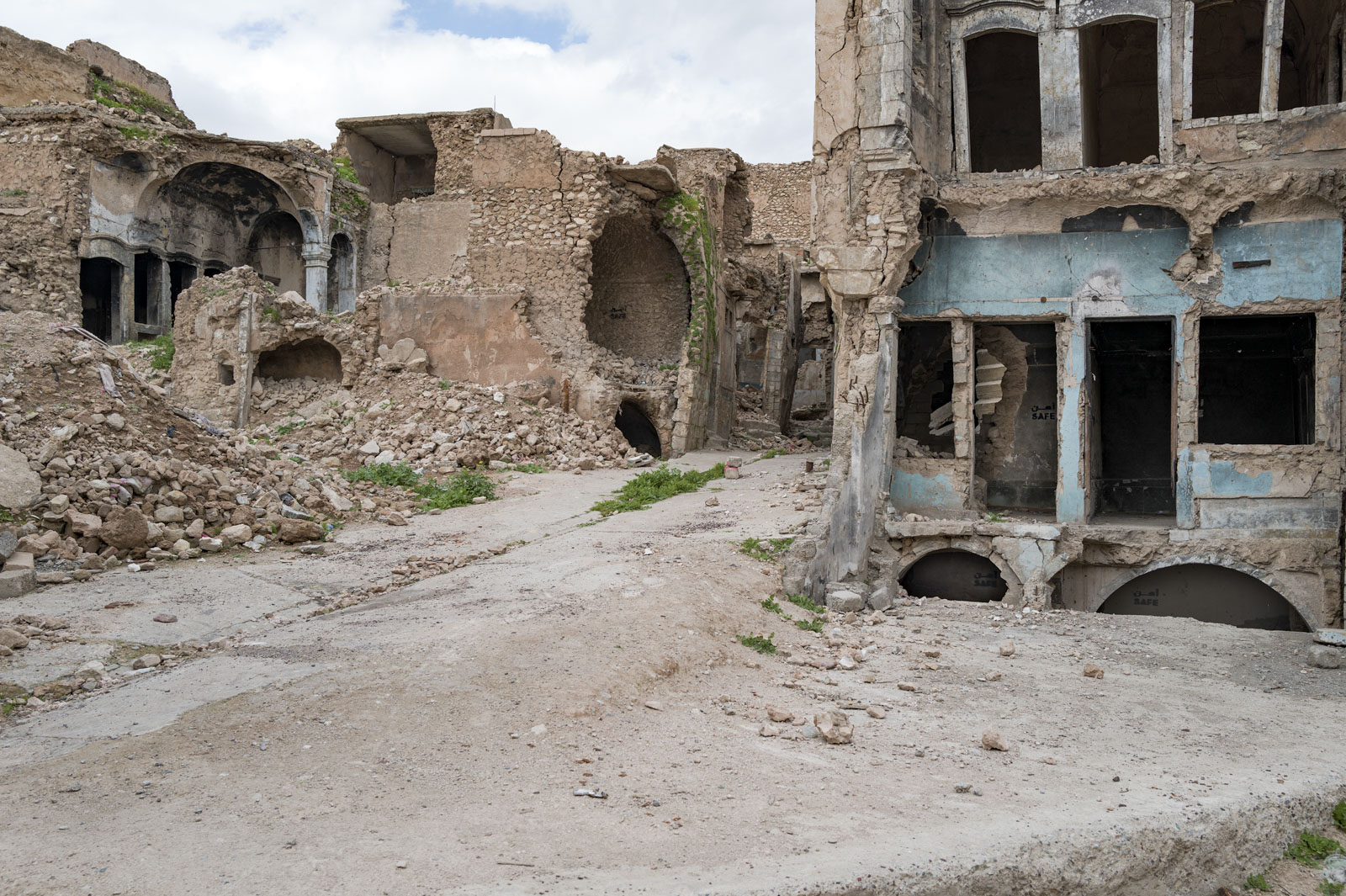
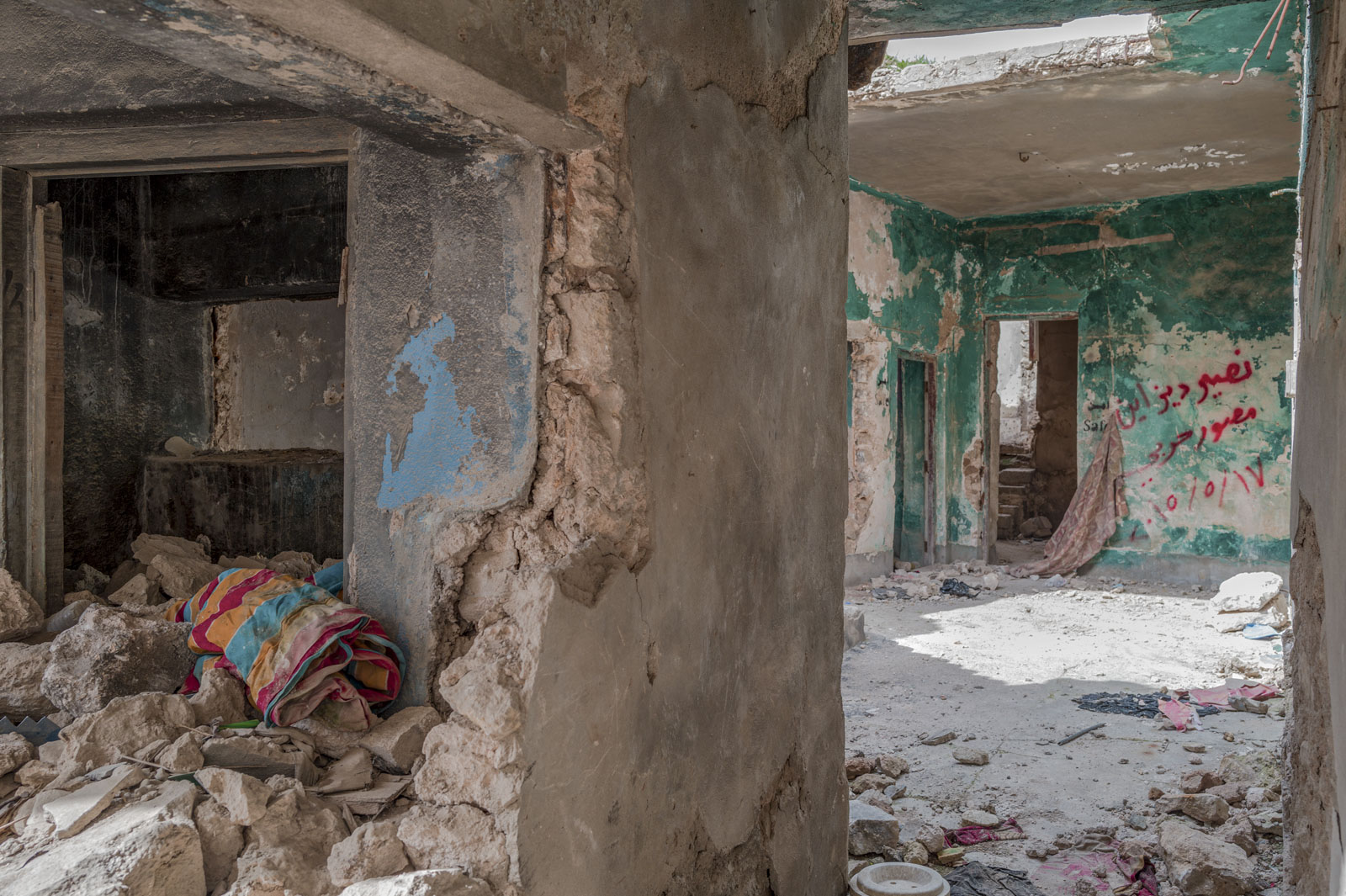
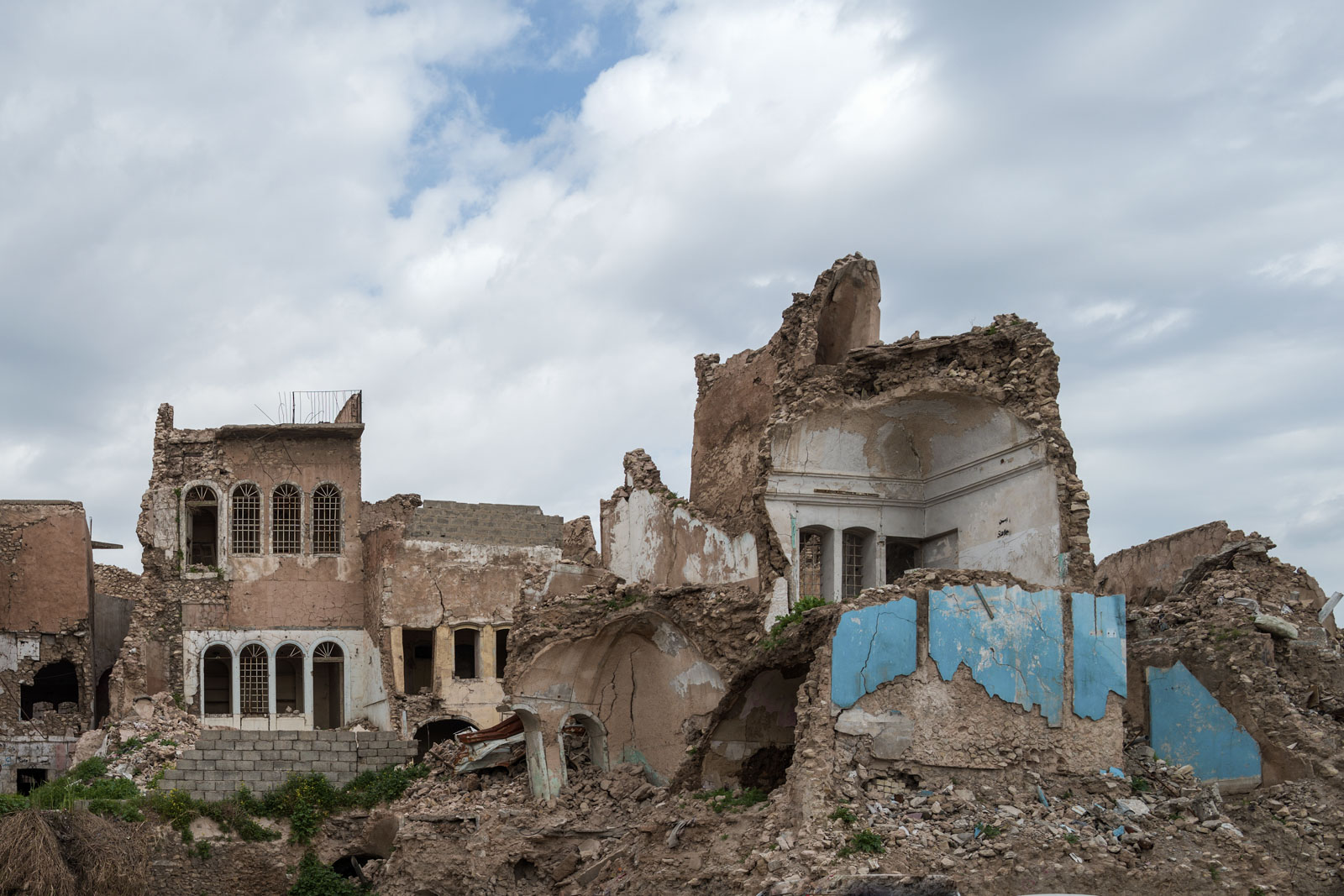
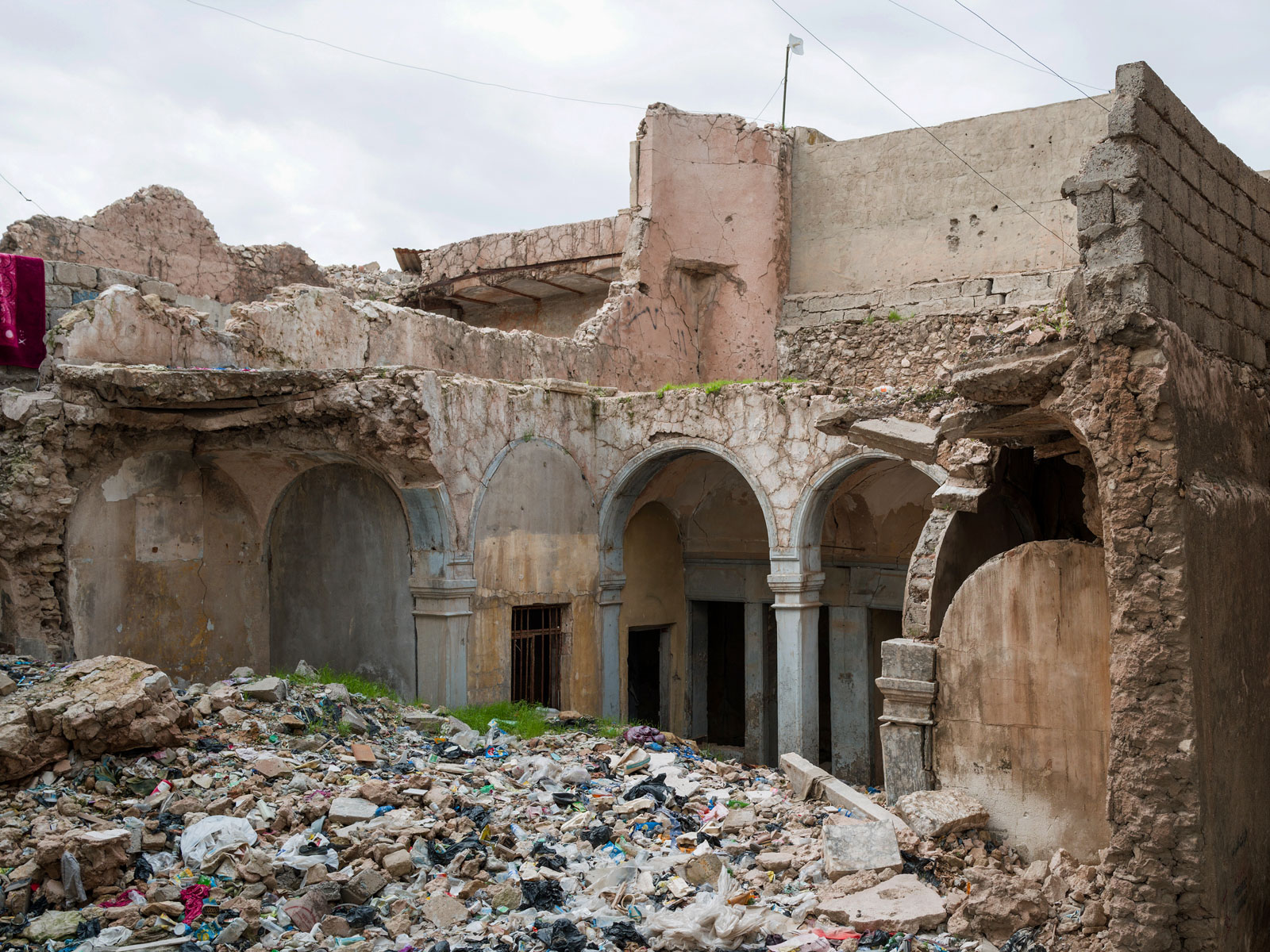
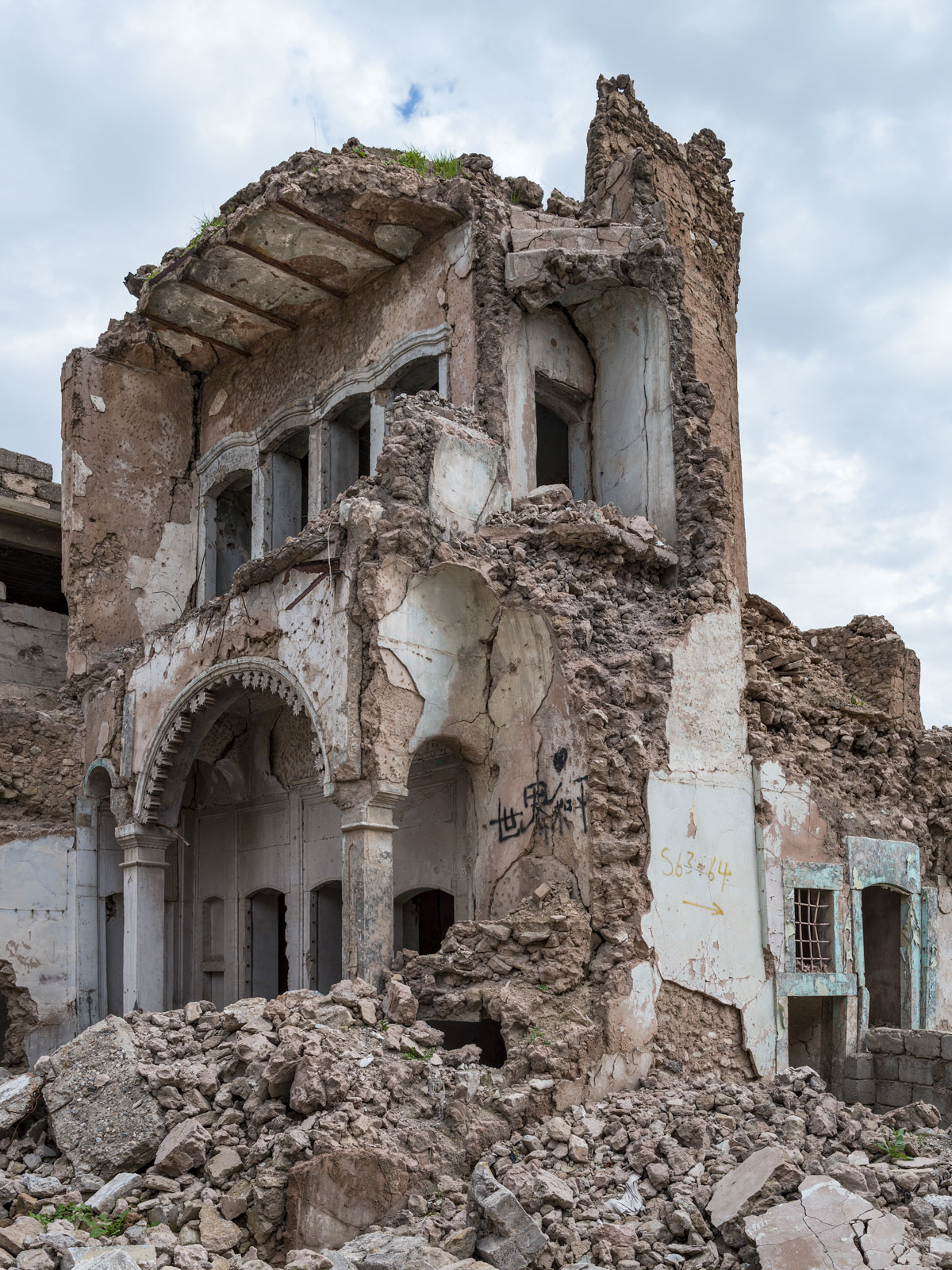
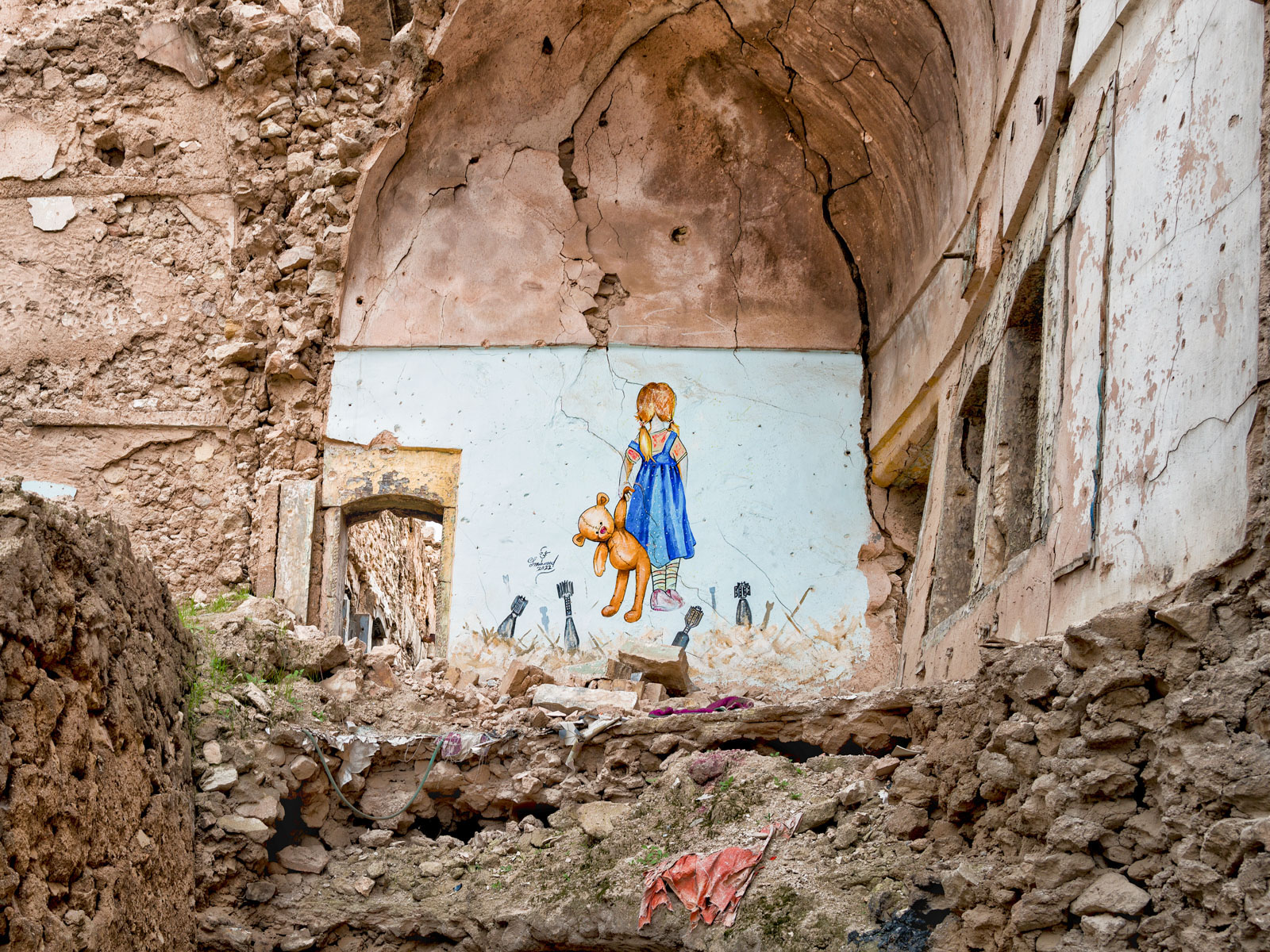
This word, which certified the safety of reclaimed buildings, appears today as a paradox. The landscape seems to deny its meaning. And it is precisely on this tension that the project is built: a path through the old city of Mosul, where recent destruction coexists with the traces of a much older history. The old city is a spooky place; a battlefield suspended in time. Among the rubble, exposed interiors, broken arches and fragments of decorations that survived the war, the signs of a daily life suddenly interrupted emerge. The colors left on the walls, the rooms open to the outside and the mutilated architecture tell not only the violence of the conflict, but also the persistence of memory.
SAFE is a journey into a place suspended between ruin and rebirth, where every stone seems to want to continue to return the echo of a past that would like never to have passed.
SAFE (Pietre mentre echi svaniscono)
Dieci anni fa Mosul fu teatro della più grande battaglia urbana combattuta dopo la Seconda guerra mondiale. Per mesi la città vecchia divenne una fortezza. I guerriglieri dell’autoproclamato Stato Islamico (ISIS), asserragliati tra i vicoli del centro storico, resistettero all’assedio delle forze curde, dell’esercito iracheno e della coalizione internazionale. Quando la sconfitta divenne inevitabile, distrussero ciò che consideravano simboli da cancellare: chiese, moschee, mausolei, case e interi isolati furono minati o fatti esplodere, trasformando la città in una trappola.
La liberazione di Mosul richiese nove mesi di combattimenti. La bonifica degli ordigni e delle mine disseminate nella città vecchia durò altri tre anni. Al termine delle operazioni, gli artificieri lasciarono sui muri una semplice scritta tracciata con vernice spray: SAFE.
Questa parola, che certificava la sicurezza degli edifici bonificati, appare oggi come un paradosso. Il paesaggio sembra infatti negarne il significato. Ed è proprio su questa tensione che si costruisce il progetto: un percorso attraverso la città vecchia di Mosul, dove la distruzione recente convive con le tracce di una storia molto più antica. La città vecchia è un luogo spettrale; un campo di battaglia sospeso nel tempo. Tra macerie, interni esposti, archi spezzati e frammenti di decorazioni sopravvissute alla guerra, emergono i segni di una vita quotidiana improvvisamente interrotta. I colori rimasti sulle pareti, le stanze aperte verso l’esterno e le architetture mutilate non raccontano soltanto la violenza del conflitto, ma anche la persistenza della memoria.
SAFE è un viaggio in un luogo sospeso tra rovina e rinascita, dove ogni pietra sembra voler continuare a restituire l’eco di un passato che vorrebbe non esser mai trascorso.