Samuele Dall’Asta – Rural China
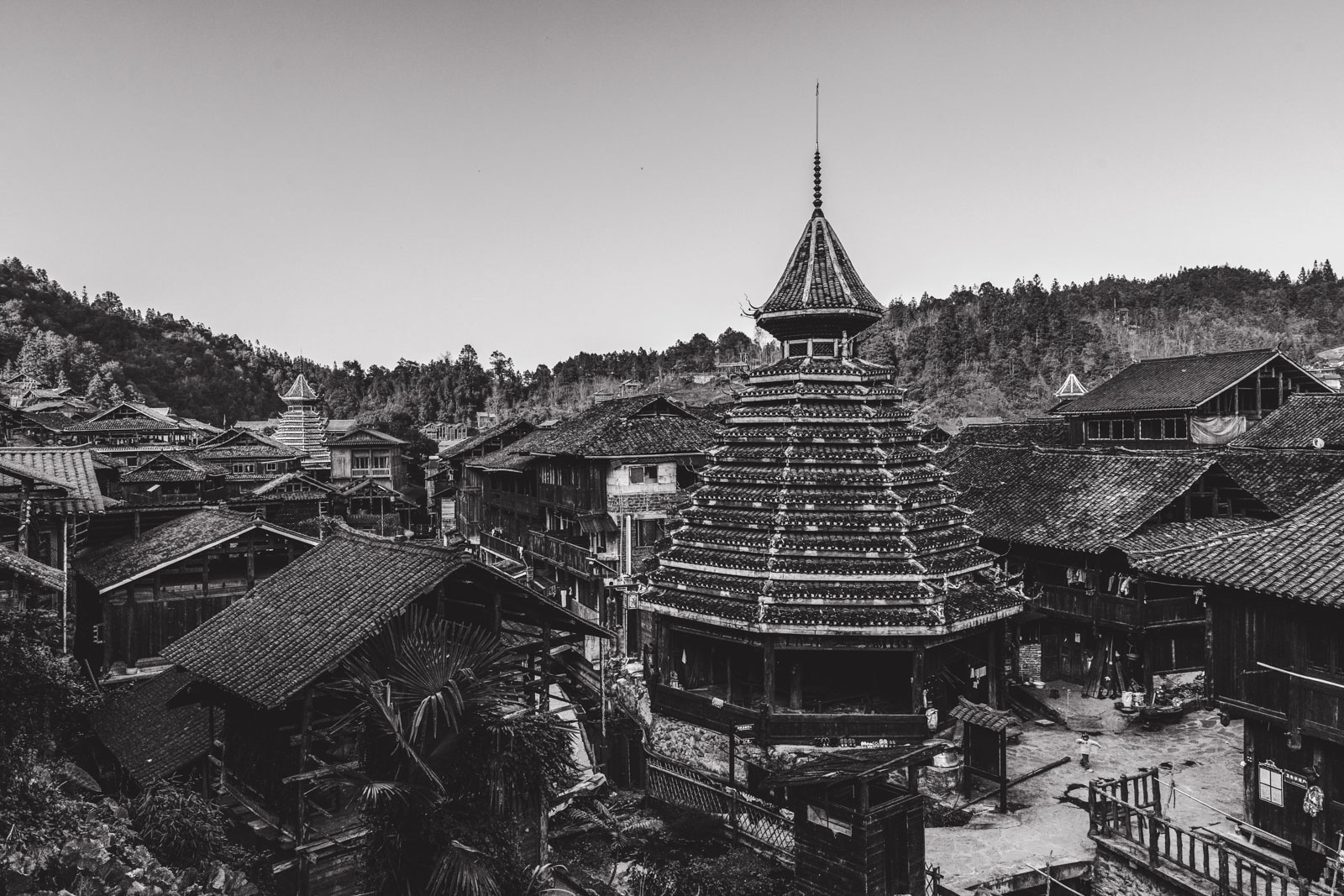
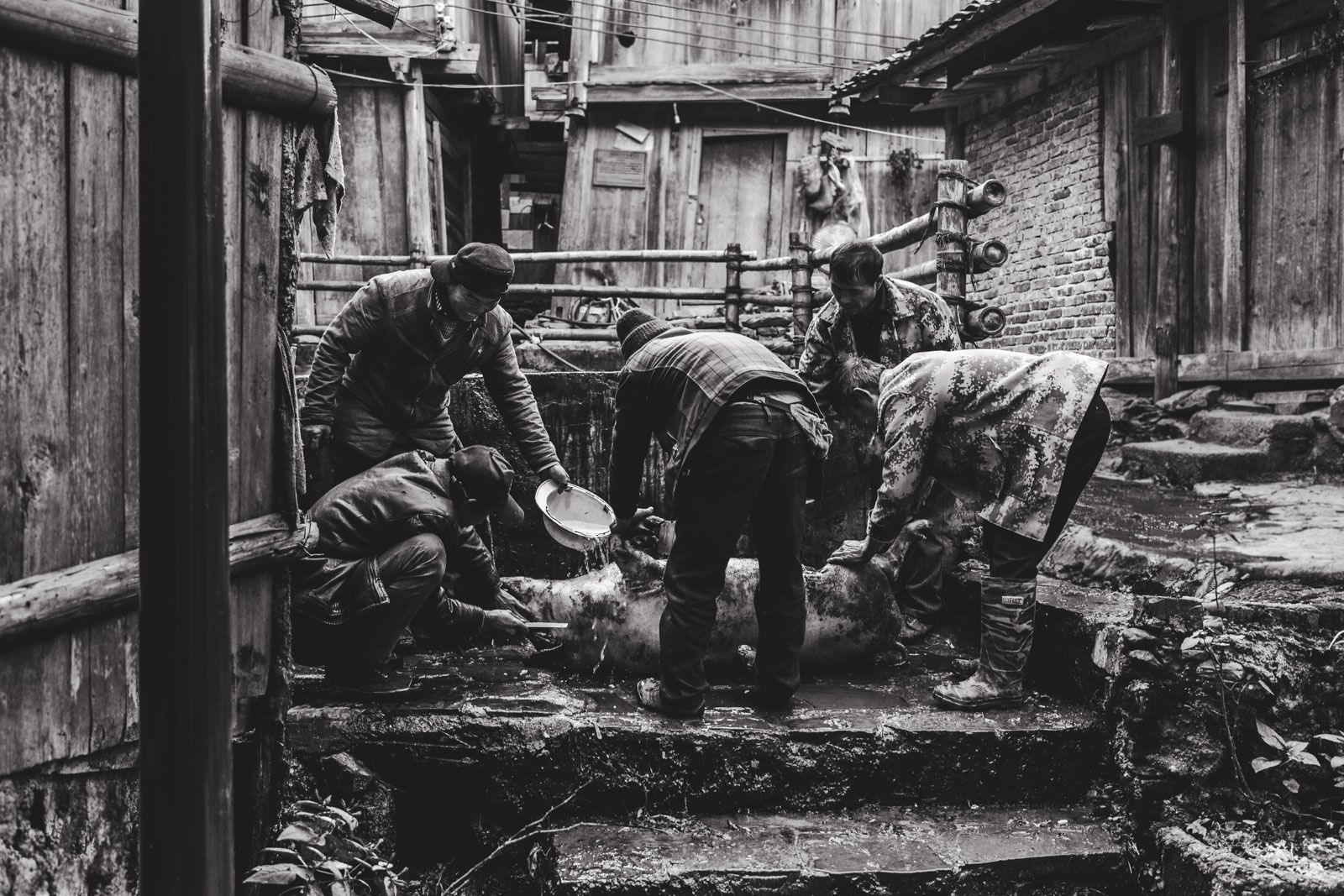
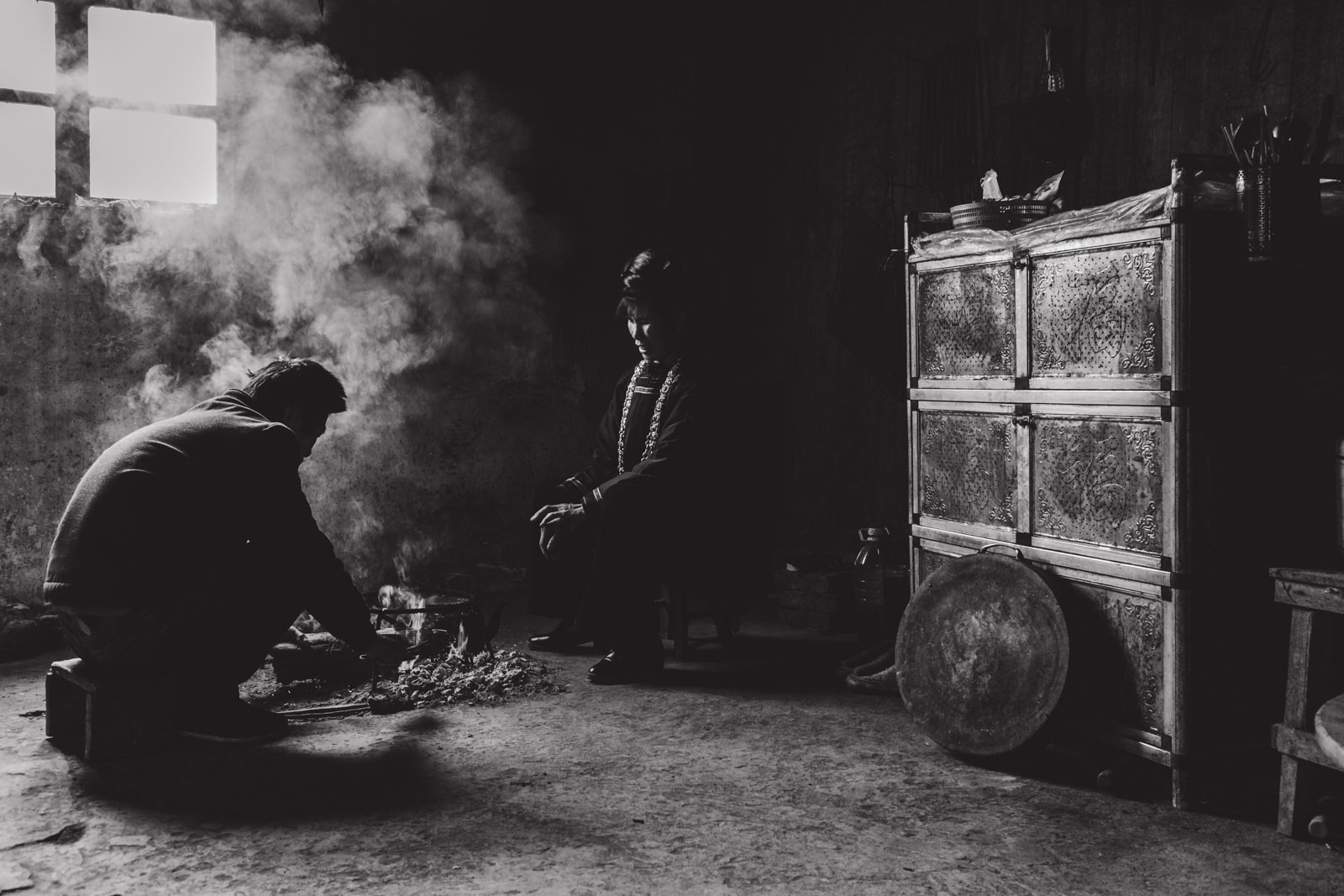
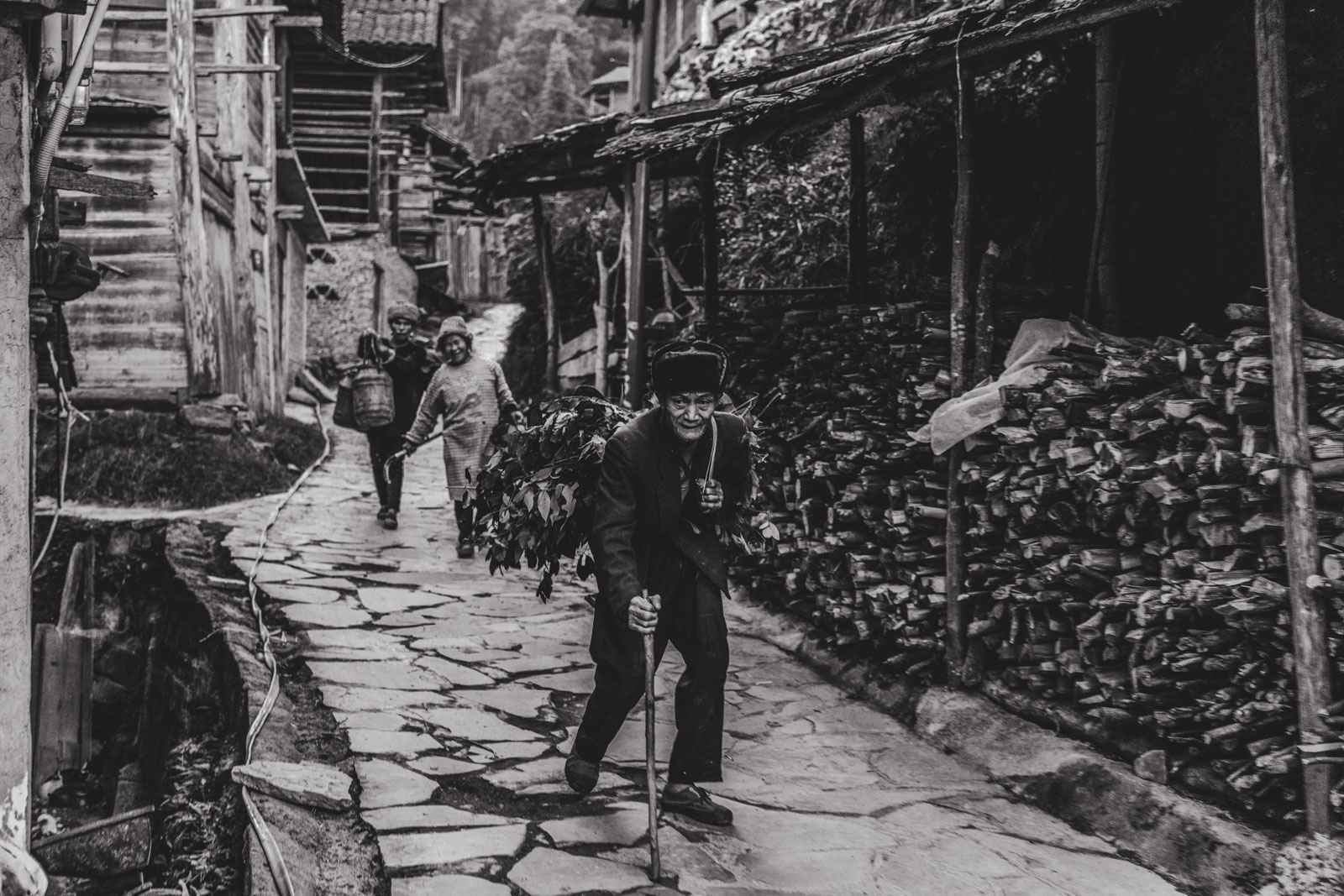
Rural southern China, far from the tourist routes and for this very reason still deeply authentic. A poor China, light years away from the modernity of the big cities: small villages inhabited mainly by the elderly and children, while the working-age generations move elsewhere in search of opportunities. It is difficult not to think that these places are destined to disappear soon, yet it is understandable that young people want a less harsh life.
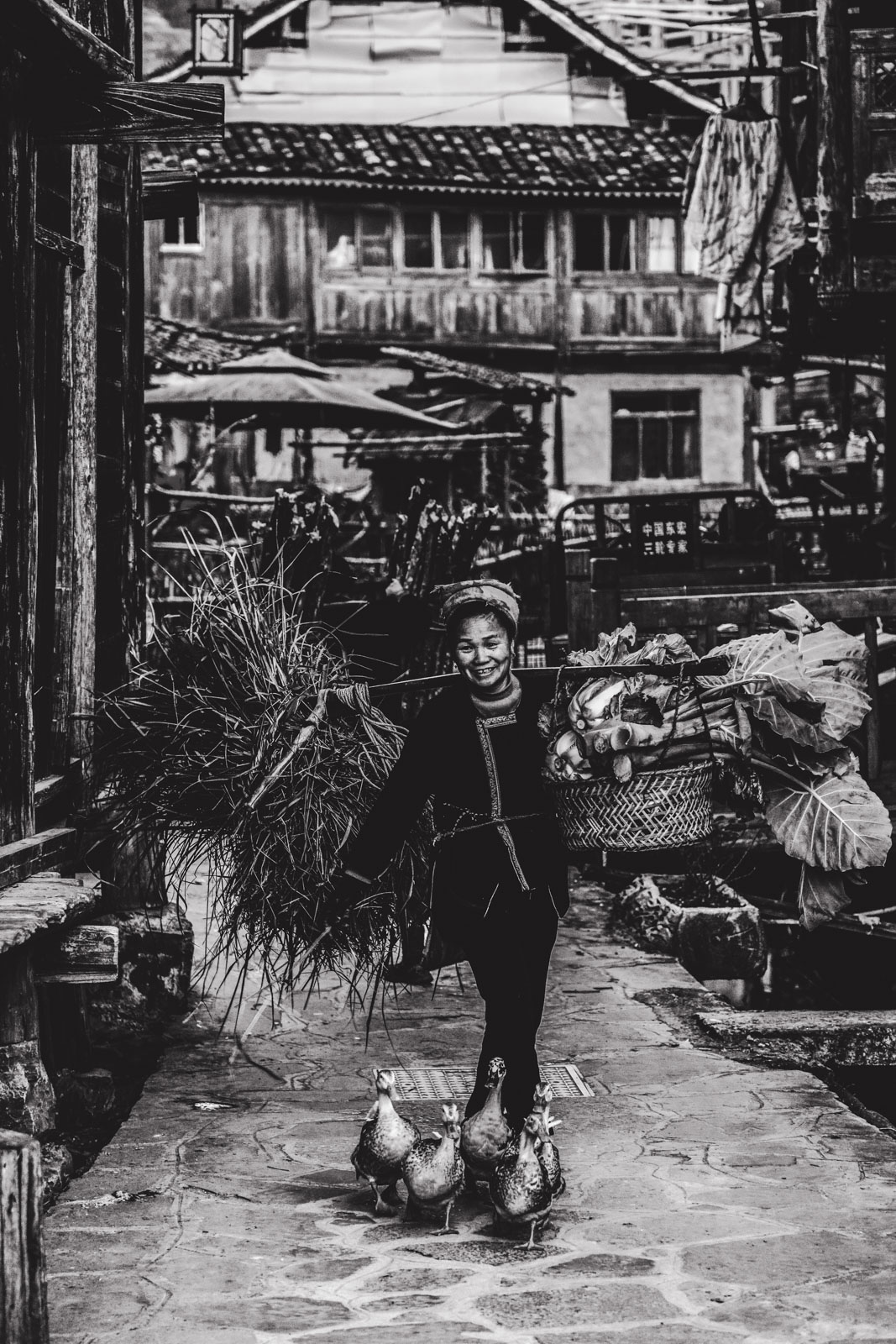
Linguistic and cultural distances are easily overcome, thanks to the Chinese guide, sincere smiles and hospitality capable of leaving a mark. The doors of the houses always open naturally and the inhabitants are curious, welcoming and willing to let themselves be portrayed in their homes.
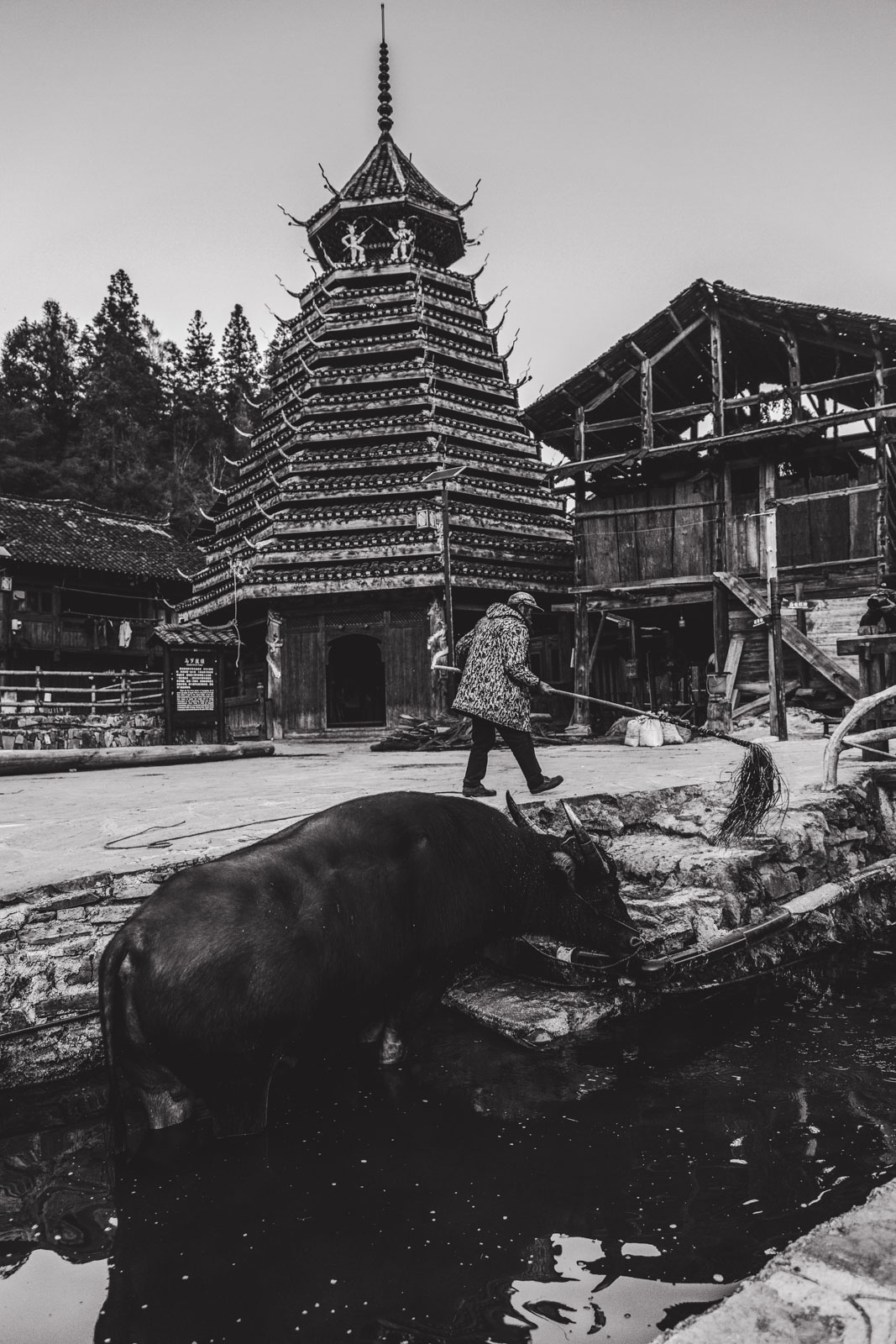
Homes are humble, often composed of a single multifunctional environment. The luckiest have a small stove; the others warm up around the large bonfire lit in the moat under the Drum Tower, a building with strictly odd roofs which, on the ground floor, represents the heart of community life.
The Dong people live mainly on agriculture and livestock, as well as the cultivation of fir trees used to build houses. According to tradition, at the birth of a child several saplings are planted: they will grow with him and, on the day of the wedding, their wood will be used to build the new marital home.
Cina rurale
La Cina rurale del sud, lontana dalle rotte turistiche e proprio per questo ancora profondamente autentica. Una Cina povera, distante anni luce dalla modernità delle grandi città: piccoli villaggi abitati soprattutto da anziani e bambini, mentre le generazioni in età lavorativa si trasferiscono altrove in cerca di opportunità. È difficile non pensare che questi luoghi siano destinati a scomparire a breve, eppure è comprensibile che i giovani desiderino una vita meno dura.
Le distanze linguistiche e culturali vengono superate con semplicità, grazie alla guida cinese, a sorrisi sinceri ed a un’ospitalità capace di lasciare il segno. Le porte delle case si aprono sempre con naturalezza e gli abitanti si mostrano curiosi, accoglienti e disponibili a lasciarsi ritrarre nelle loro abitazioni.
Le case sono umili, spesso composte da un unico ambiente multifunzionale. I più fortunati possiedono una piccola stufa; gli altri si scaldano attorno al grande falò acceso nel fossato sotto la torre del tamburo, edificio dai tetti rigorosamente in numero dispari che, al piano terra, rappresenta il cuore della vita comunitaria.
Il popolo Dong vive principalmente di agricoltura e allevamento, oltre alla coltivazione degli abeti utilizzati per costruire le abitazioni. Secondo la tradizione, alla nascita di un bambino vengono piantati diversi alberelli: cresceranno insieme a lui e, il giorno del matrimonio, il loro legno servirà per costruire la nuova casa coniugale.