Rosario Lo Presti-The nameless cemetery
The nameless cemetery
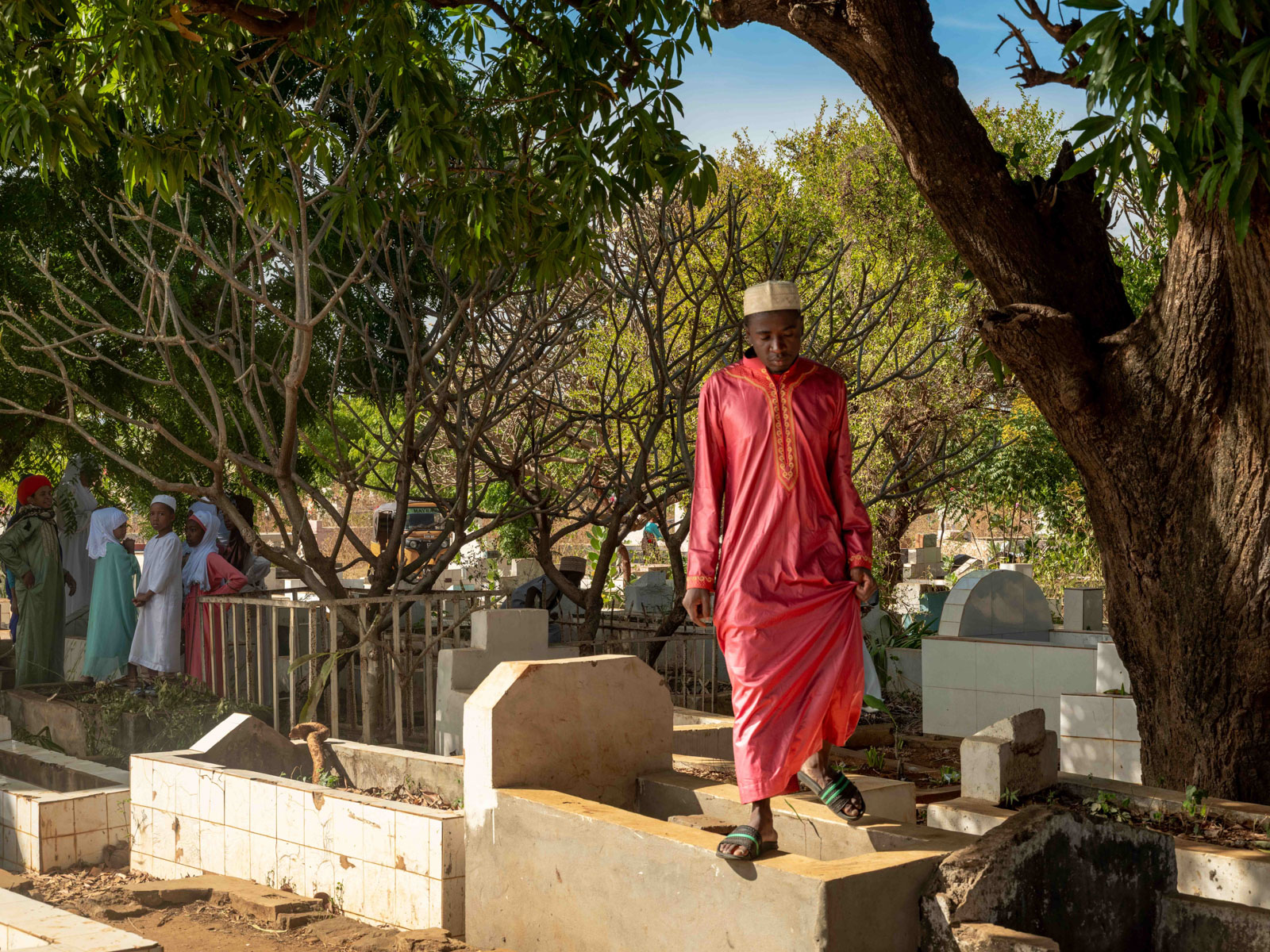
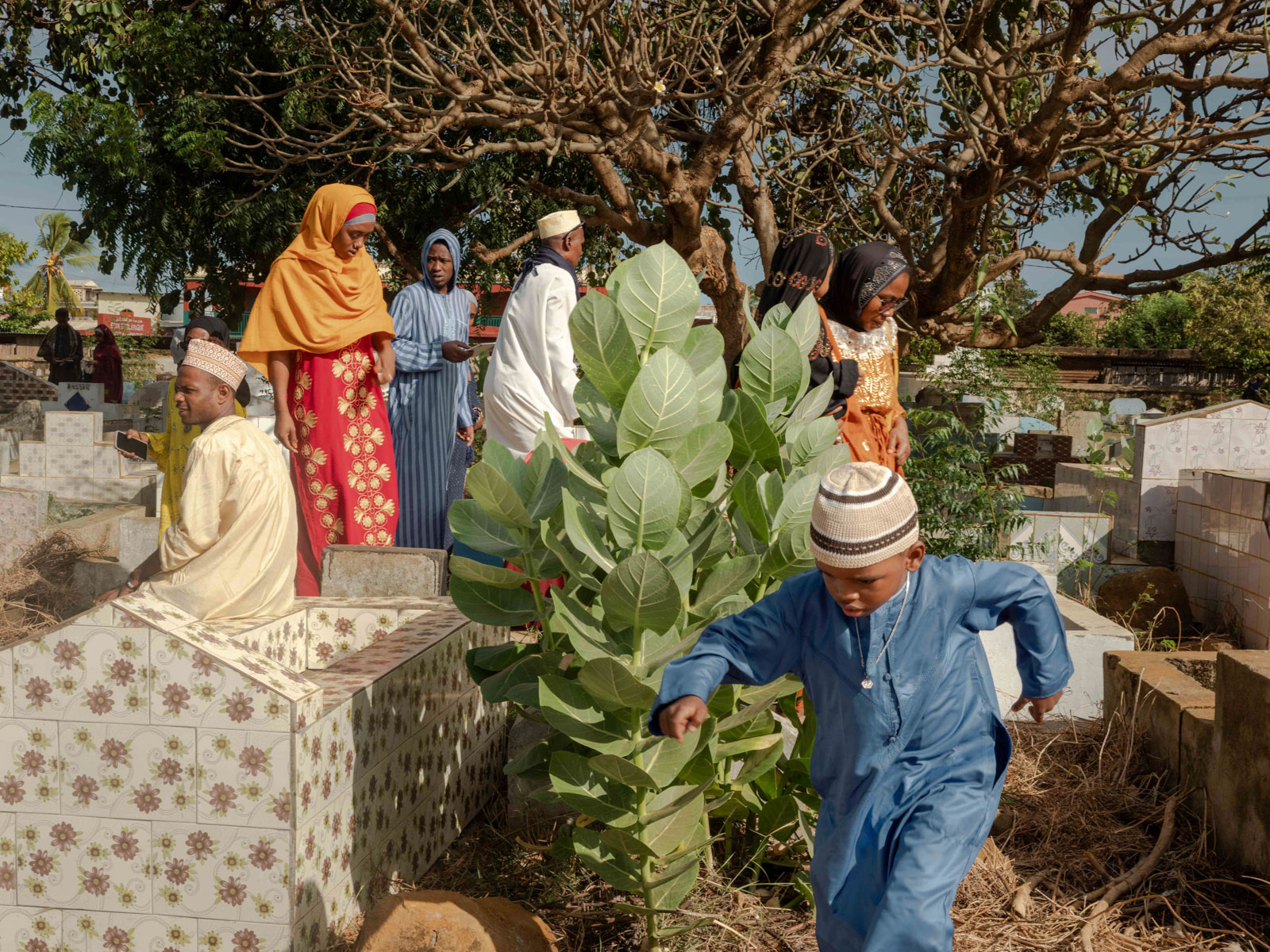
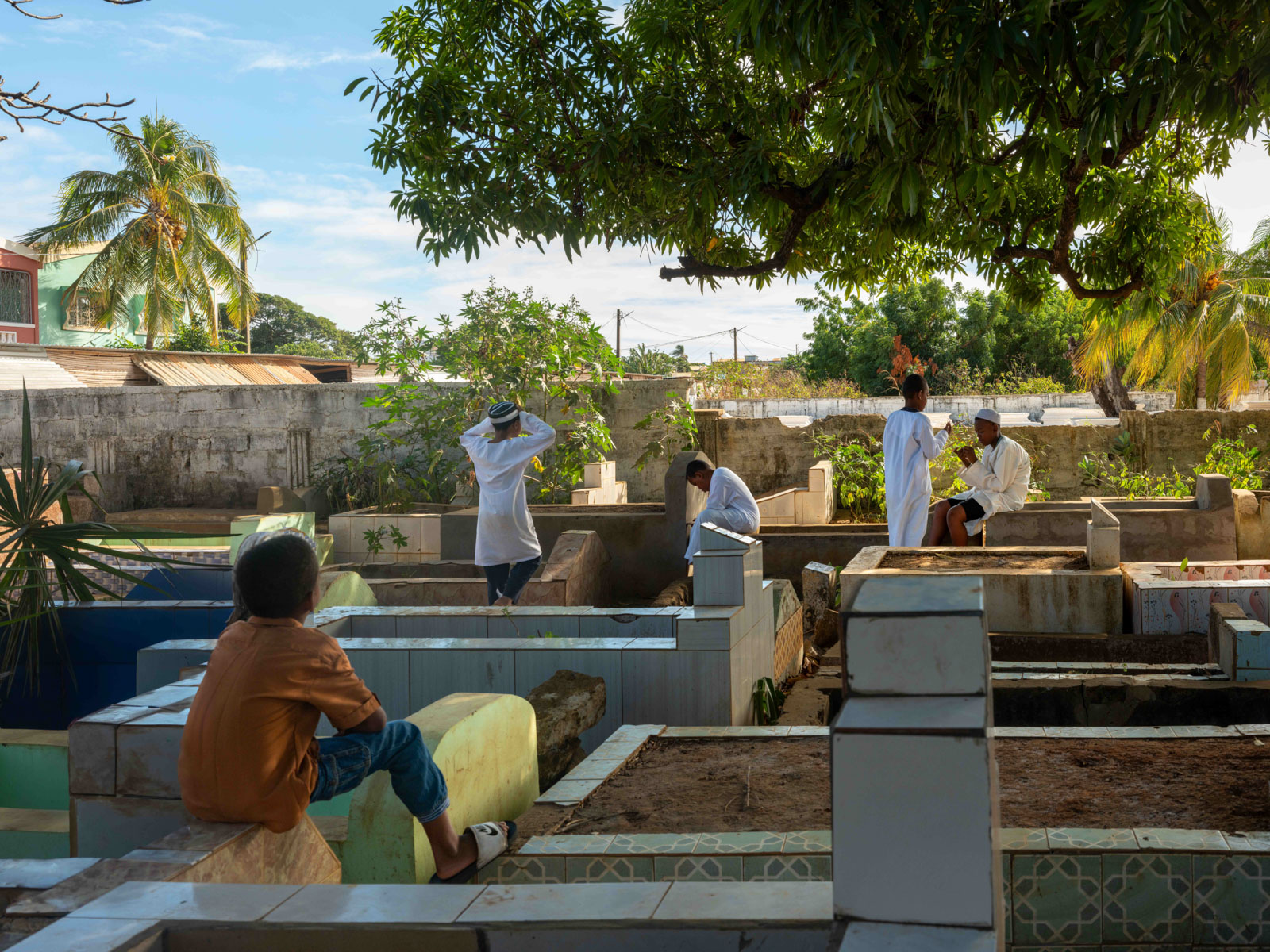
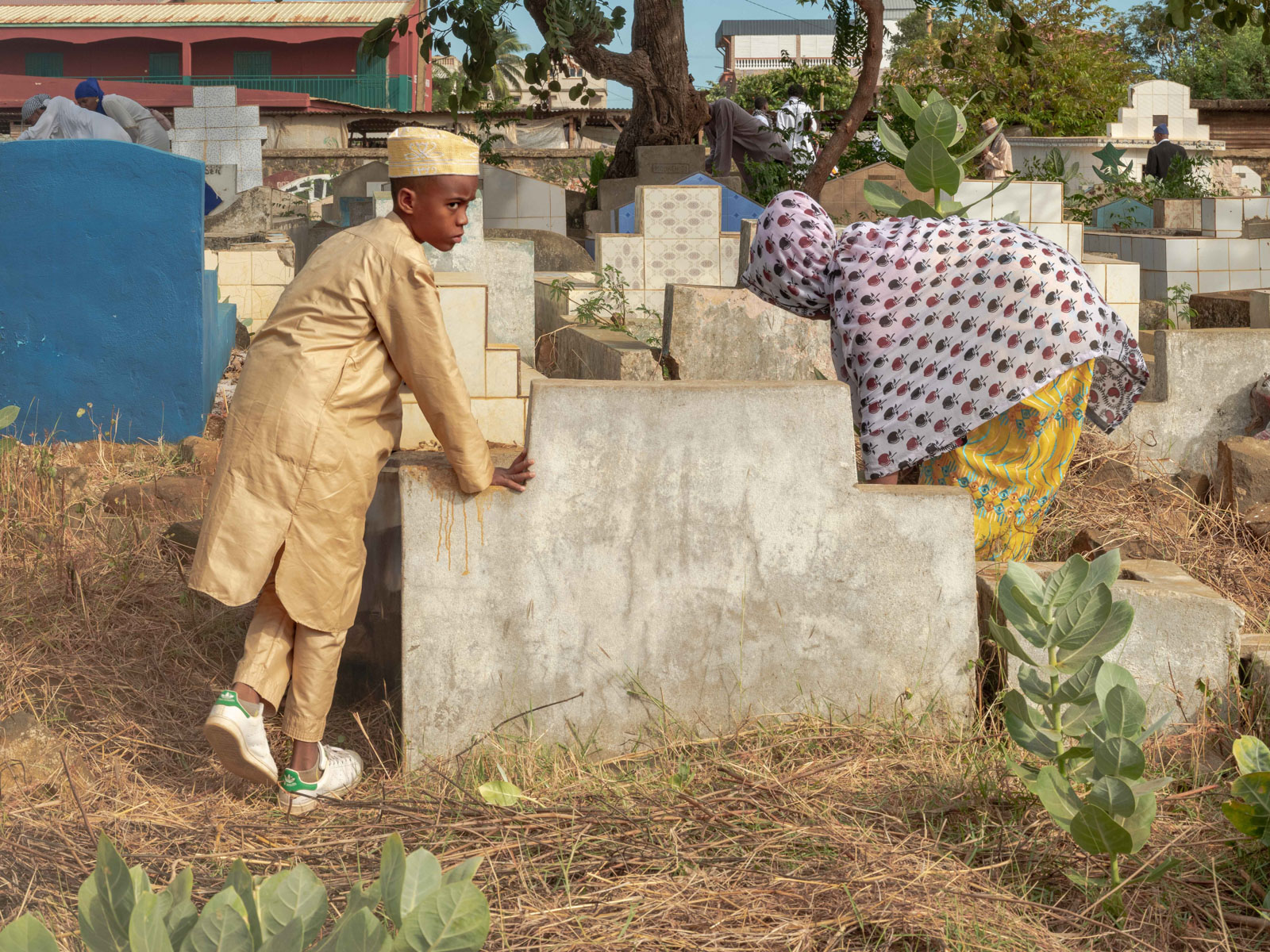
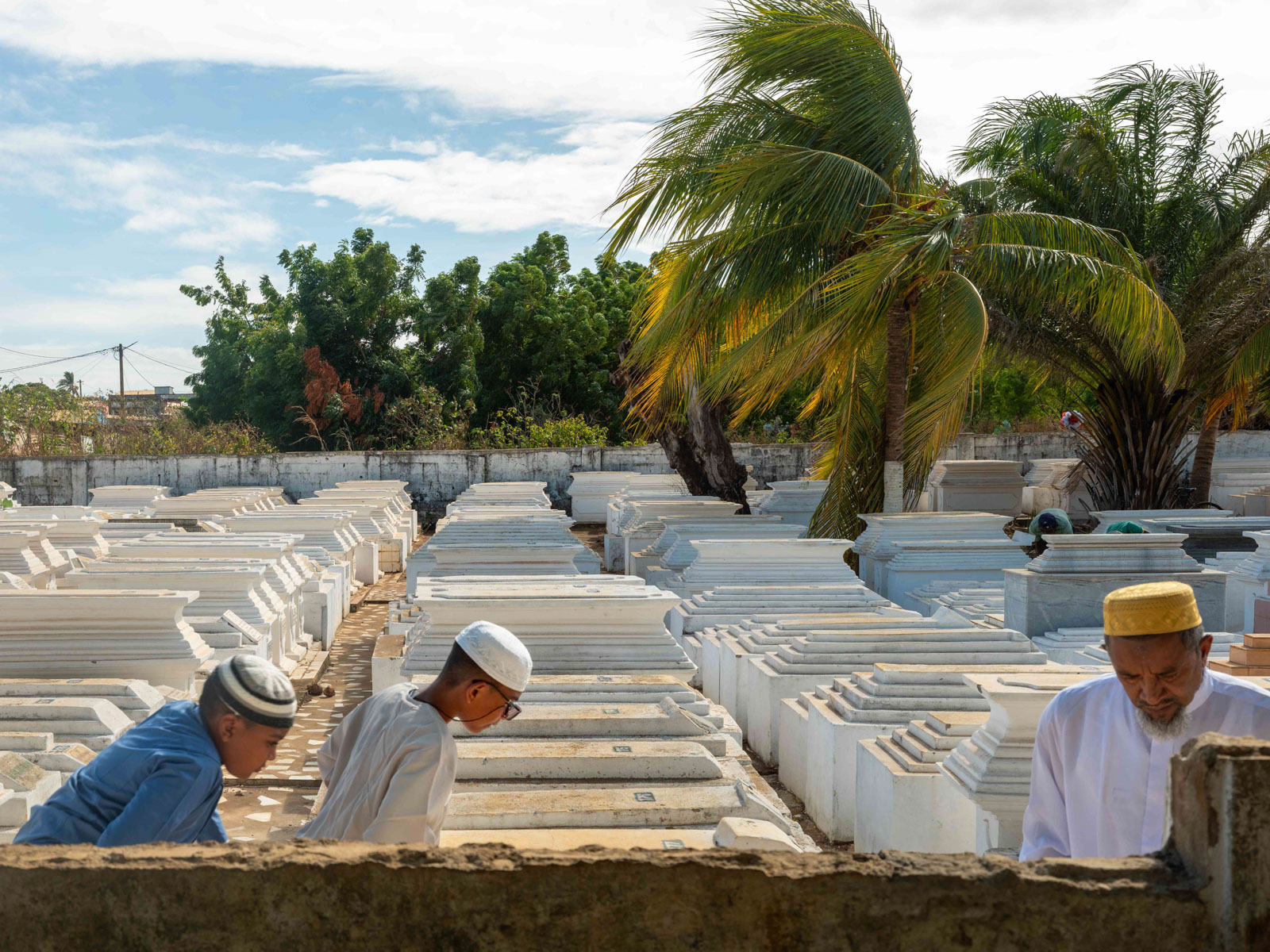
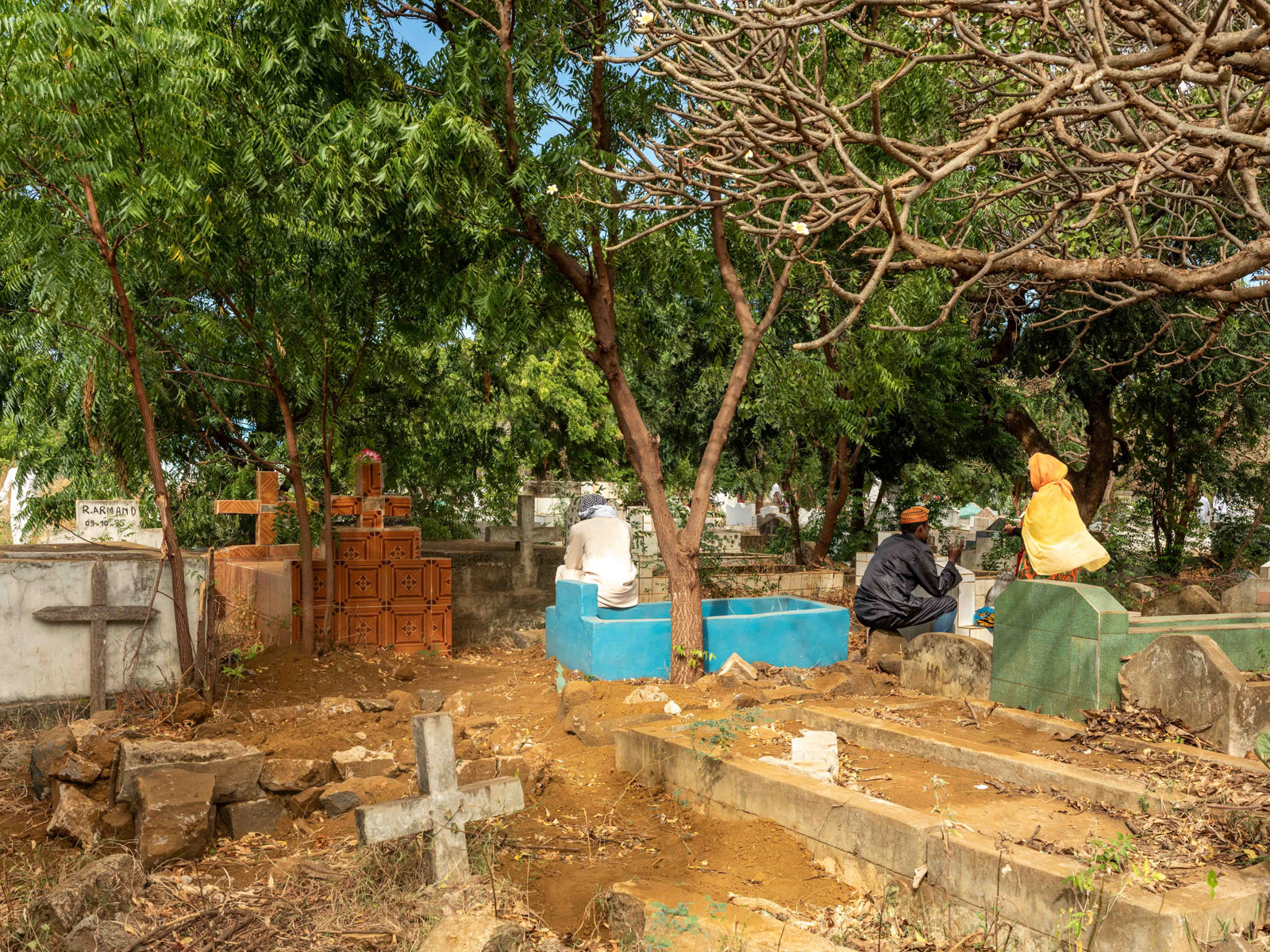
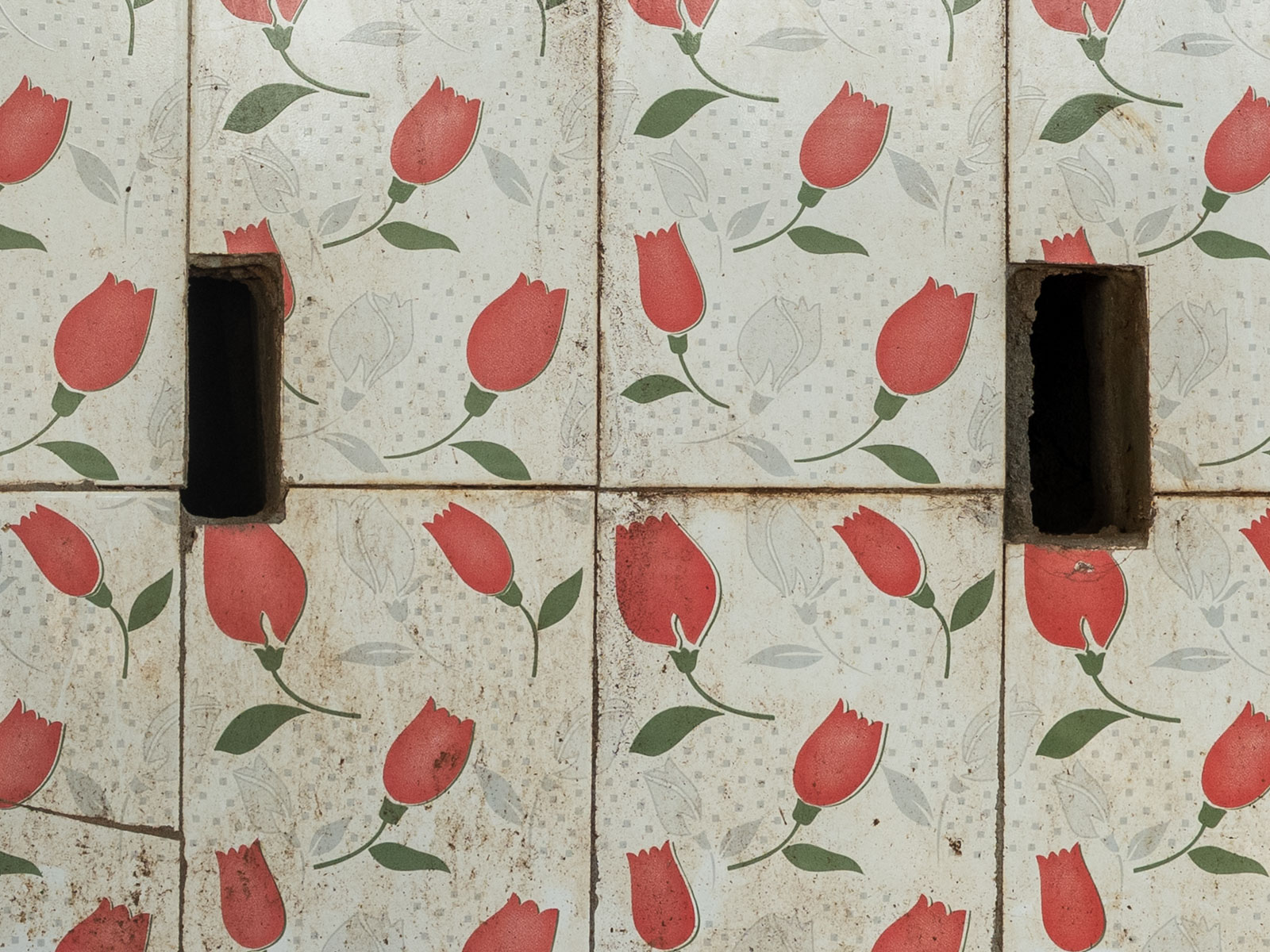
In Diego Suarez (Madagascar), in the Muslim area of the city, there is a cemetery without an official name. It has no monumental doors or signs. But it has something that few other places possess: coexistence. In the same space there are Muslim, Christian and Hindu tombs. Some are white and square, others covered with floral tiles, others marked only by an iron cross or a worn plaque.
I stayed there only 45 minutes, in the early morning of a Muslim holiday. Children, women, families moved around me: they walked between and over the graves, stopped, chatted. There was nothing gloomy about the scene. It looked rather like a garden crossed by simple and lively gestures. This is not a work about death. It is a short story — visual, silent — about how one can remember without separating, and how even the farewell can be shared.
I photographed with respect, without intervening. Looking for the light that caressed the marbles, the contrasts between the ceramics and the landscape, the delicacy in the details. The beauty I found was not spectacular, but human.
I chose a few, essential shots. To restore the feeling I felt: that of a fragile, serene, surprising balance. A place without a name, but full of signs. Of faiths that touch each other. Of lives that respect each other.
ITALIANO
Il cimitero senza nome
A Diego Suarez (Madagascar), nell’area musulmana della città, si estende un cimitero senza un nome ufficiale. Non ha portoni monumentali né indicazioni. Ma ha qualcosa che pochi altri luoghi possiedono: la coesistenza.
In uno stesso spazio si incontrano tombe musulmane, cristiane e induiste. Alcune sono bianche e squadrate, altre rivestite di piastrelle floreali, altre ancora segnate solo da una croce di ferro o da una targa consunta.
Ci sono rimasto solo 45 minuti, nel primo mattino di una giornata di festa musulmana. Intorno a me si muovevano bambini, donne, famiglie: camminavano tra e sopra le tombe, si fermavano, chiacchieravano.
La scena non aveva nulla di lugubre. Sembrava piuttosto un giardino attraversato da gesti semplici e vivi.
Questo non è un lavoro sulla morte. È un racconto breve — visivo, silenzioso — su come si possa ricordare senza separarsi, e su come anche l’addio possa essere condiviso.
Ho fotografato con rispetto, senza intervenire. Cercando la luce che accarezzava i marmi, i contrasti tra le ceramiche e il paesaggio, la delicatezza nei dettagli.
La bellezza che ho trovato non era spettacolare, ma umana.
Ho scelto pochi scatti, essenziali. Per restituire la sensazione che ho provato: quella di un equilibrio fragile, sereno, sorprendente.
Un luogo senza nome, ma pieno di segni. Di fedi che si sfiorano. Di vite che si rispettano.