Pia Parolin-Soliga tribe’s battle for water
The Soliga tribe’s battle for water
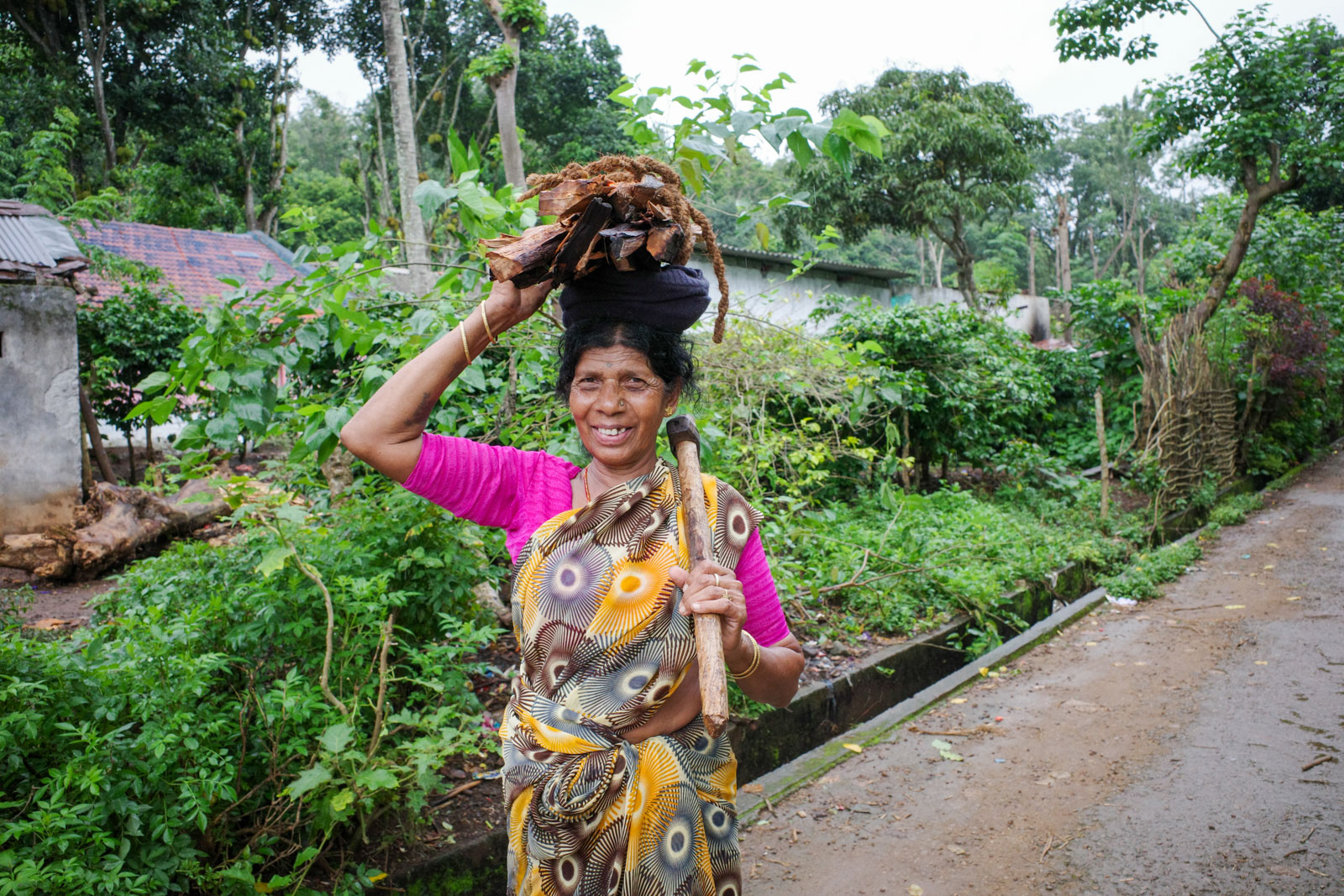
The Soliga tribe, indigenous to the Biligiriranga Hills (BR Hills) of Karnataka, India, has a rich cultural heritage deeply intertwined with the forest ecosystem. Traditionally, their livelihood centered around shifting cultivation and the collection of non-timber forest products (NTFPs) such as honey, gooseberries, bamboo, wild turmeric, and coffee.
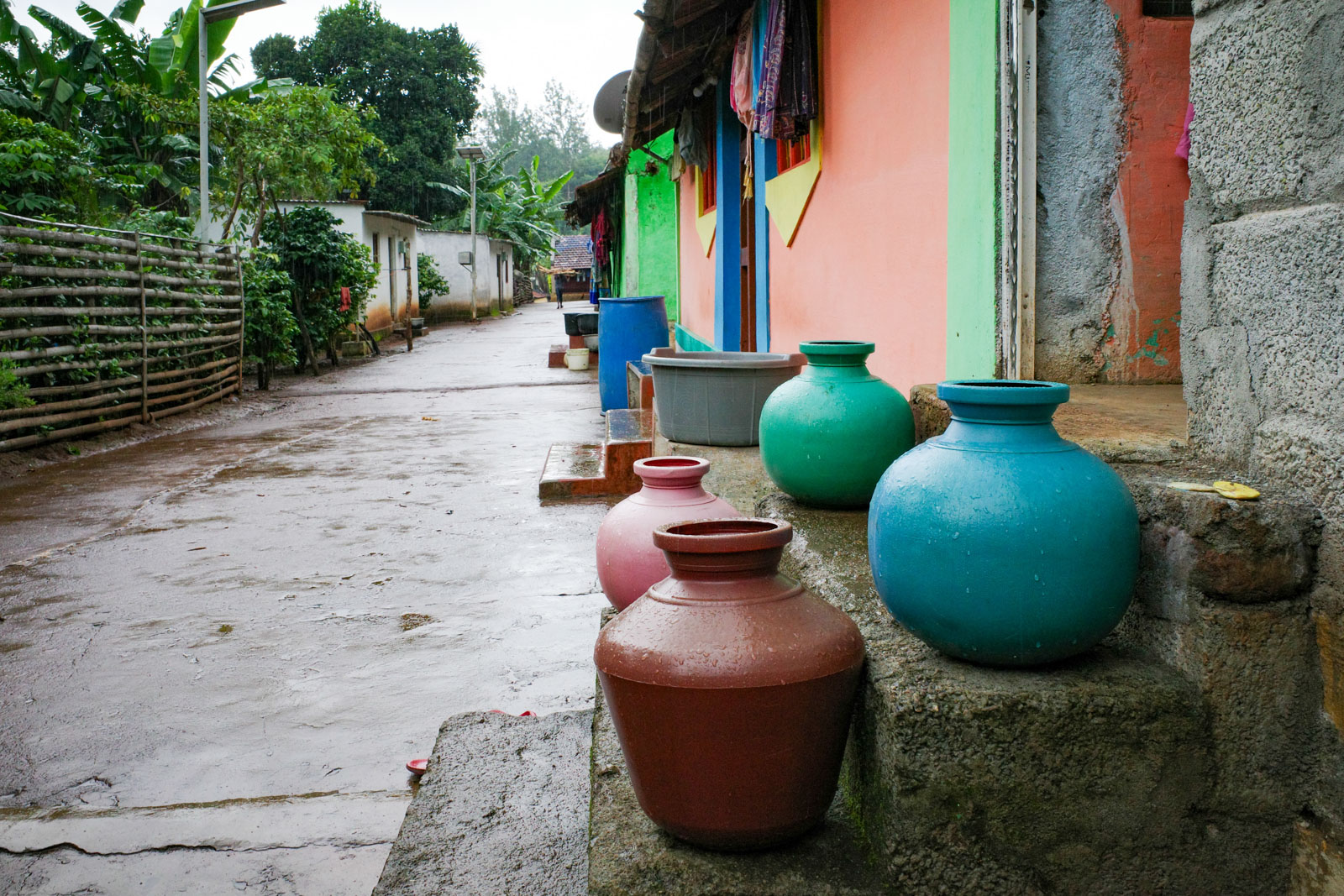
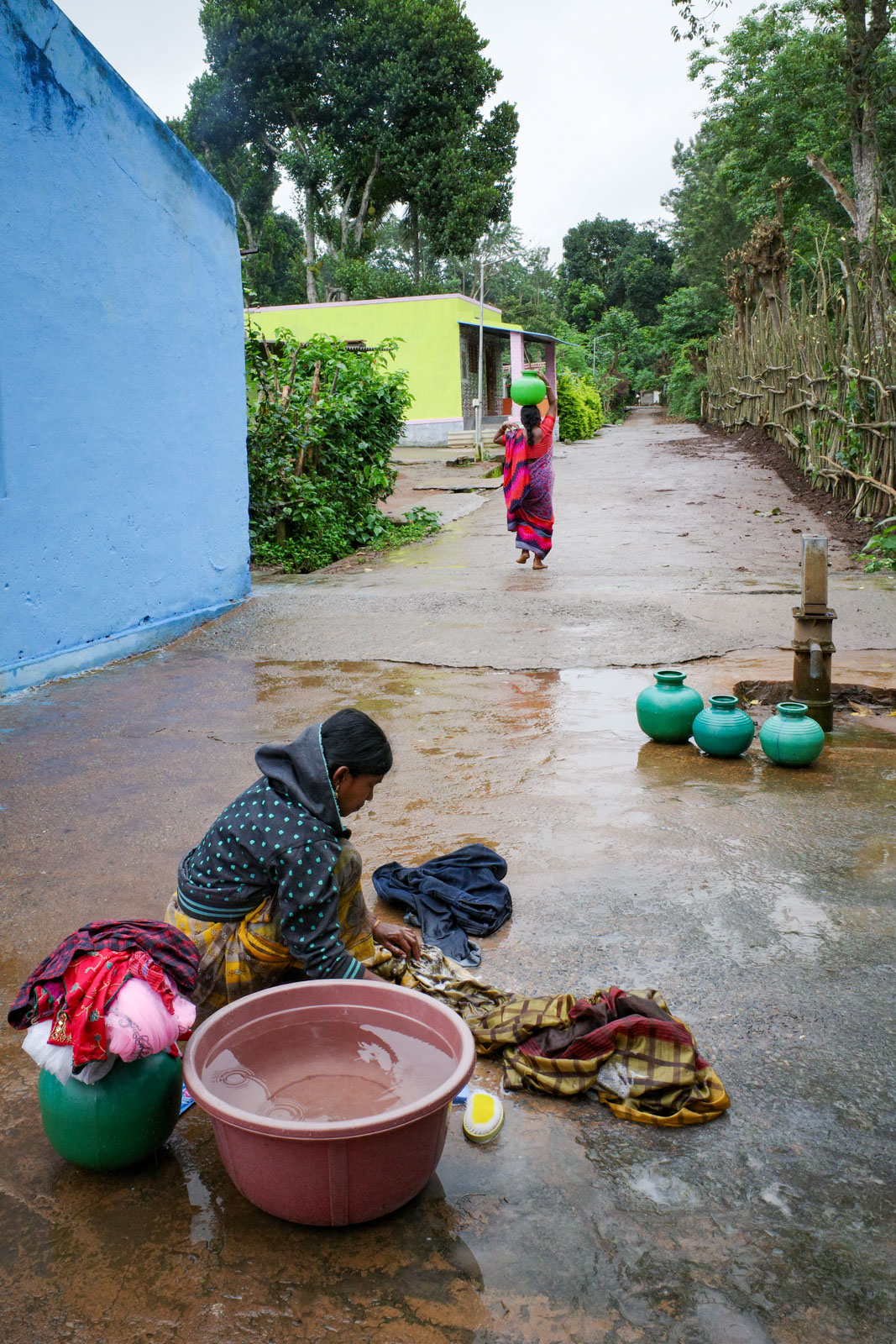
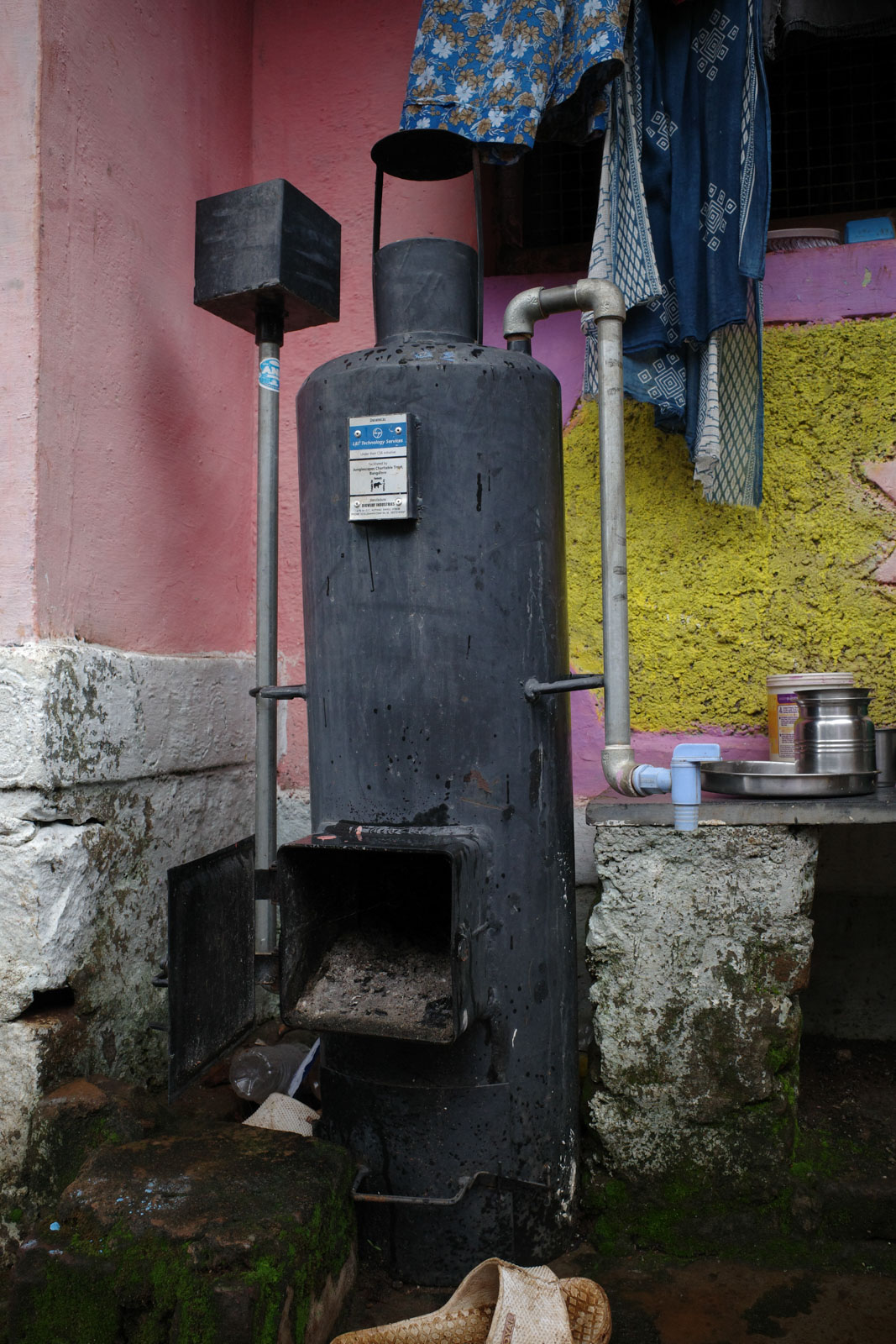
In recent years, the Soligas have faced challenges related to access to clean drinking water. Many villages had drinking water plants installed approximately six years ago. However, due to poor maintenance and neglect, these plants have fallen into disrepair, leaving the community reliant on borewells that often dry up during summer months. This situation has led some residents to resort to filtering and consuming water from pits, raising health concerns.
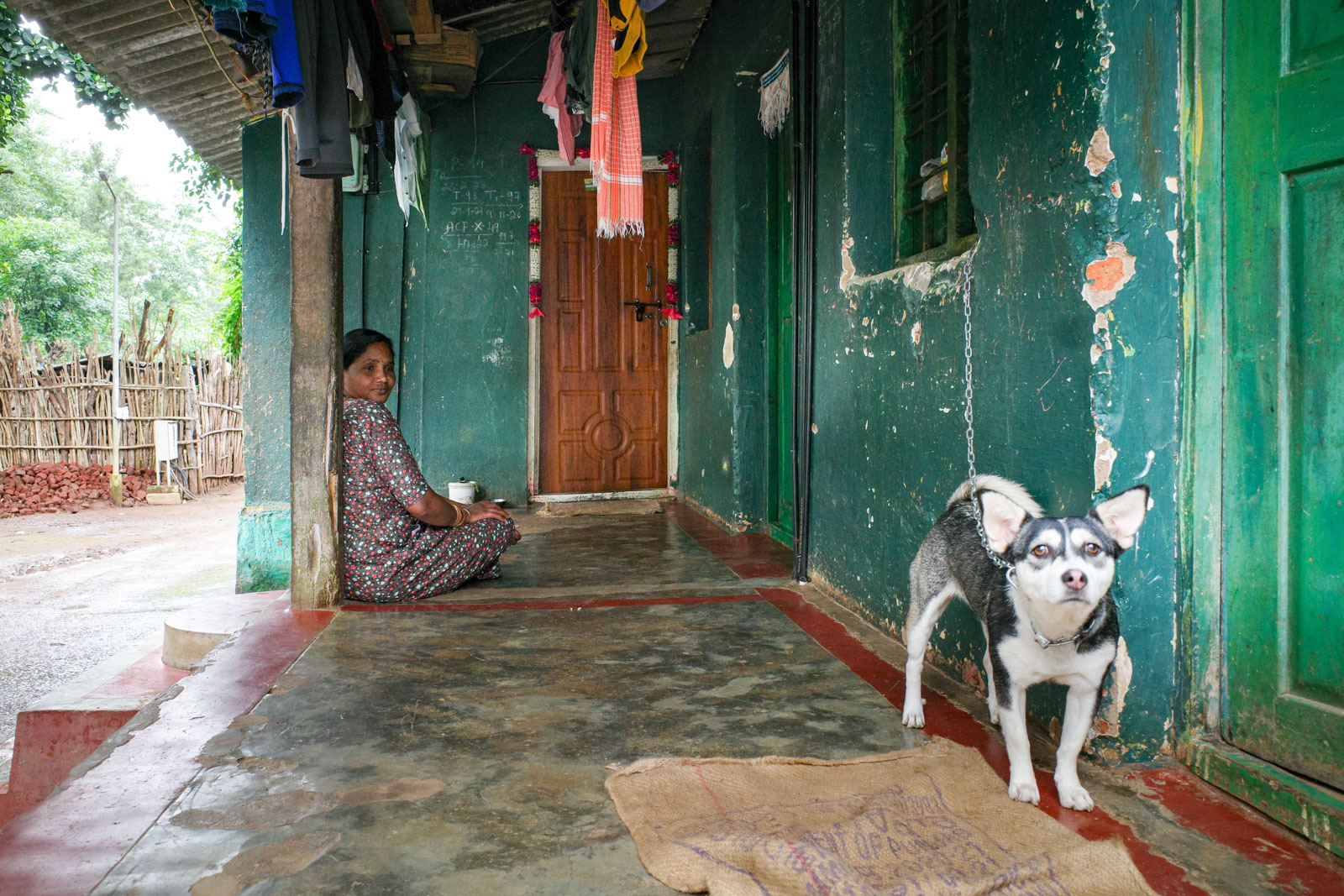
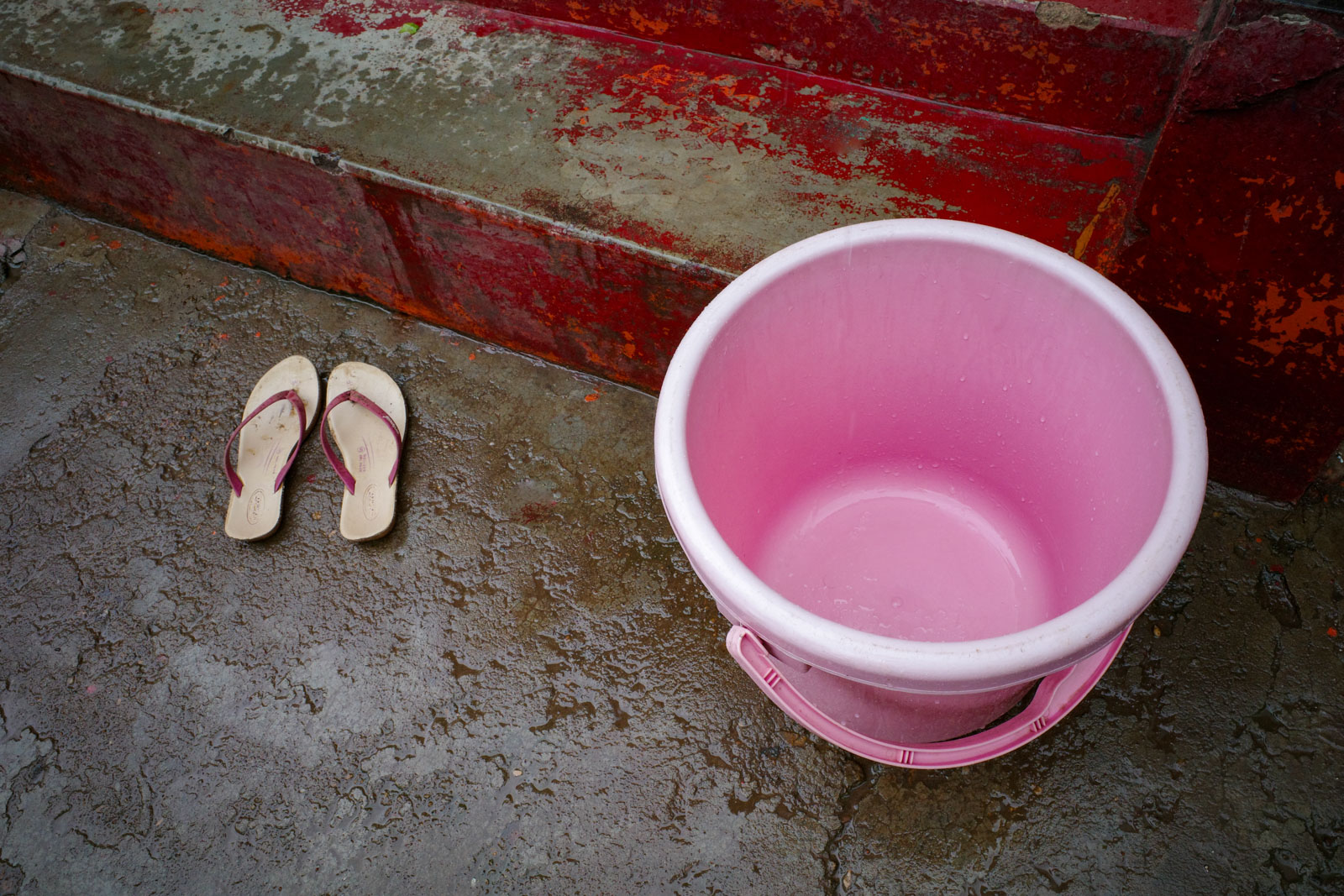
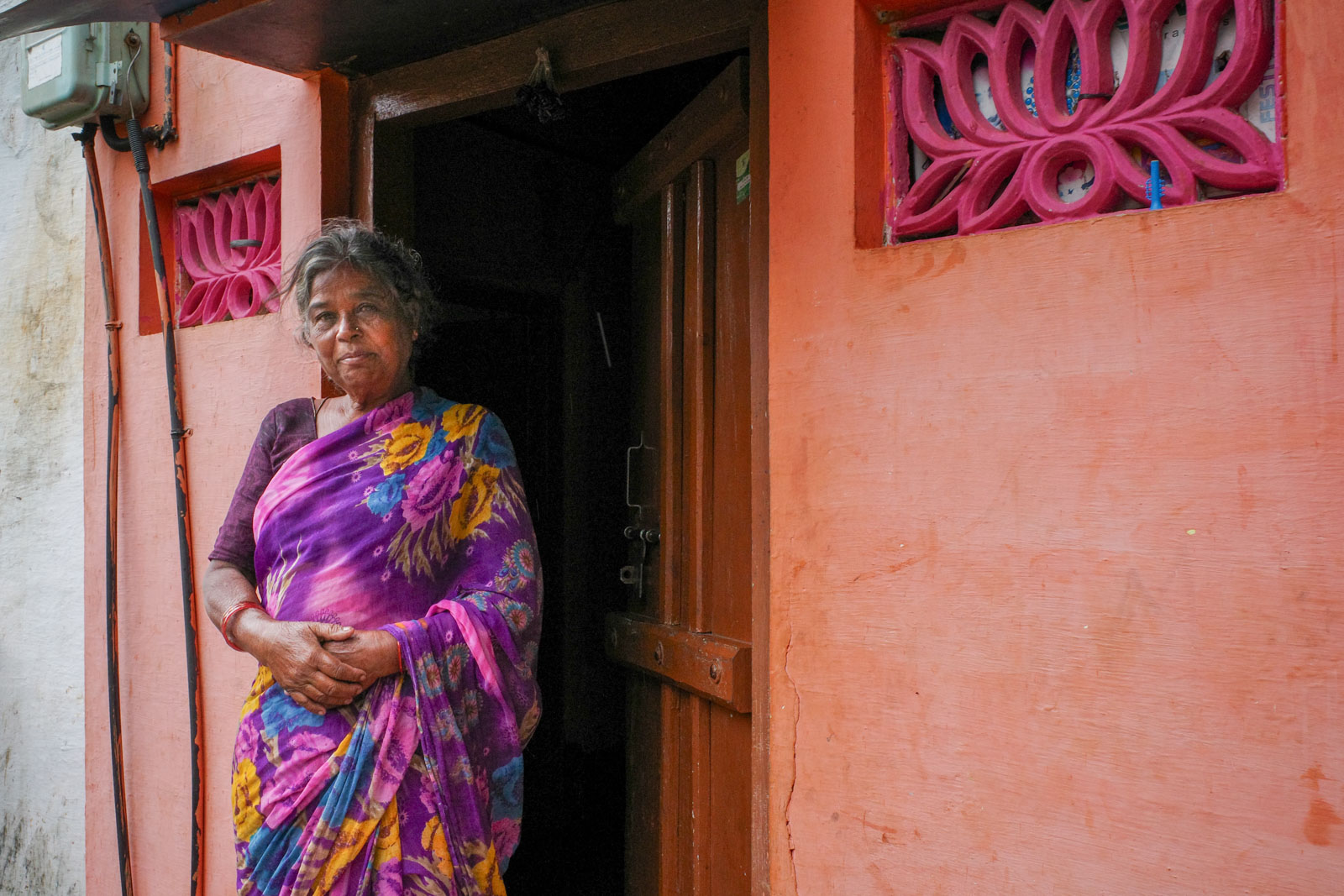
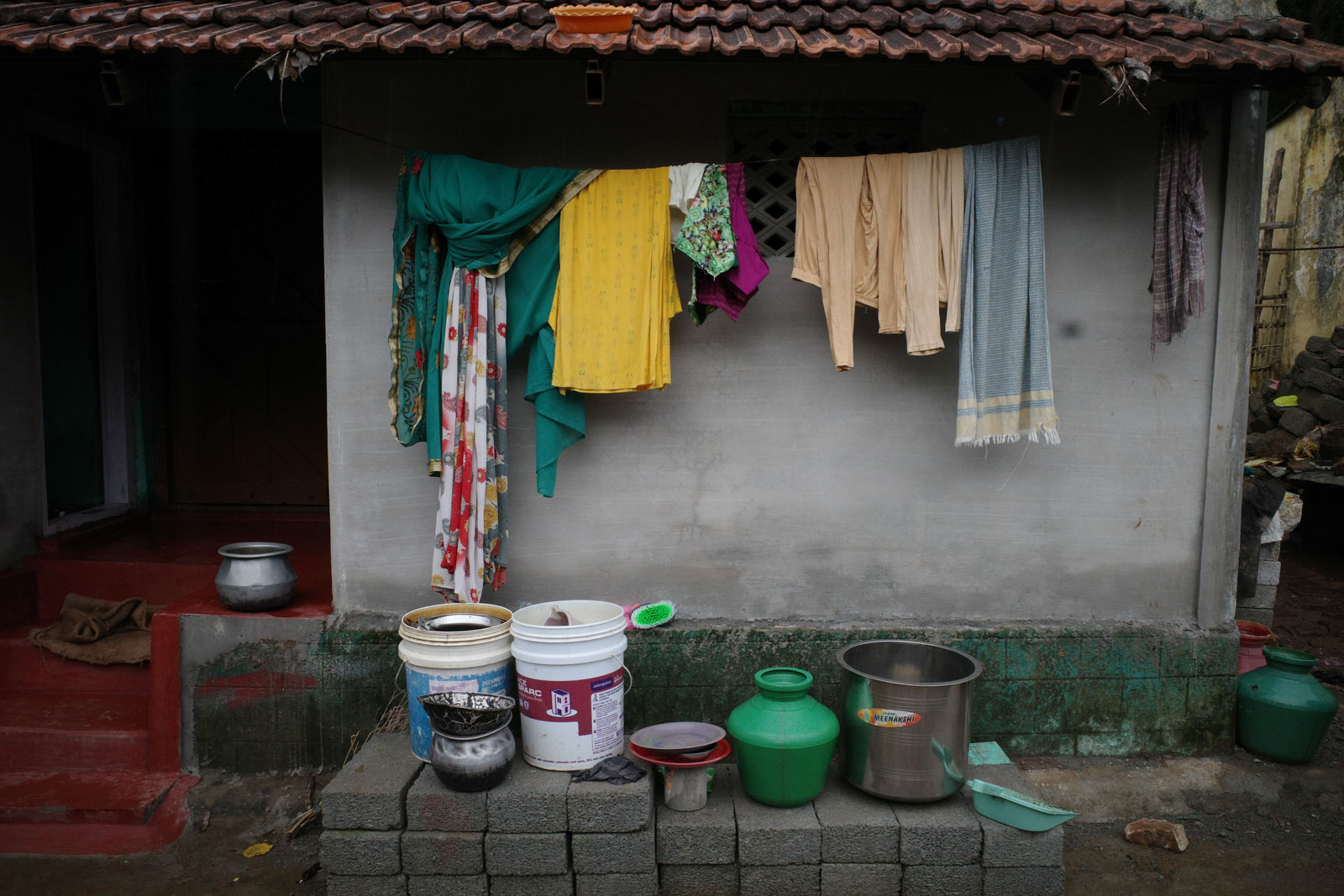
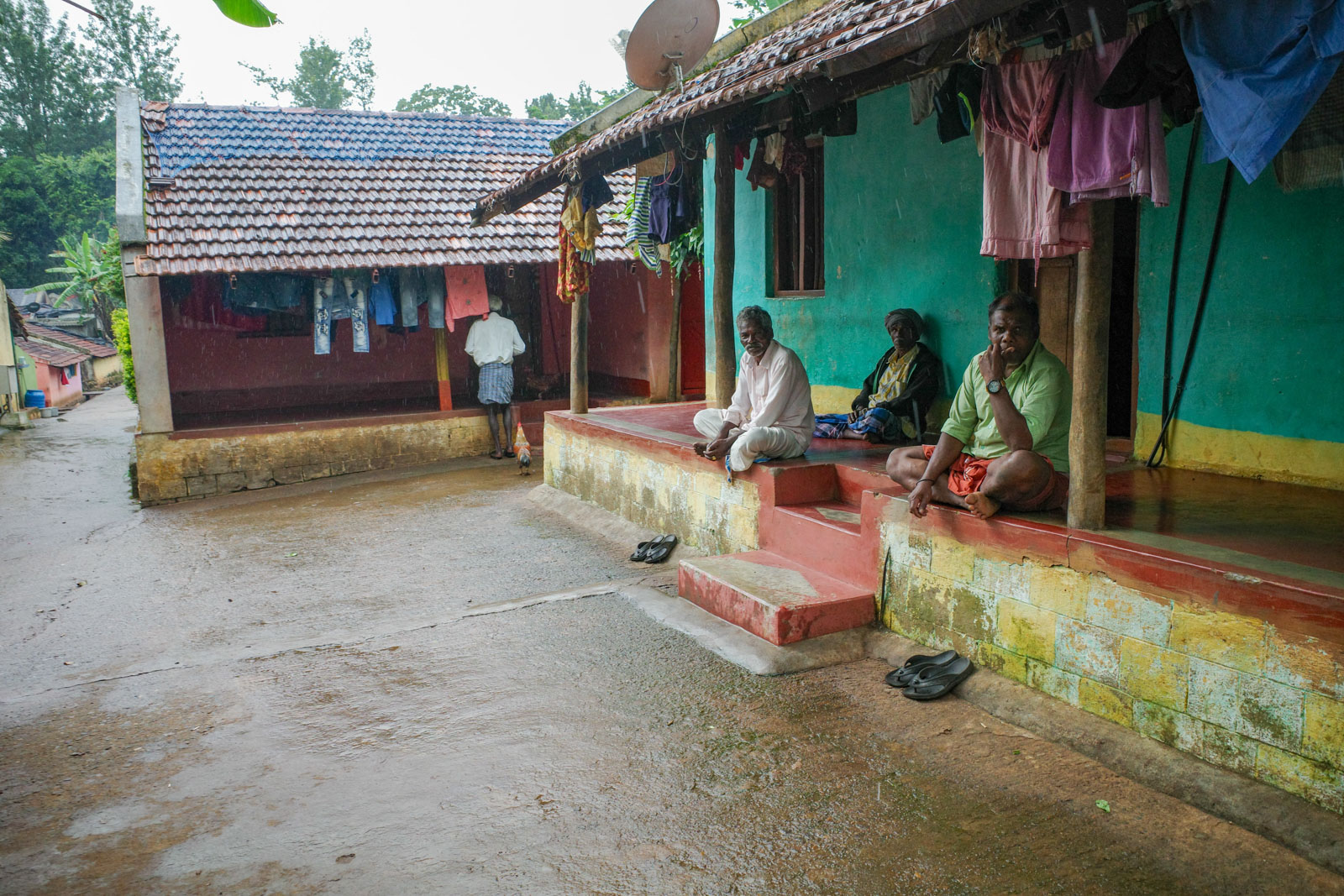
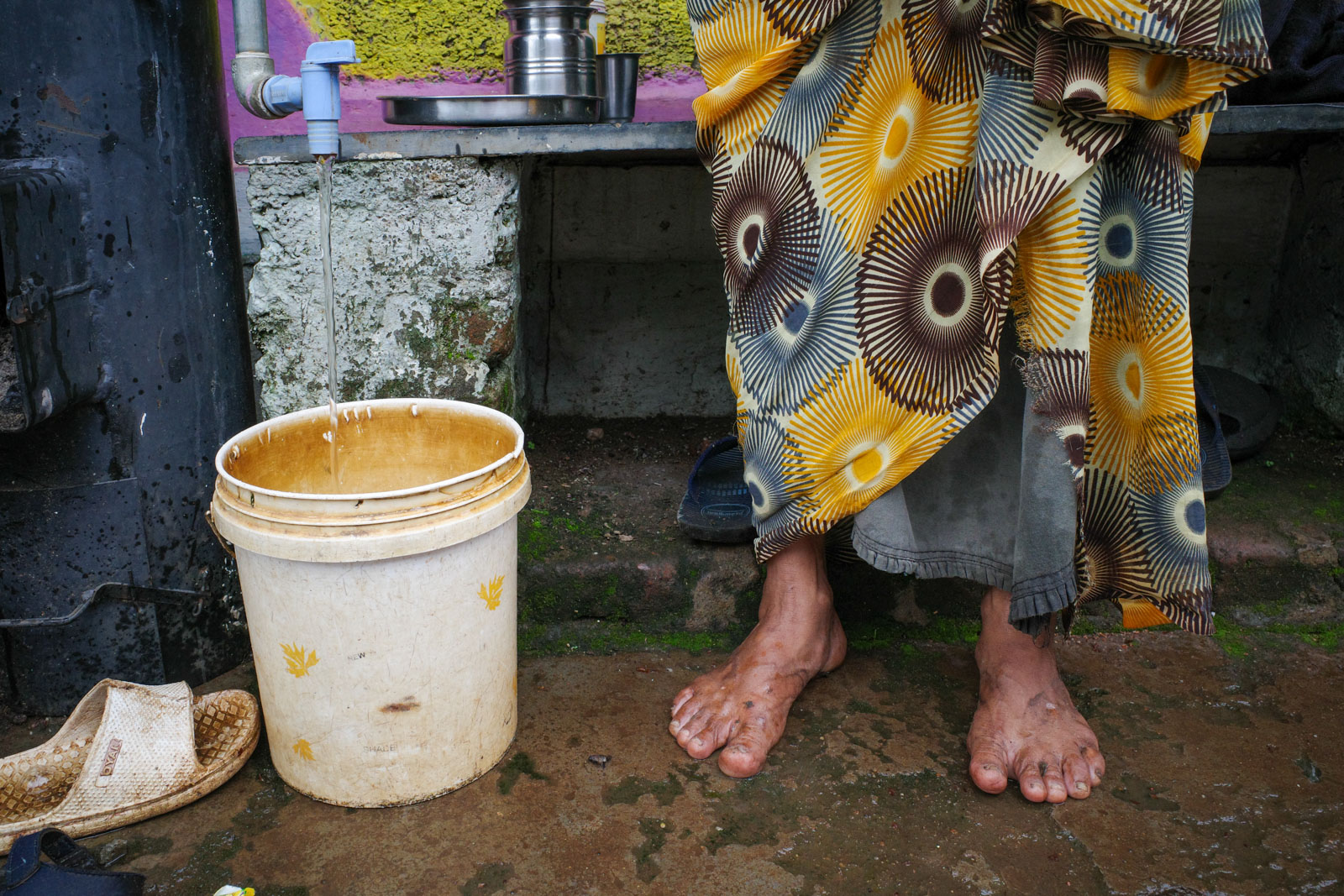
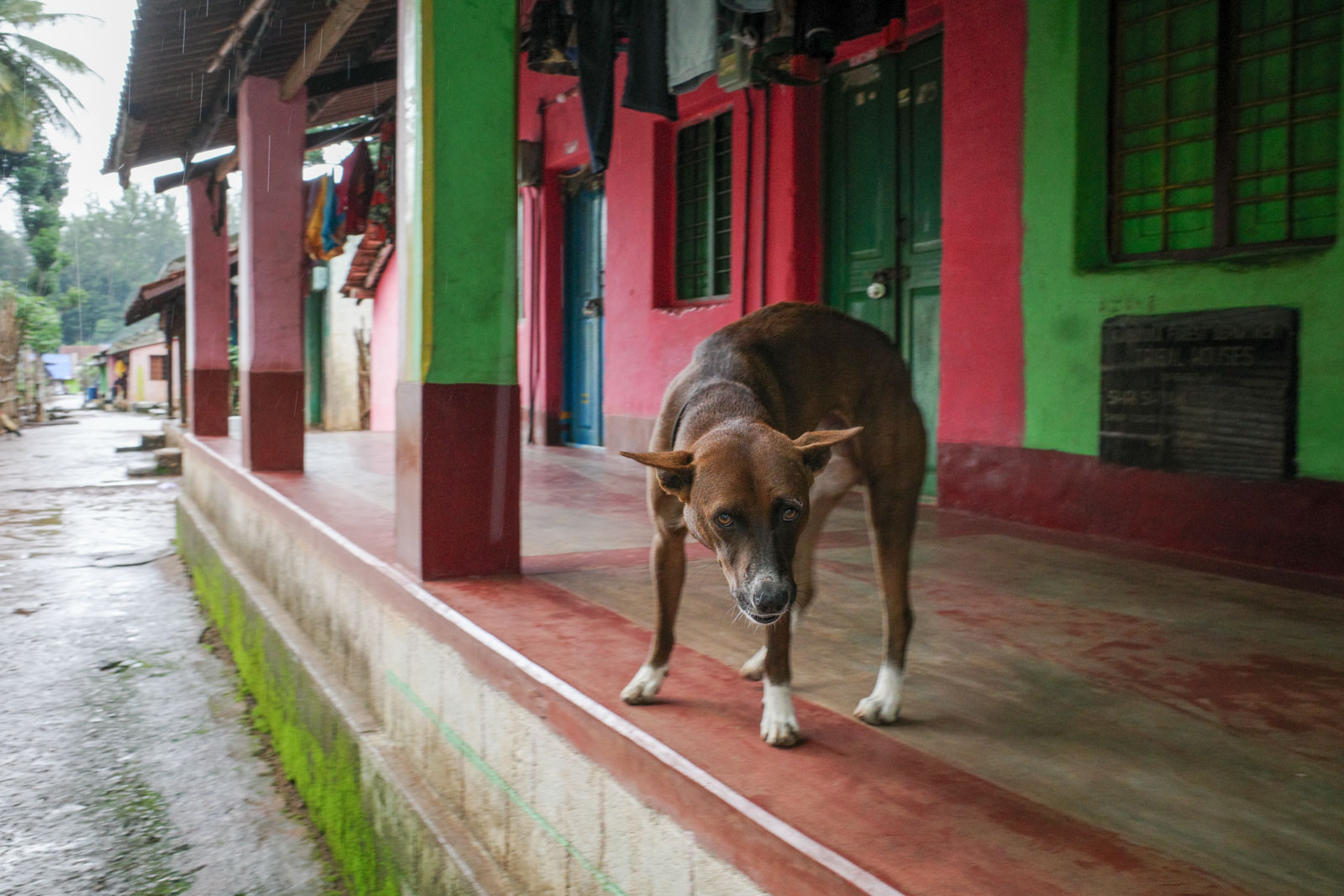
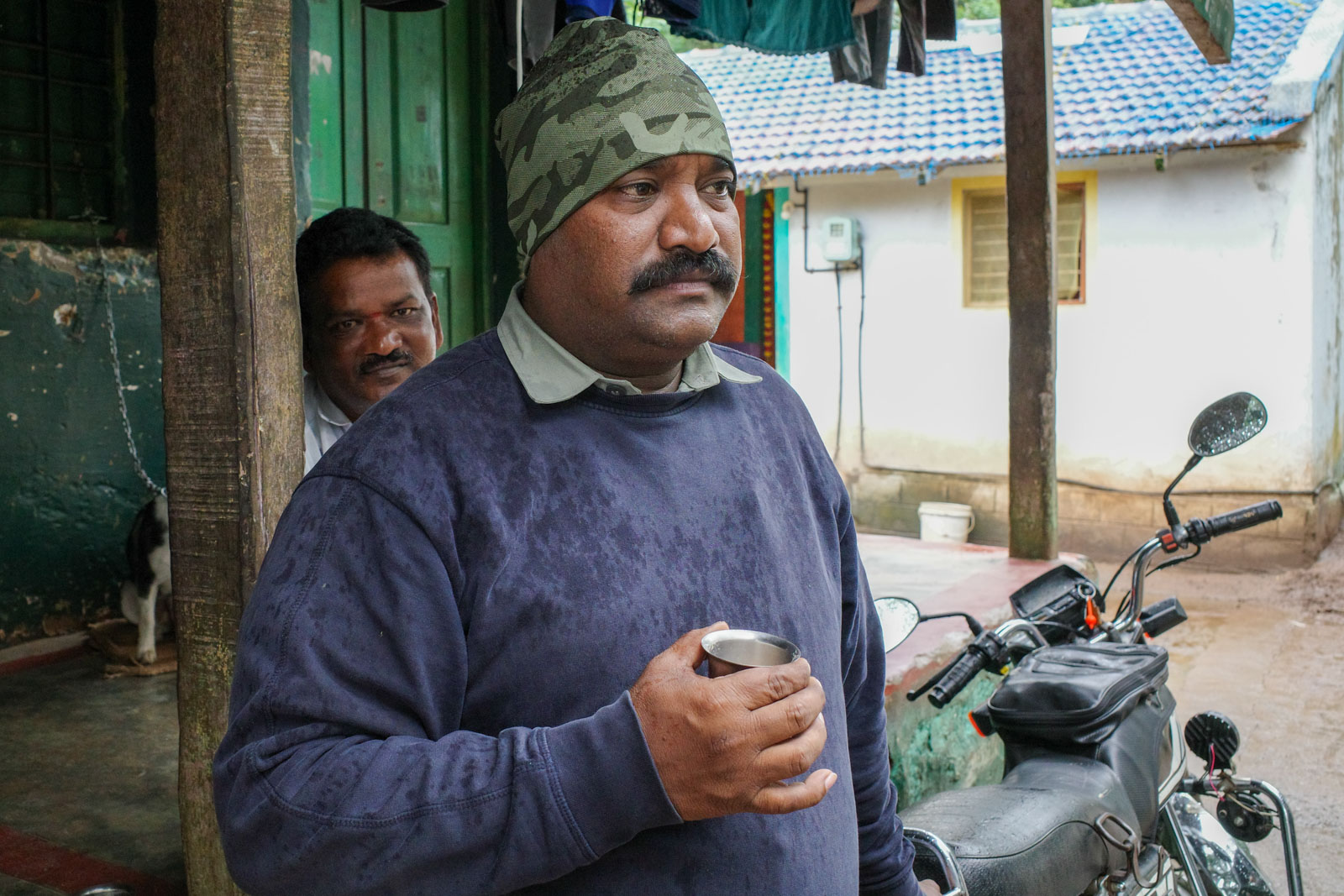
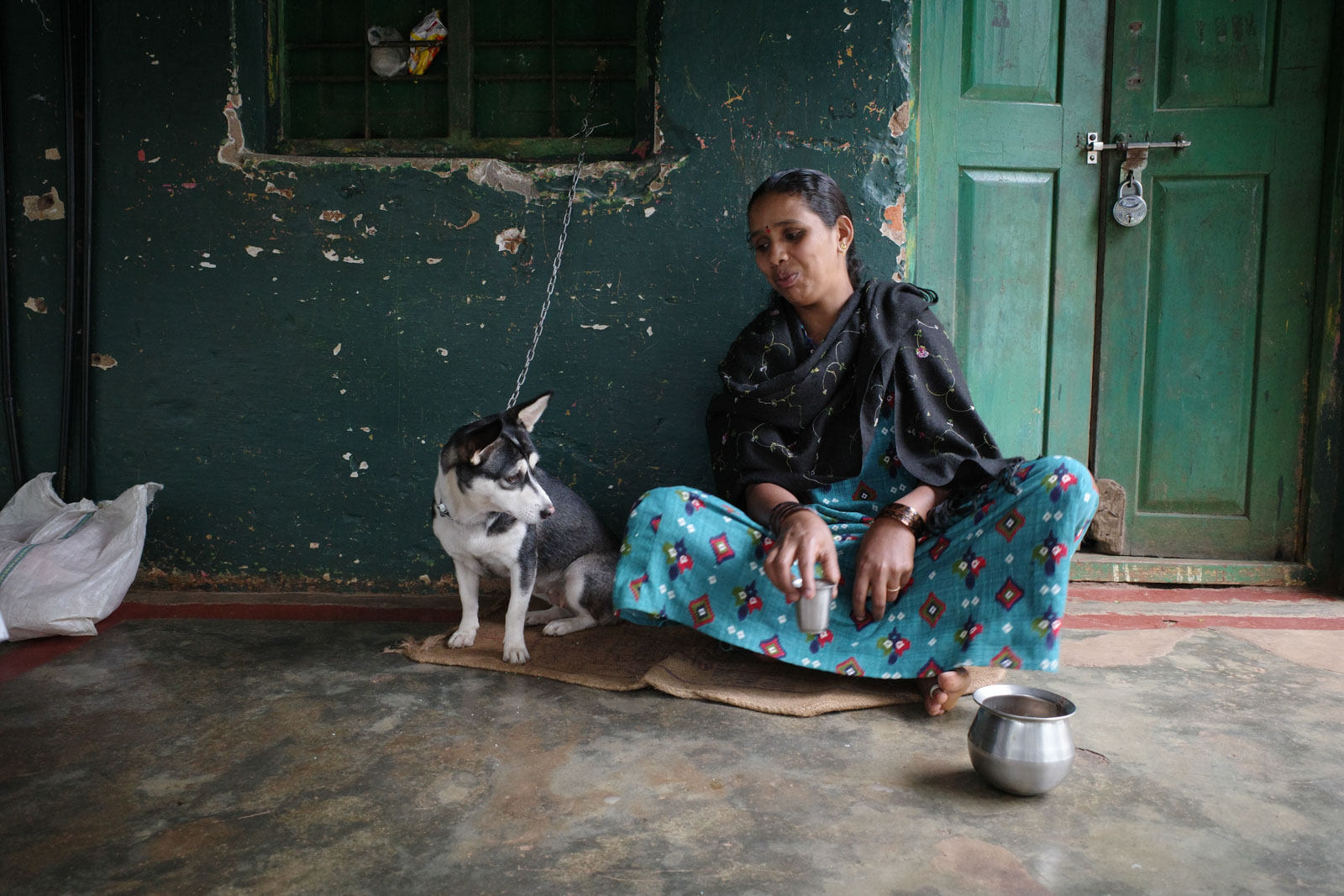
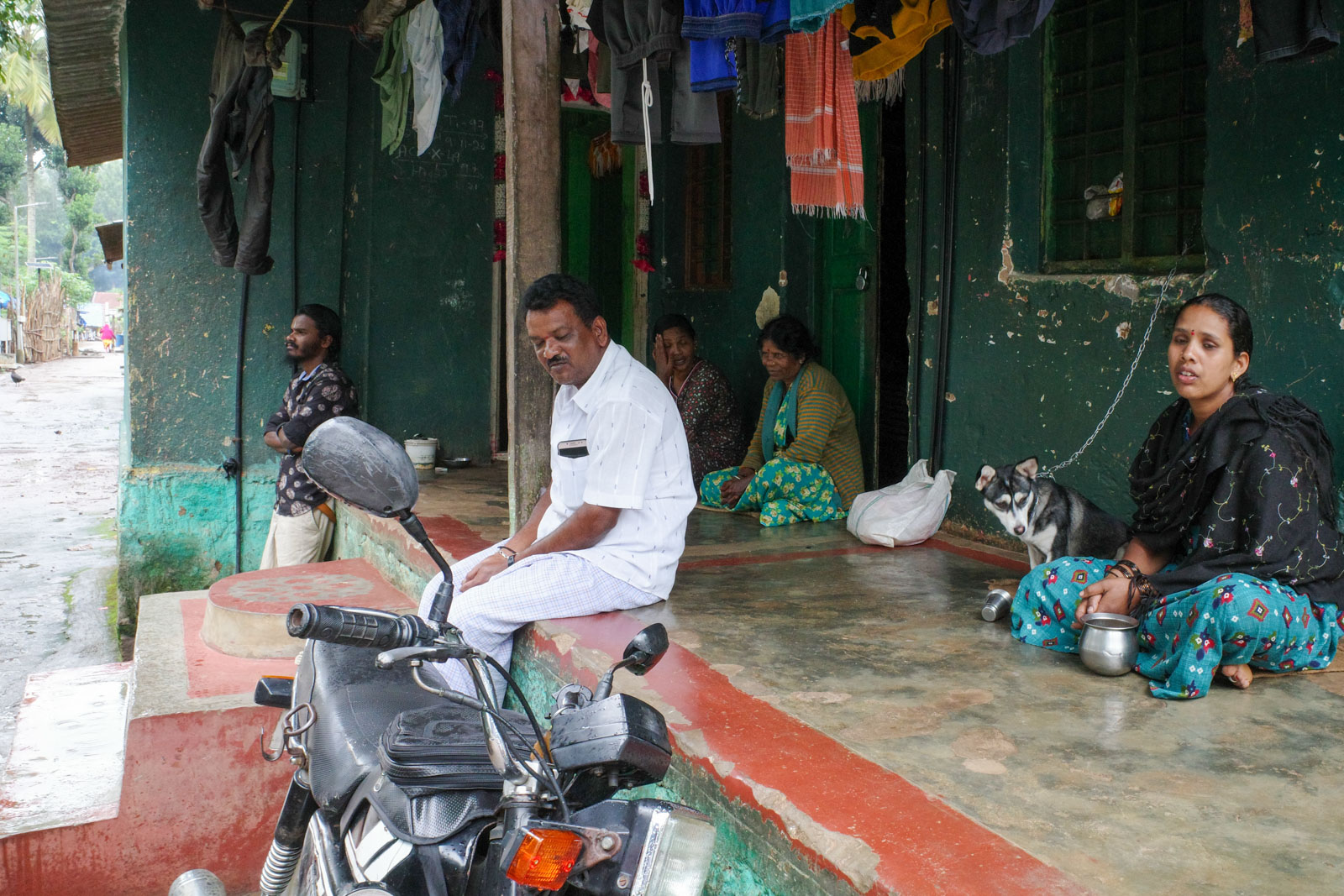
I visited the village of the Soliga tribe in July 2023, when it finally started to rain again. I documented their daily life, especially their interactions with water sources. It gives insights into their resilience and adaptability. I captured moments when women drew water from wells, and had community gatherings serving tea. The aim of the project is to show the enduring connection to their environment and the challenges they face.
ITALIANO
La battaglia della tribù Soliga per l’acqua
La tribù Soliga, indigena delle colline Biligiriranga (BR Hills) del Karnataka, in India, ha un ricco patrimonio culturale profondamente intrecciato con l’ecosistema forestale. Tradizionalmente, il loro sostentamento era incentrato sulla coltivazione a rotazione e sulla raccolta di prodotti forestali non legnosi (NTFP) come miele, uva spina, bambù, curcuma selvatica e caffè.
Negli ultimi anni, i Soliga hanno affrontato sfide legate all’accesso all’acqua potabile pulita. Circa sei anni fa, in molti villaggi sono stati installati impianti di acqua potabile. Tuttavia, a causa della scarsa manutenzione e dell’incuria, questi impianti sono caduti in rovina, lasciando la comunità dipendente dai pozzi che spesso si prosciugano durante i mesi estivi. Questa situazione ha portato alcuni residenti a ricorrere al filtraggio e al consumo di acqua dalle fosse, sollevando problemi di salute.
Ho visitato il villaggio della tribù Soliga nel luglio 2023, quando finalmente ha ricominciato a piovere. Ho documentato la loro vita quotidiana, in particolare le loro interazioni con le fonti d’acqua. Fornisce informazioni sulla loro resilienza e adattabilità. Ho catturato i momenti in cui le donne attingevano l’acqua dai pozzi e organizzavano riunioni comunitarie per servire il tè. L’obiettivo del progetto è mostrare il legame duraturo con il loro ambiente e le sfide che devono affrontare.