Elena Bianchini-Armenia
ARMENIA
A trip to Armenia is a journey through its history, a continuous reference to the symbols and material and immaterial elements that characterize it.
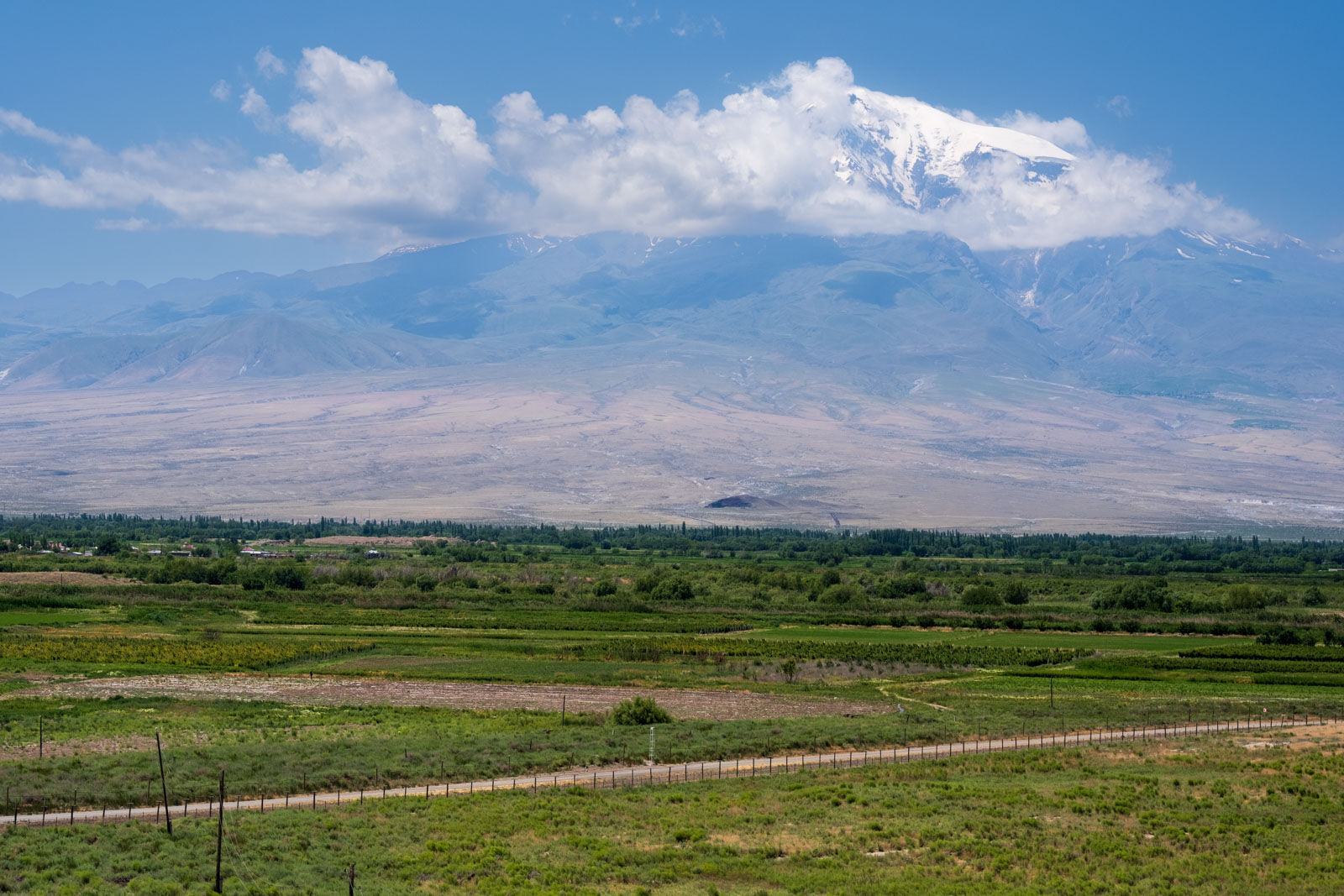
Mount Ararat, a symbol of the cultural identity of the Armenians and home to the myth of origin; A sacred and unreachable mountain because it is currently located in Turkish territory, beyond a closed border bordered by barbed wire.
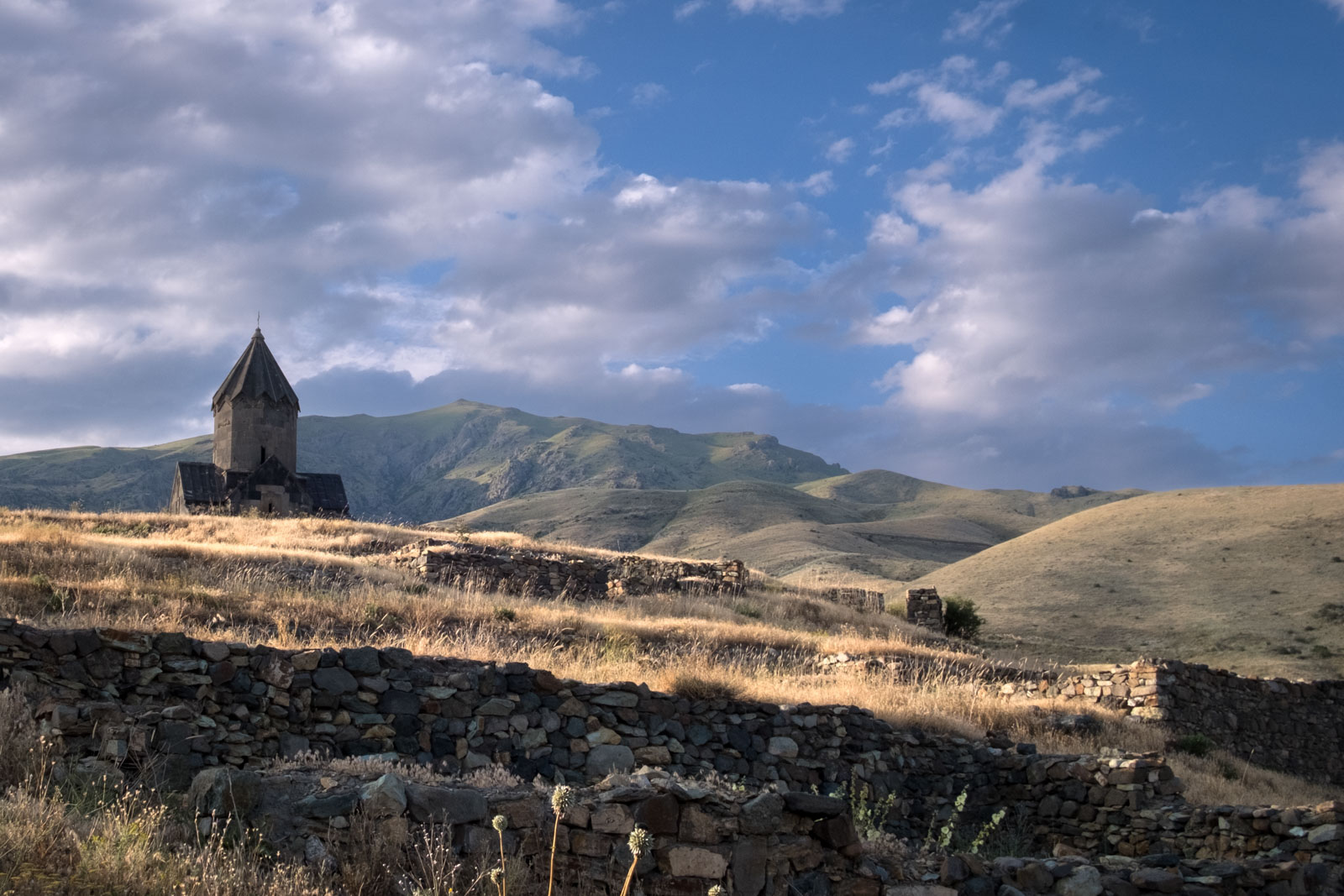
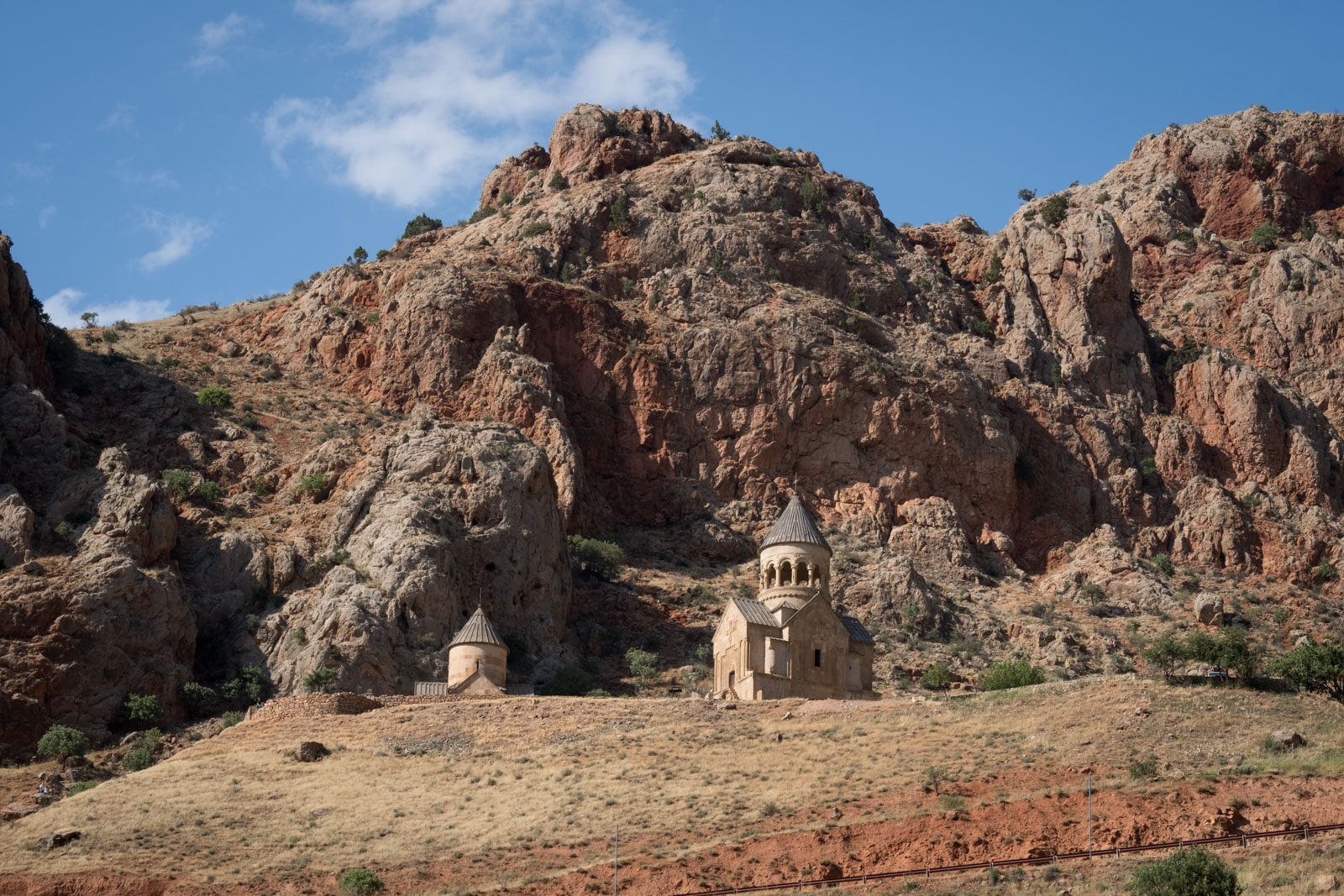
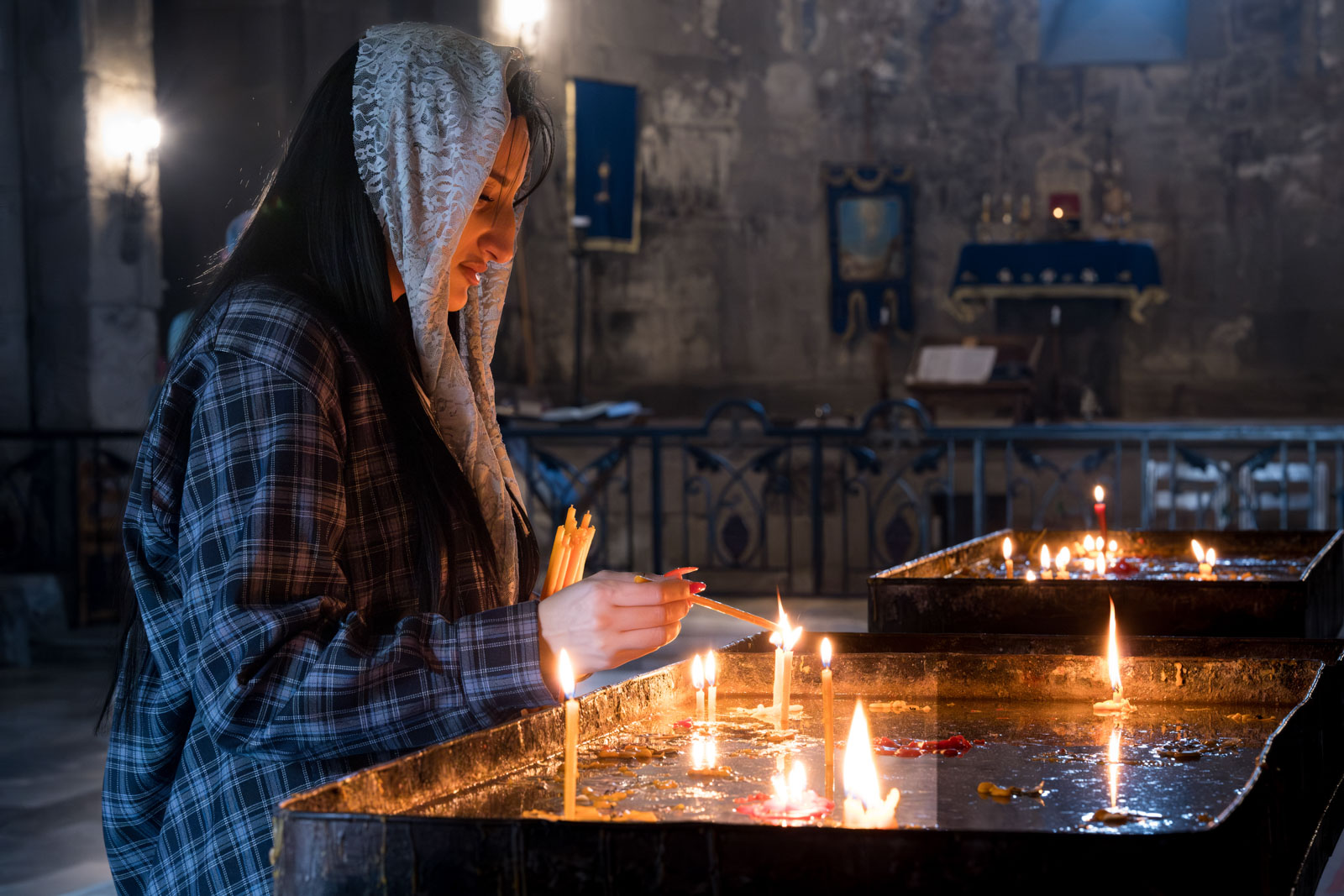
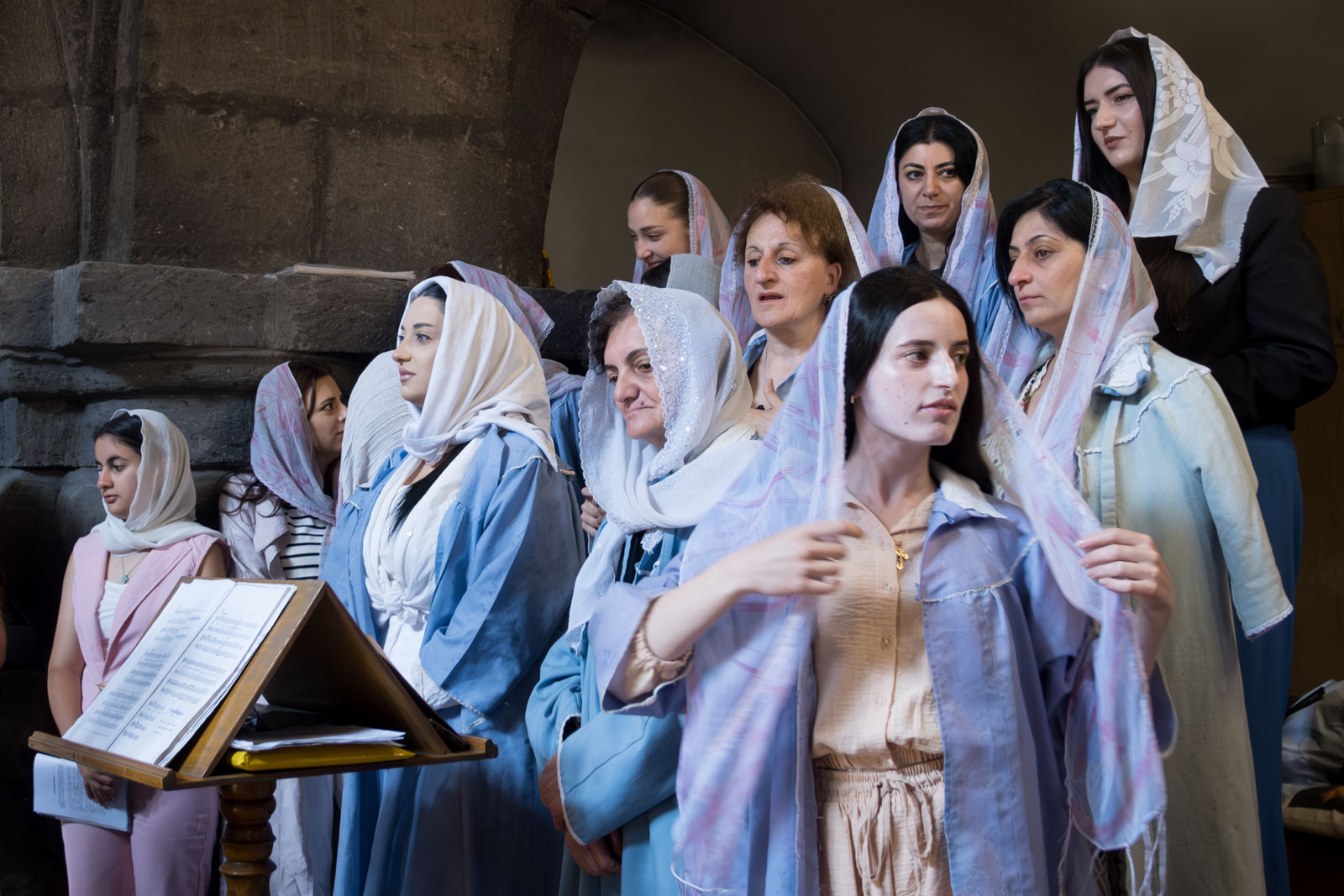
The splendid monasteries “places where the earth launches itself against the sky and the sky joins the earth” with their stone interiors, bare and rich in suggestions, symbols, places of intense spirituality and rituality.
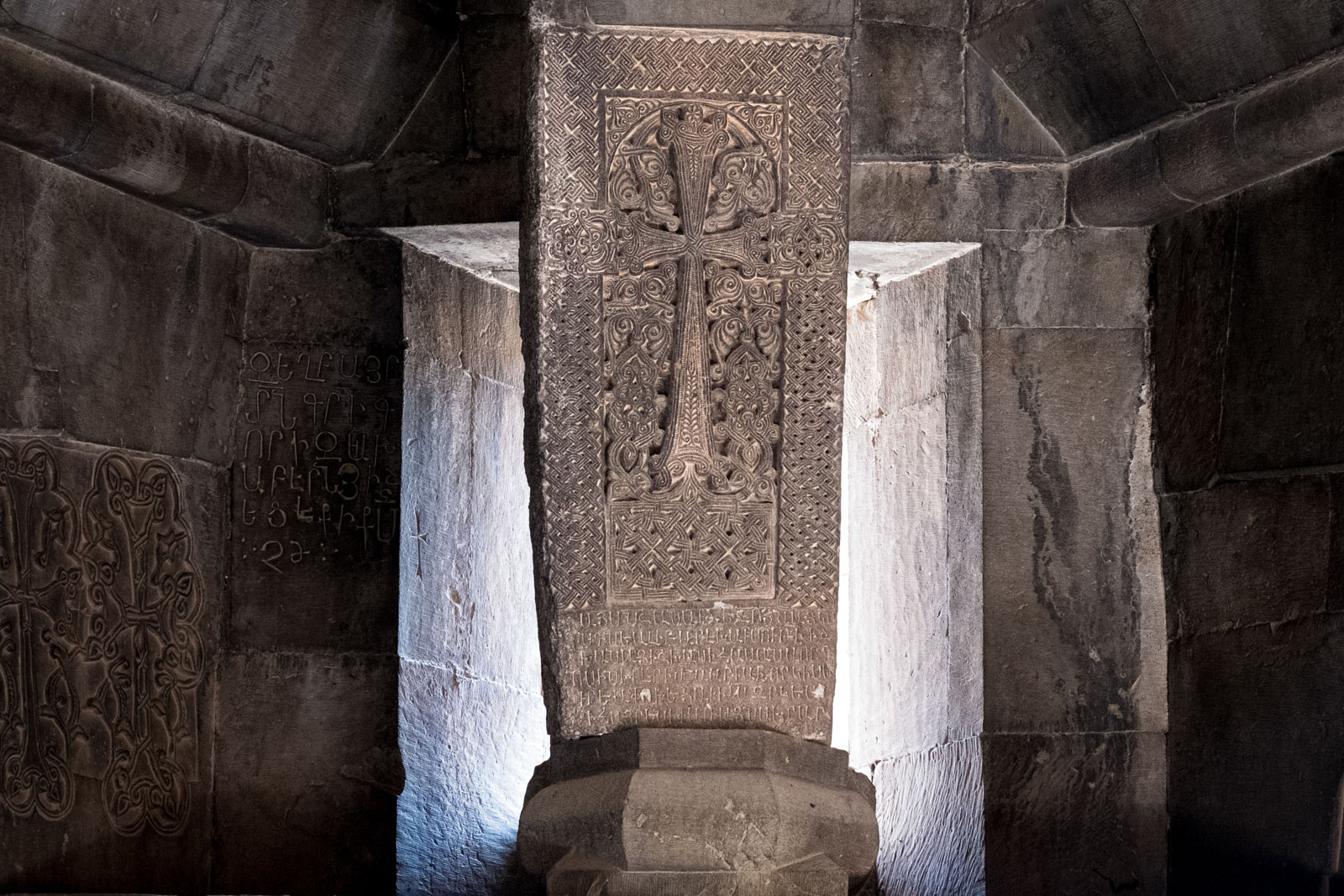
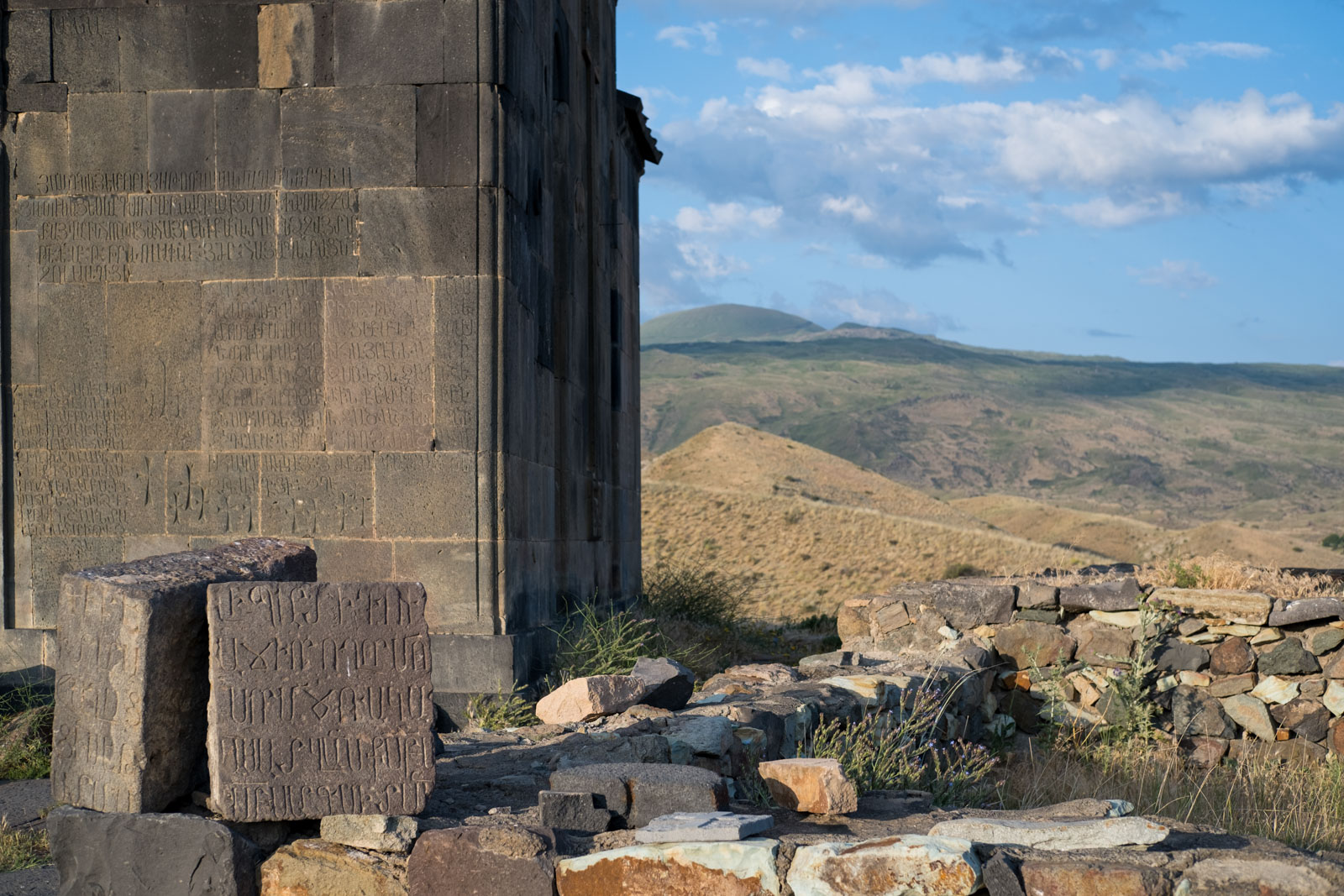
The Armenian script introduced in the fifth century AD by the monk Mashtots is characterized by a great variety of forms and careful aesthetic research, fundamental for the cultural identity of the Armenian people, for the spread of the history of Salvation and at the basis of the persistent union between faith and culture, between nationality and religion.
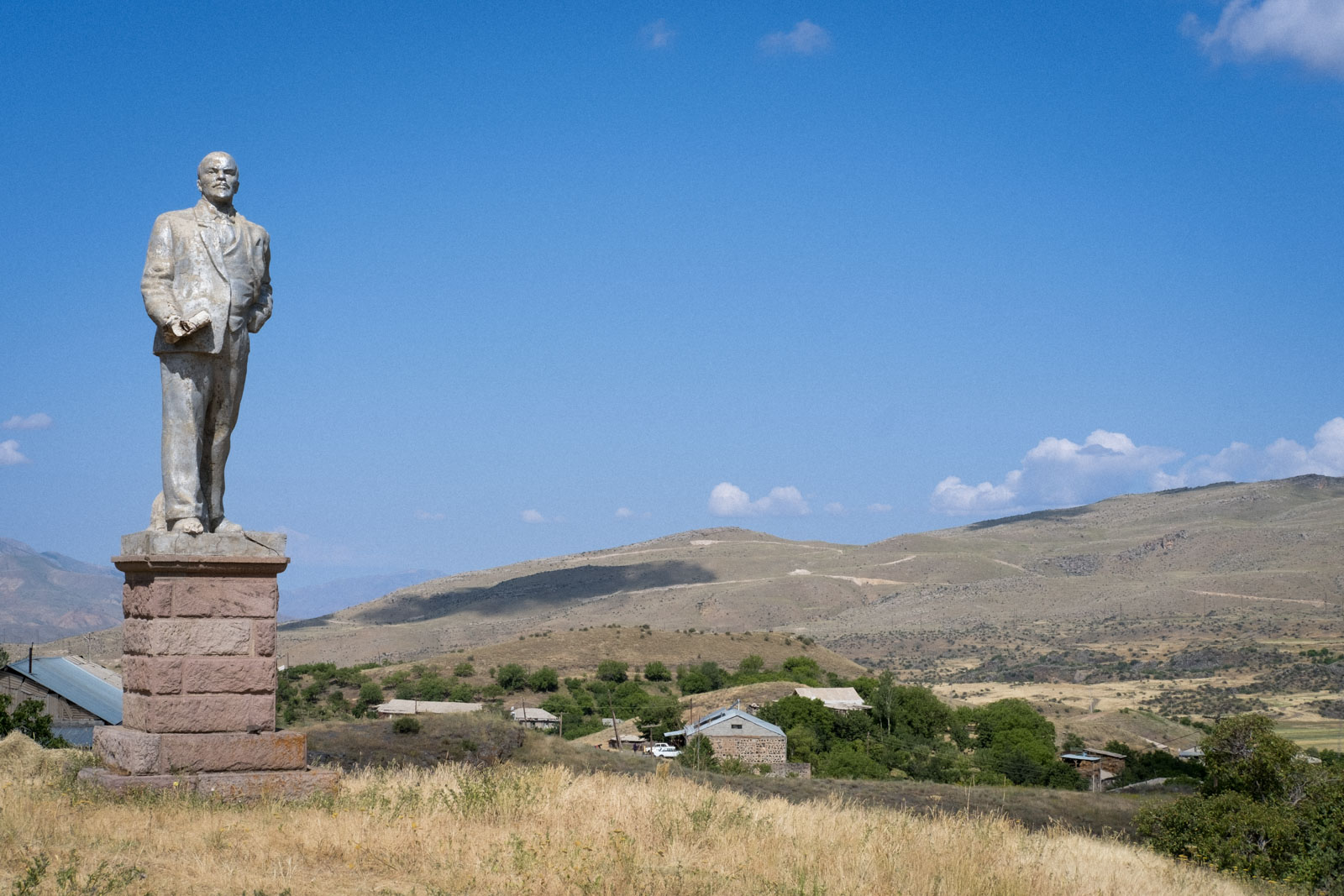
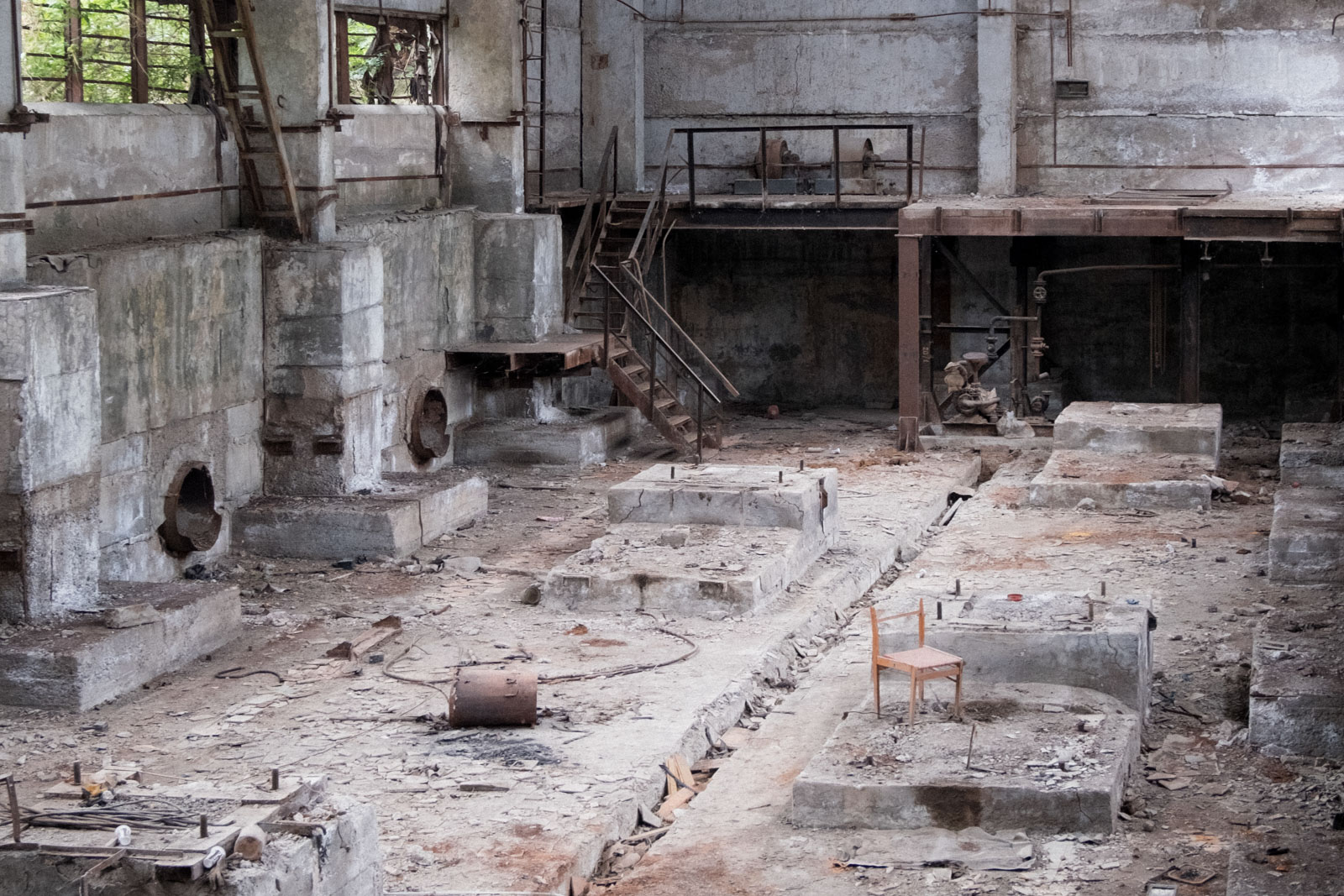
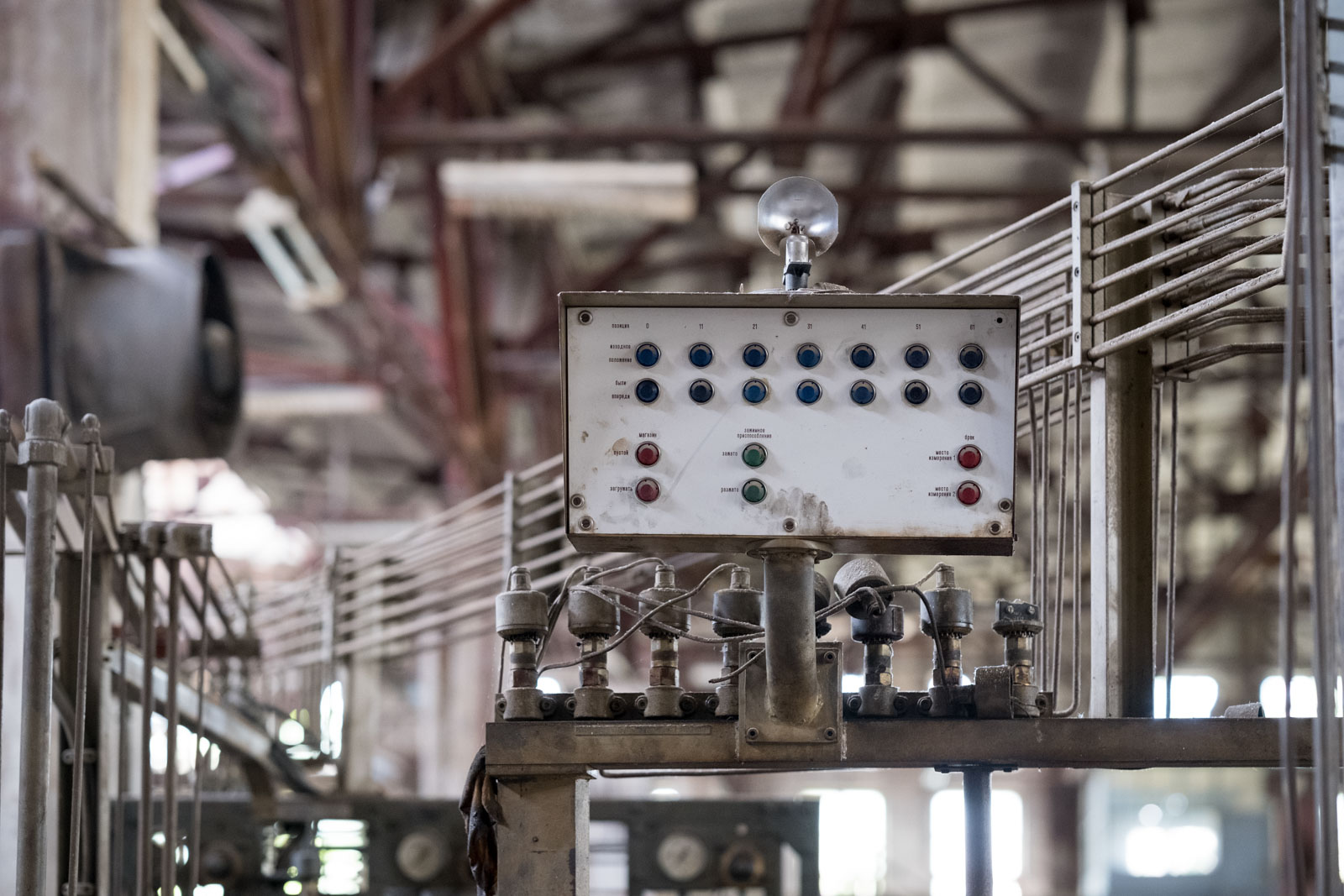
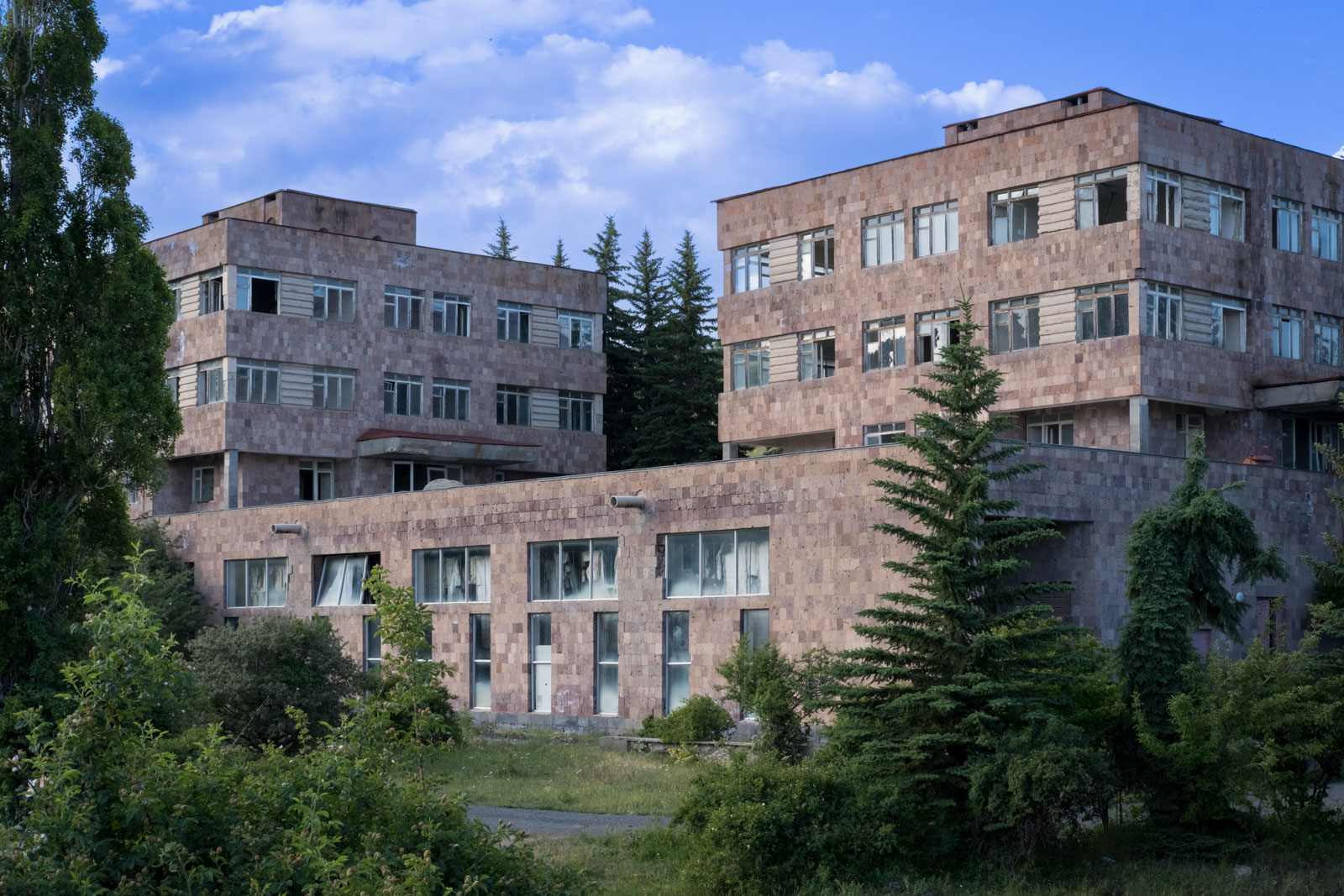
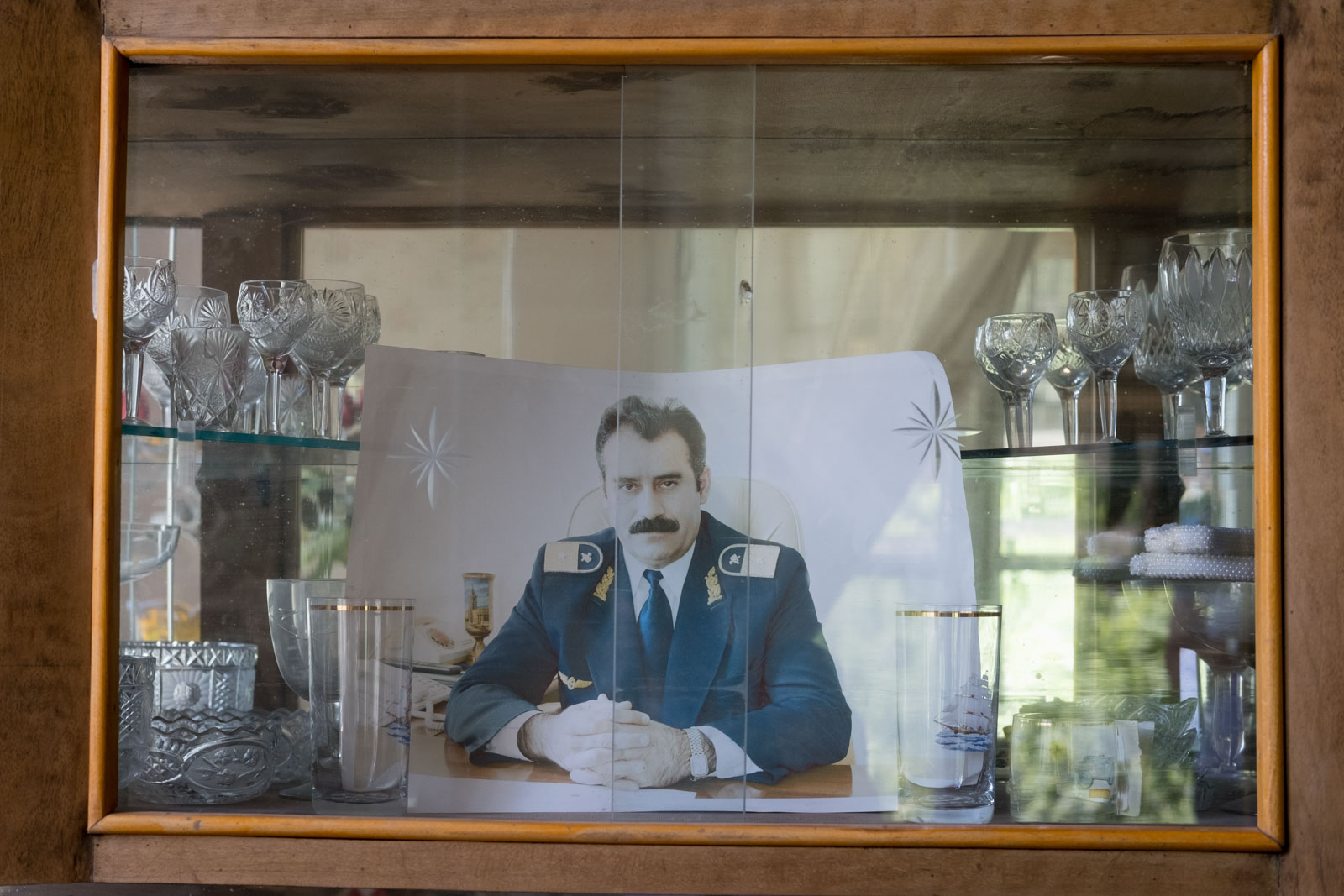
The domestic relics and industrial and technological remnants of the Soviet era, imposing but now in ruins, as if immobilized at the time of abandonment; the civil buildings of the Russian era, square but softened by pink tuff.
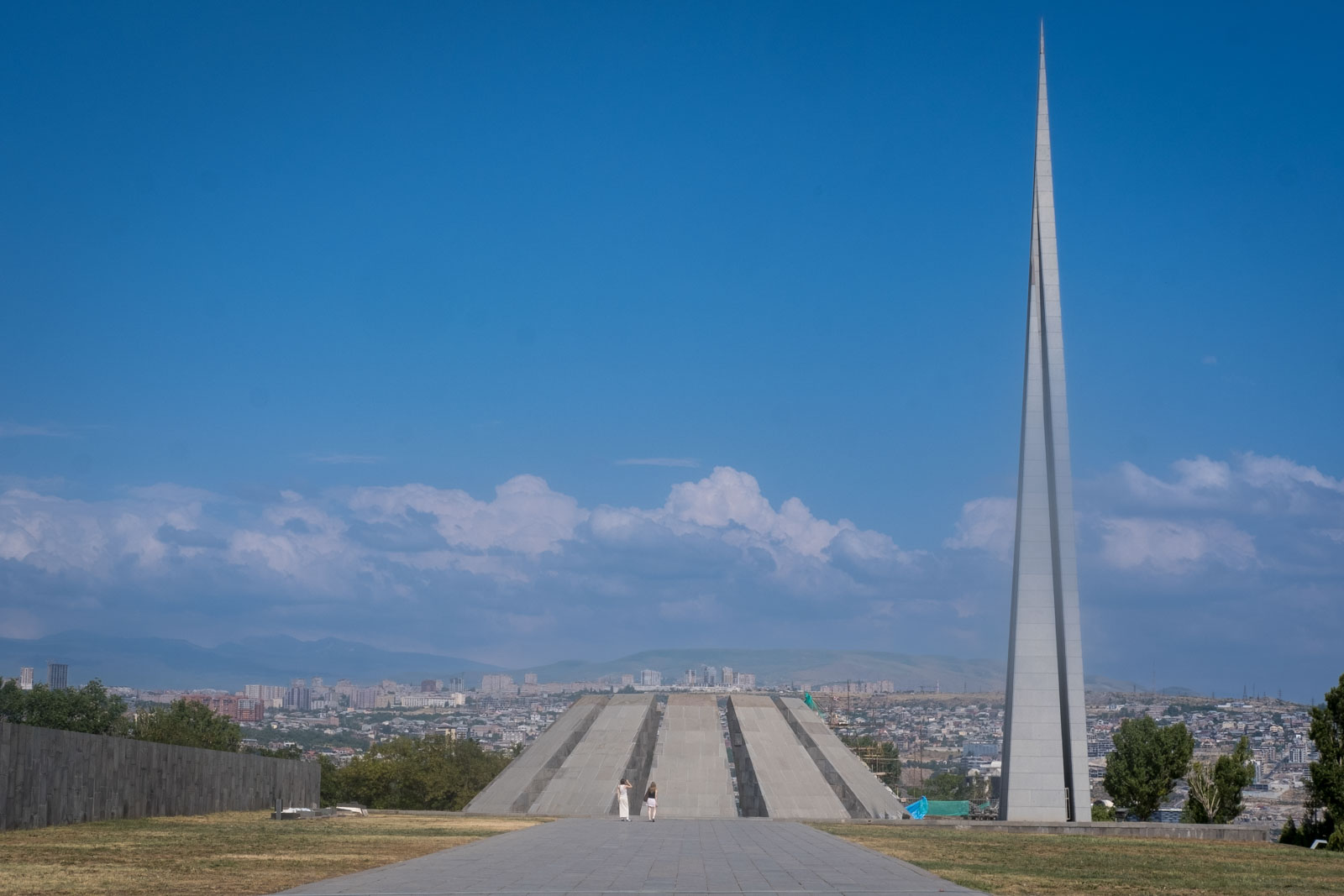
Up to the modernity of the capital Yerevan that extends behind the monument commemorating the Genocide, where a perennial fire burns surrounded by flowers.
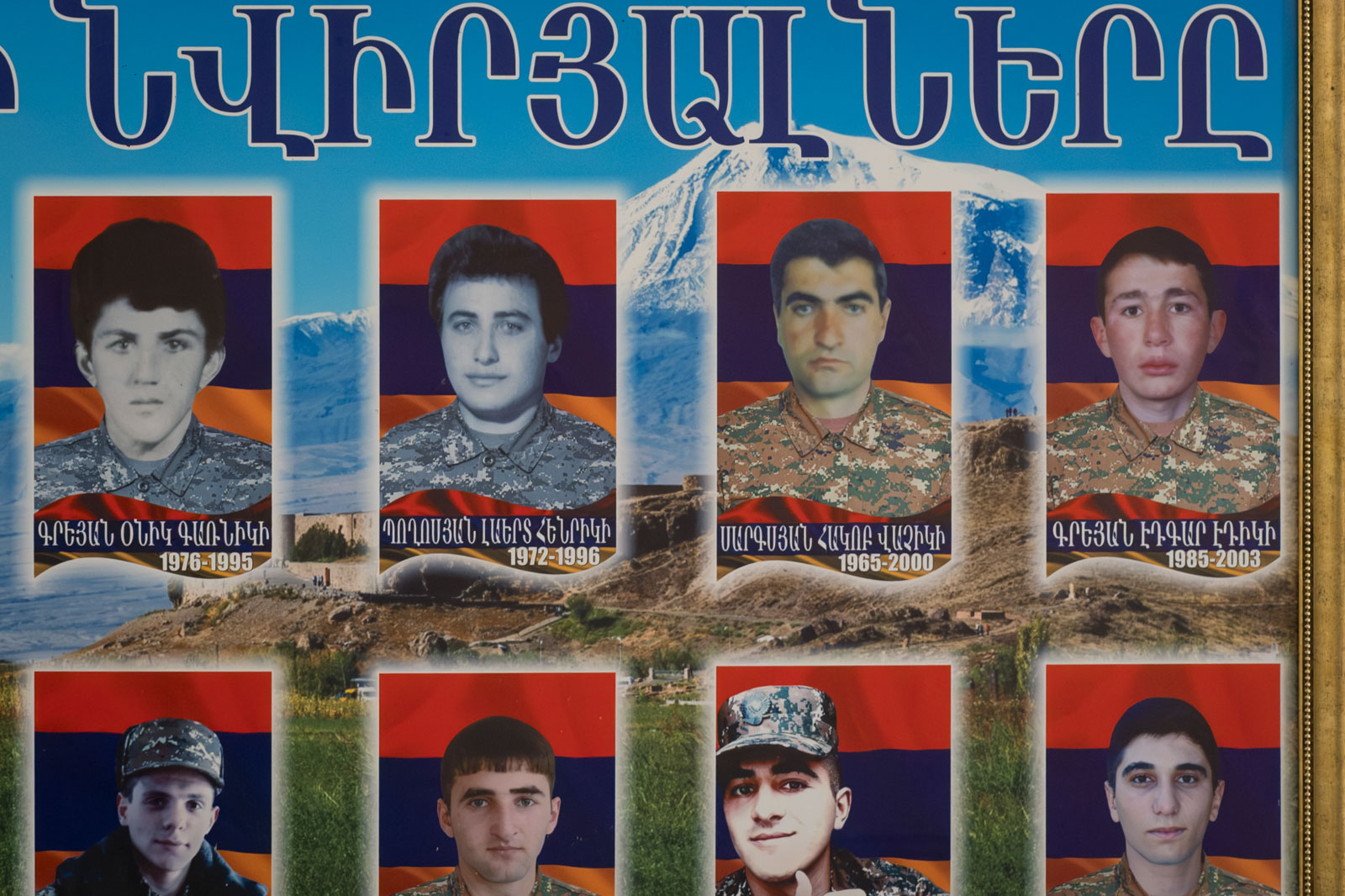
The numerous cemeteries, the memorial of the genocide (Metz Yeghern – the Great Evil) of 1915, the memories of the young soldiers who died in the most recent wars.
Armenia is a “karastan”, a country of stone, made up of 80% rocky mountains and its history is often written by and on stones; Monasteries are built with various types of tuff and basalt, the engravings on the walls hand down sacred stories, the numerous Khatchkar “stones worked in the shape of a cross”, of various workmanship and colors are manifestations of the religiosity of the Armenian people and important symbols of Armenian cultural identity.
A trip to Armenia means to follow different threads of time.
ITALIANO
Un viaggio in Armenia è un percorso nella sua storia, un continuo rimando ai simboli e agli elementi materiali e immateriali che la caratterizzano.
Il monte Ararat, simbolo di identità culturale degli armeni e sede del mito dell’origine; monte sacro e inarrivabile perché attualmente localizzato in territorio turco, oltre un confine chiuso e delimitato da filo spinato.
Gli splendidi monasteri “luoghi dove la terra si lancia contro il cielo e il cielo si congiunge con la terra” con i loro interni di pietra, nudi e ricchi di suggestioni, di simboli, luoghi di intensa spiritualità e ritualità.
La scrittura armena introdotta nel V secolo d.C. dal monaco Mashtots e caratterizzata da una grande varietà di forme e da un’accurata ricerca estetica, fondamentale per l’identità culturale del popolo armeno, per la diffusione della storia della Salvezza e alla base del persistente connubio tra fede e cultura, tra nazionalità e religione.
I cimeli domestici e i residuati industriali e tecnologici dell’epoca sovietica, imponenti ma ora in rovina, come immobilizzati al momento dell’abbandono; gli edifici civili di epoca russa, squadrati ma ingentiliti dal tufo rosa.
Fino alla modernità della capitale Yerevan che si estende alle spalle del monumento di commemorazione del Genocidio, dove arde un fuoco perenne circondato da fiori.
I numerosi cimiteri, il memoriale del genocidio (Metz Yeghern – il Grande male) del 1915, i ricordi dei giovani soldati morti nelle guerre più recenti.
L’Armenia è un “karastan”, un paese di pietra, costituito per l’80% da montagne rocciose e la sua storia è spesso scritta dalle e sulle pietre; con vari tipi di tufo e basalto sono costruiti i monasteri, le incisioni sui muri tramandano storie sacre, i numerosi Khatchkar “pietre lavorate a forma di croce”, di varia fattura e colori sono manifestazioni della religiosità del popolo armeno e simboli importanti dell’identità culturale armena.
Un viaggio in Armenia è seguire diversi fili del tempo.