Anita Ishaq-Traces of an environmental disaster
Traces of an environmental disaster
Until a few years ago, Aral was one of the largest lakes in the world and one of the main sources of fish for the whole Soviet Union. Starting from the ’60s, the authorities diverted its tributaries Amu Darya and Syr Darya in order to irrigate the surrounding terrains and increase the production of cotton – the richest industry of soviet central Asia. Subsequently, over the years the Aral sea started shrinking, leaving whole fishing communities jobless and ships left anchored in the desert.
The desertified basin still bears the trace of the ecological disaster: the soil is polluted by fertilizers, pesticides and industrial chemicals. This has an impact on agriculture and the fishing sector, but also on the health of the residents who keep breathing the polluted air, carried by the strong winds. Over the years, several attempts have been made to bring back water into the lake, especially its northern side, in Kazakhstan.
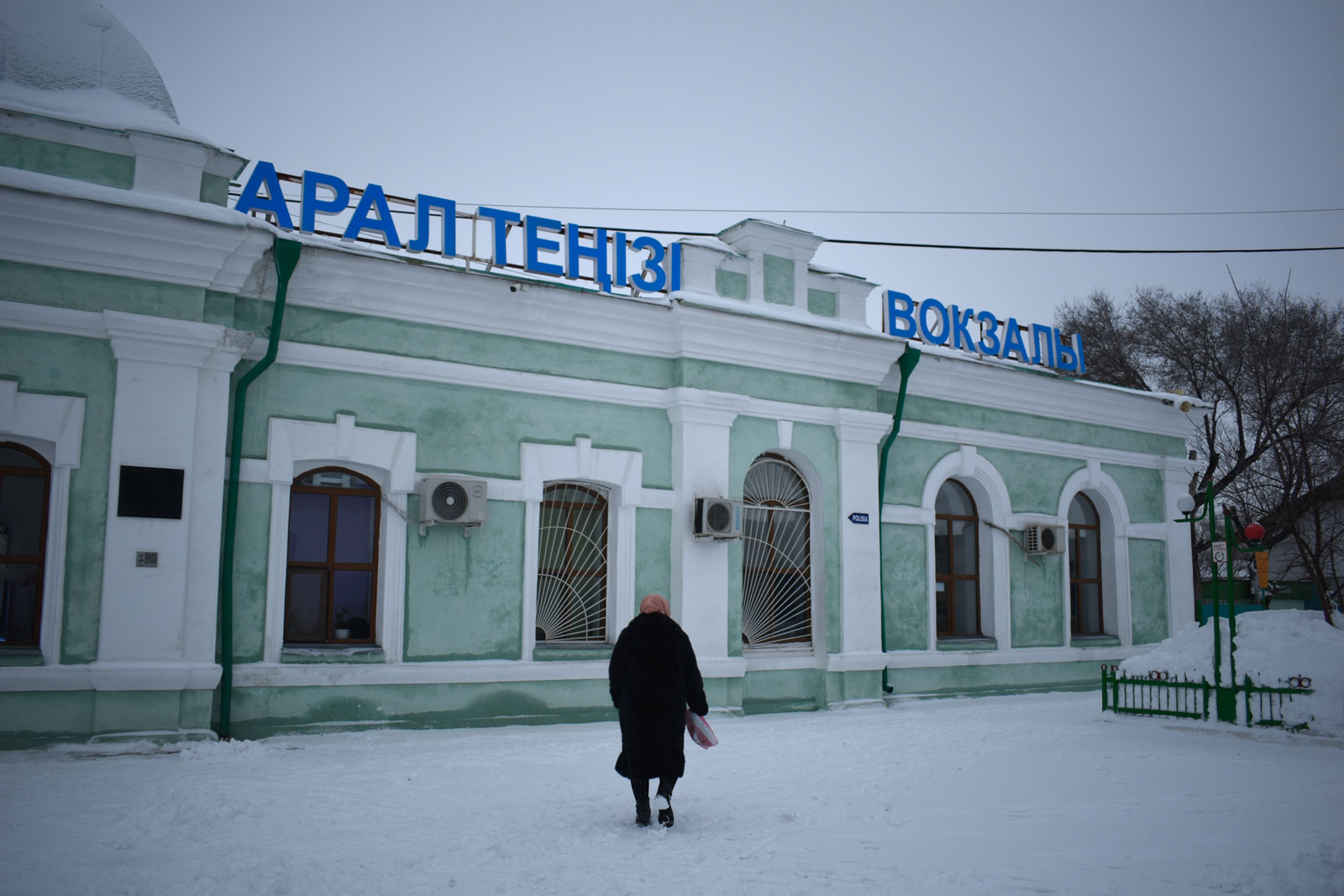
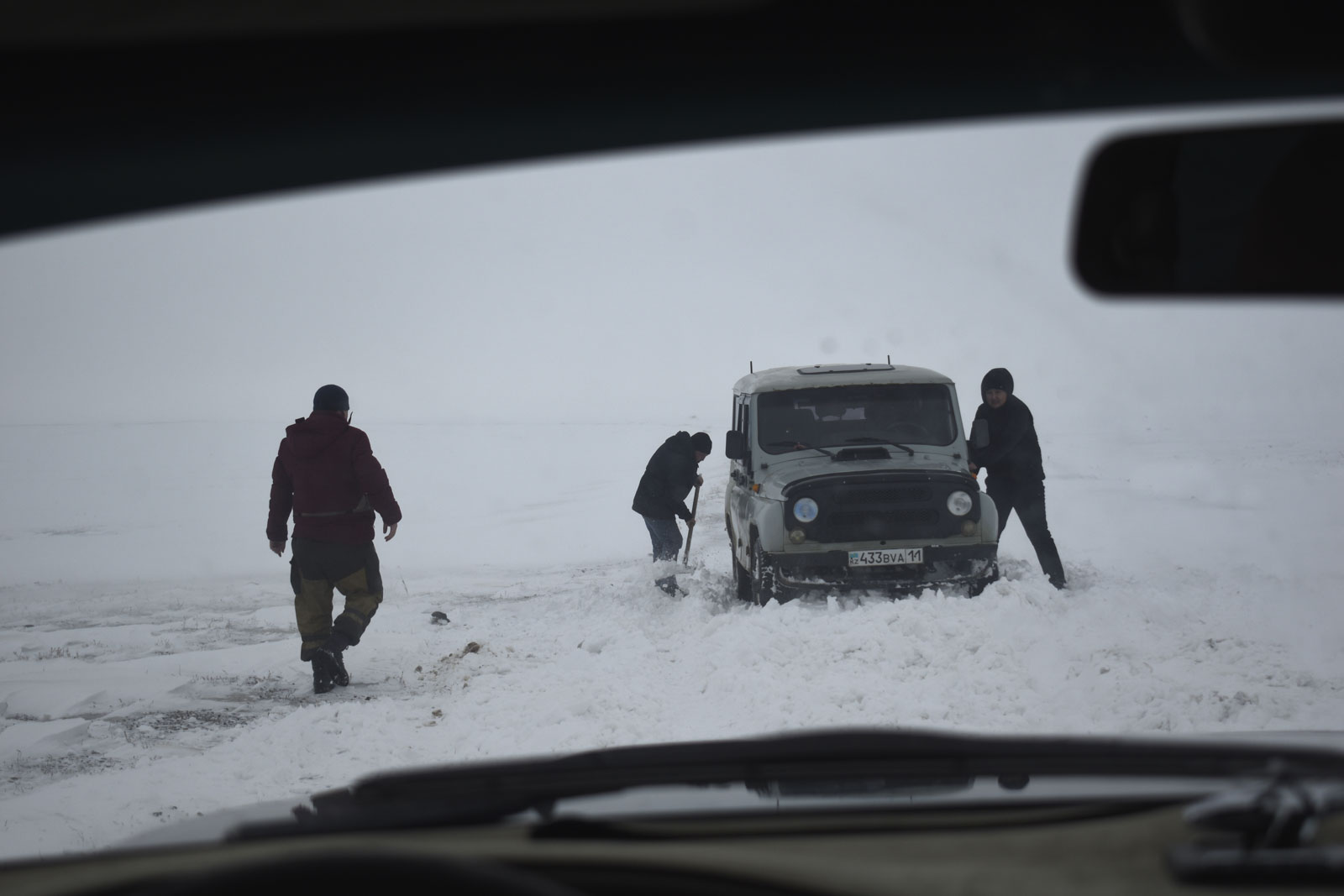
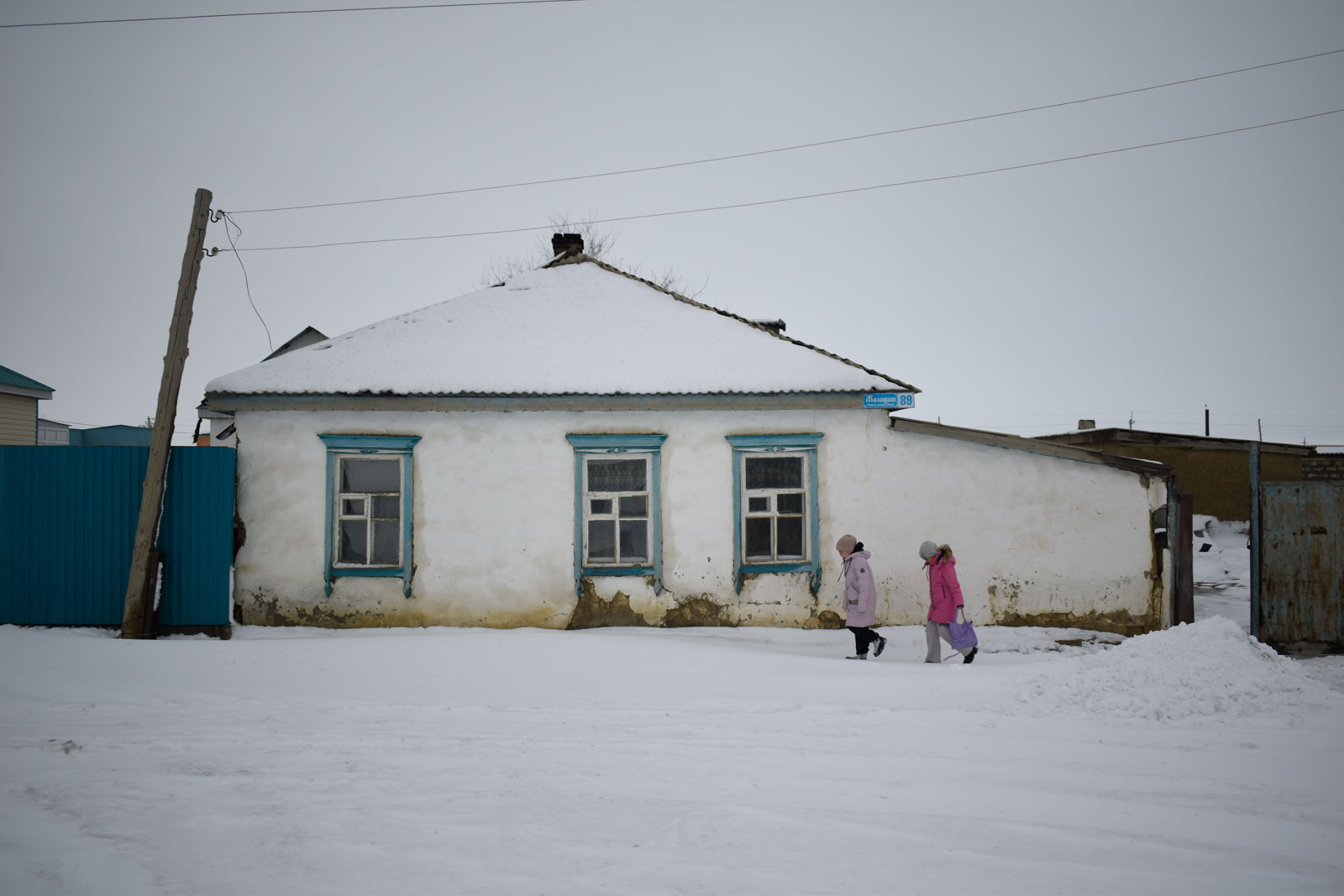
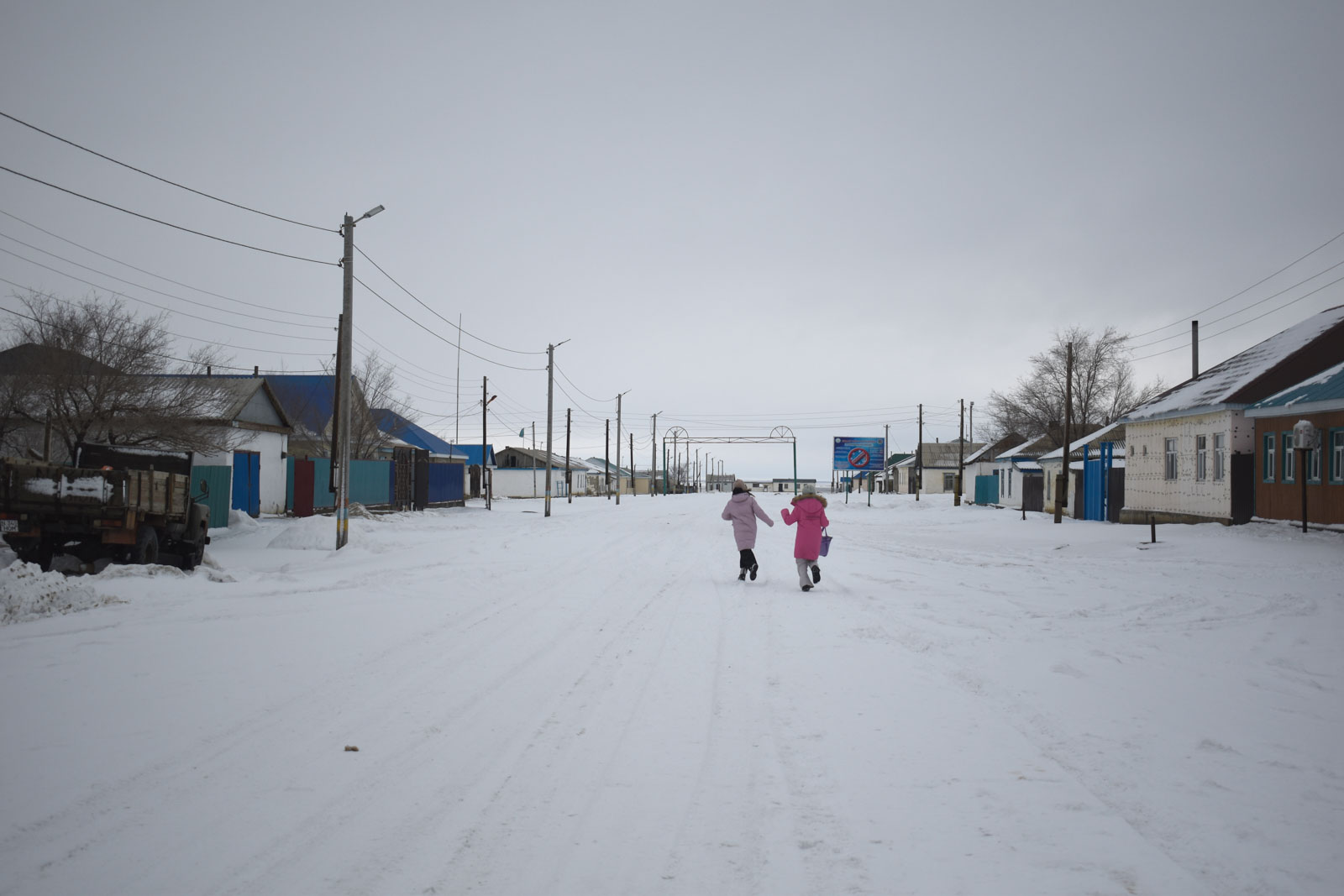
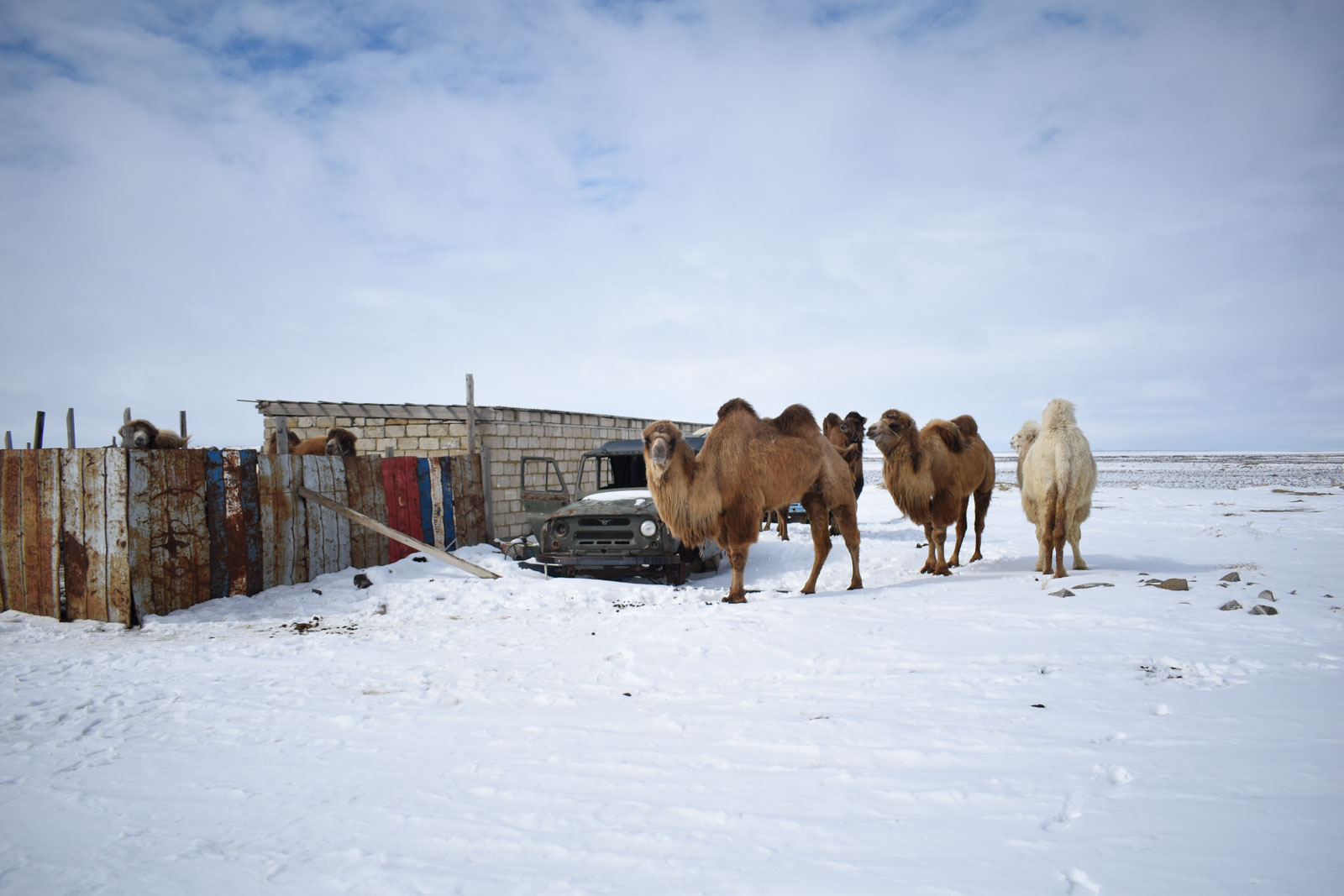
In March, Aral’s northern basin is covered in snow and the lake is frozen. The extreme temperatures are one of the consequences of the environmental disaster. We leave from the small town of Aralsk, which used to be a thriving port town but is now a witness of the tragedy with its small, emptied port, the fisherman monument and the museum. In a white landscape, dotted only with camels and a few herds of horses, we move towards Zhalanash, a fishing village where the residents have now removed the abandoned ships to reuse the metal. We finally reach Tastubek, another fishing village now 5 kilometers away from the closest shore. Here, the few residents are isolated and have to drive 3 hours to take their children to school, running the risk of getting stuck in the snow.
ITALIANO
Tracce di un disastro ambientale
Fino a pochi anni fa, Aral era uno dei laghi più grandi del mondo e una delle principali riserve di pesce per tutta l’Unione sovietica. A partire dagli anni ’60, le autorità deviarono i suoi affluenti Amu Darya e Syr Darya per irrigare i territori circostanti e incrementare la produzione di cotone – la più florida industria dell’Asia centrale sovietica. Per questo negli anni il lago di Aral iniziò a rimpicciolirsi progressivamente, lasciando intere comunità di pescatori senza lavoro e un panorama di navi ancorate nel nulla.
Il bacino desertificato porta le tracce del disastro ecologico: il terreno è inquinato da fertilizzanti, pesticidi e chimici industriali. A subirne le conseguenze non sono soltanto la pesca e l’agricoltura, ma anche la salute delle persone che continuano a respirare l’aria inquinata, costantemente sollevata e spostata dai fortissimi venti. Negli anni sono stati avviati vari tentativi per riportare acqua nel lago, soprattutto nel suo versante settentrionale, in Kazakistan.
A marzo, il bacino settentrionale dell’Aral è coperto di neve e il lago è ghiacciato. Le temperature estreme sono una delle conseguenze del disastro ambientale. Partiamo dalla cittadina di Aralsk, un tempo florido centro portuale, oggi testimone della tragedia grazie alle sue reliquie – il porticciolo svuotato, la statua del pescatore, il piccolo museo. In un panorama bianchissimo, costellato solo di cammelli e qualche mandria di cavalli, ci muoviamo verso Zhalanash, villaggio di pescatori dove nel tempo i locali hanno rimosso le navi rimaste ancorate, per riutilizzarne il metallo. Arriviamo infine a Tastubek, un altro villaggio di pescatori oggi a 5 chilometri dalla sponda più vicina. Qui gli abitanti vivono in condizioni di forte isolamento e devono percorrere una distanza di 3 ore per portare i loro figli a scuola, rischiando, d’inverno, di rimanere bloccati nella neve.