BnarSardar Sidiq-Garden of Eden is likely to disappear
Garden of Eden is likely to disappear
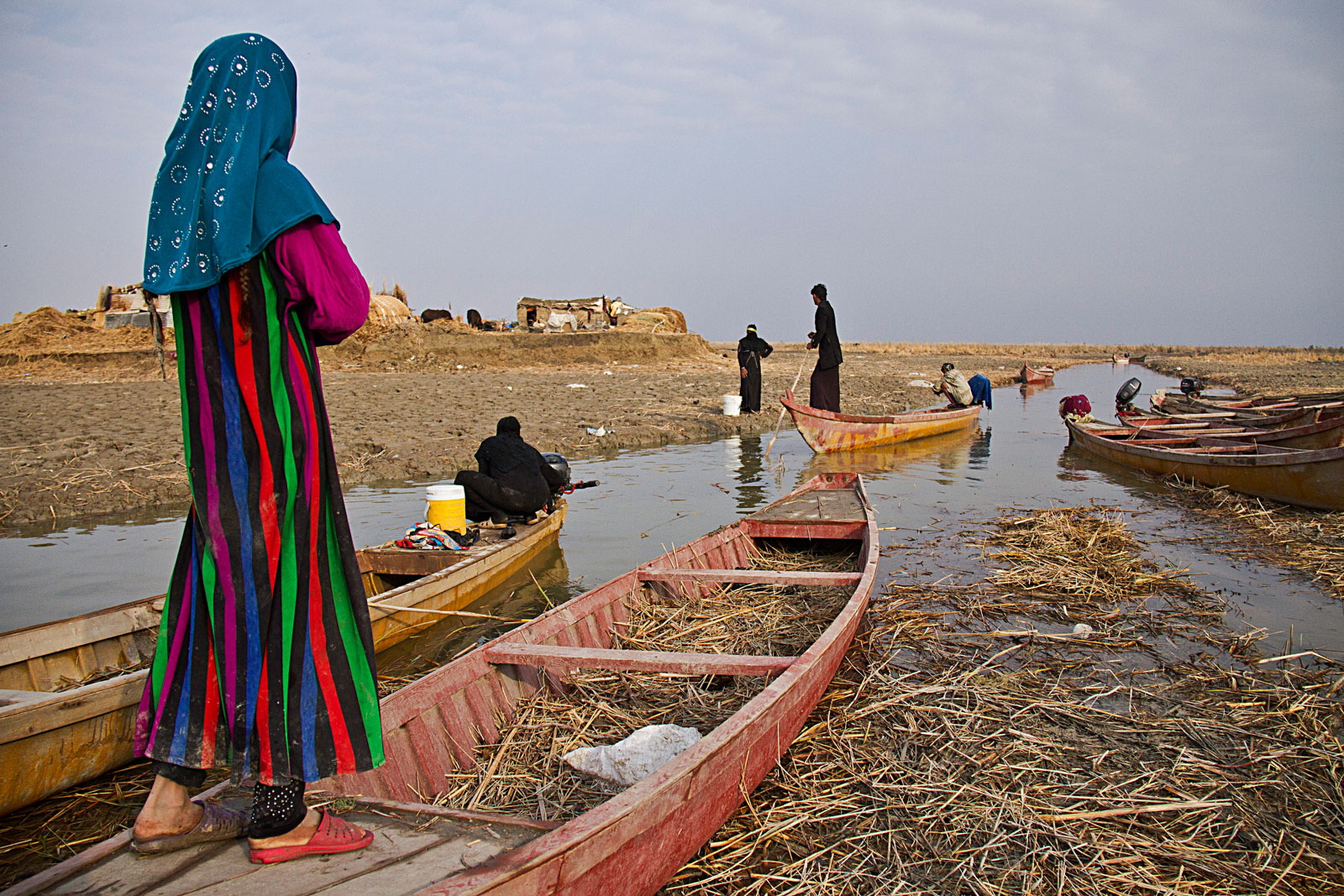
The Mesopotamian Marshlands, often referred to as the cradle of civilisation, are located between the Euphrates and the Tigris rivers, the two rivers that feed the marshes. The Epic of Gilgamesh describes the marshes in the flood story, about 2700 BC. Biblical scholars say this place is the Garden of Eden, and some believe Noah’s arc landed here. The current marsh dwellers are descendants of the ancient Sumerians, a civilisation that dates back 5000 years. Like in the past, the current inhabitants mostly live from fishing, water buffalo, and other resources from the marshes.
The marshes, historically covering over 20,000 square kilometres of interconnected lakes, mudflats, and wetlands in modern-day Iraq and Iran, have disappeared. In the late eighties, Saddam Hussein drained large areas to evict the Shia Arabs from the marshes. After the fall of Saddam Hussein, the marshes were partially recovered. However, the construction of dams upstream, especially in Syria and Turkey, and downstream drainage projects once again threaten the livelihoods of the Marsh Arabs.
ITALIANO
Il Giardino dell’Eden rischia di scomparire
Le paludi mesopotamiche, spesso indicate come la culla della civiltà, si trovano tra i fiumi Eufrate e Tigri, i due fiumi che alimentano le paludi. L’Epopea di Gilgamesh descrive le paludi nella storia del diluvio, circa 2700 a.C. Gli studiosi biblici dicono che questo luogo è il Giardino dell’Eden, e alcuni credono che l’arco di Noè sia atterrato qui. Gli attuali abitanti delle paludi sono discendenti degli antichi Sumeri, una civiltà che risale a 5000 anni fa. Come in passato, gli abitanti attuali vivono principalmente di pesca, bufali d’acqua e altre risorse delle paludi. Le paludi, che storicamente coprono oltre 20.000 chilometri quadrati di laghi interconnessi, distese fangose e zone umide negli odierni Iraq e Iran, sono scomparse. Alla fine degli anni Ottanta, Saddam Hussein prosciugò vaste aree per sfrattare gli arabi sciiti dalle paludi. Dopo la caduta di Saddam Hussein, le paludi sono state parzialmente recuperate. Tuttavia, la costruzione di dighe a monte, soprattutto in Siria e Turchia, e i progetti di drenaggio a valle minacciano ancora una volta i mezzi di sussistenza degli arabi delle paludi.