Lorenzo Savoini – Eastern Roads
At night you can still hear the sounds of harmoniums breathed And old Kazakhs who for a thousand years Offer their chests to novenas …
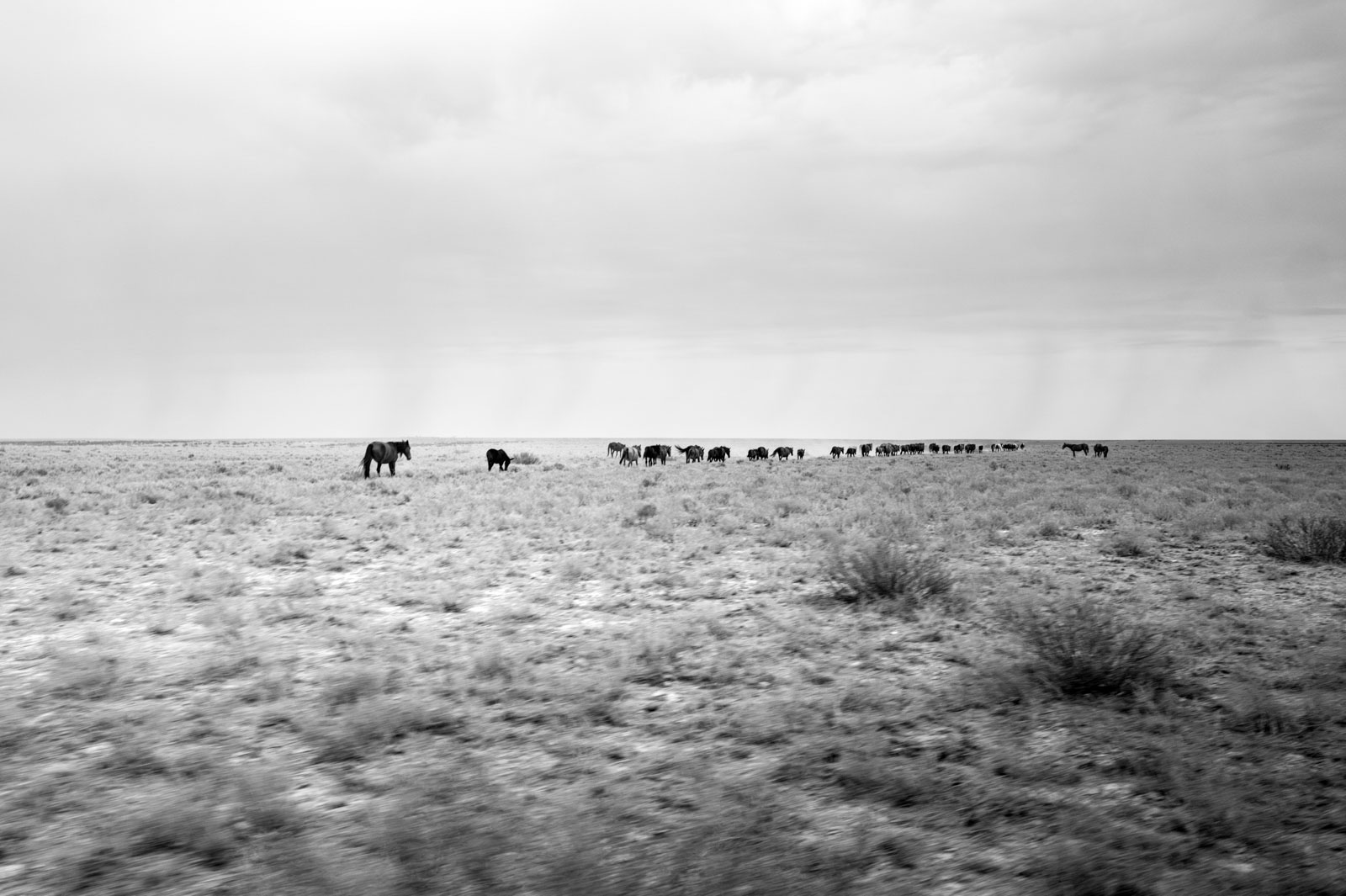
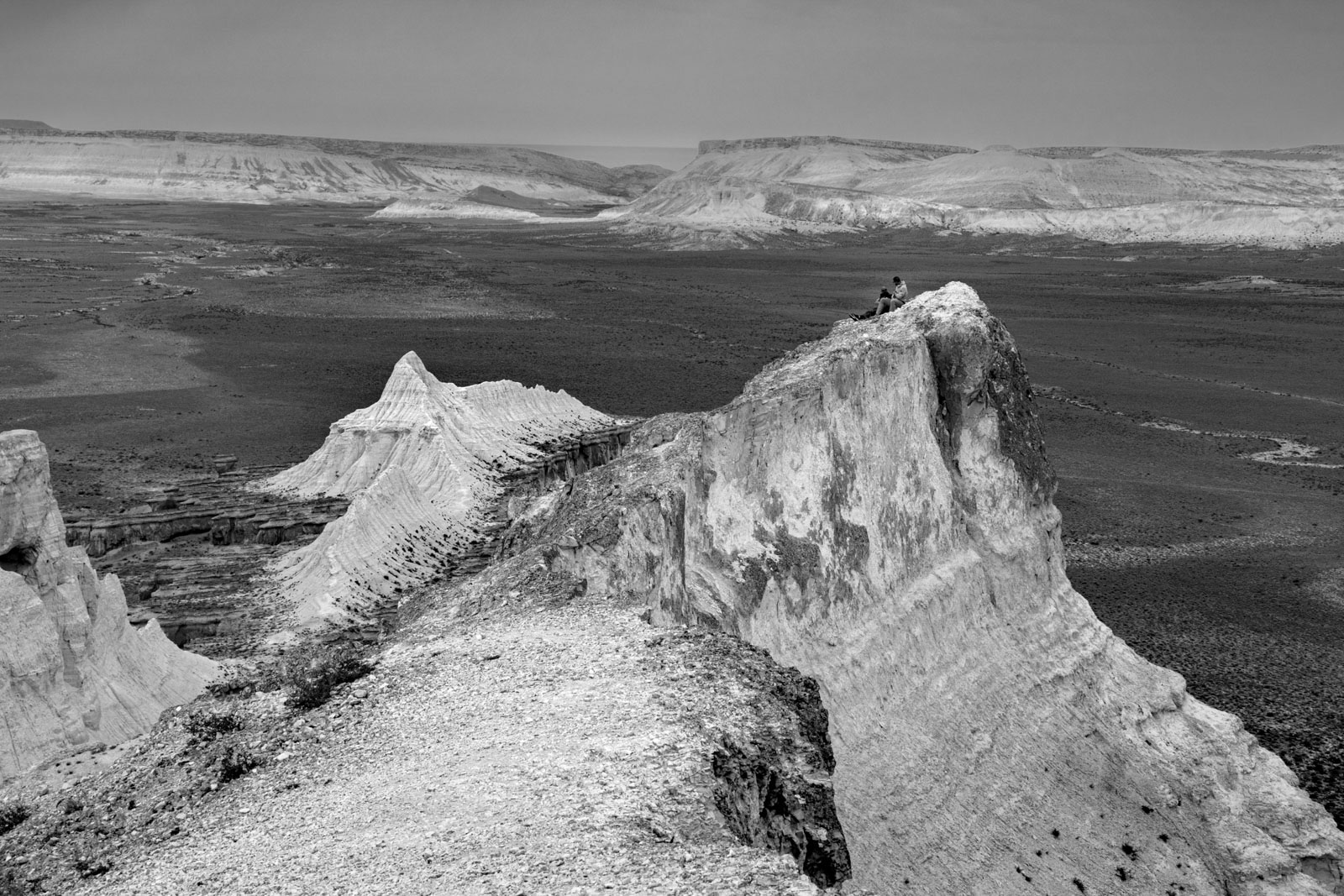
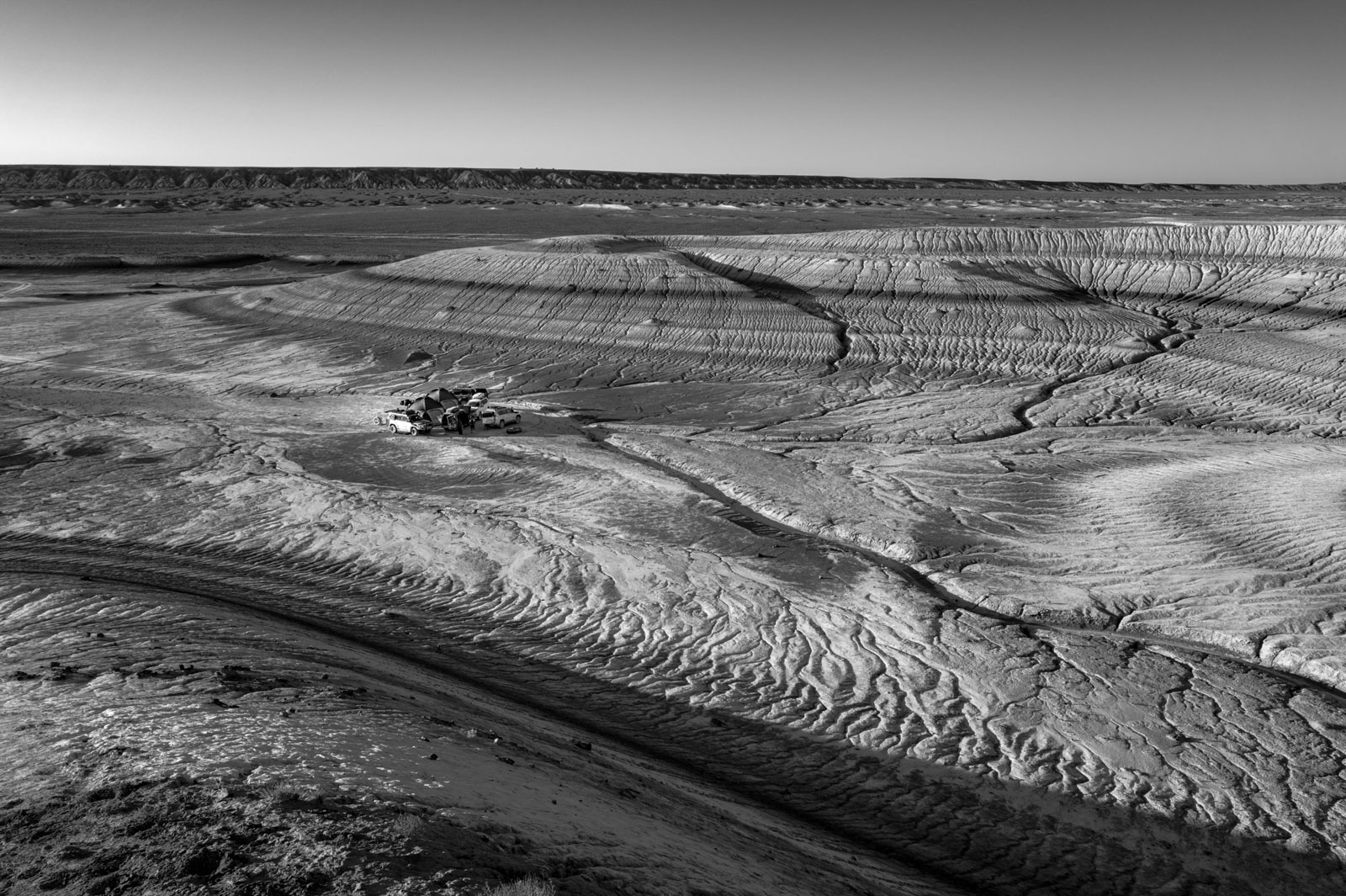
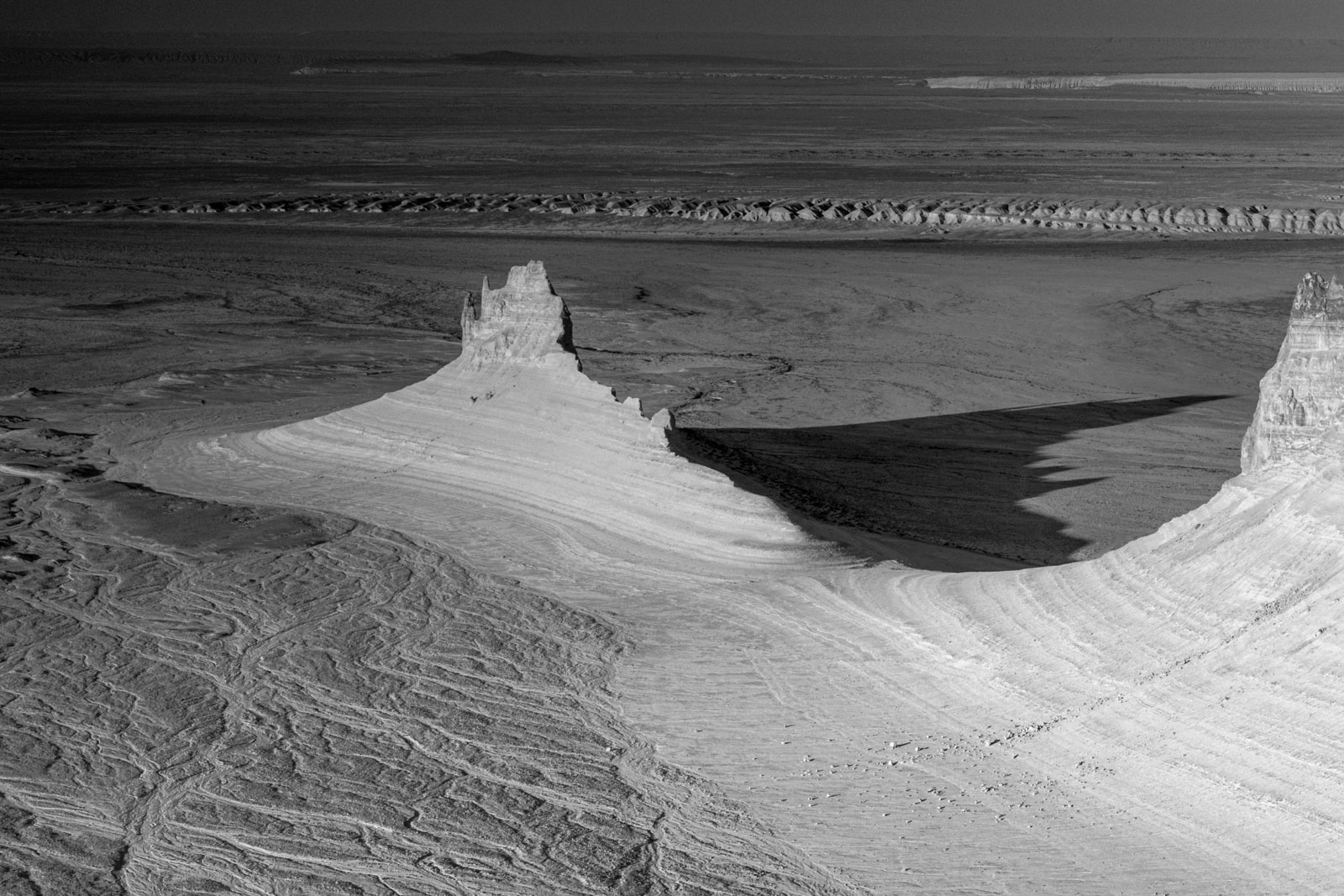
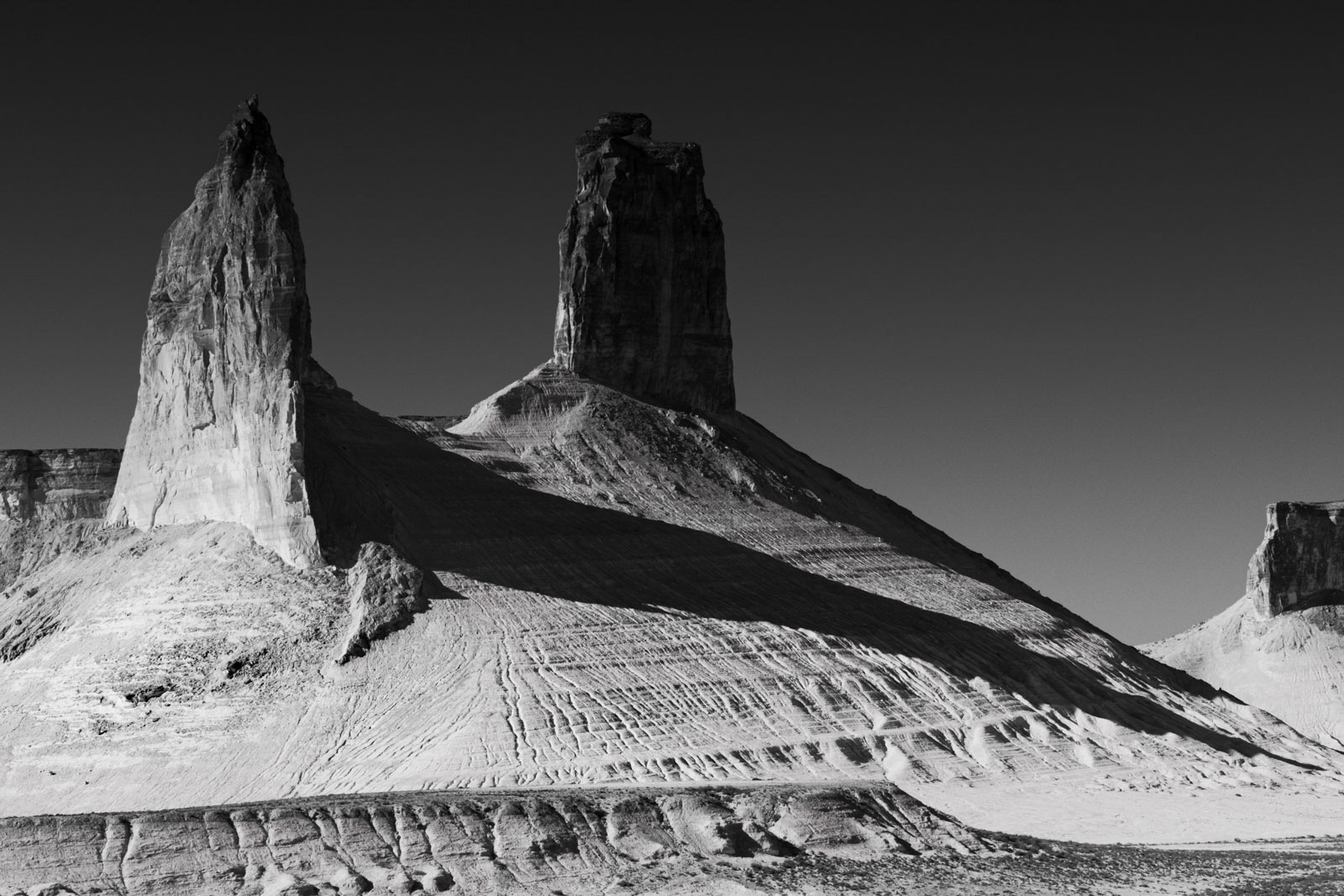
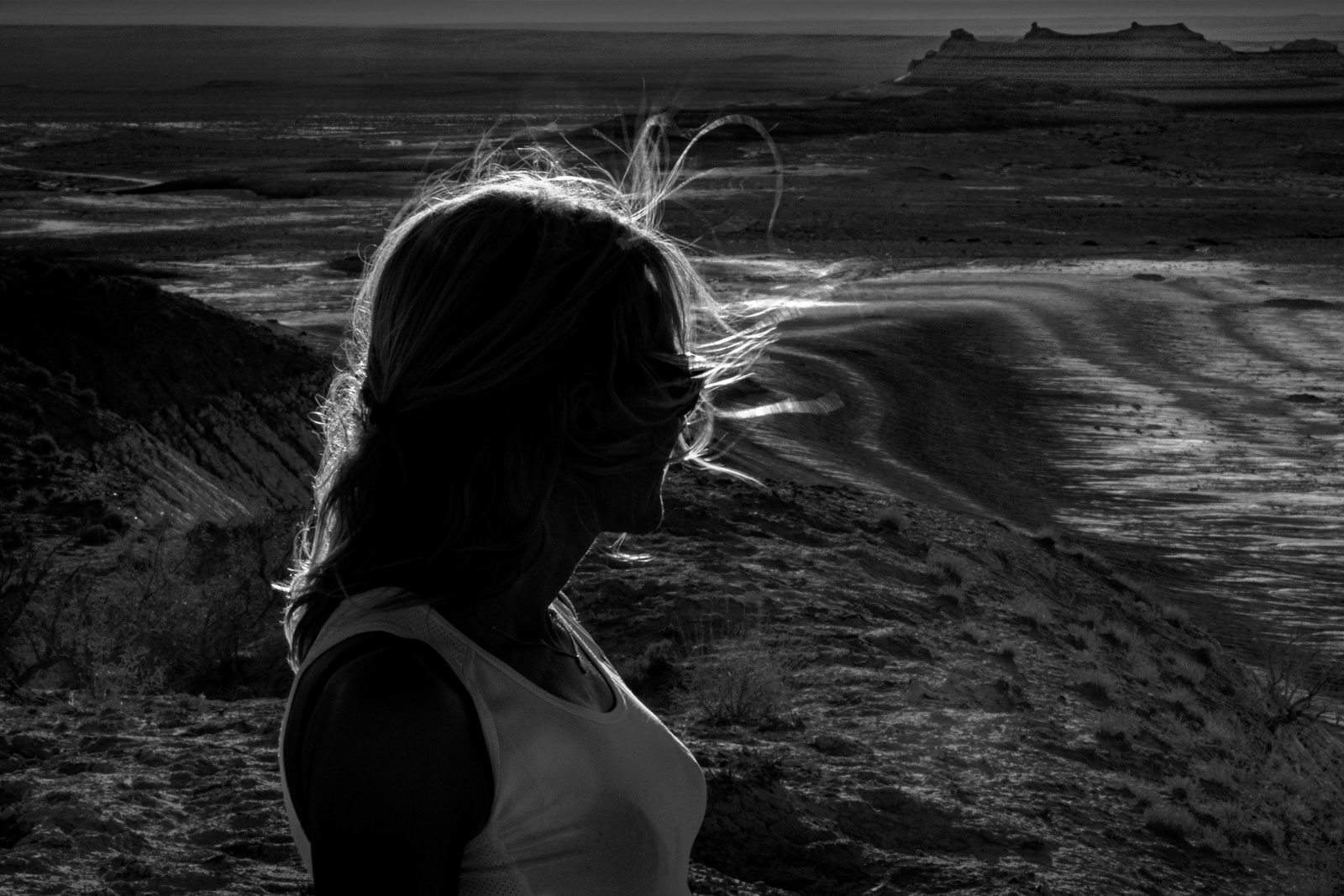
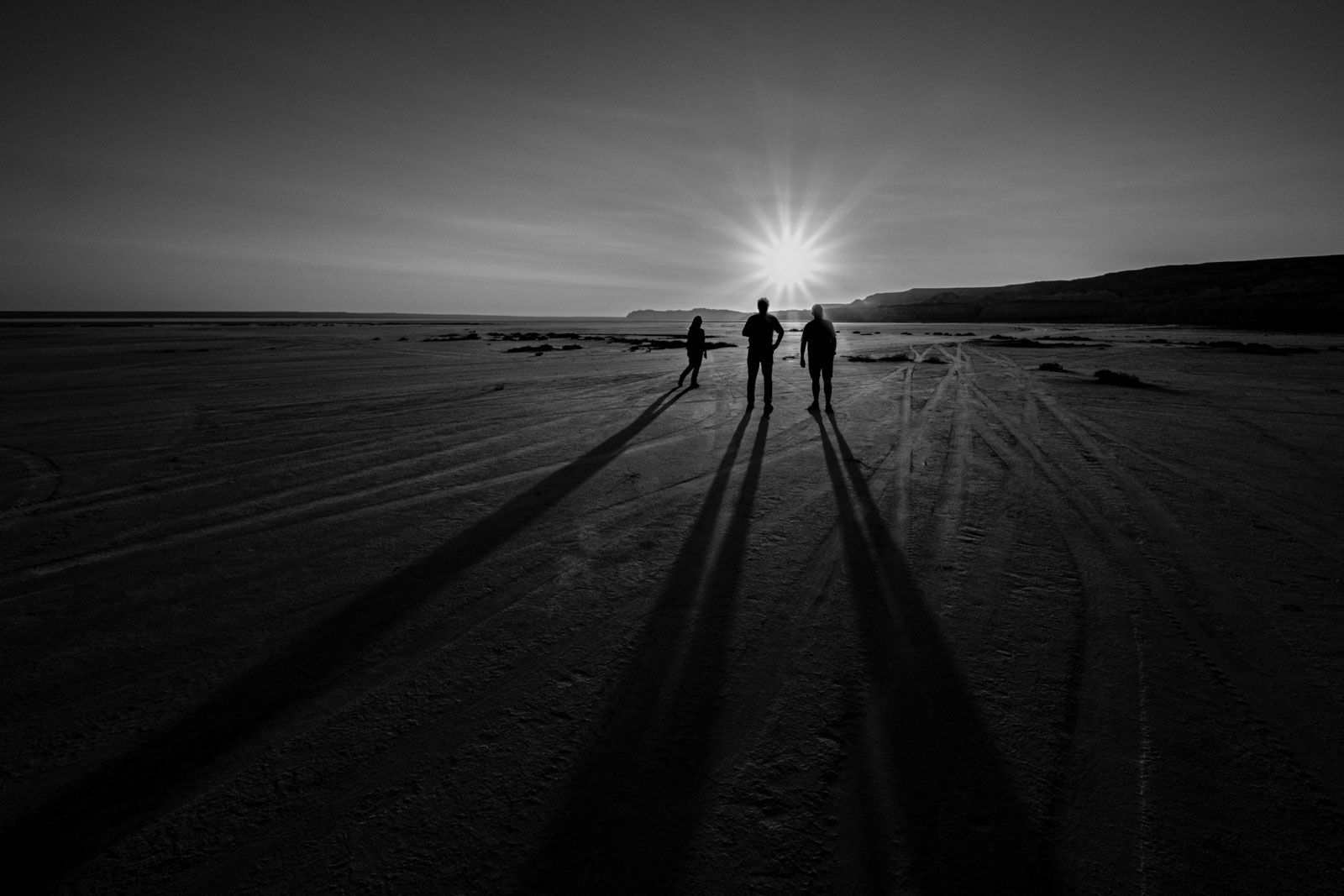
In the heart of Mangystau, where the boundary between desert and sky no longer seems so obvious, it is all too easy to find in the dirt tracks the metaphor of a path for the spirit. Inspired by Franco Battiato’s mystical, suspended and solitary atmospheres, this black and white portfolio abandons travel reporting to become a humble inner search. Boundless plains, dust raised by engines and sudden encounters with ancestral nature: herds of wild horses running free under rain-laden skies and camels guarding the plateau as silent guardians. He crosses with me the human dimension of the small border outposts. Let’s go among the white chalk cathedrals and the thousand-year-old canyons of Bozzhira, ancient ocean floors transformed into rock temples. In this lunar and monumental scenario, we are not conquerors. We are minute figures in search of contact with the history of the Earth, of refuge in isolated camps, of the relief of the precious water of a fire hydrant in the middle of nowhere. The wind moves the hair and doesn’t care about the boundaries. The gaze is lost beyond the horizon in search of a remote memory. In the eternal movement towards the light, the goal fades away and the sacredness of the journey remains. The Mangystau thus reveals itself not as a simple geographical wonder, but as the ancestral archetype of the routes of the East, where the imagination has a good game to mock certainties. Or perhaps, under the starry vault, you just risk finding your caravan again.
Strade dell’Est
Di notte ancora ti può capitare Di udire suoni di armonium sfiatati E vecchi Kazaki che da mille anni Offrono il petto a novene…
Nel cuore del Mangystau, dove il confine fra deserto e cielo non ti sembra più tanto scontato, è fin troppo facile trovare nelle piste di terra la metafora di un percorso per lo spirito. Ispirato alle atmosfere mistiche, sospese e solitarie di Franco Battiato, questo portfolio in bianco e nero abbandona la cronaca di viaggio per farsi umile ricerca interiore. Pianure sconfinate, polvere sollevata dai motori e improvvisi incontri con una natura ancestrale: mandrie di cavalli selvaggi che corrono libere sotto cieli carichi di pioggia e cammelli che sorvegliano l’altopiano come guardiani silenziosi. Attraversa con me la dimensione umana dei piccoli avamposti di frontiera. Addentriamoci fra le cattedrali di gesso bianco ed i canyon millenari di Bozzhira, antichi fondali oceanici trasformati in templi di roccia. In questo scenario lunare e monumentale, non siamo conquistatori. Siamo figure minute in cerca di un contatto con la storia della Terra, di rifugio in accampamenti isolati, del sollievo della preziosa acqua di un idrante nel nulla. Il vento muove i capelli e se ne infischia dei confini. Lo sguardo si perde oltre l’orizzonte alla ricerca di una memoria remota. Nell’eterno movimento incontro alla luce, la meta sfuma e rimane la sacralità del cammino. Il Mangystau si rivela così non come una semplice meraviglia geografica, ma come l’archetipo ancestrale delle rotte d’Oriente, dove la fantasia ha buon gioco a farsi beffe delle certezze. O forse, sotto la volta stellata, rischi solo di ritrovare la tua carovana.