Rosario Lo Presti – Revolution at the window
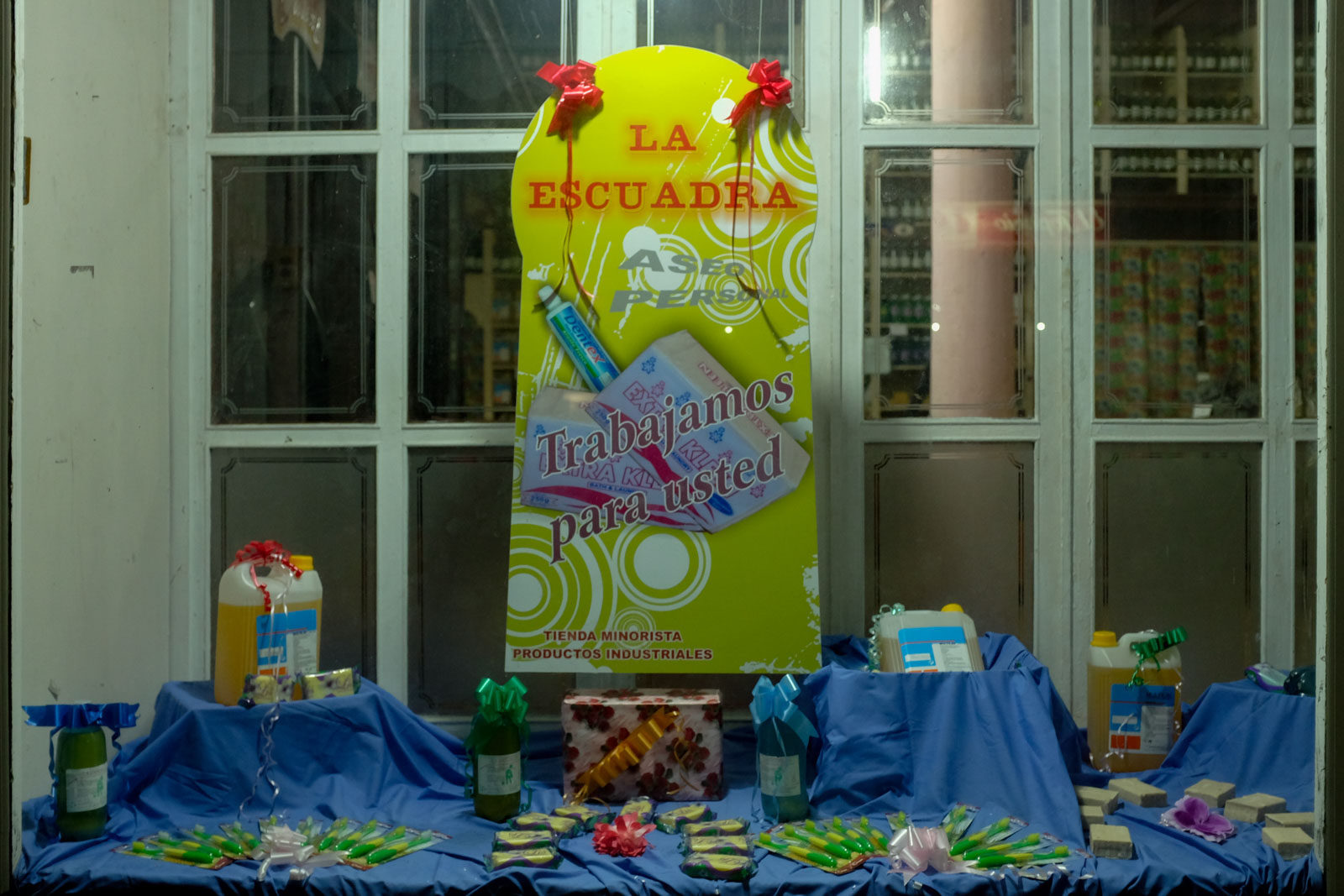
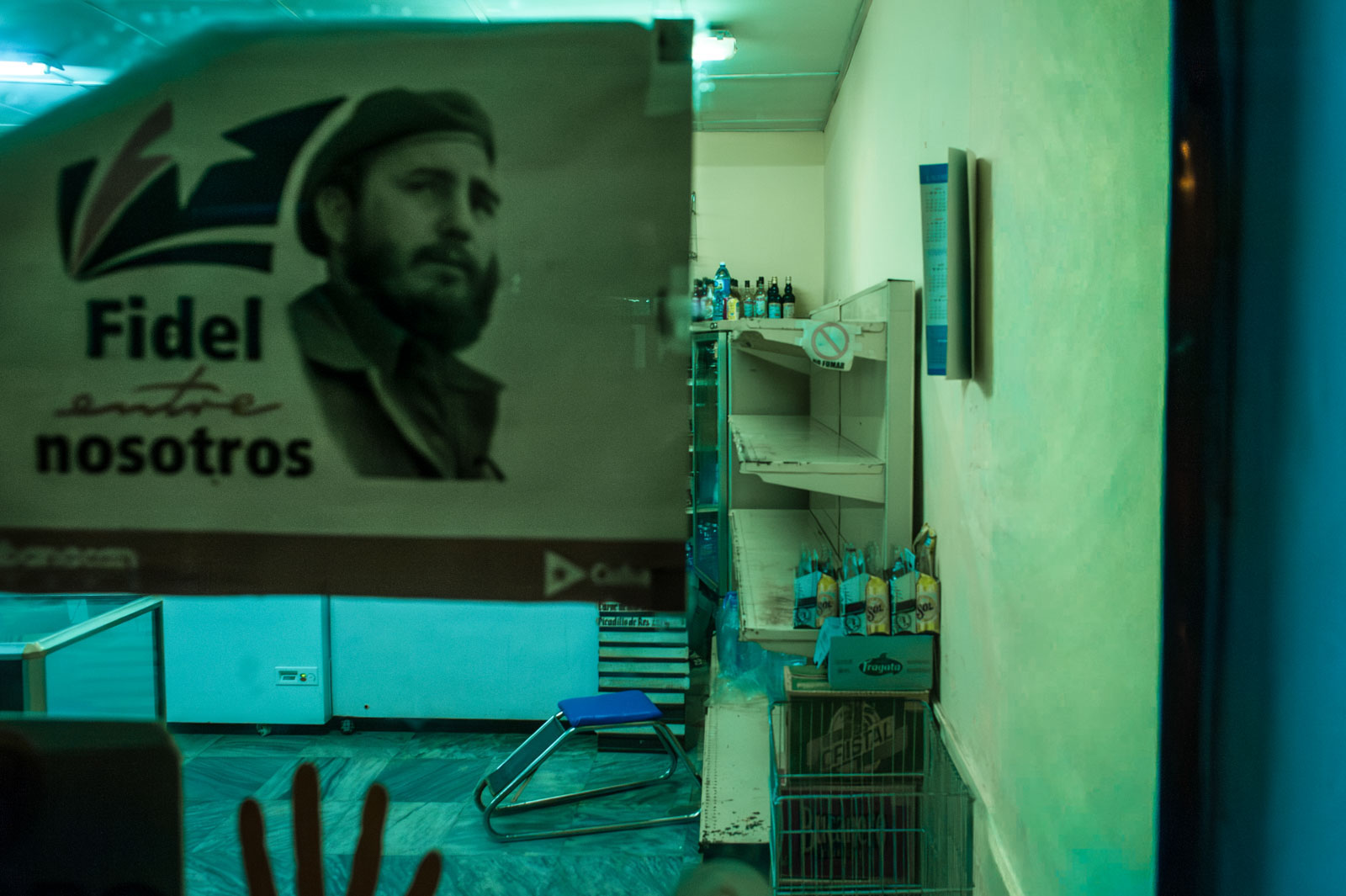
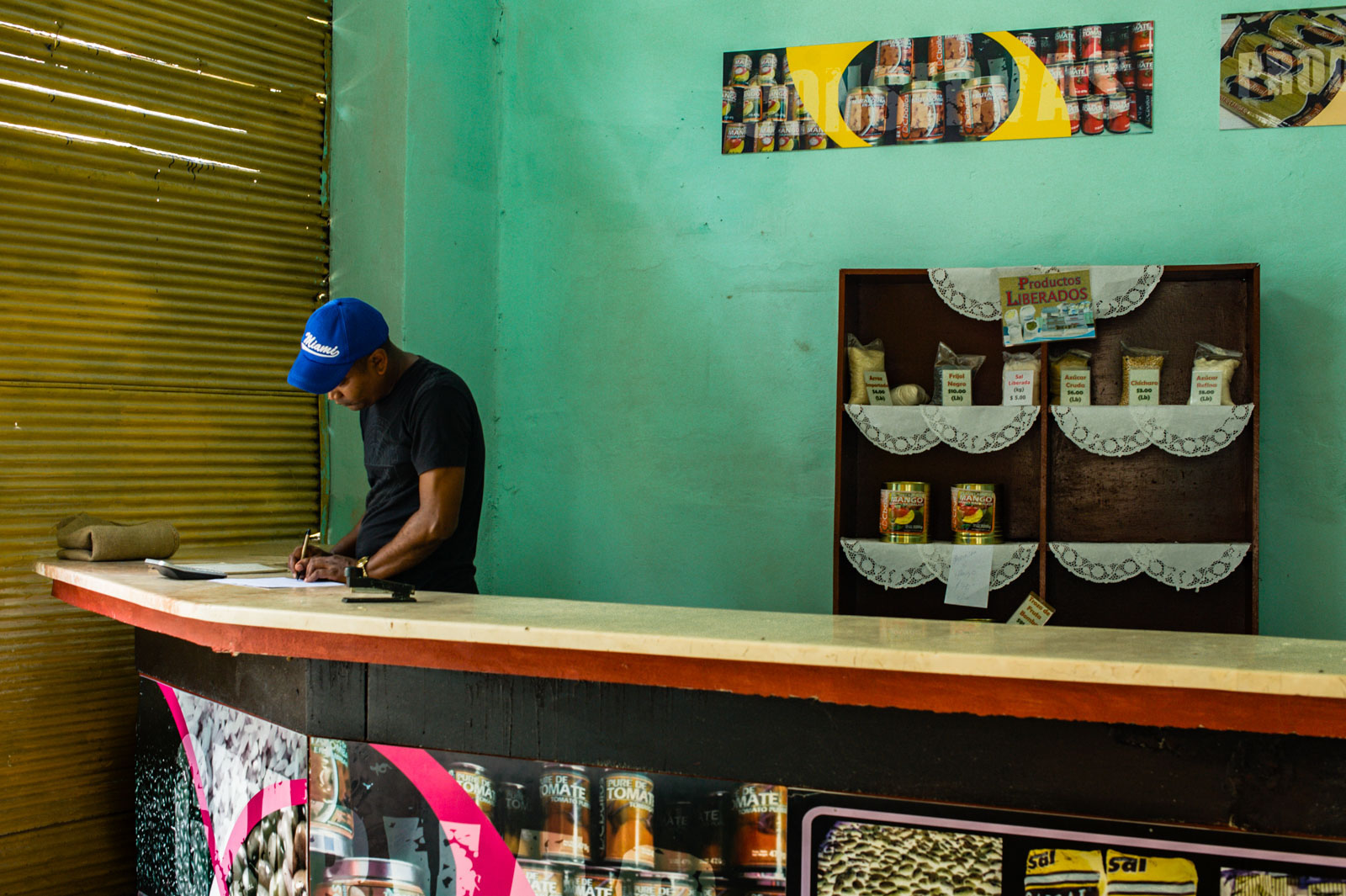
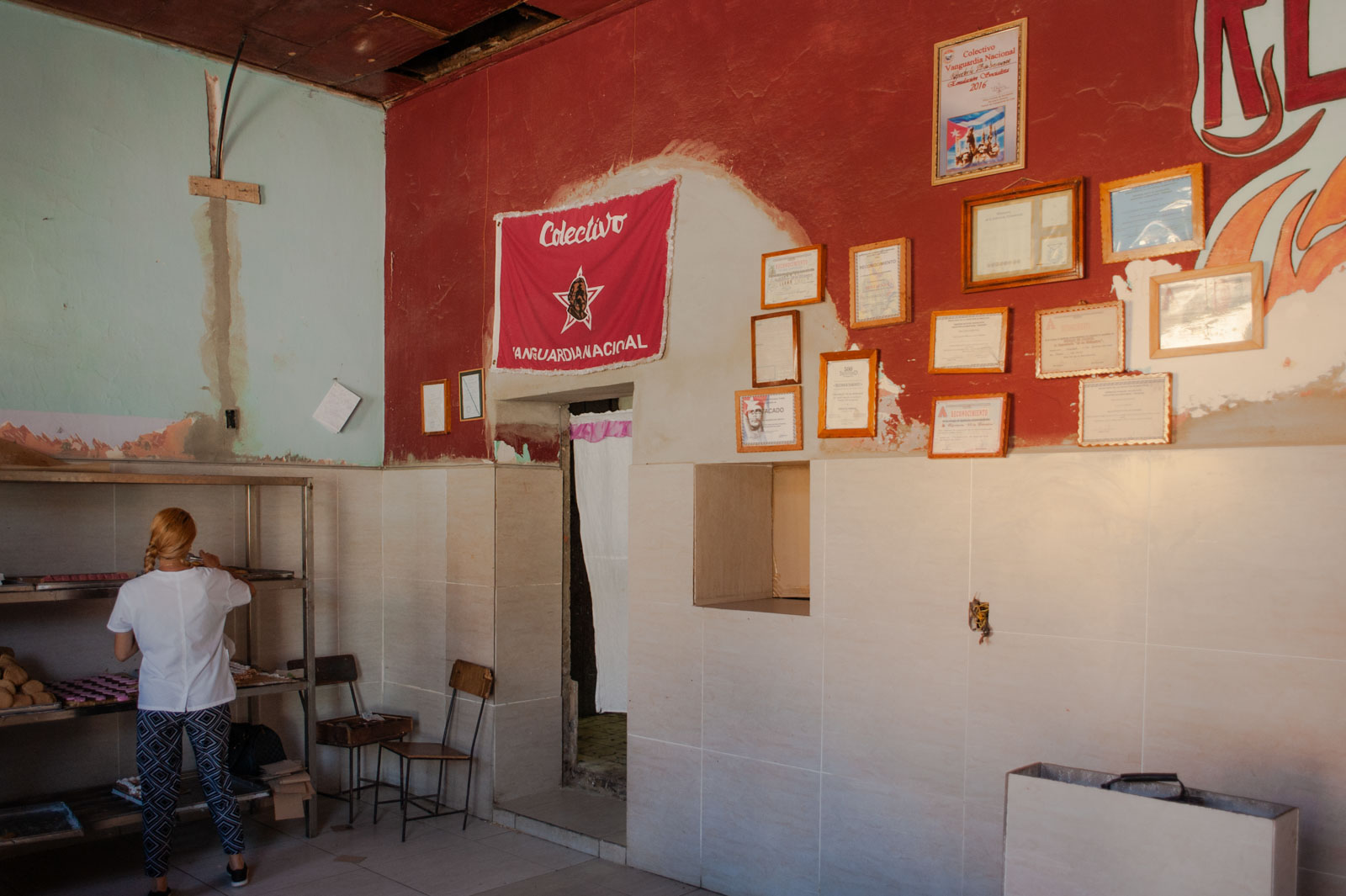
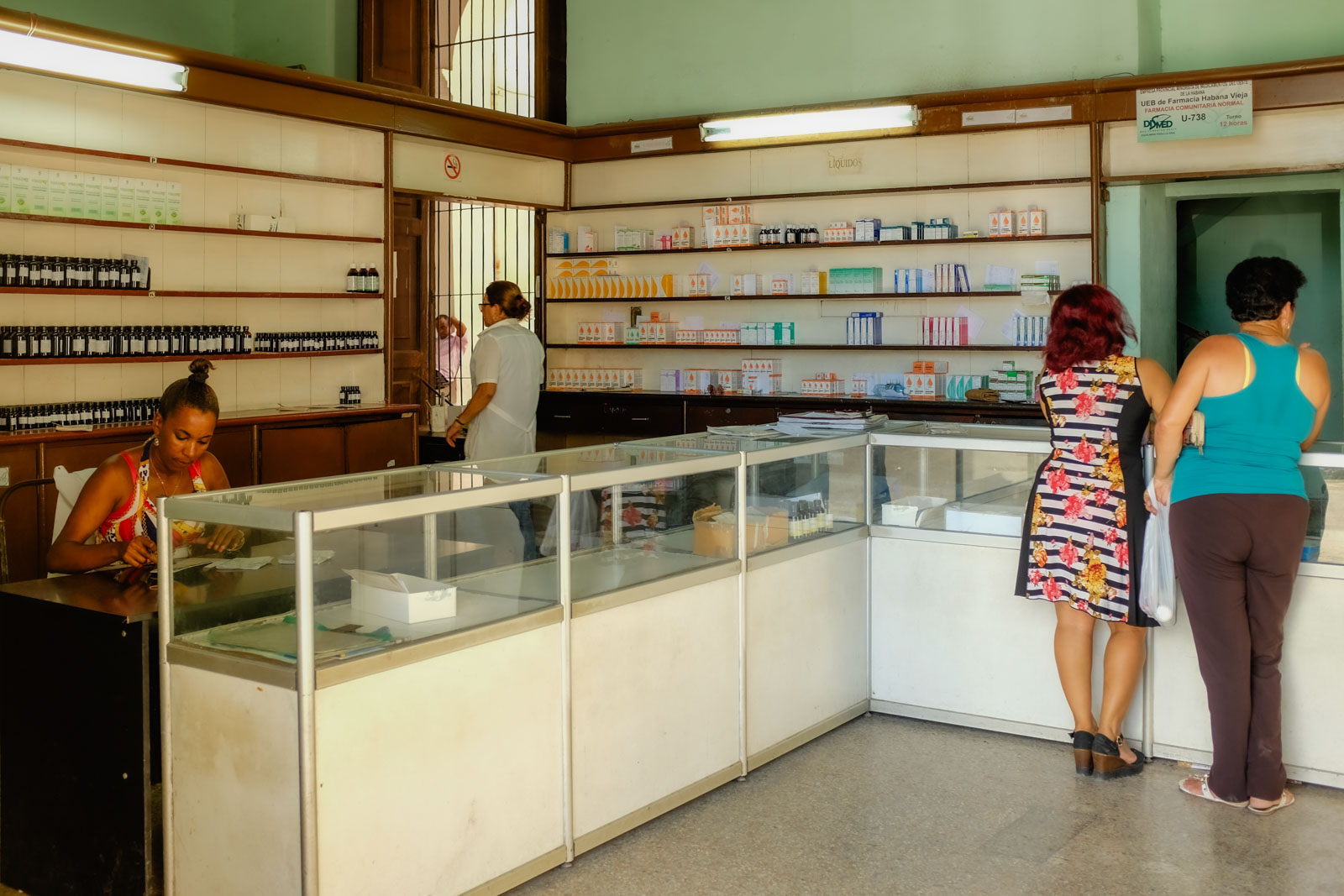
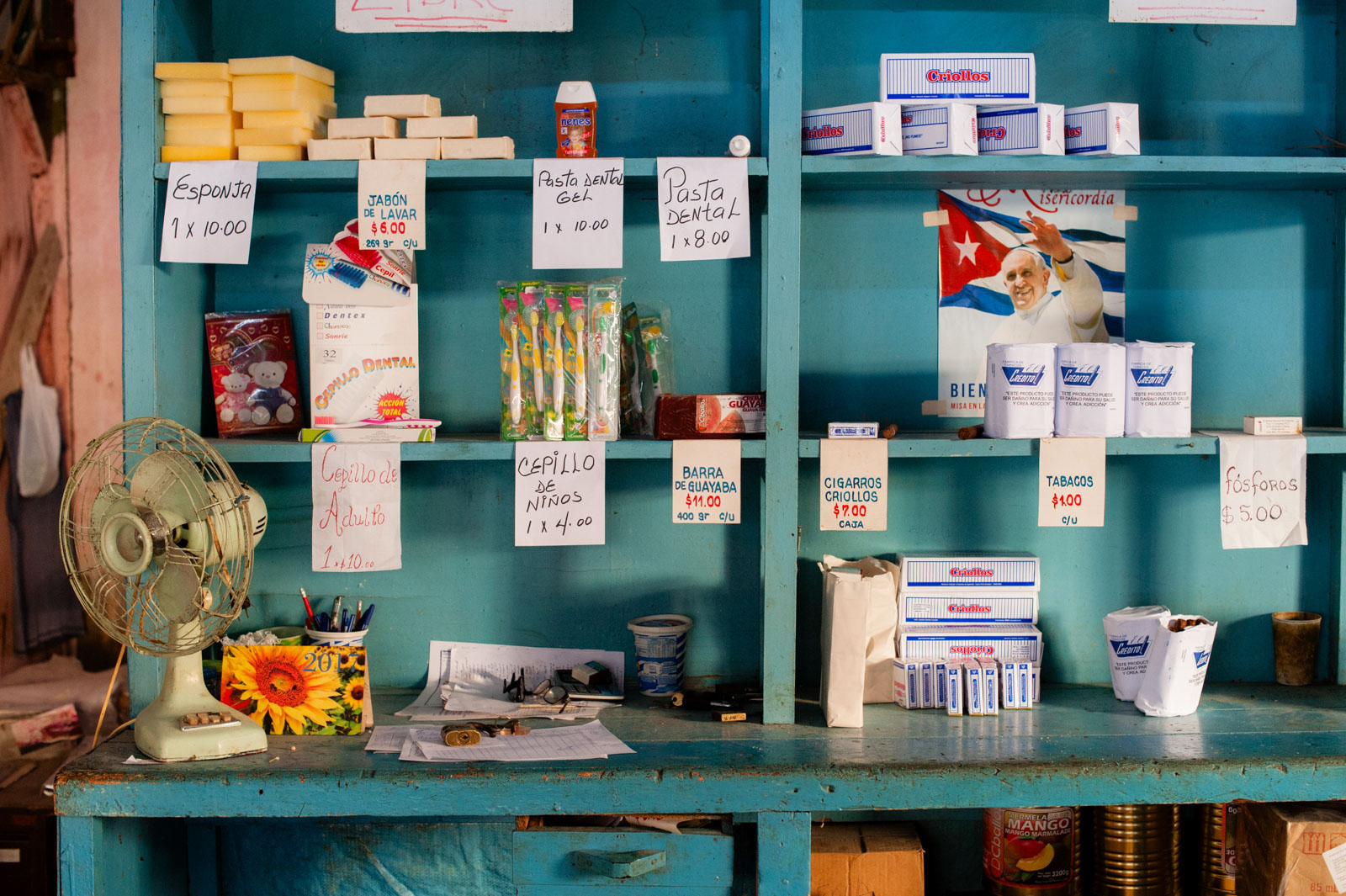
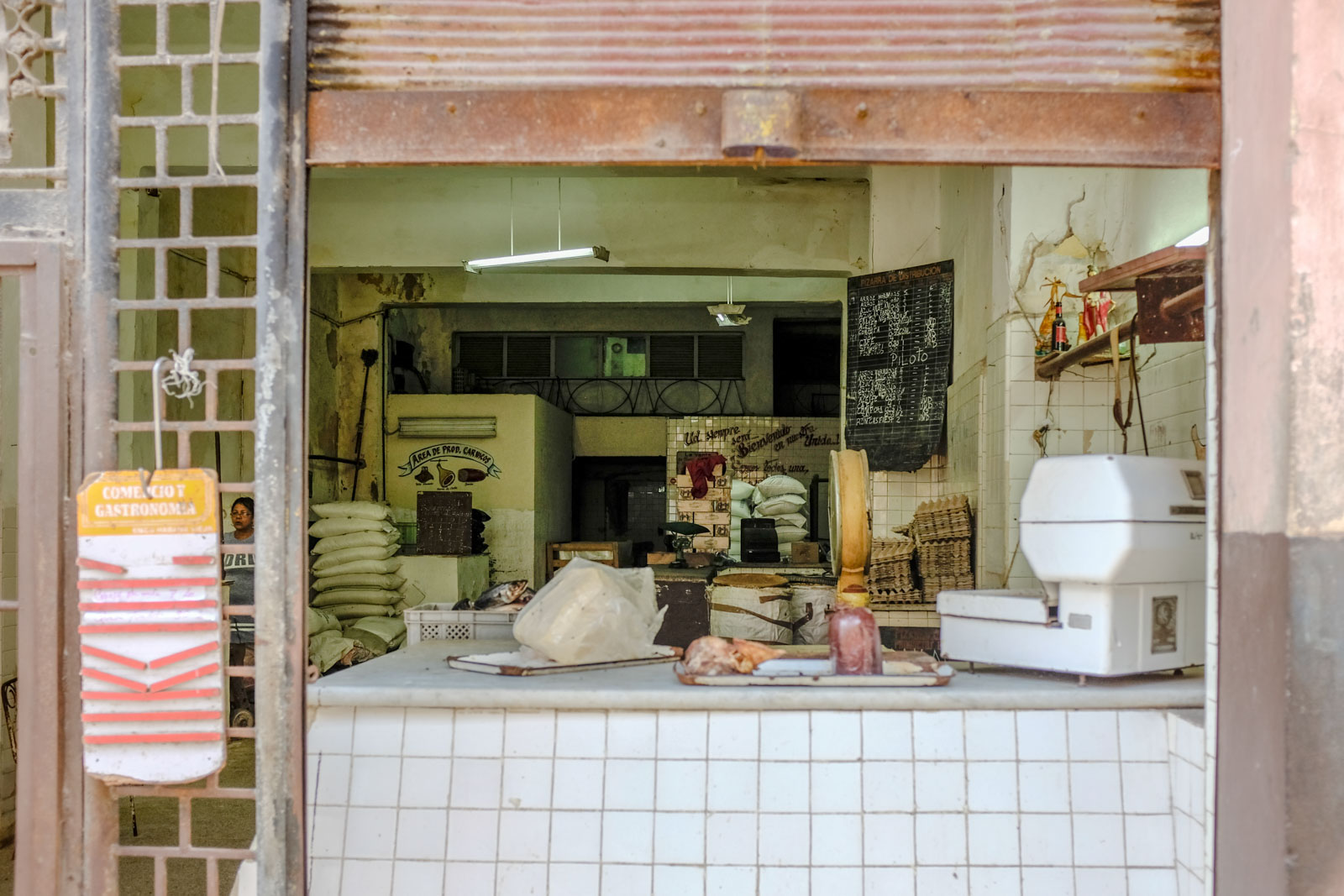
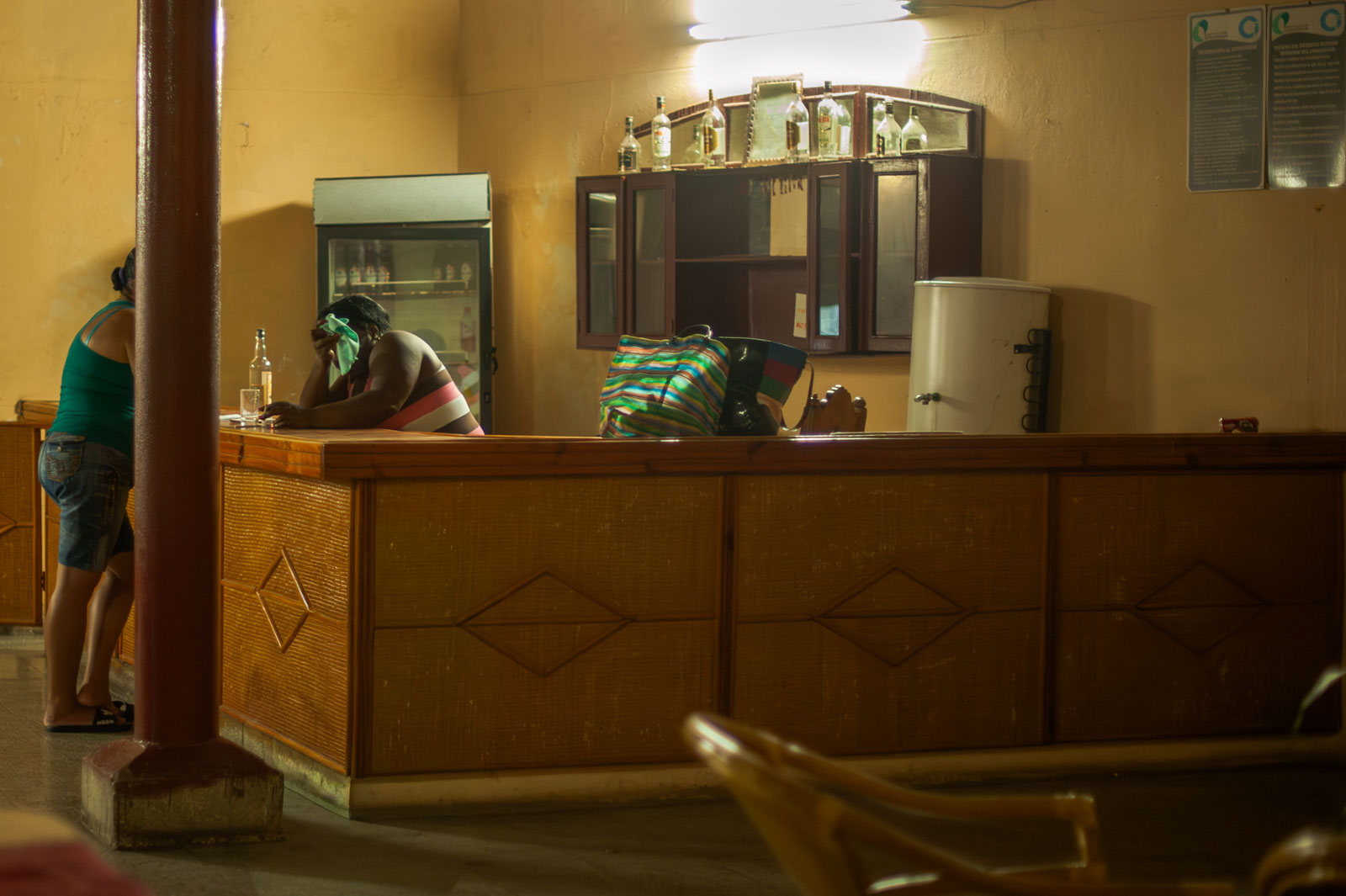
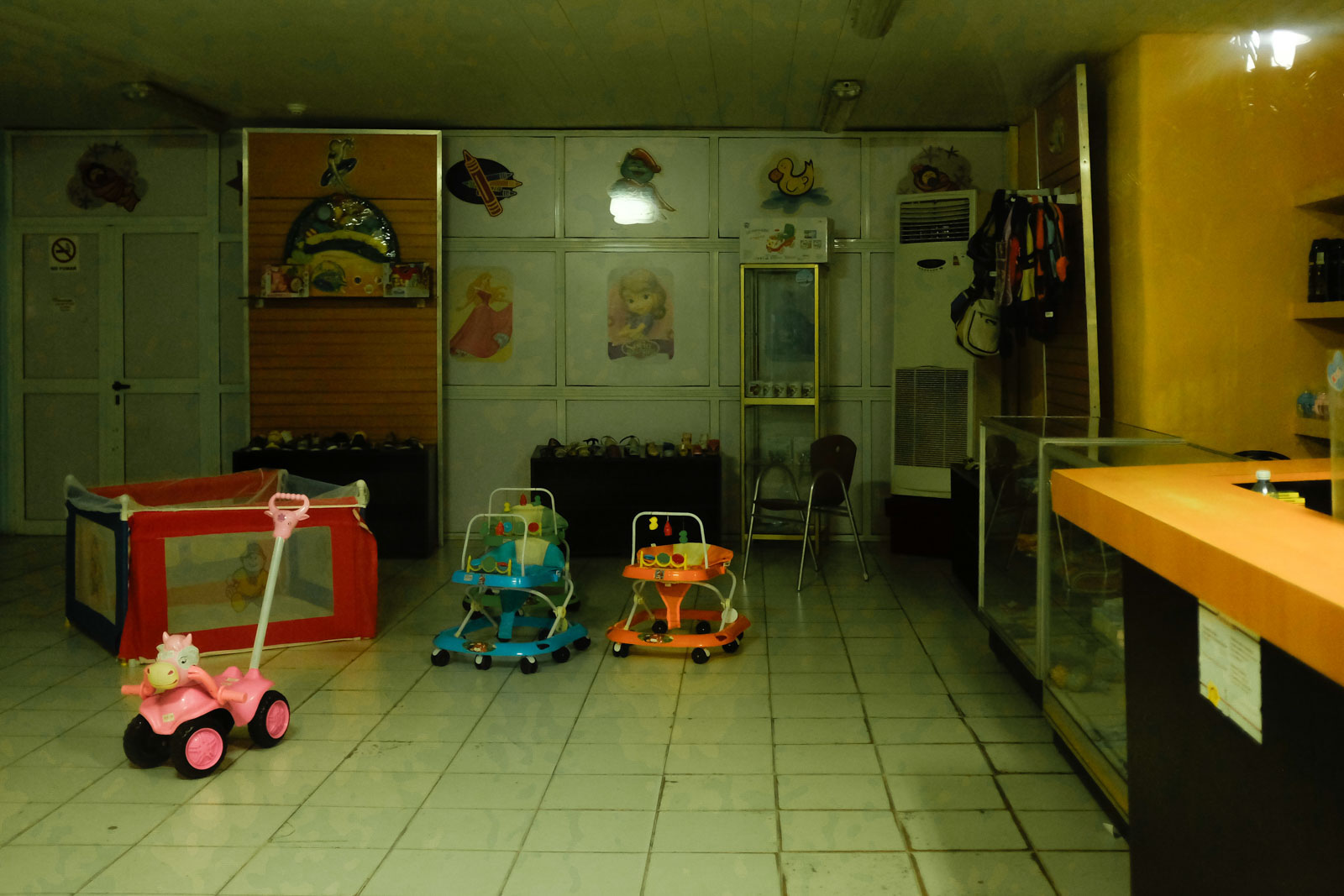
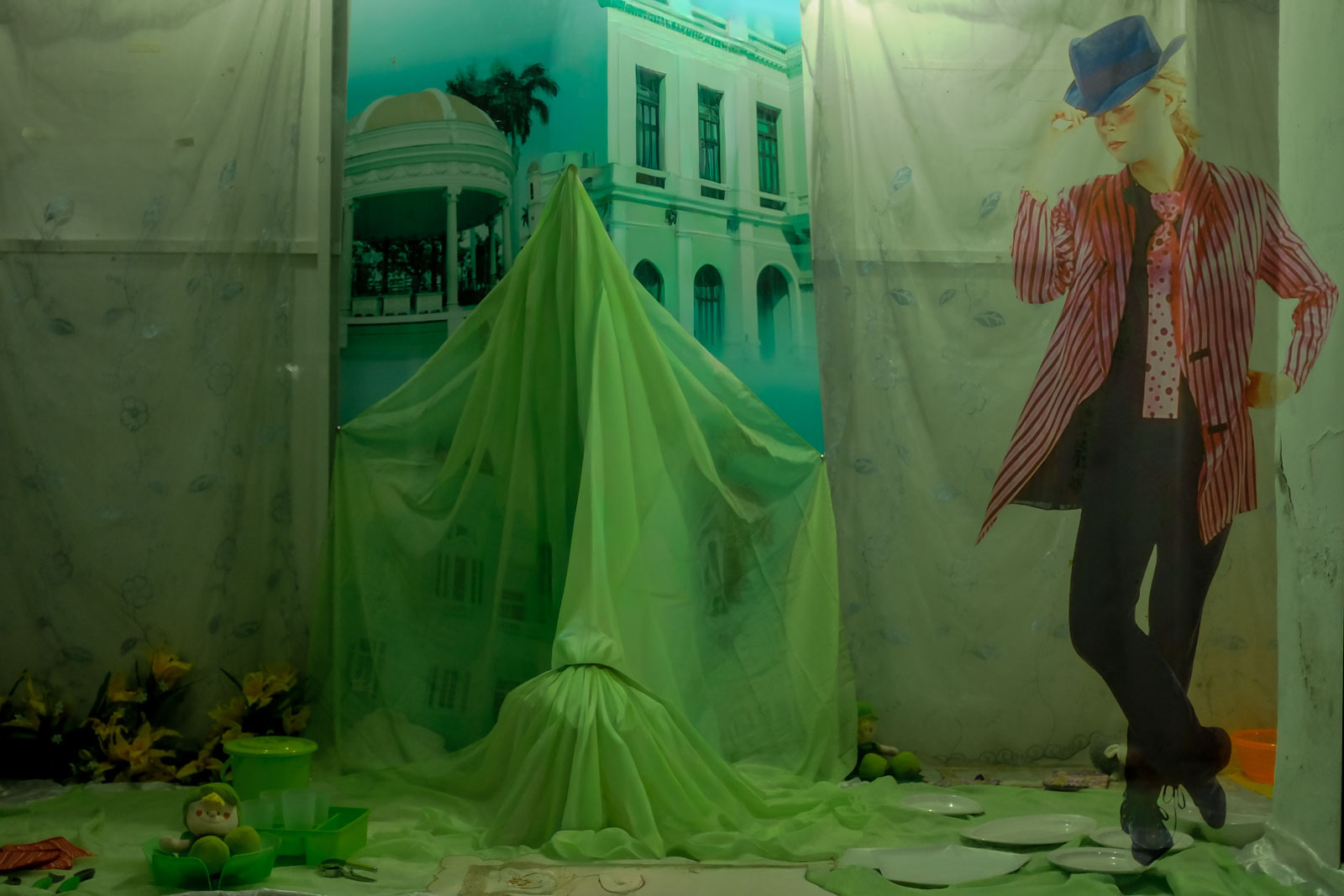
After my trip to Cuba in 2018, the thing that stuck in my mind the most were not the most awaited images of the island, but the shops. I found them as suspended places: almost empty shelves, tidy counters, a few objects displayed with care, melancholic windows crossed by reflections, green, blue, yellowish lights. Poor and at the same time solemn spaces, where the lack of goods does not erase the presence of people.
In these photographs I tried to follow that tension: absence and dignity. The shop assistants, the customers, the figures standing behind the counters or in front of the windows never seem to have appeared. They inhabit those places with a silent, almost ritualistic composure. Around them, a few products, signs, portraits, political symbols, religious images, mannequins, televisions on and worn signs make up a small daily theater. Each shop becomes a room of memory, a fragment of a country that continues to show itself through what is missing.
The fragility that emerges is not only economic. It is also the fragility of a revolution promised, celebrated, repeated in signs, but perhaps never fully accomplished in people’s concrete lives. The shop windows speak of waiting, resistance, adaptation. They do not denounce explicitly; suggest. They do not shout; they hold back. This is why I photographed them as inner places, rather than as simple shops: thresholds between ideology and everyday life, between desire and scarcity, between pride and melancholy.
This reportage is my way of remembering Cuba: not through exoticism, but through the fragile size of its commercial rooms, where even emptiness becomes a story.
La rivoluzione in vetrina
Dopo il mio viaggio a Cuba nel 2018, la cosa che più mi è rimasta in mente non sono state le immagini più attese dell’isola, ma i negozi. Li ho ritrovati come luoghi sospesi: scaffali quasi vuoti, banchi ordinati, pochi oggetti esposti con cura, vetrine malinconiche attraversate da riflessi, luci verdi, azzurre, giallastre. Spazi poveri e insieme solenni, dove la mancanza di merce non cancella la presenza delle persone.
In queste fotografie ho cercato di seguire quella tensione: l’assenza e la dignità. I commessi, i clienti, le figure ferme dietro i banconi o davanti alle vetrine non sembrano mai comparse. Abitano quei luoghi con una compostezza silenziosa, quasi rituale. Intorno a loro, pochi prodotti, cartelli, ritratti, simboli politici, immagini religiose, manichini, televisori accesi e insegne consumate compongono un piccolo teatro quotidiano. Ogni negozio diventa una stanza della memoria, un frammento di un Paese che continua a mostrarsi attraverso ciò che manca.
La fragilità che emerge non è solo economica. È anche la fragilità di una rivoluzione promessa, celebrata, ripetuta nei segni, ma forse mai pienamente compiuta nella vita concreta delle persone. Le vetrine parlano di attesa, di resistenza, di adattamento. Non denunciano in modo esplicito; suggeriscono. Non gridano; trattengono. Per questo le ho fotografate come luoghi interiori, più che come semplici negozi: soglie tra ideologia e quotidiano, tra desiderio e scarsità, tra orgoglio e malinconia.
Questo reportage è il mio modo di ricordare Cuba: non attraverso l’esotismo, ma attraverso la misura fragile delle sue stanze commerciali, dove anche il vuoto diventa racconto.