Ivanka Iantcheva – The Rise terraces
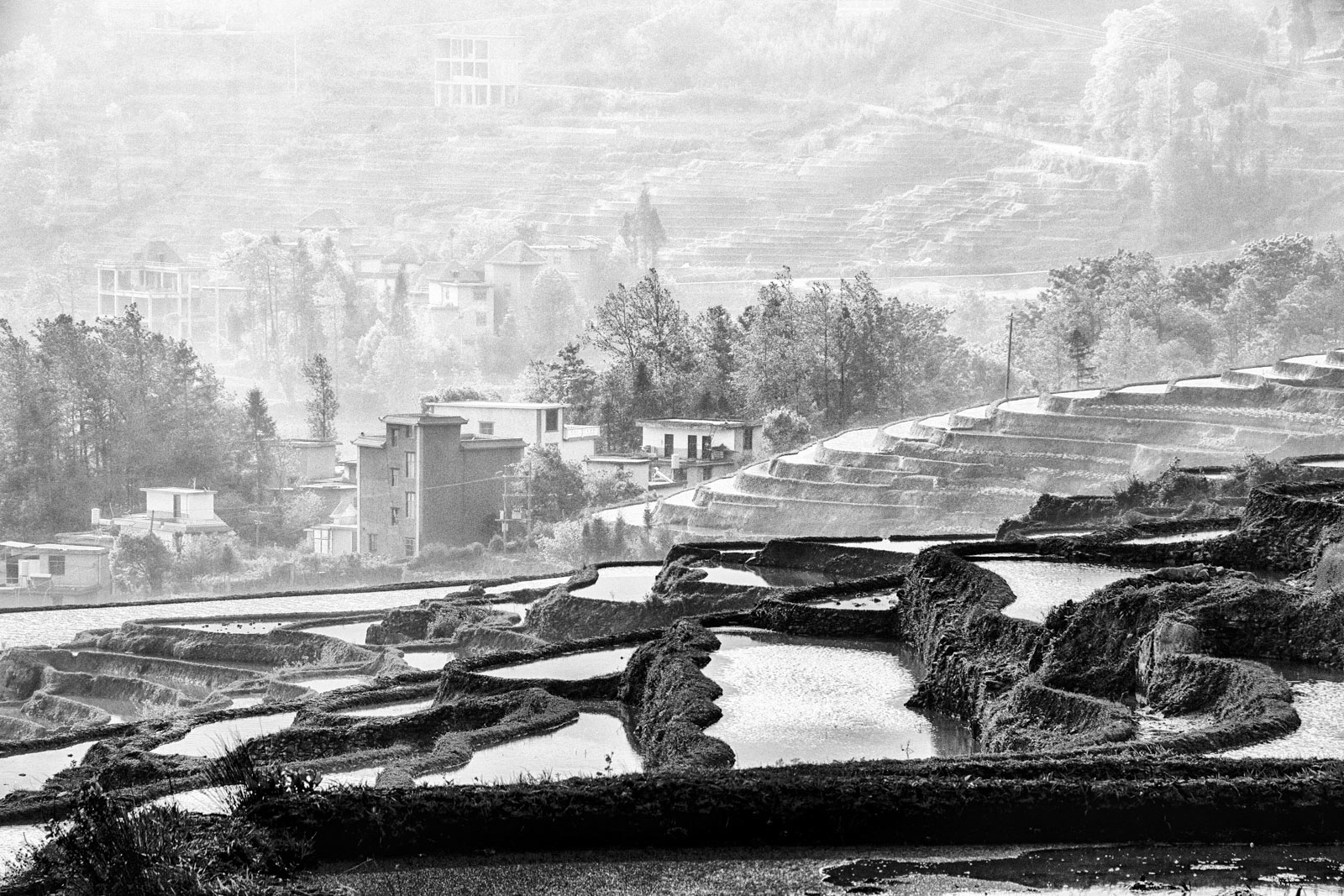
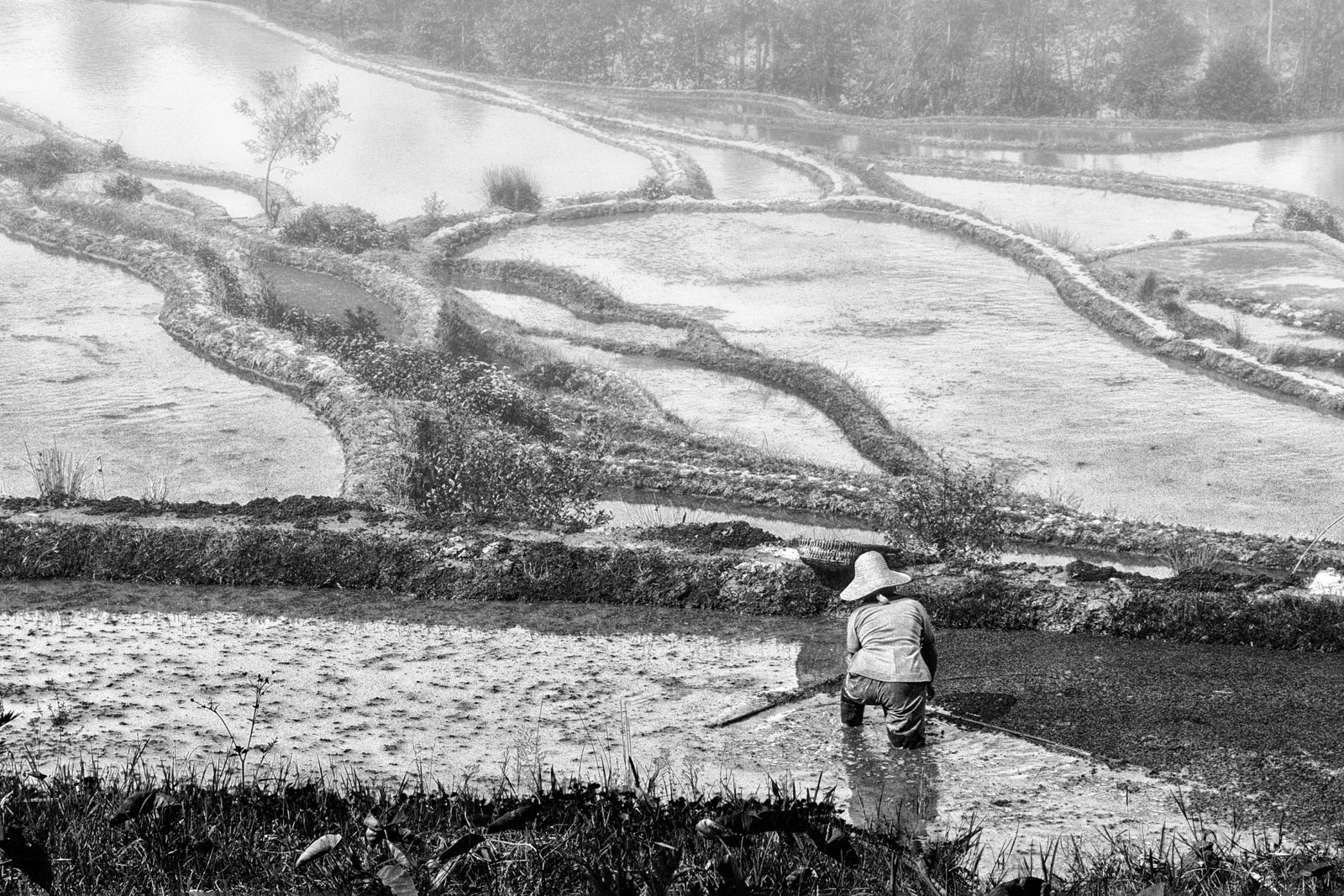
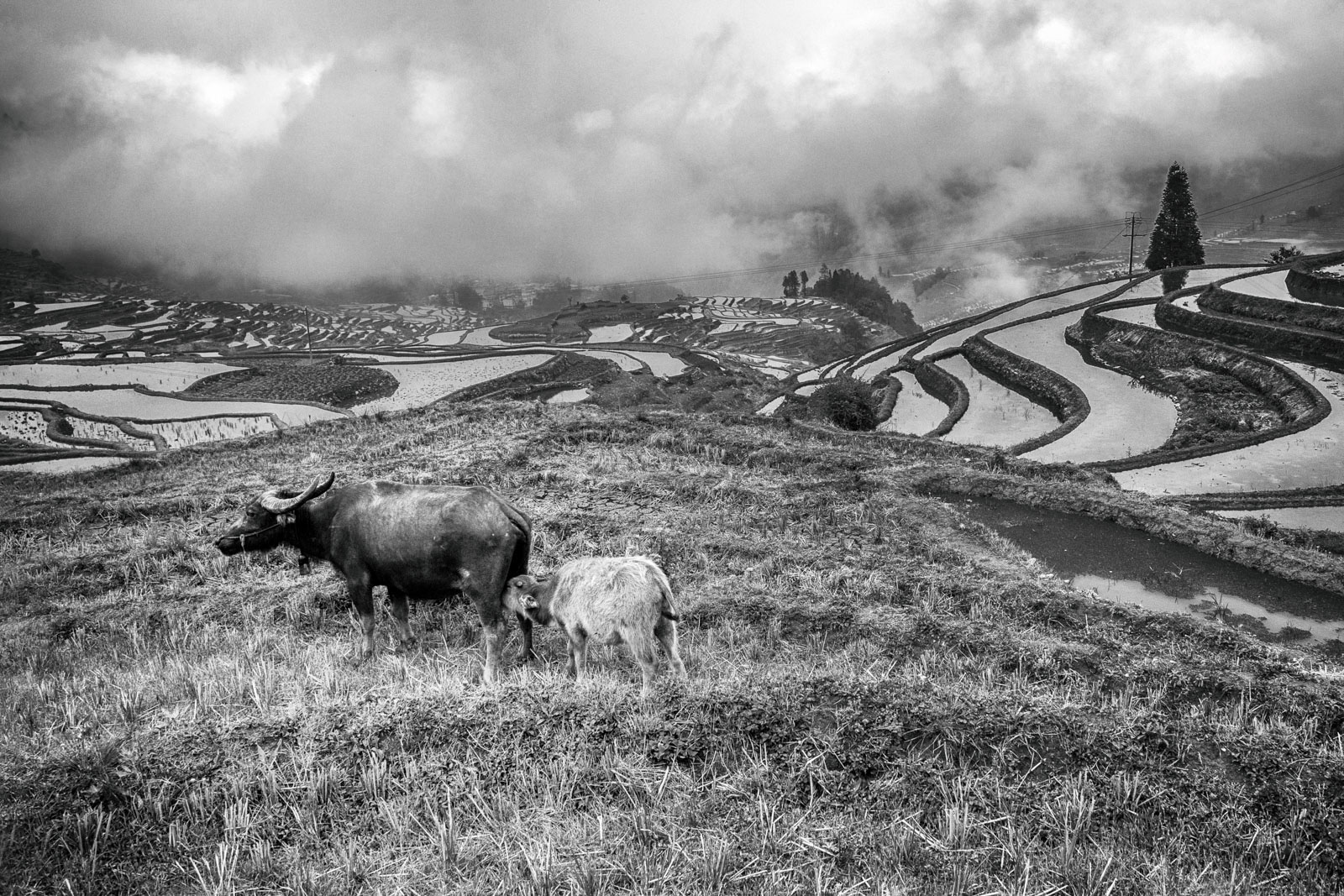
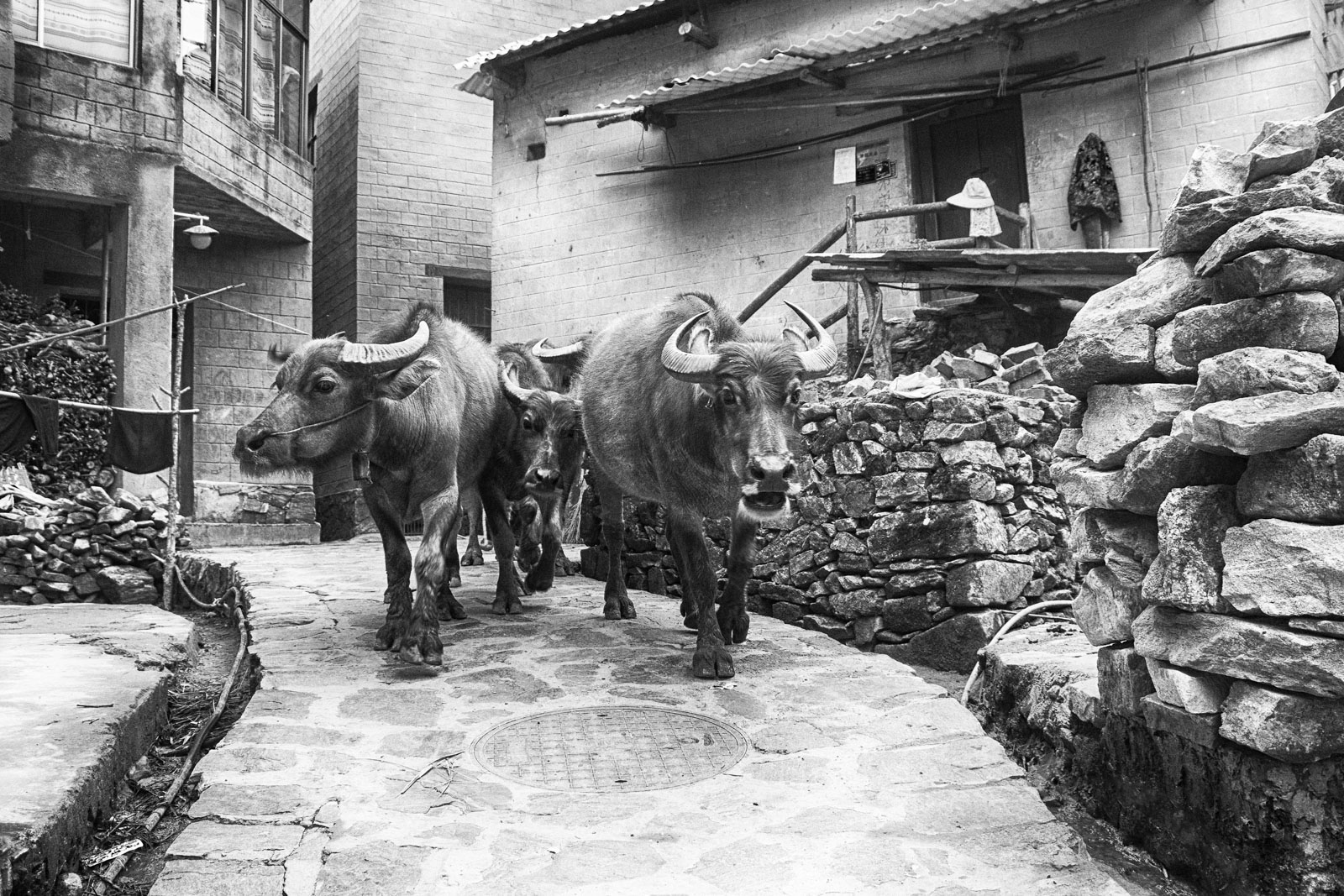
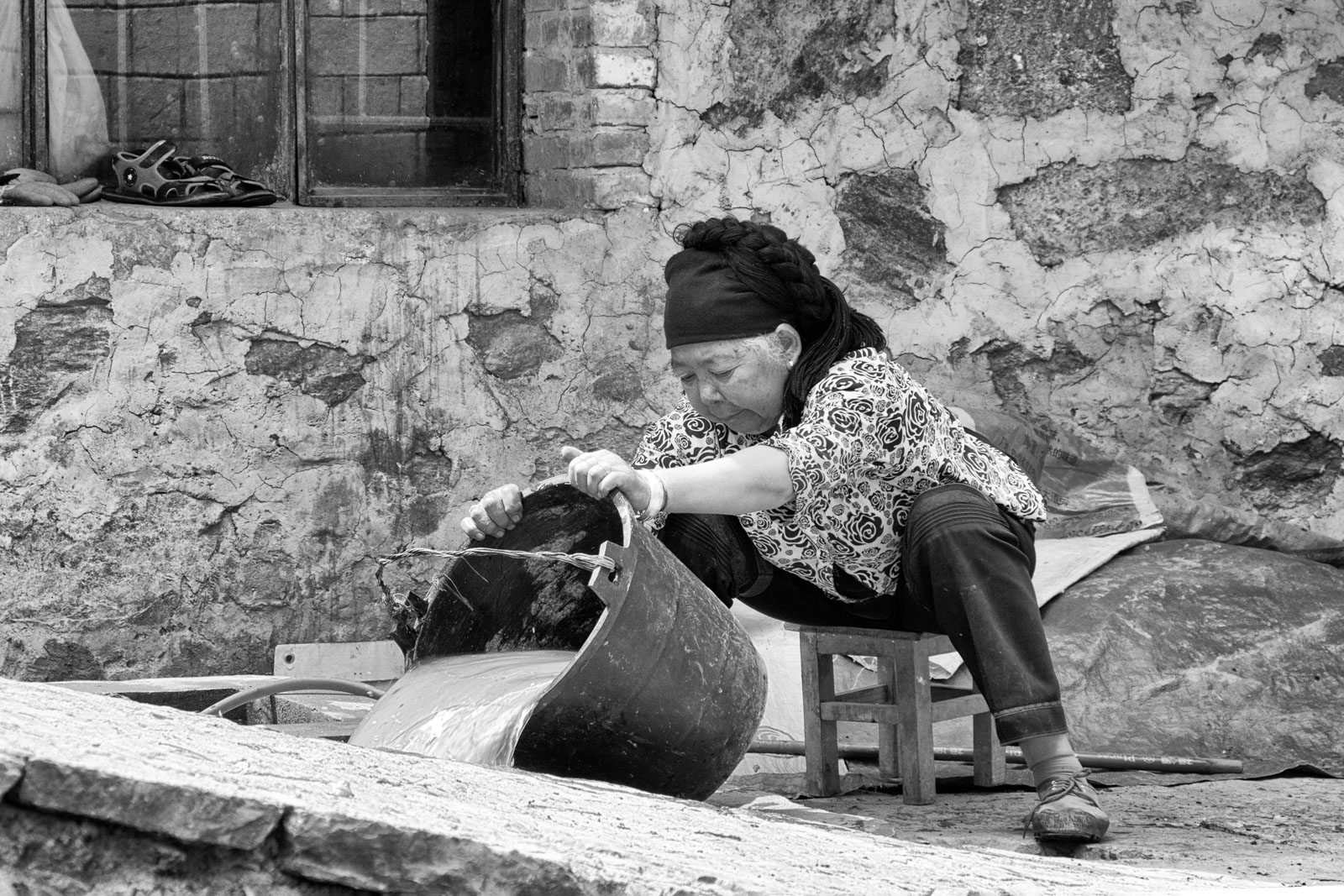
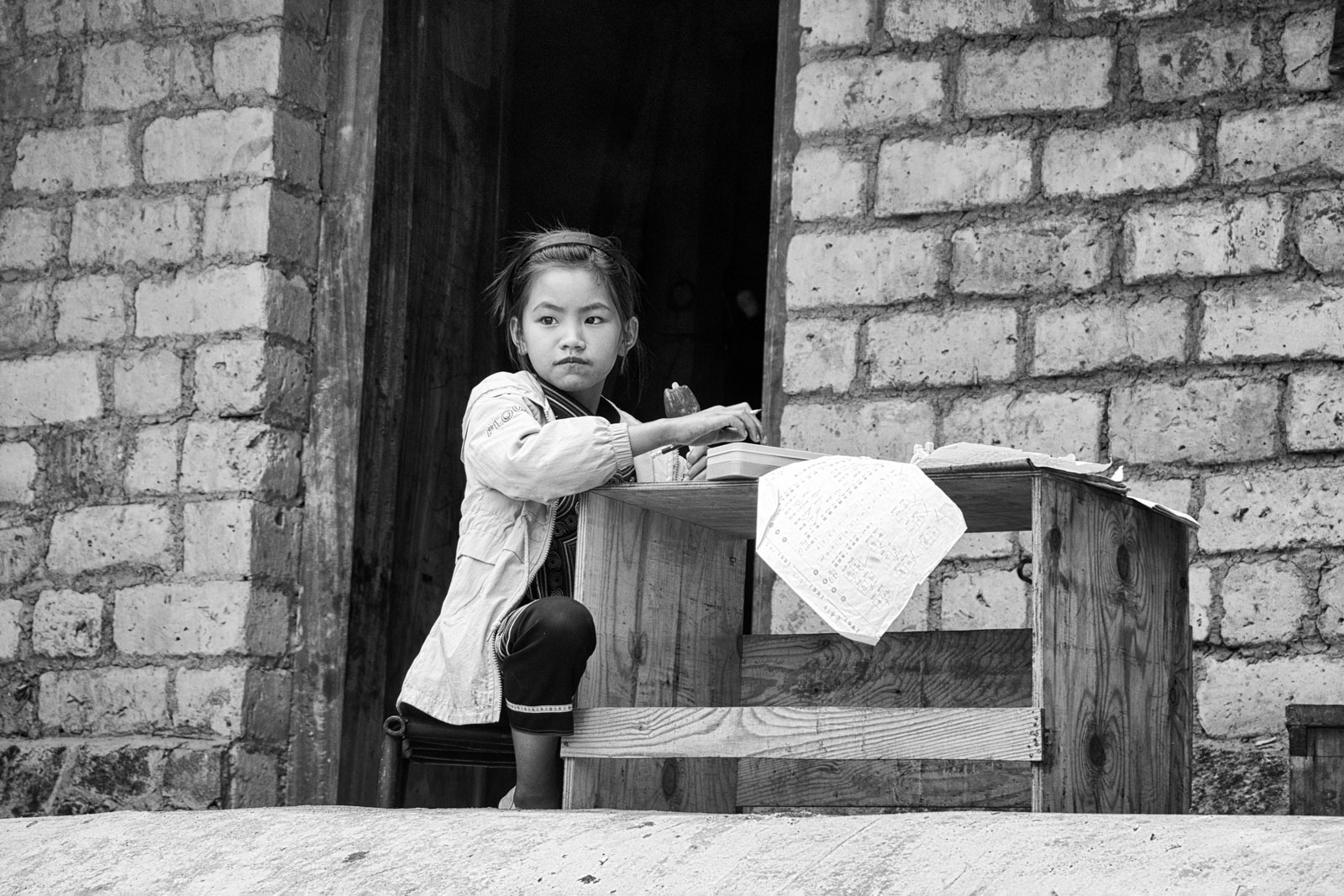
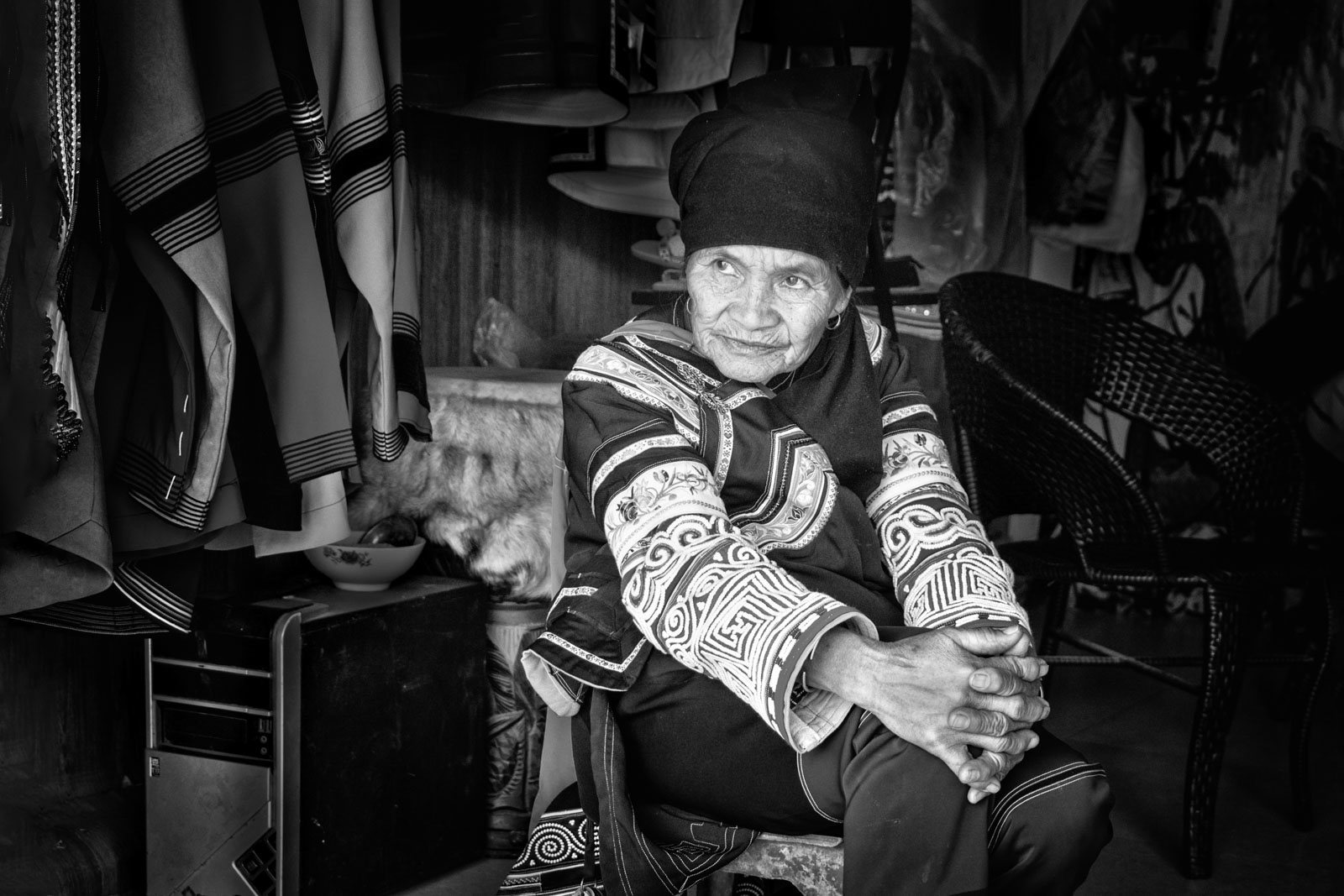
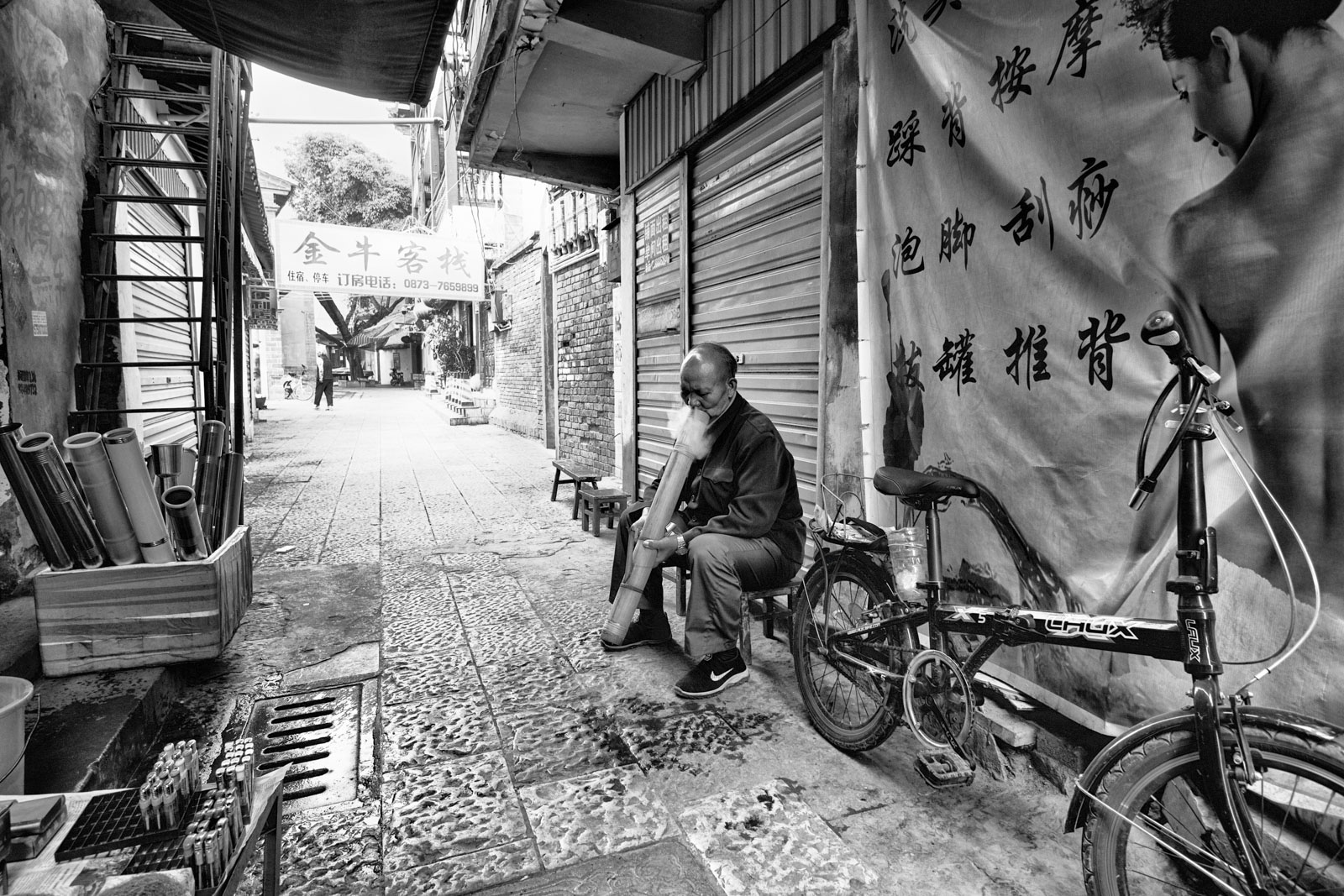
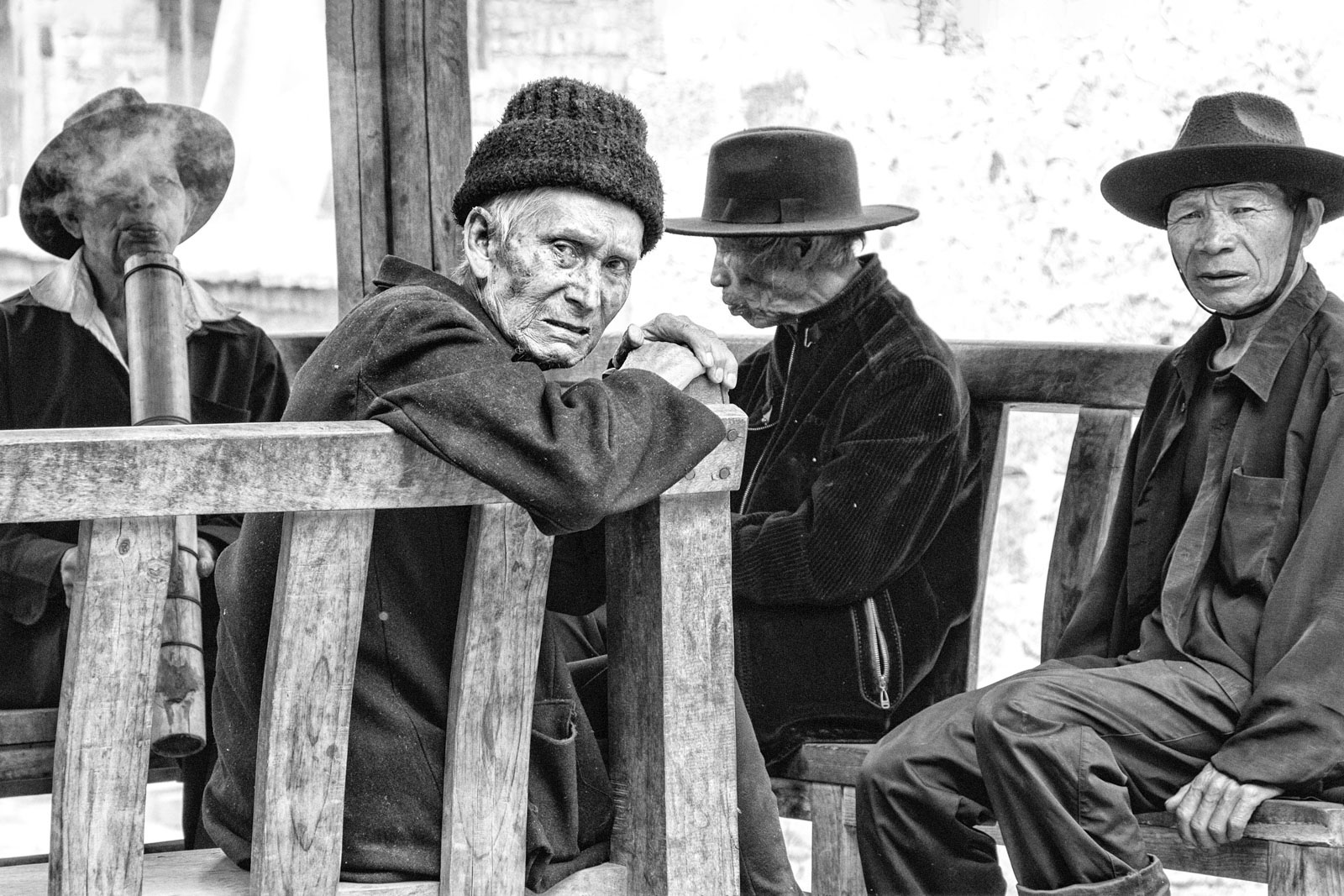
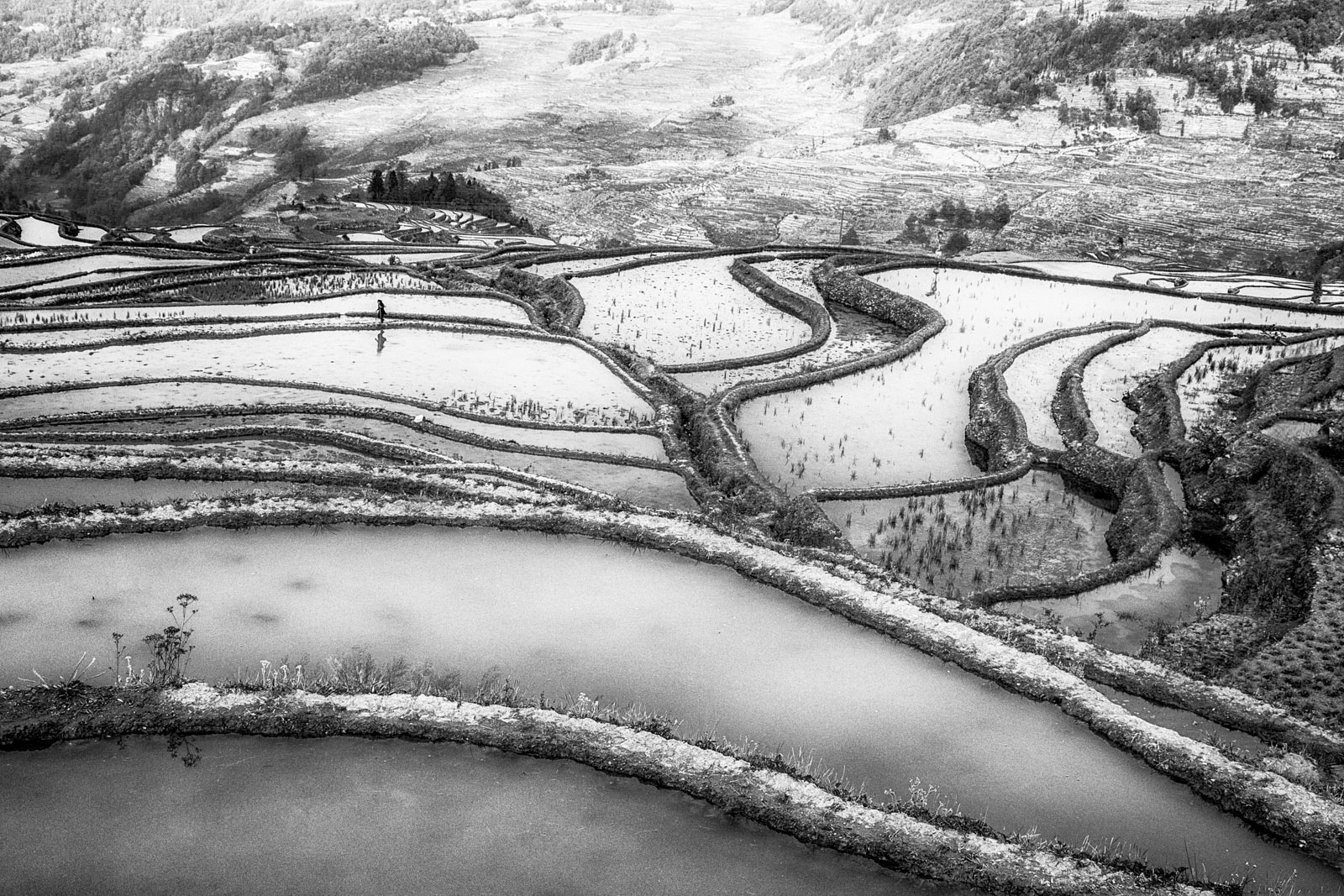
Yunnan is one of the provinces with the greatest natural, bio- and ethnic diversity in China. I visited the famous Honghe-Hani rice terraces (built on the banks of the Honghе River by the Hani people) in one of the months when they are full of water and especially “photogenic”. But apart from the rice fields, I was fascinated by the local people and the life that was literally happening before my eyes – people, animals and nature formed a common harmonious picture. Sometimes I had the feeling that I was back in time, sometimes traditions from the past intertwined with the present in a surreal way. As the season did not involve intensive agricultural activity, my meetings with the locals were most often in the streets of the villages, in the markets, in front of their homes – sitting in conversation, men smoking their huge bamboo pipes, and less often in the rice fields.
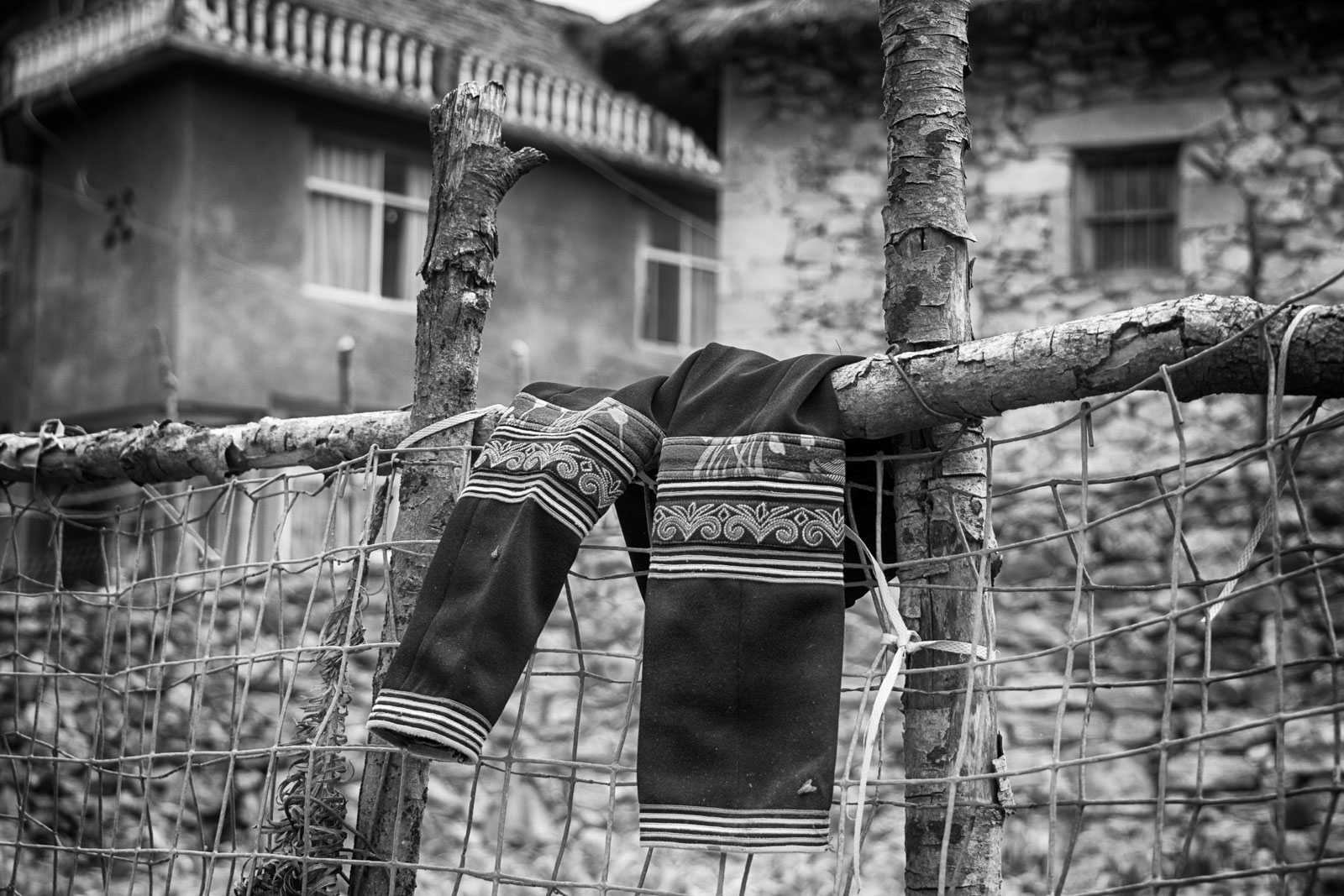
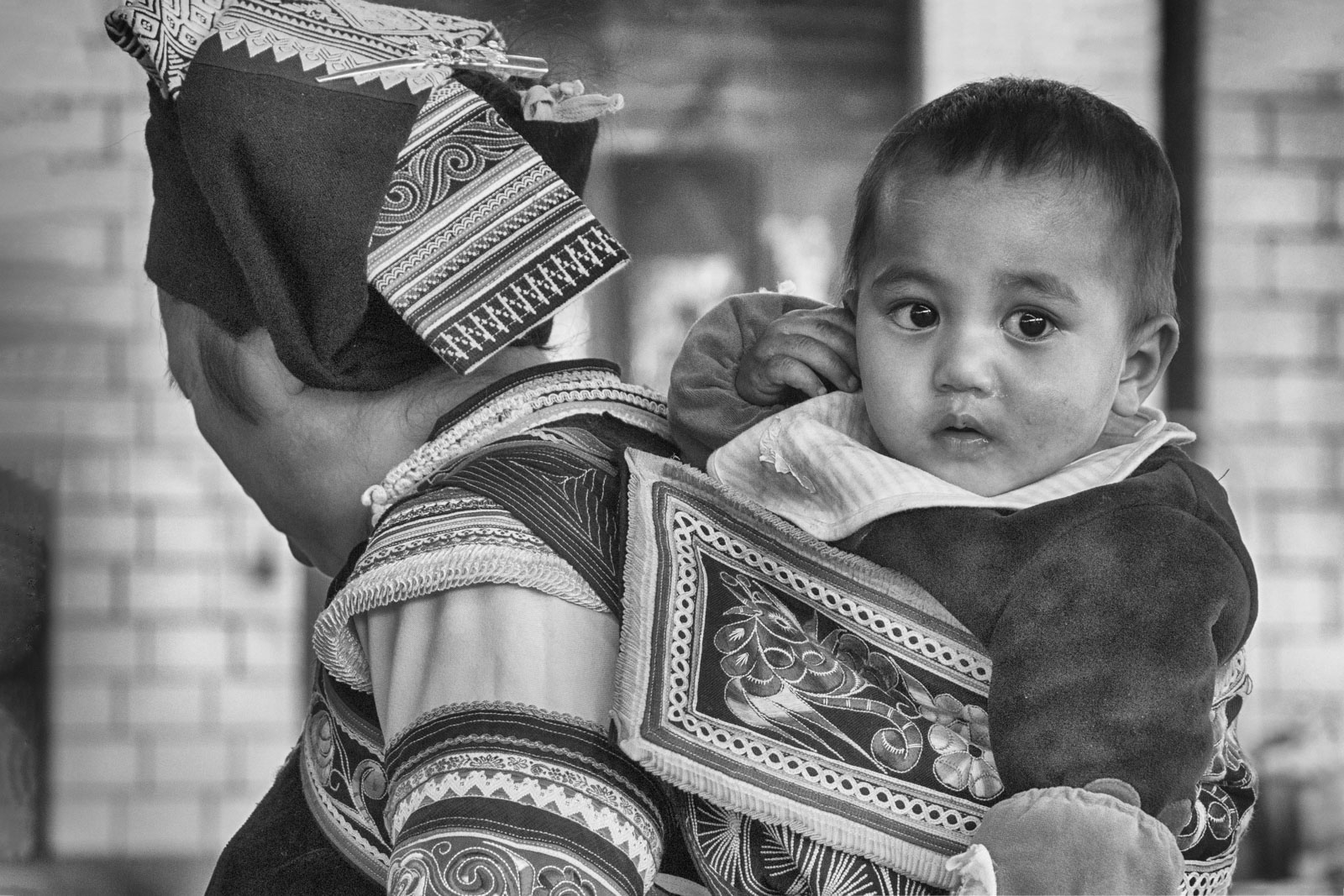
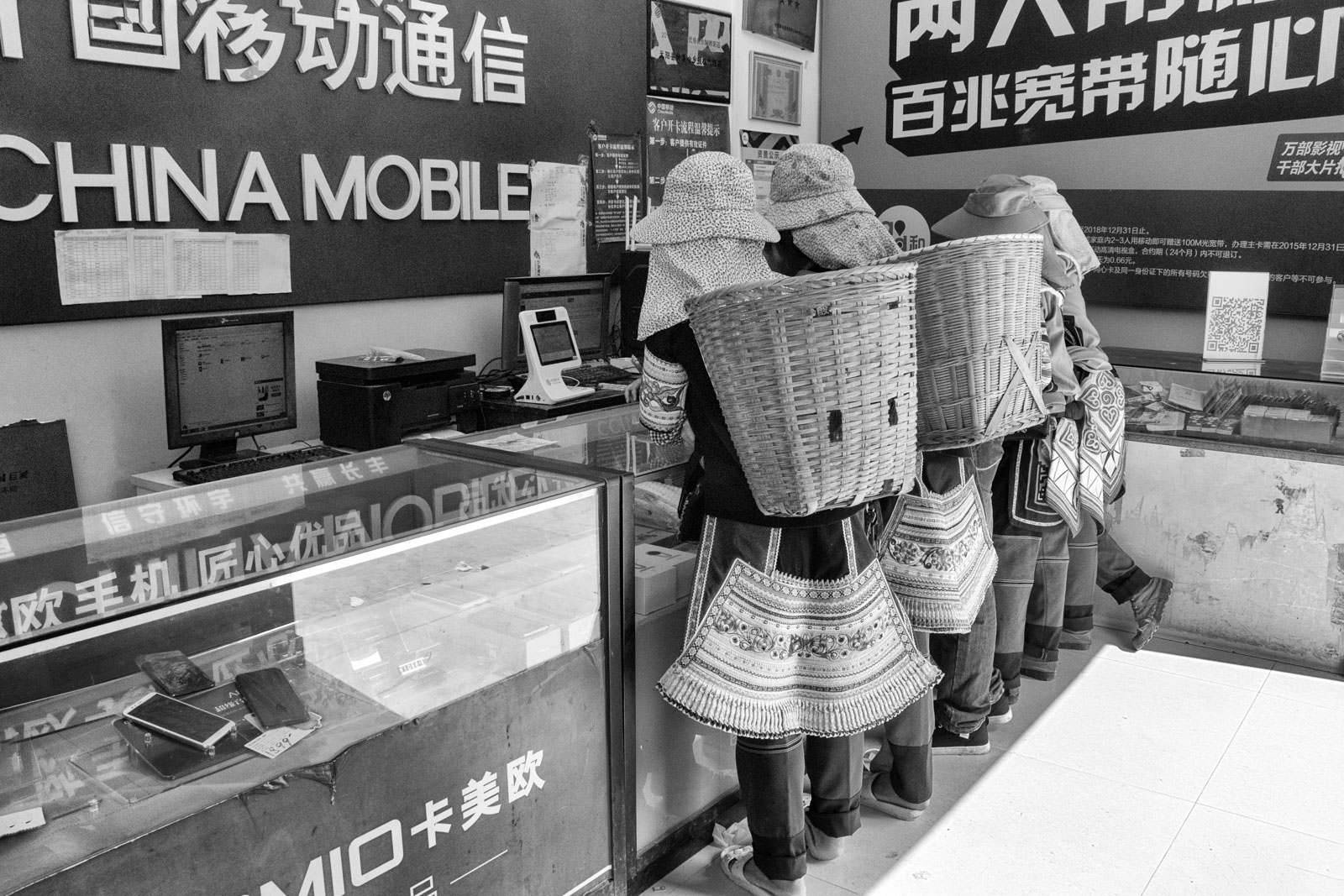
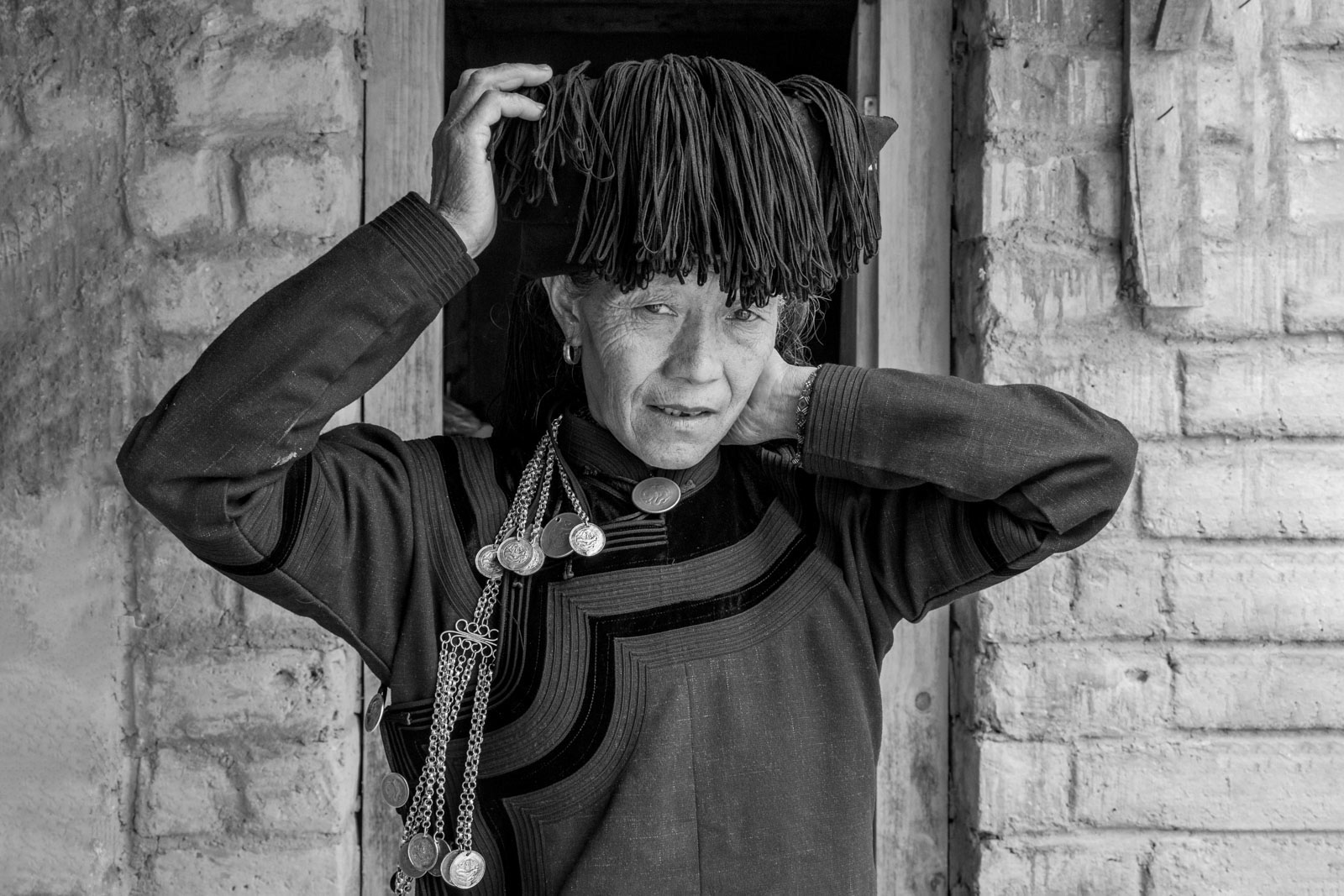
These rice terraces have a history of more than 1300 years. As a UNESCO World Heritage Site, they are protected. But to what extent are the people living here “protected” from the rapid technological development? To this day, they have preserved their traditions, including their traditional clothing. What will their tomorrow be like?
Le terrazze di riso nello Yunnan
Lo Yunnan è una delle province con la maggiore diversità naturale, biologica ed etnica della Cina. Ho visitato le famose terrazze di riso Honghe-Hani (costruite sulle rive del fiume Honghе dal popolo Hani) in uno dei mesi in cui sono piene d’acqua e soprattutto “fotogeniche”. Ma a parte i campi di riso, ero affascinato dalla gente del posto e dalla vita che si svolgeva letteralmente davanti ai miei occhi: persone, animali e natura formavano un quadro armonioso e comune. A volte avevo la sensazione di essere indietro nel tempo, a volte tradizioni del passato si intrecciavano con il presente in modo surreale. Poiché la stagione non prevedeva un’intensa attività agricola, i miei incontri con i locali si svolgevano più spesso per le strade dei villaggi, nei mercati, davanti alle loro case – seduti a conversare, uomini che fumavano le loro enormi pipe di bambù, e meno spesso nei campi di riso.
Queste terrazze di riso hanno una storia di oltre 1300 anni. In quanto sito patrimonio mondiale dell’UNESCO, sono protetti. Ma in che misura le persone che vivono qui sono “protette” dal rapido sviluppo tecnologico? Ancora oggi hanno conservato le loro tradizioni, inclusi i loro abiti tradizionali. Com’è il loro domani?