Luciana Trappolino – Tra-me
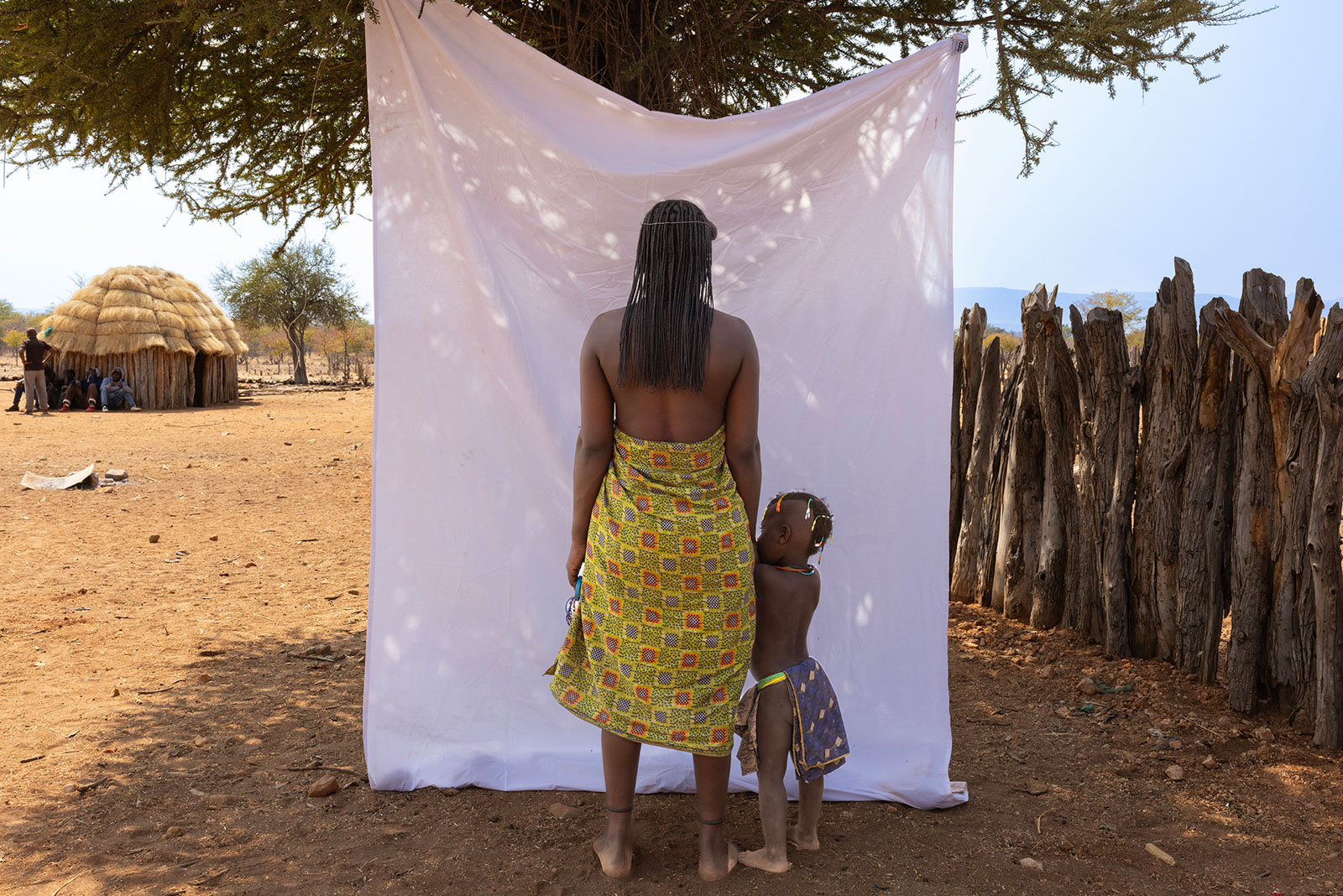
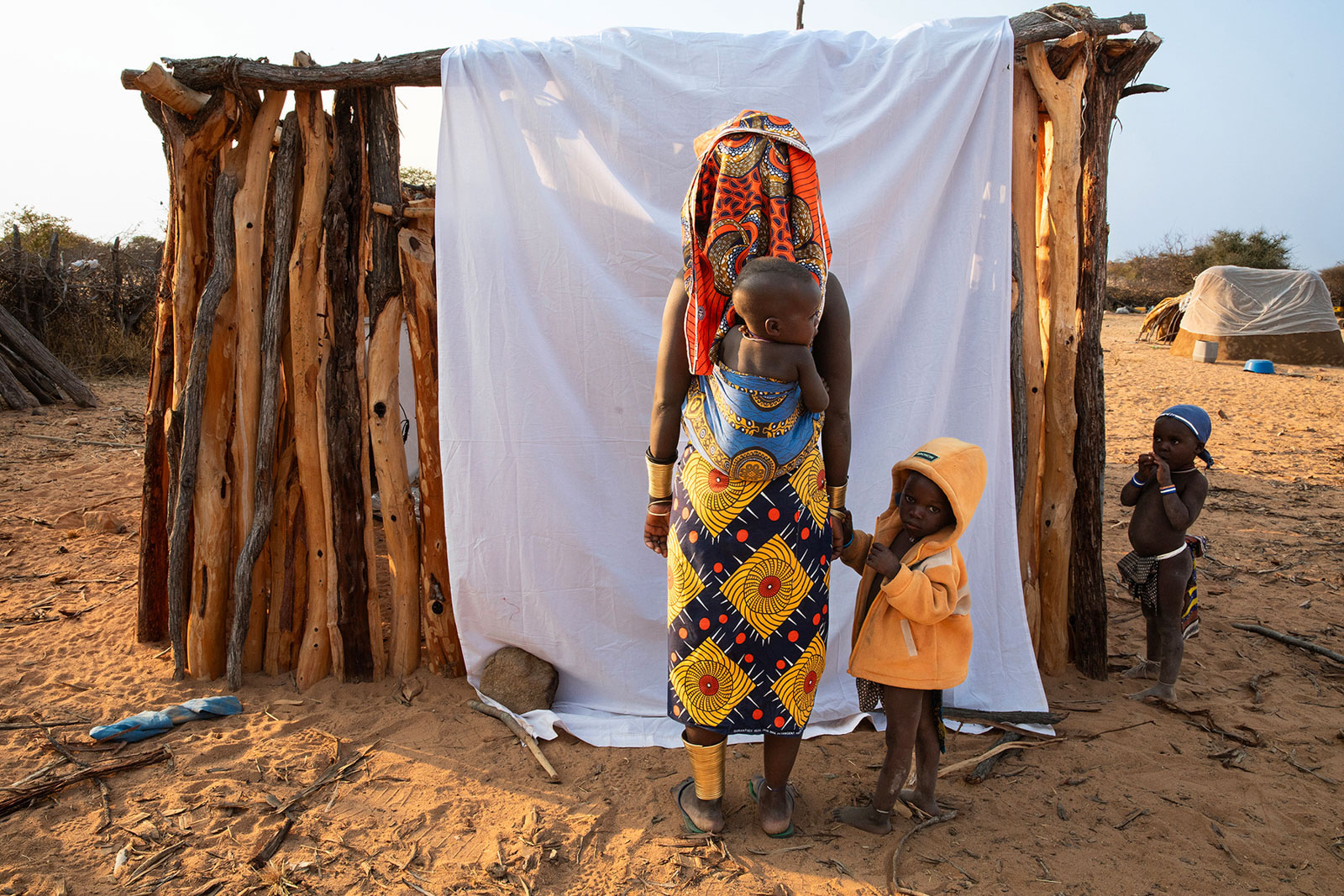
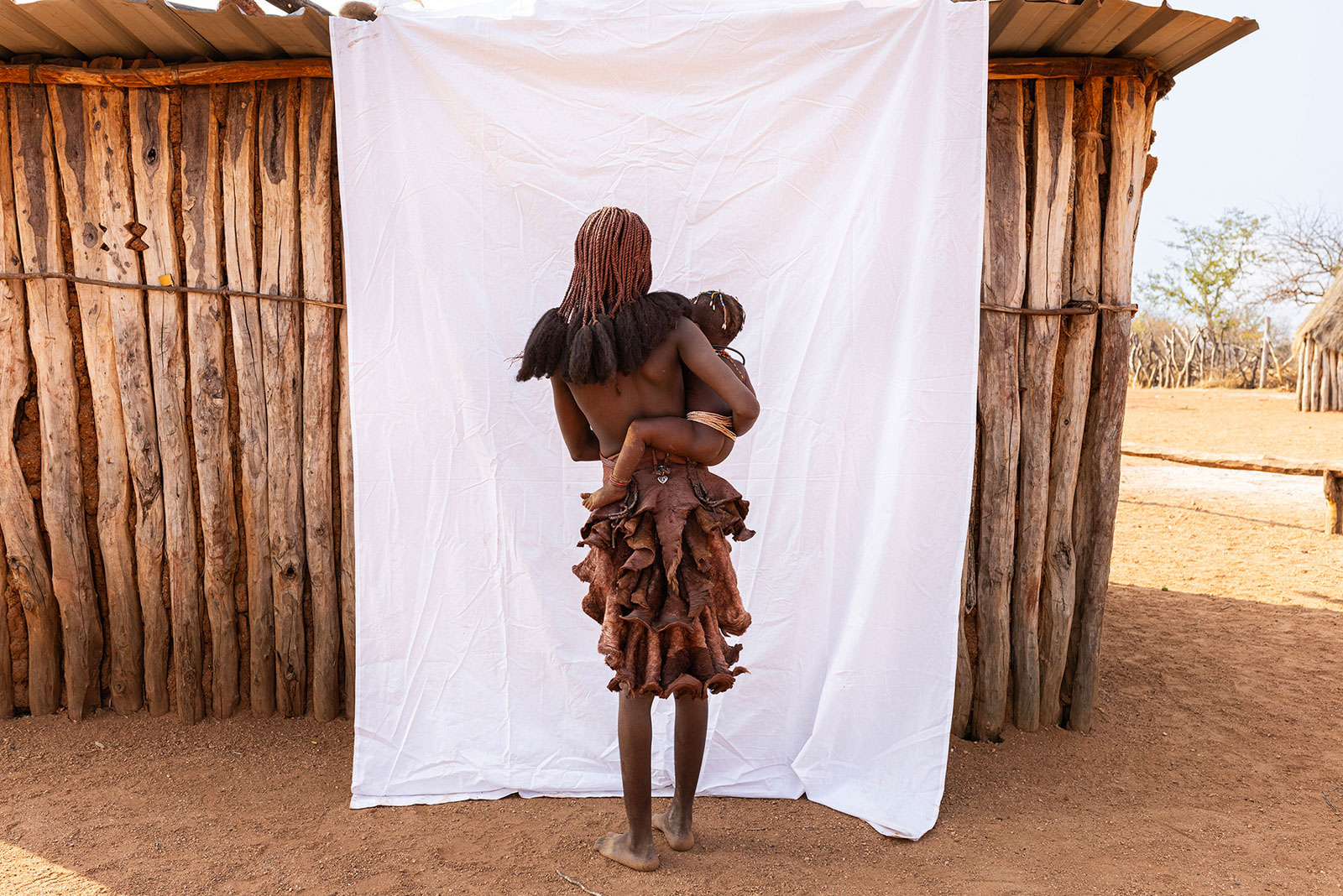
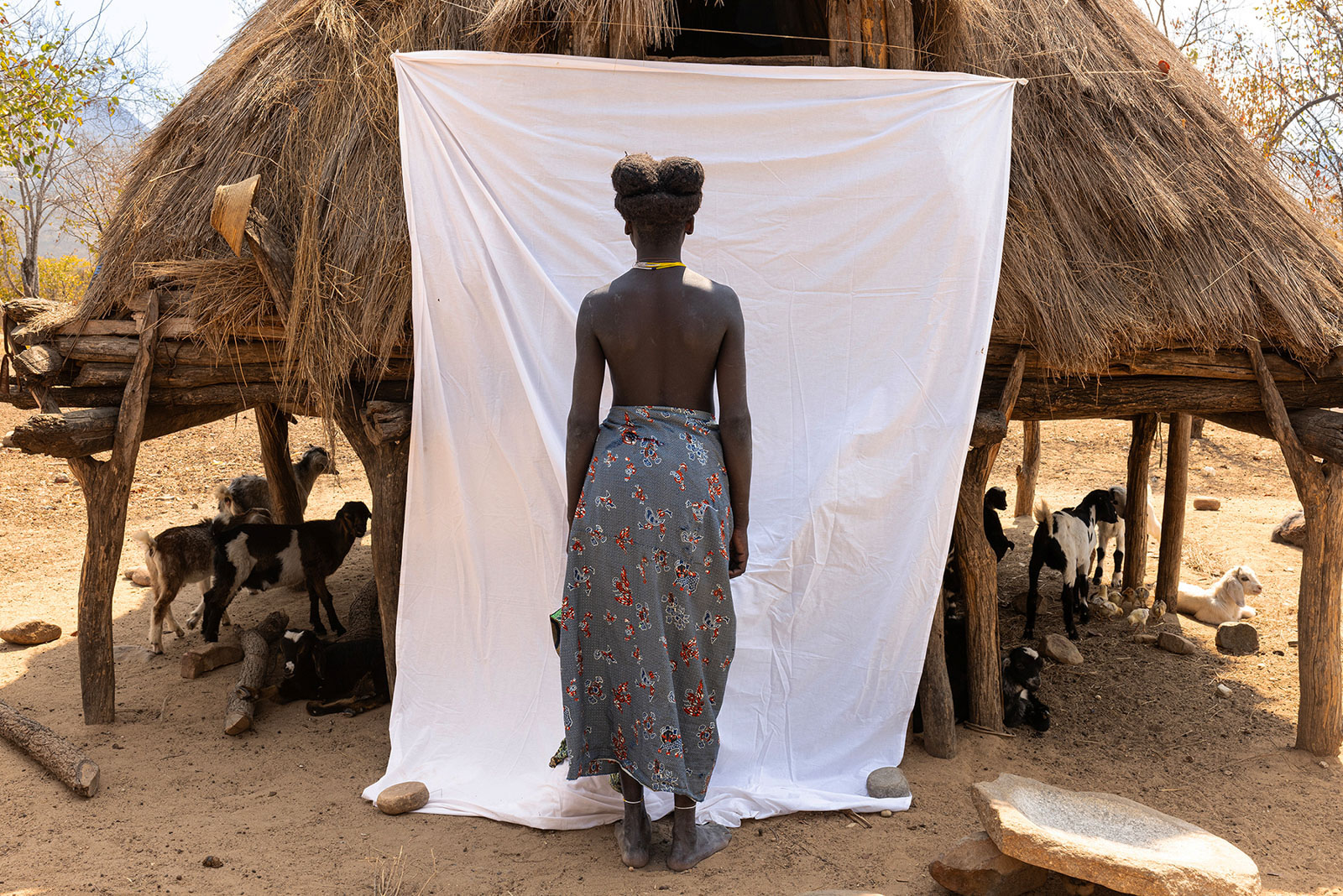
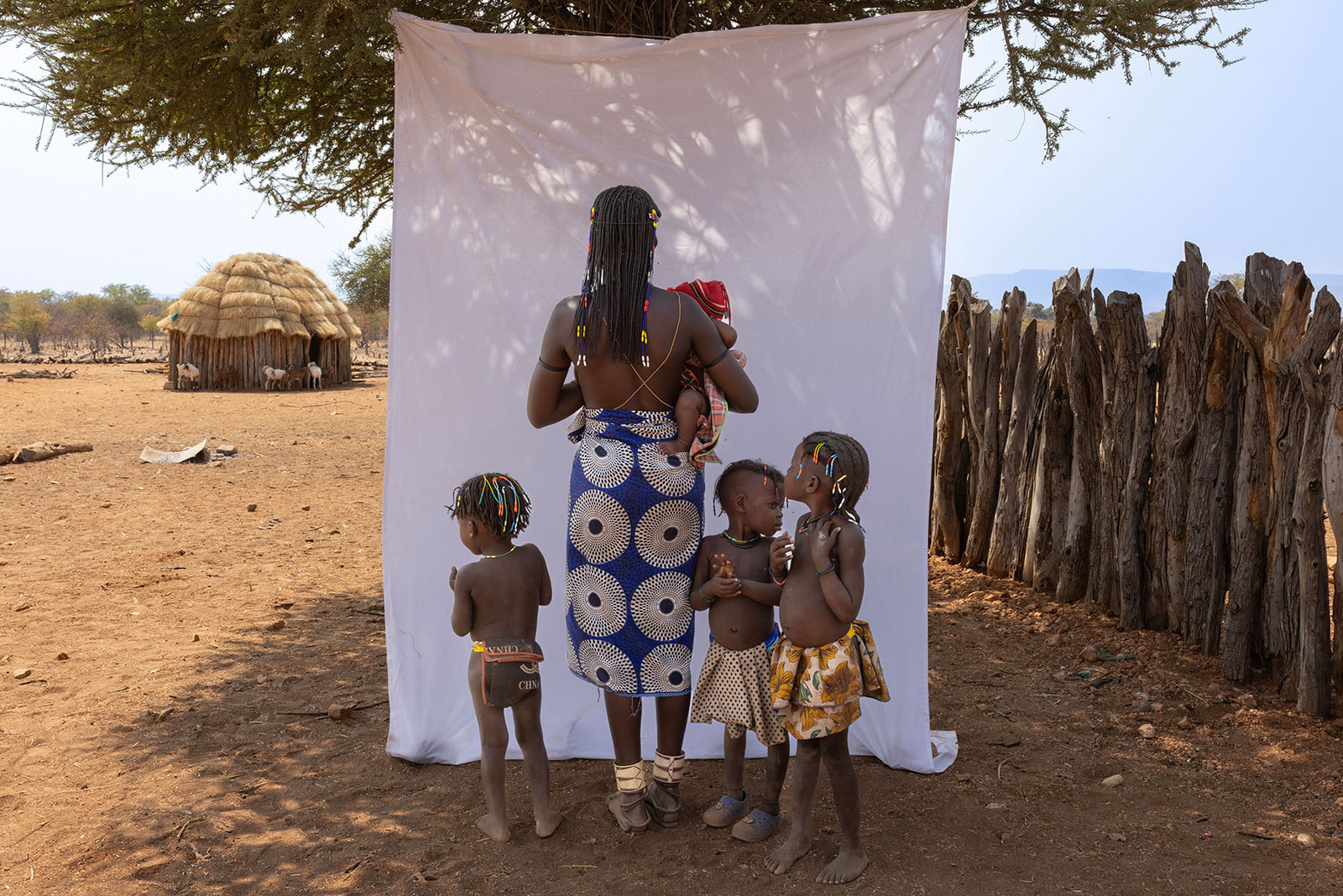
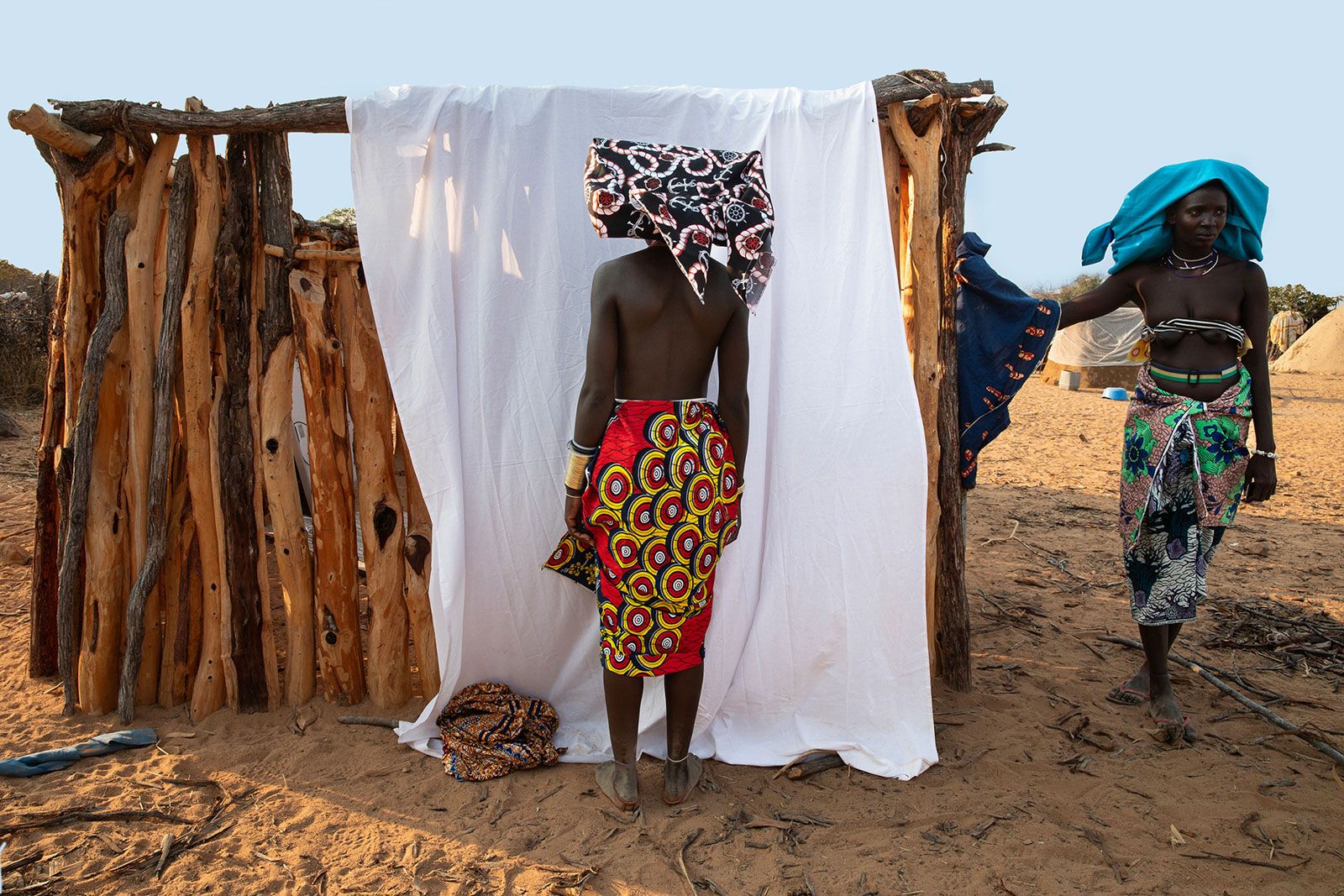
“Decontextualized portraits, African women from the remote tribes of southern Angola, shot from behind: an intentional choice dictated by the desire to represent the harsh condition of women whose dominant patriarchal culture, in their respective tribes, prevails, forcing them to suffer injustice, violence and abuse or to undertake daily struggles in
defense of their essential rights.
The female figure, to whom I try to give voice through my photos, lives in a condition of marginalization and exclusion that oppresses or cancels any yearning for freedom.
Women who apparently try to emancipate themselves through the creativity that in them is characterized by clothing and hairstyles; The latter, in particular, are presented as real sculptures, in the form of a weave or horn, forged with mud, grass, fat, cow dung, embellished with shells and hundreds of beads and multicolored buttons. Yet, even
in this aesthetic expression, they conform to social, cultural and spiritual conditioning that determine and require precise symbolic representations.
The spiritual aspect can be traced back to the animist religion which, through the forms and canons dictated by the ancestral rites of the tribe, hands down its beliefs through symbols. Since hair is the most extreme part of the individual facing the sky, it is believed that communication with the Gods and Spirits of the ancestors passes through them to reach the soul: hence the importance of the hair.
The social and cultural implications can be seen in multiform characterizations: each type of female hair connotes belonging to an ethnic group; or, in the same social environment, a different age, entry into adulthood through the first menstruation or a particular civil and social status.”
Tra-me
“Ritratti decontestualizzati, donne africane provenienti dalle sperdute tribù del sud dell’Angola, riprese di spalle: una scelta intenzionale dettata dal voler rappresentare la dura condizione di donne la cui cultura patriarcale dominante, nelle rispettive tribù di appartenenza, prevarica costringendole a subire ingiustizie, violenze e soprusi o a intraprendere quotidiane lotte in
difesa dei propri diritti essenziali.
La figura femminile, cui cerco di dare voce attraverso le mie foto, vive in una condizione di marginalizzazione ed esclusione che opprime o annulla ogni anelito di libertà.
Donne che apparentemente provano a emanciparsi attraverso la creatività che in loro è caratterizzata da abbigliamento e acconciature; queste ultime, in particolare, si presentano come vere e proprie sculture, in forma d’intreccio o corno, forgiate con fango, erbe, grasso, sterco di vacca, impreziosite da conchiglie e centinaia di perline e bottoni multicolori. Eppure, anche
in questa espressione estetica, si conformano a condizionamenti sociali, culturali e spirituali che determinano e richiedono precise rappresentazioni simboliche.
L’aspetto spirituale si riconduce alla religione animista che, attraverso le forme e i canoni dettati dai riti ancestrali della tribù, tramanda le sue credenze attraverso dei simboli. Essendo i capelli la parte più estrema dell’individuo rivolta verso il cielo, si ritiene che la comunicazione con gli Dei e gli Spiriti degli antenati passi attraverso di essi per raggiungere l’anima: da qui l’importanza della capigliatura.
Le implicazioni sociali e culturali si ravvedono in multiformi caratterizzazioni: ogni tipo di capigliatura femminile connota l’appartenenza ad un’etnia; oppure, in uno stesso ambito sociale, una diversa età, l’ingresso nell’età adulta attraverso la prima mestruazione o un particolare status civile e sociale.”